Filters

240 filtered results

Clear all filters
Favorites
With answer key
Interactive

240 filtered results

Difficulty Level

Grade


Check out this FREE Trial Lesson on Addition for age 4!

A

Favorites
With answer key
Interactive
  • 4
  • Counting practice
  • Addition
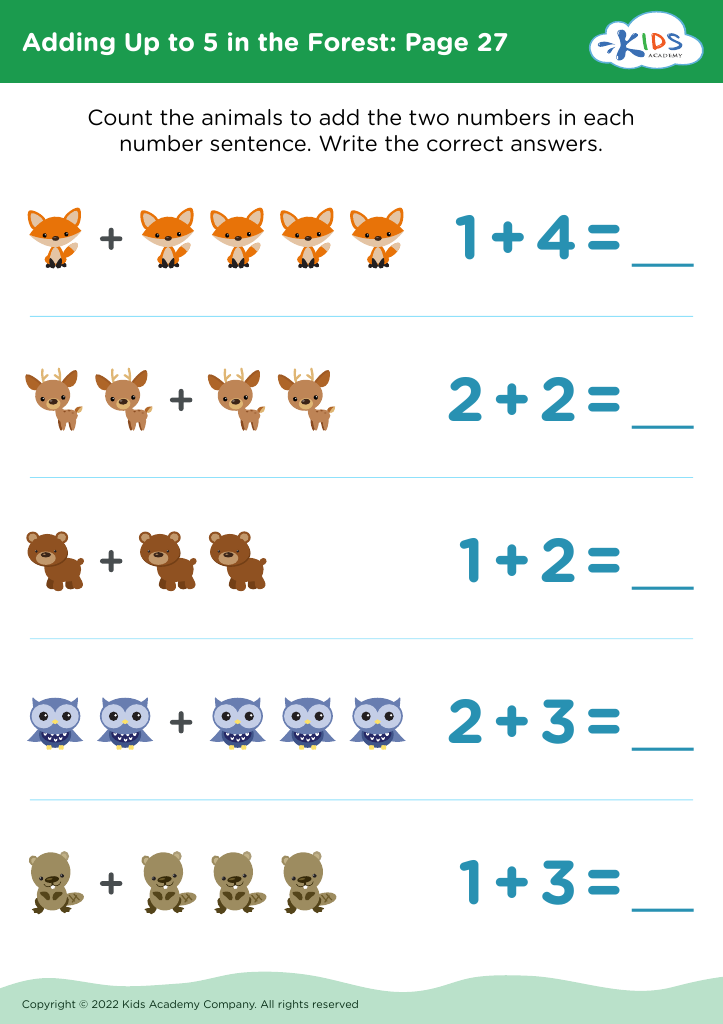
Adding Up to 5 in the Forest: Page 27
Worksheet
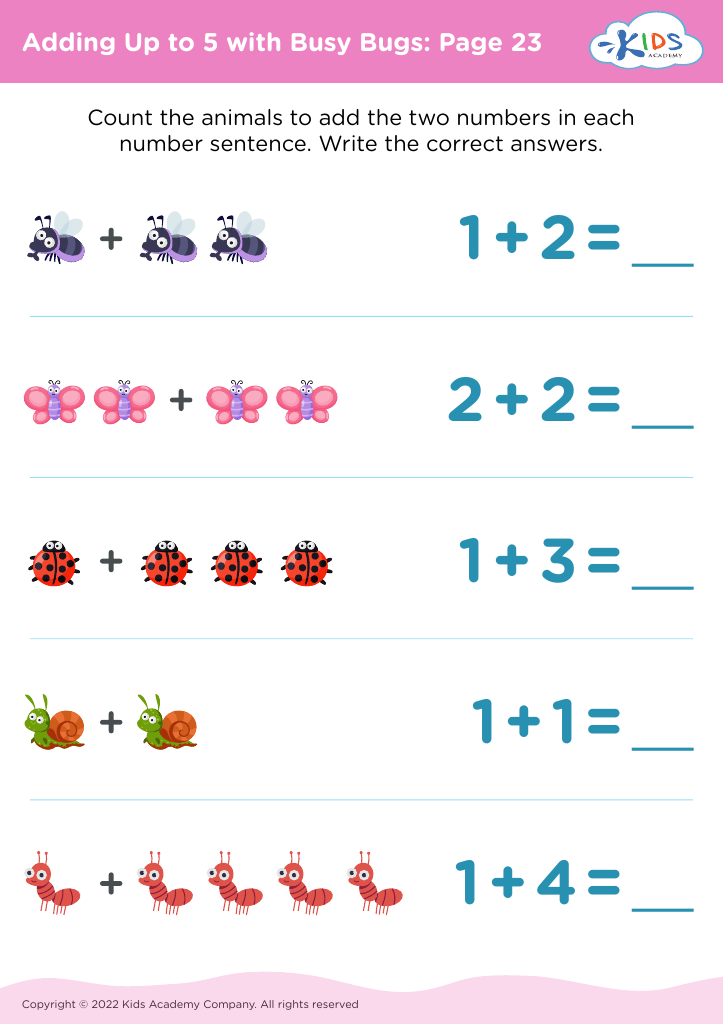
Adding Up to 5 with Busy Bugs: Page 23
Worksheet
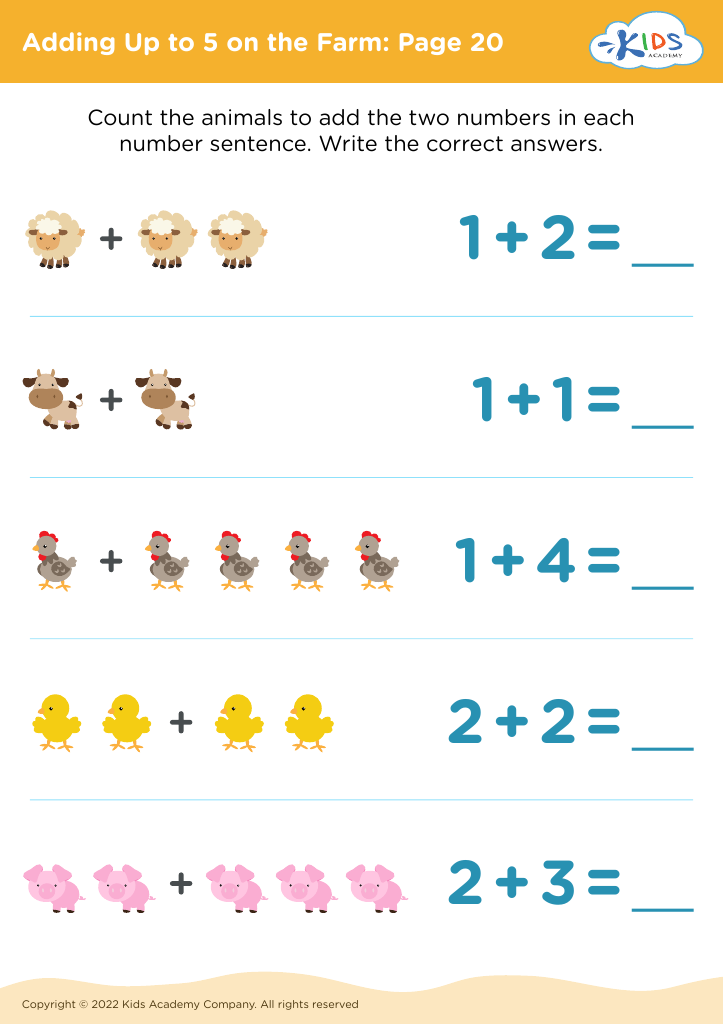
Adding Up to 5 on the Farm: Page 20
Worksheet
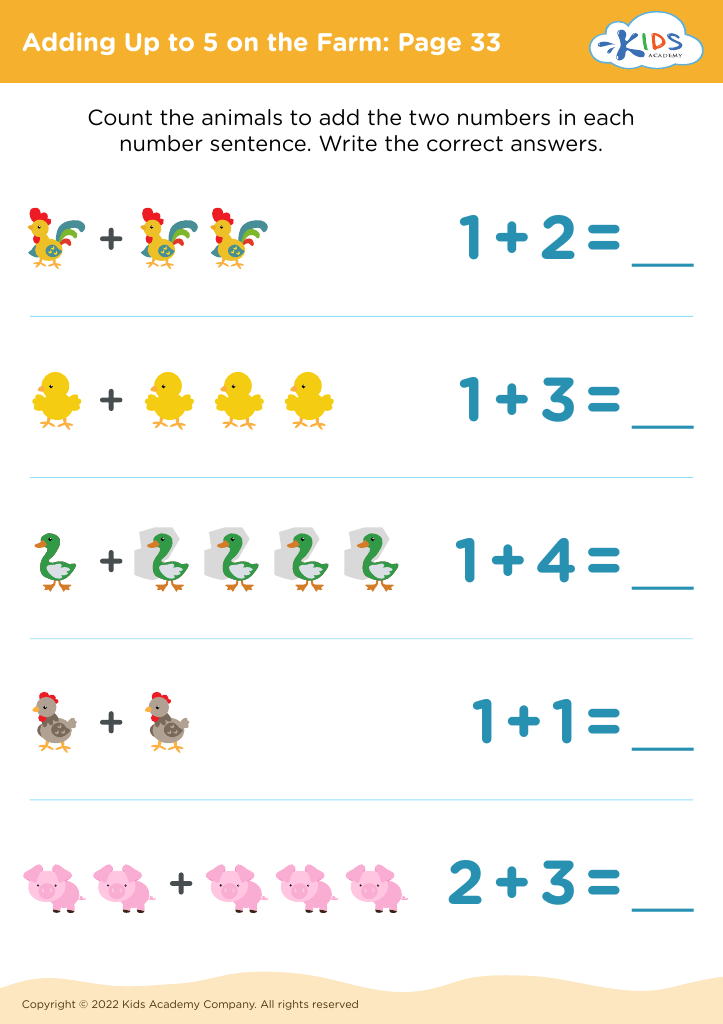
Adding Up to 5 on the Farm: Page 33
Worksheet
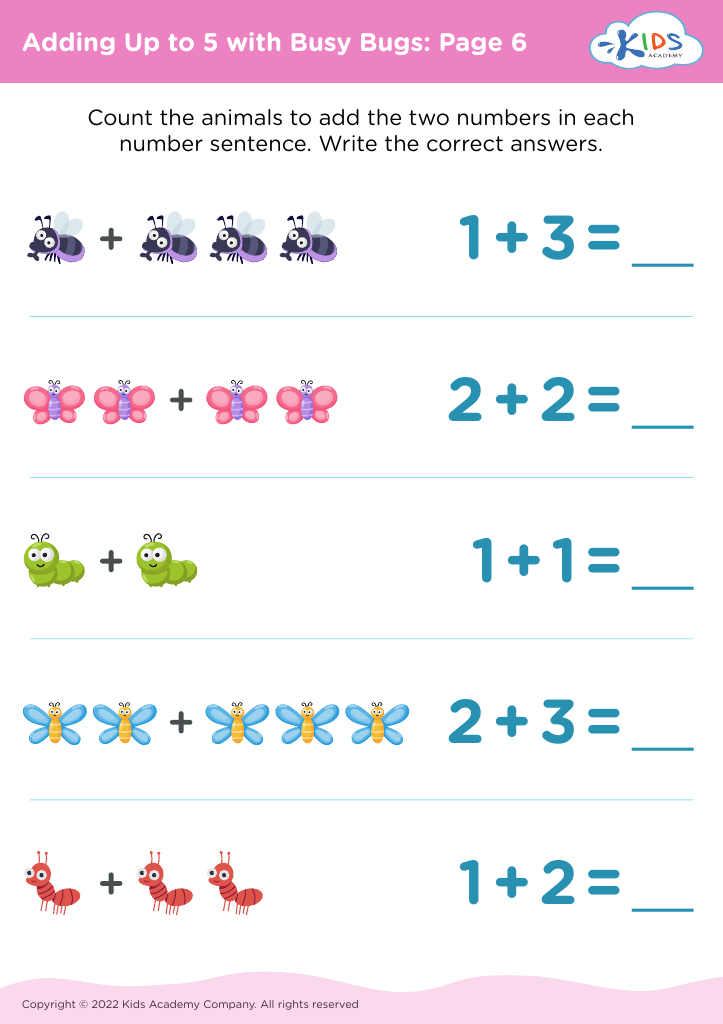
Adding Up to 5 with Busy Bugs: Page 6
Worksheet
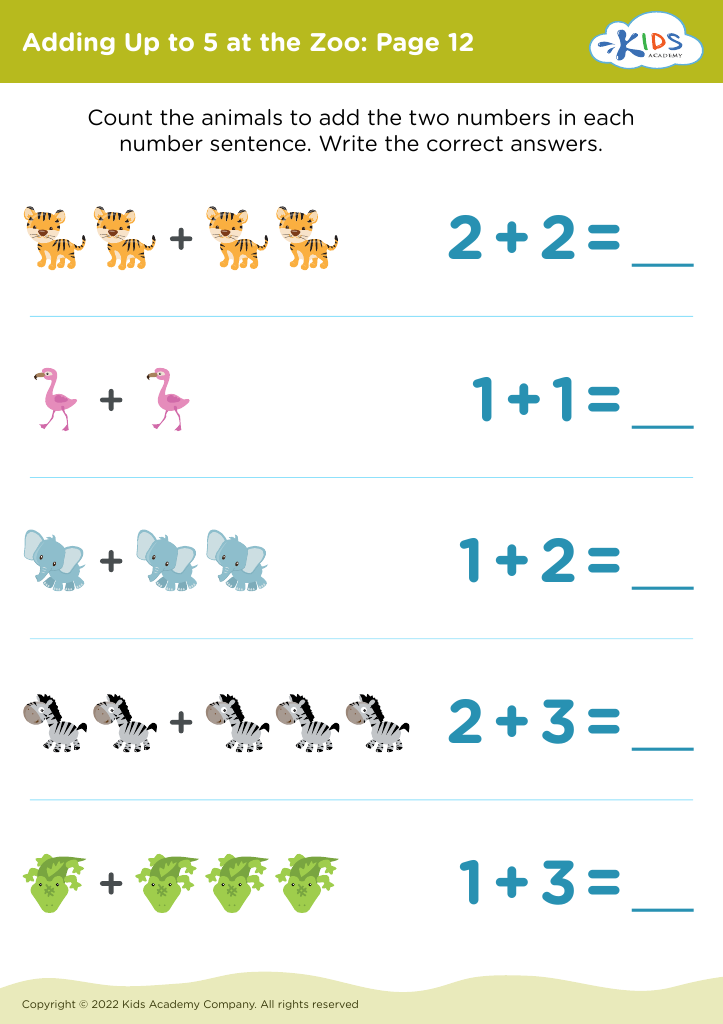
Adding Up to 5 at the Zoo: Page 12
Worksheet
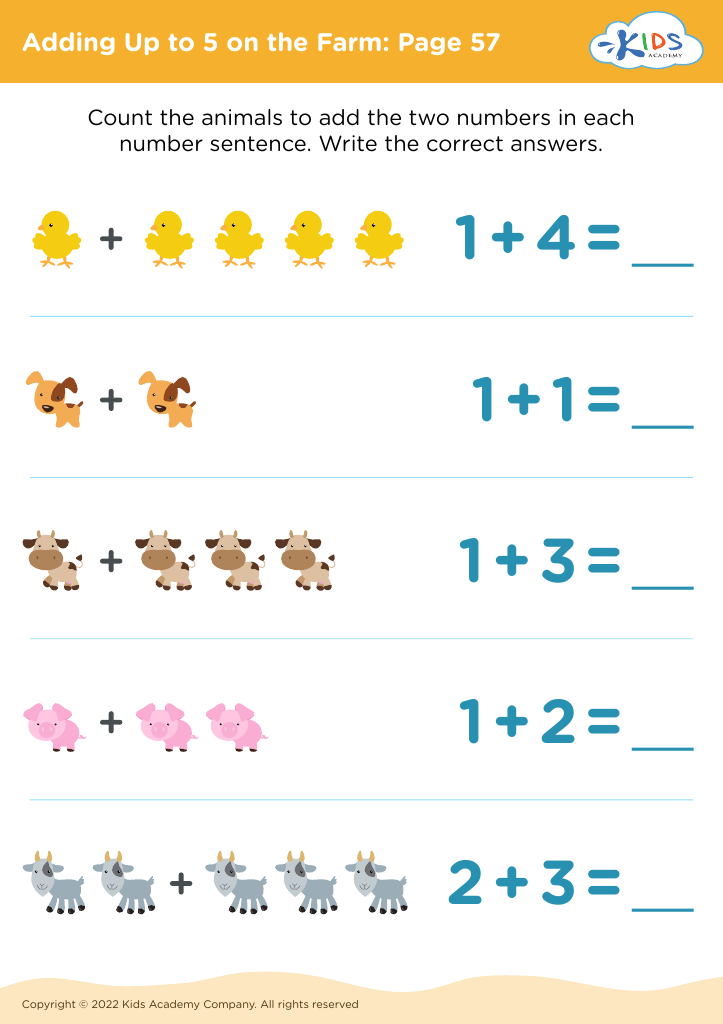
Adding Up to 5 on the Farm: Page 57
Worksheet
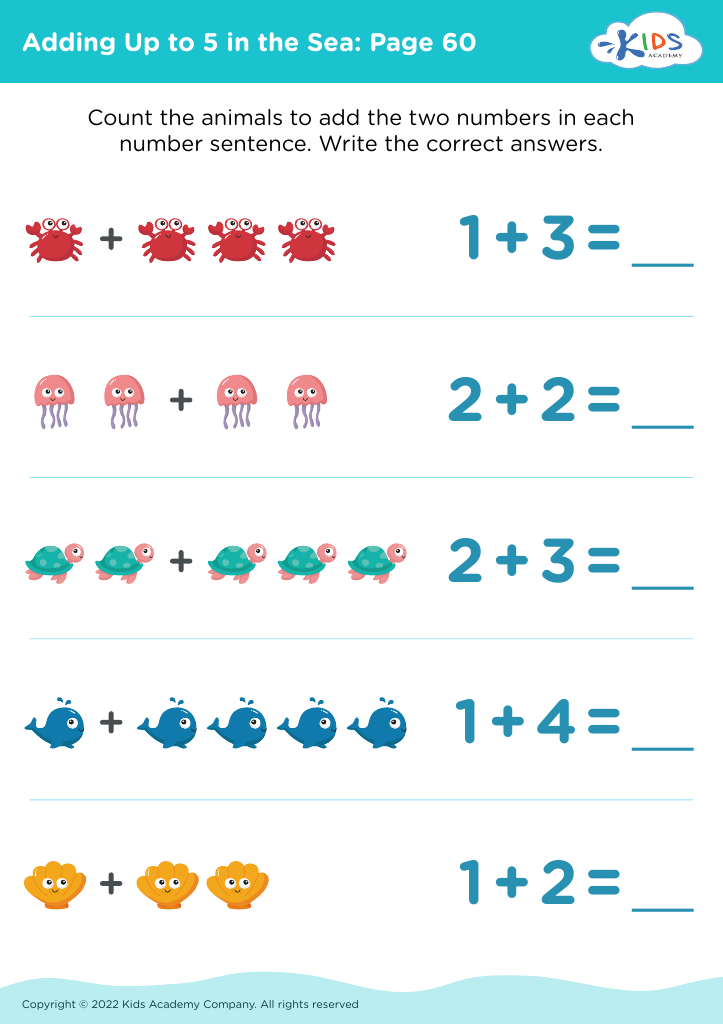
Adding Up to 5 in the Sea: Page 60
Worksheet
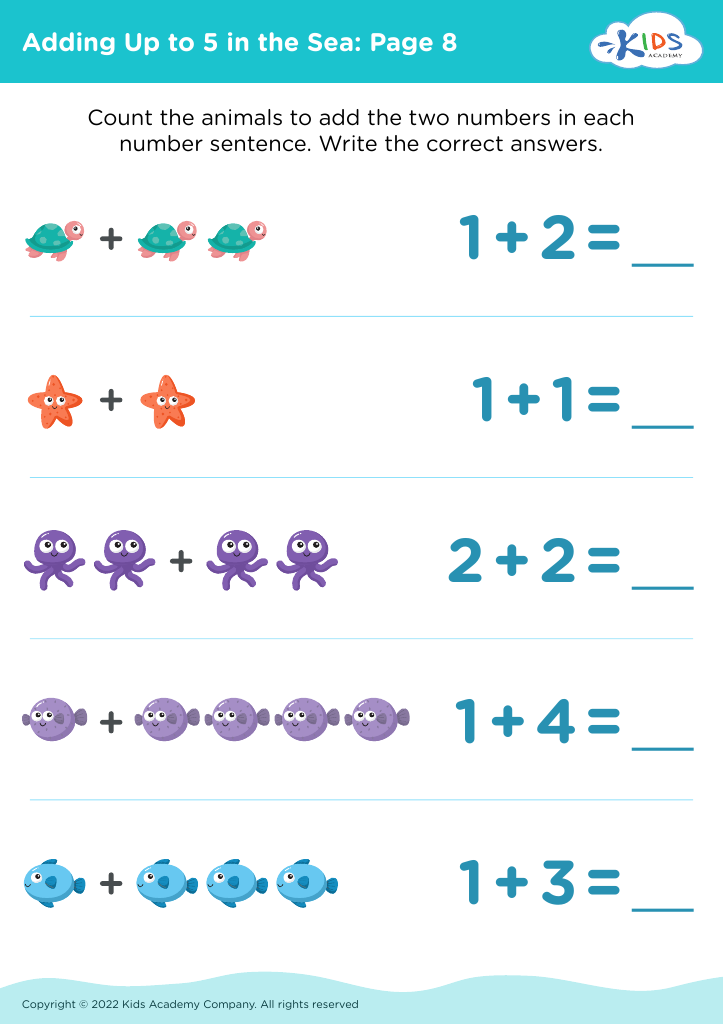
Adding Up to 5 in the Sea: Page 8

Adding Up to 5 in the Sea: Page 8

Adding Up to 5 in the Sea: Page 8
Worksheet
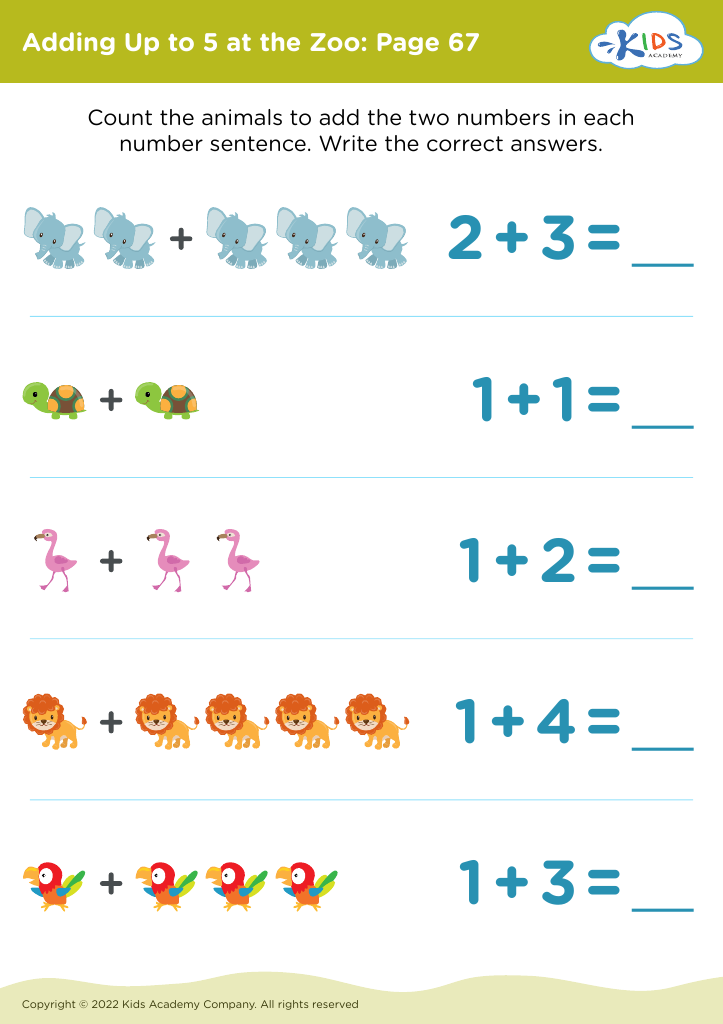
Adding Up to 5 at the Zoo: Page 67
Worksheet
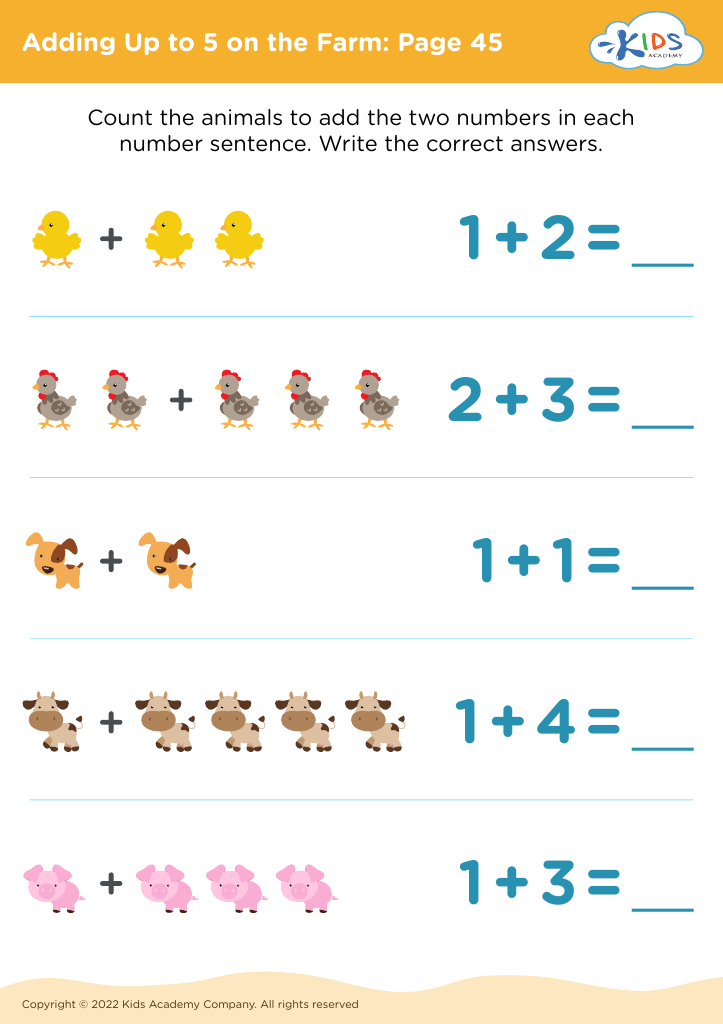
Adding Up to 5 on the Farm: Page 45
Worksheet
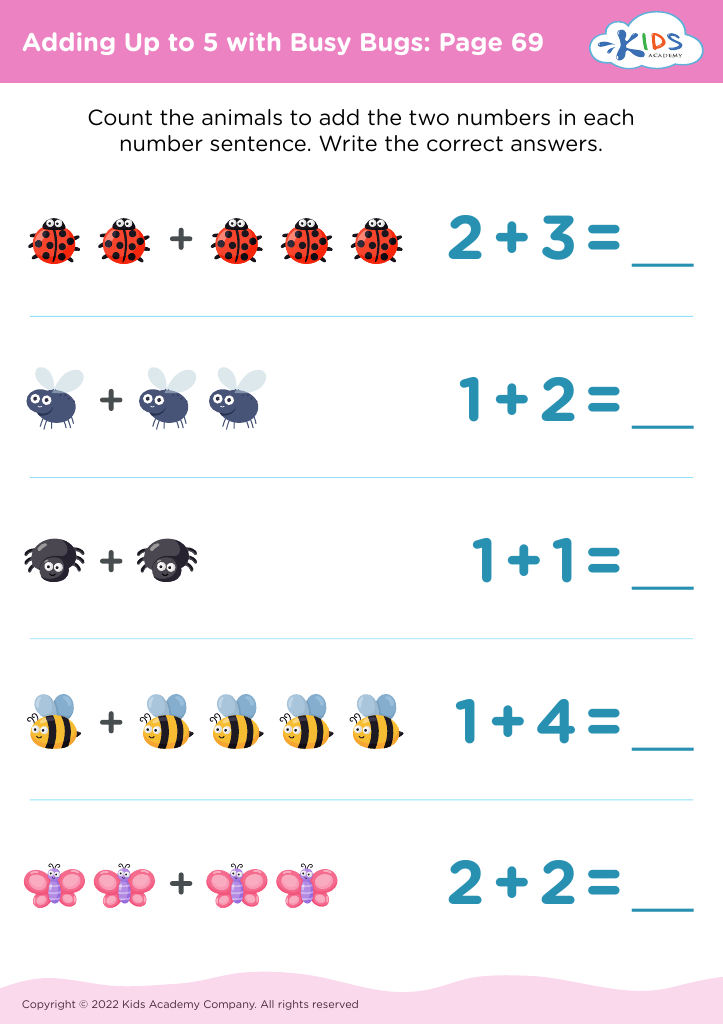
Adding Up to 5 with Busy Bugs: Page 69
Worksheet
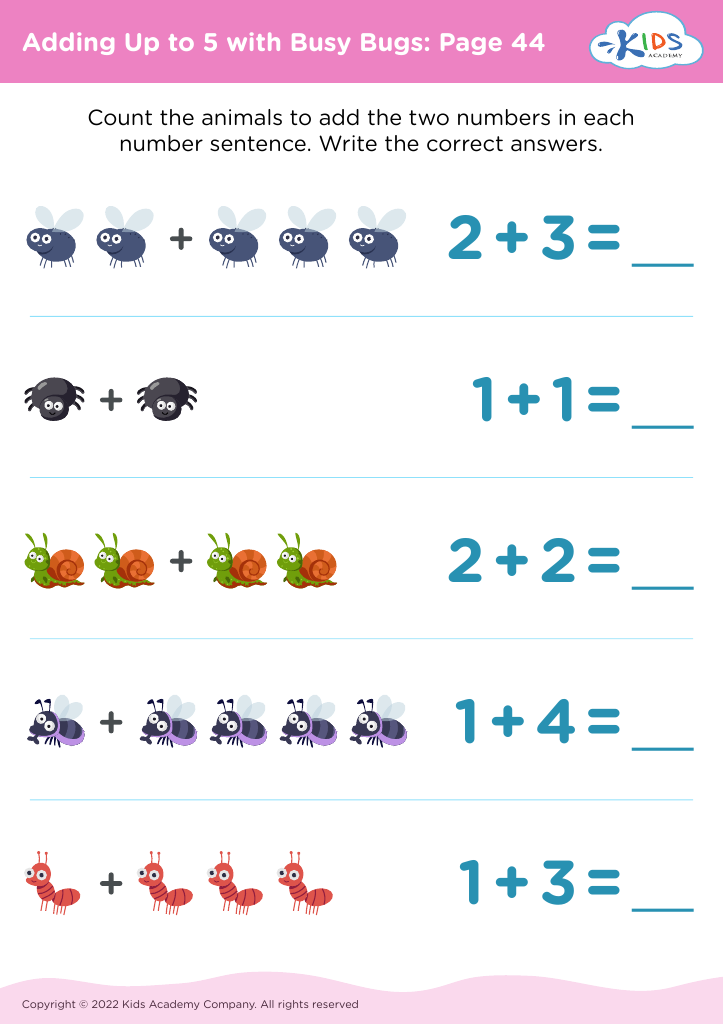
Adding Up to 5 with Busy Bugs: Page 44
Worksheet
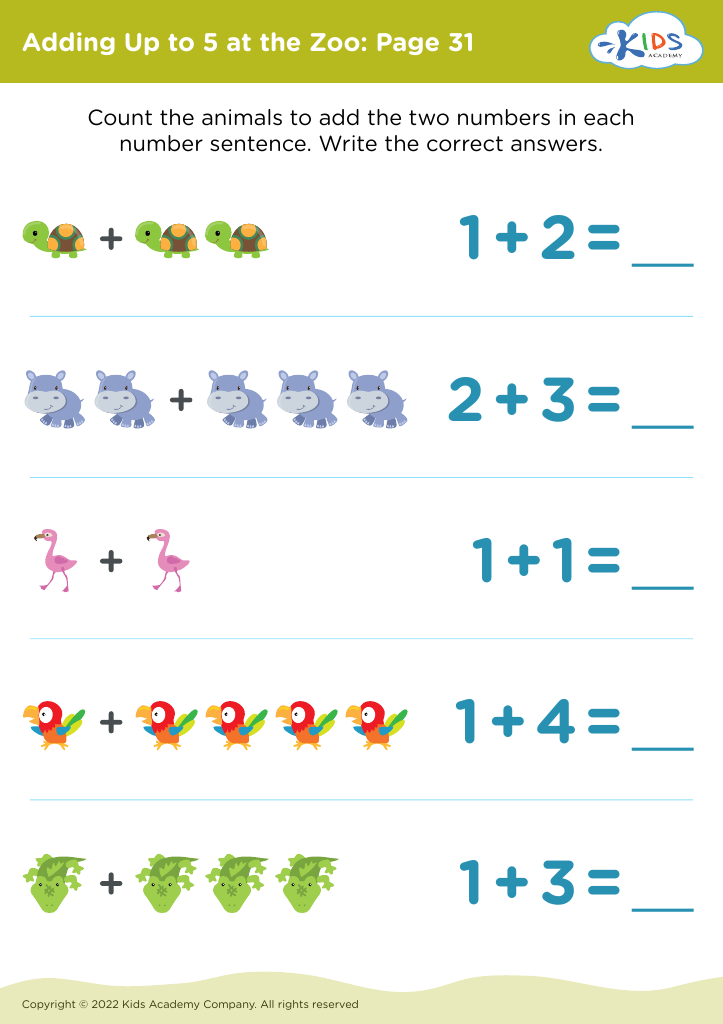
Adding Up to 5 at the Zoo: Page 31
Worksheet
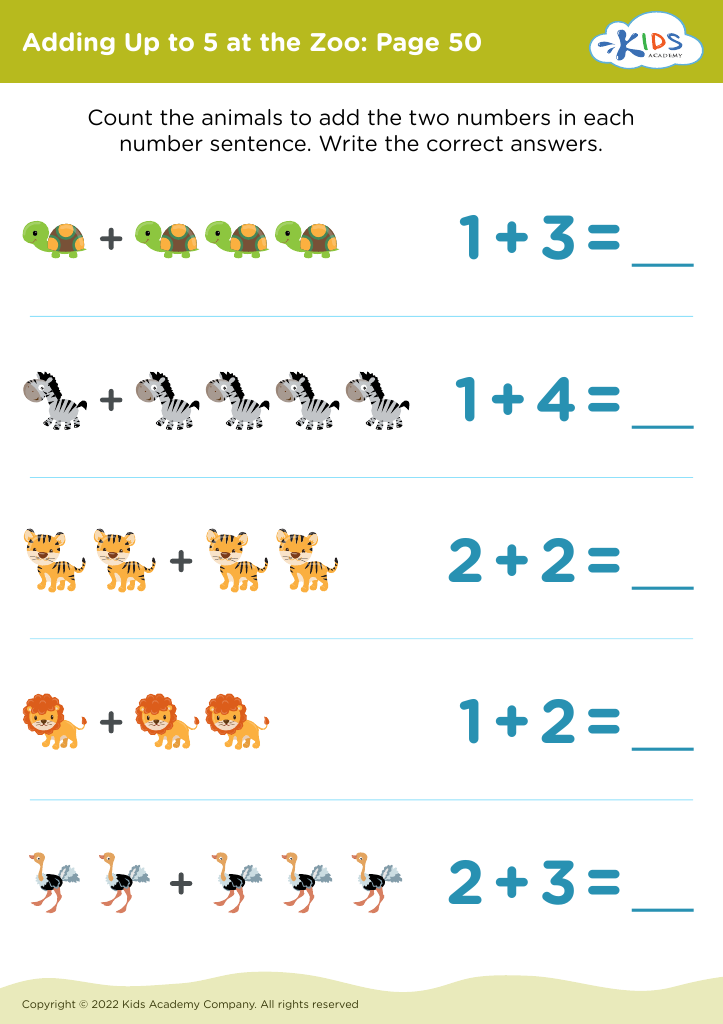
Adding Up to 5 at the Zoo: Page 50
Worksheet
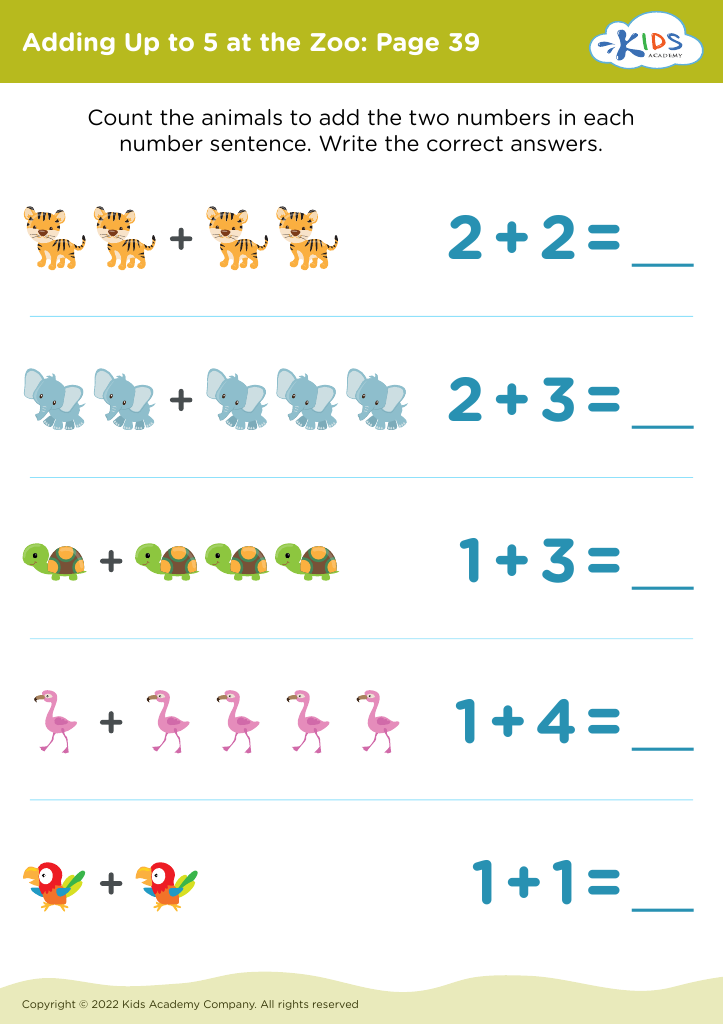
Adding Up to 5 at the Zoo: Page 39
Worksheet
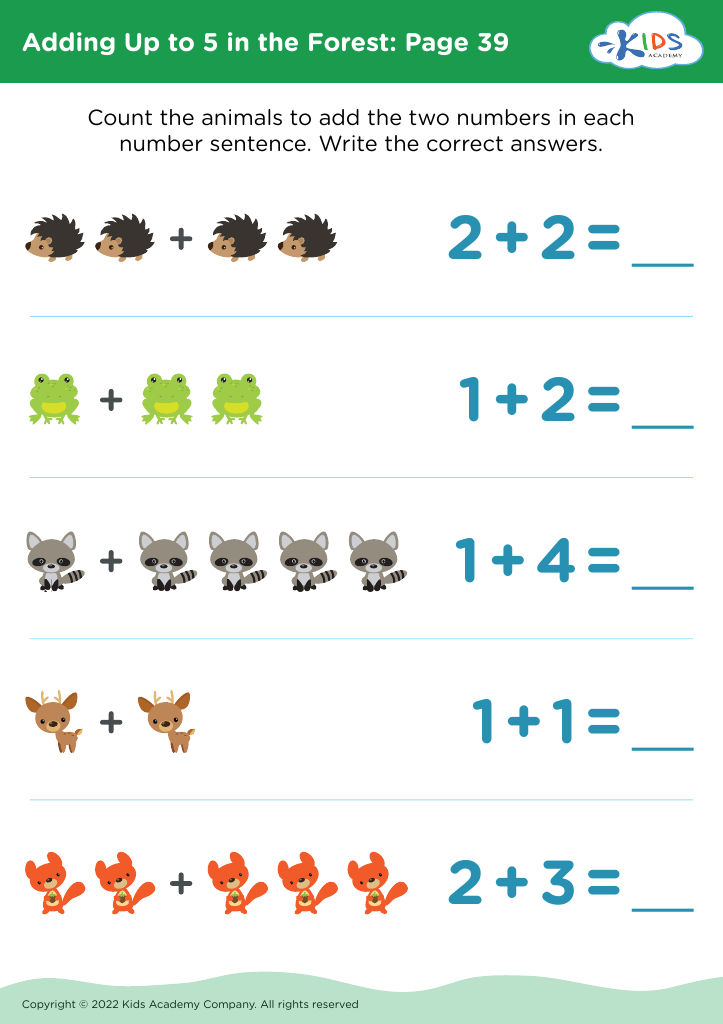
Adding Up to 5 in the Forest: Page 39
Worksheet
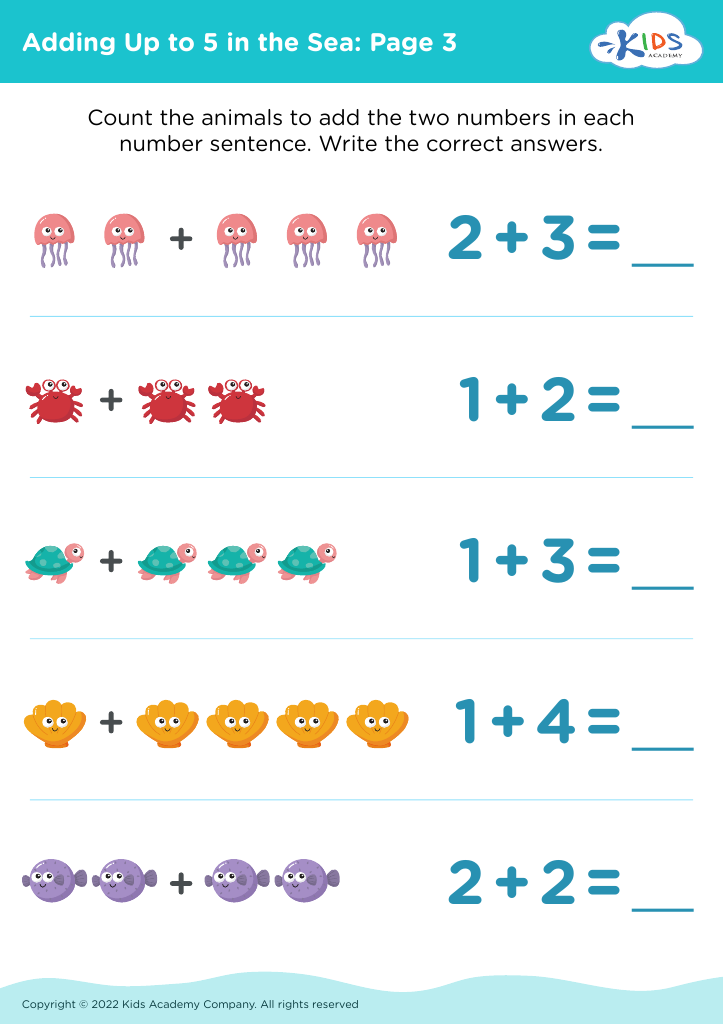
Adding Up to 5 in the Sea: Page 3

Adding Up to 5 in the Sea: Page 3

Adding Up to 5 in the Sea: Page 3
Worksheet
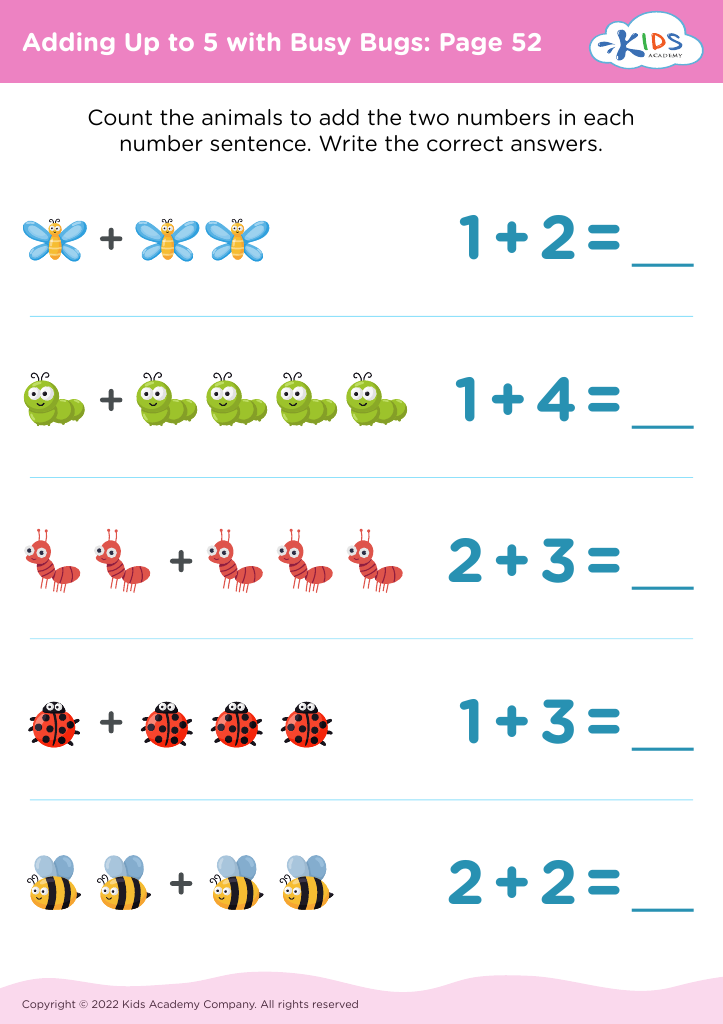
Adding Up to 5 with Busy Bugs: Page 52
Worksheet
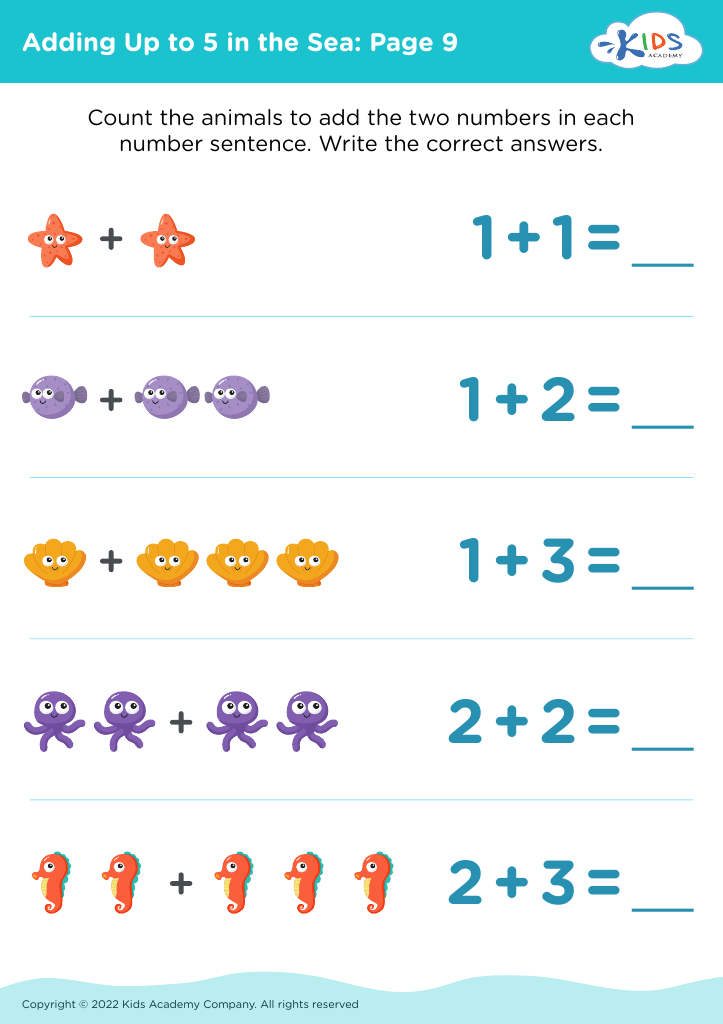
Adding Up to 5 in the Sea: Page 9

Adding Up to 5 in the Sea: Page 9

Adding Up to 5 in the Sea: Page 9
Worksheet
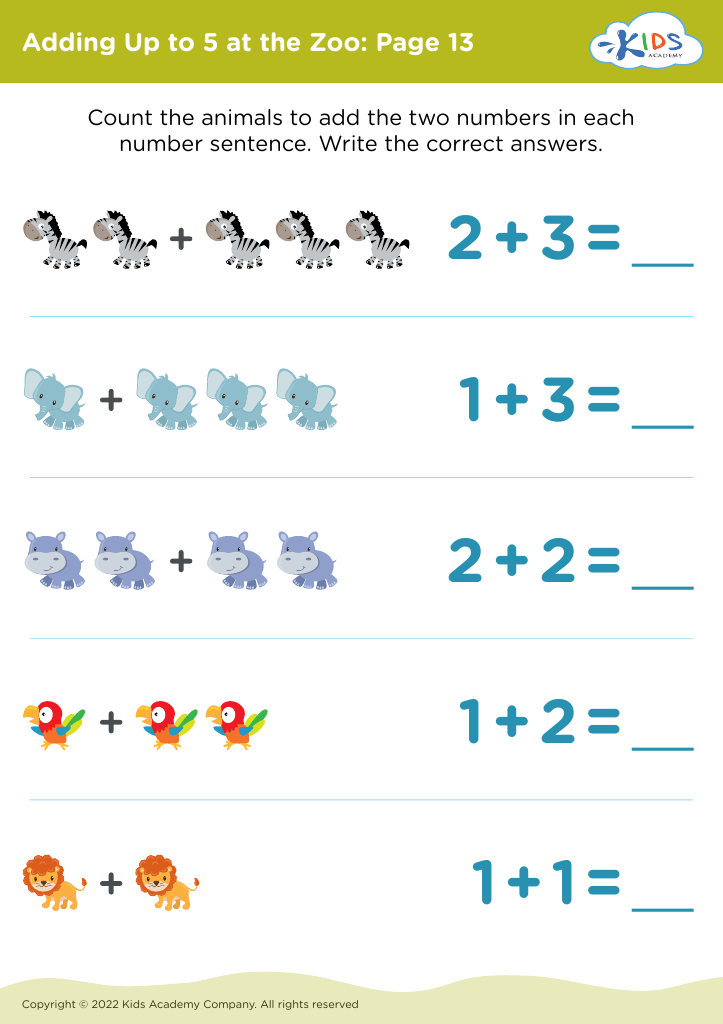
Adding Up to 5 at the Zoo: Page 13
Worksheet
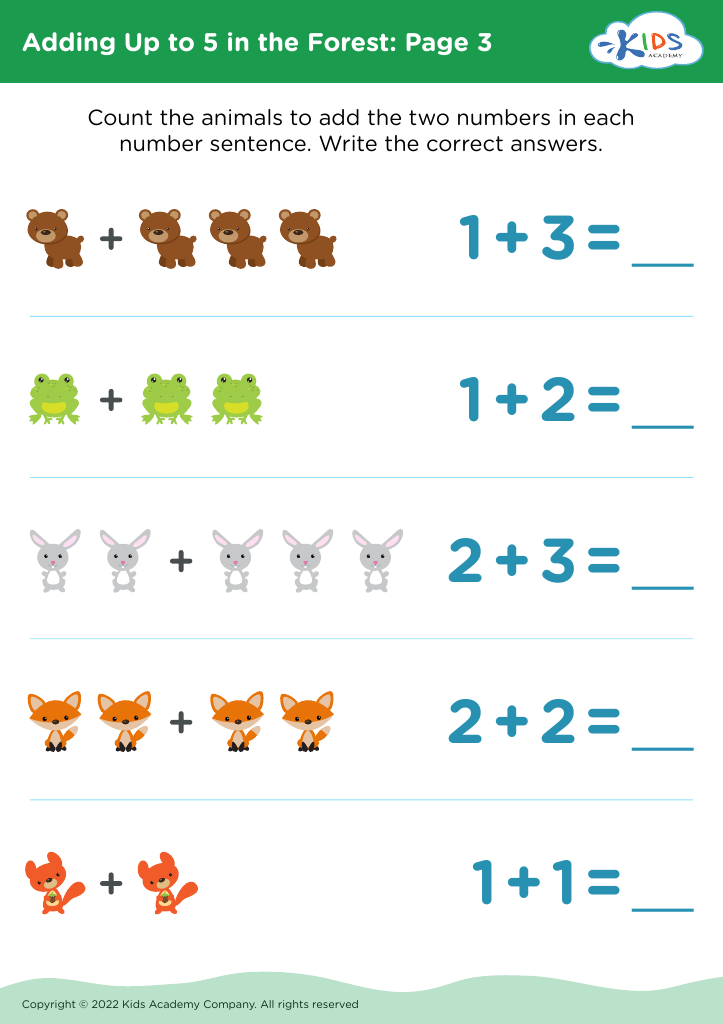
Adding Up to 5 in the Forest: Page 3
Worksheet
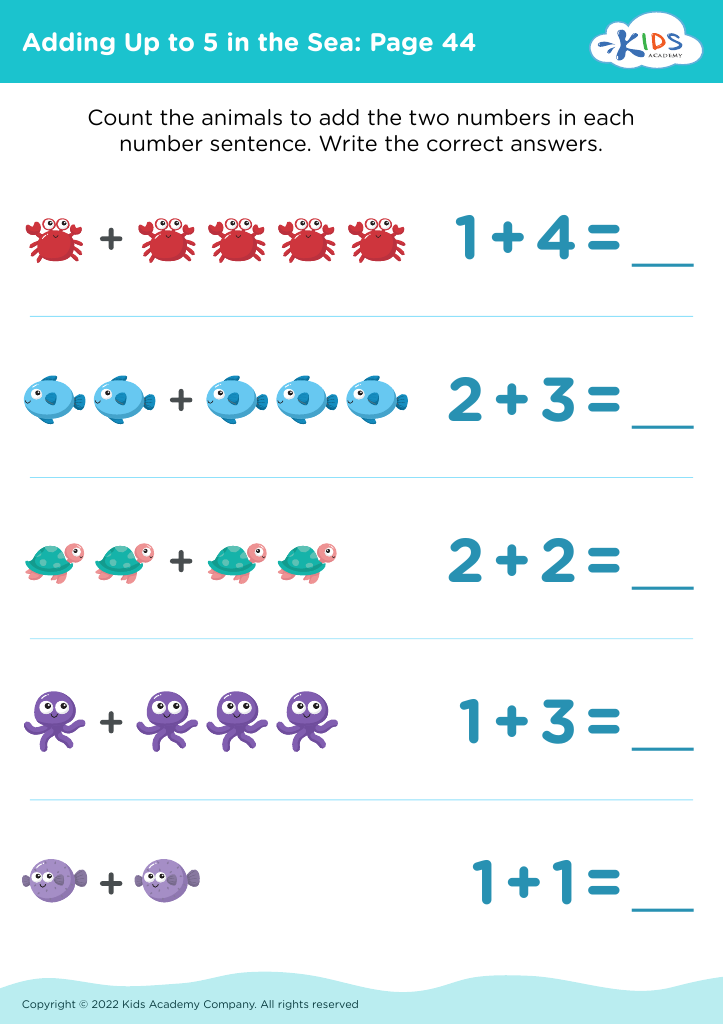
Adding Up to 5 in the Sea: Page 44
Worksheet
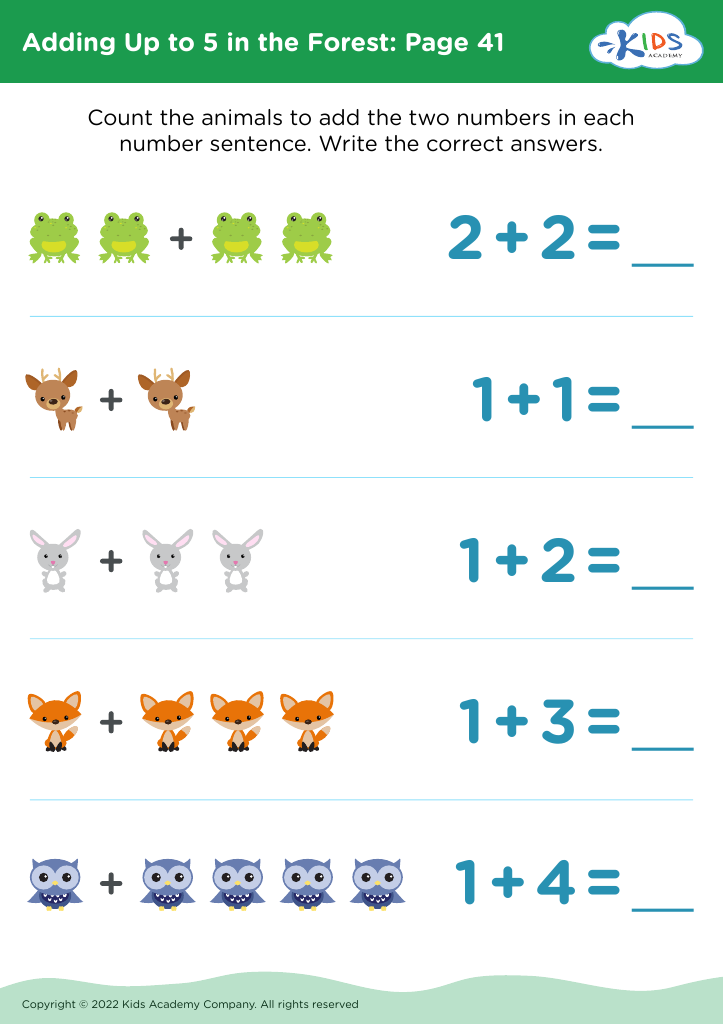
Adding Up to 5 in the Forest: Page 41
Worksheet


... 9 10

Counting practice and addition for 4-year-olds are essential components of early childhood education that significantly impact a child's foundational math skills. At this age, children are naturally curious and eager to explore numbers, making it an ideal time to introduce counting and basic addition concepts. Engaging them in these activities fosters critical thinking and problem-solving abilities.

Parents and teachers should care because counting not only enhances numerical skills but also reinforces cognitive development. As children count objects, they strengthen their understanding of quantity, which builds a strong base for future mathematical concepts. Early exposure to addition through playful activities—like using toys or everyday items—makes learning enjoyable, promoting a positive attitude towards math.

Additionally, counting and addition exercises boost fine motor skills and hand-eye coordination, particularly when incorporating manipulatives like blocks or counters. These skills are crucial as children progress in their education. Moreover, mastering basic math instills confidence and lays the groundwork for more complex concepts as they advance in school. By prioritizing counting and addition in early education, parents and teachers nurture not just math readiness but a lifelong love for learning, ensuring children are well-equipped for future academic success.