Basic Addition Math Worksheets for 4-Year-Olds - Page 2
38 filtered results
-
From - To
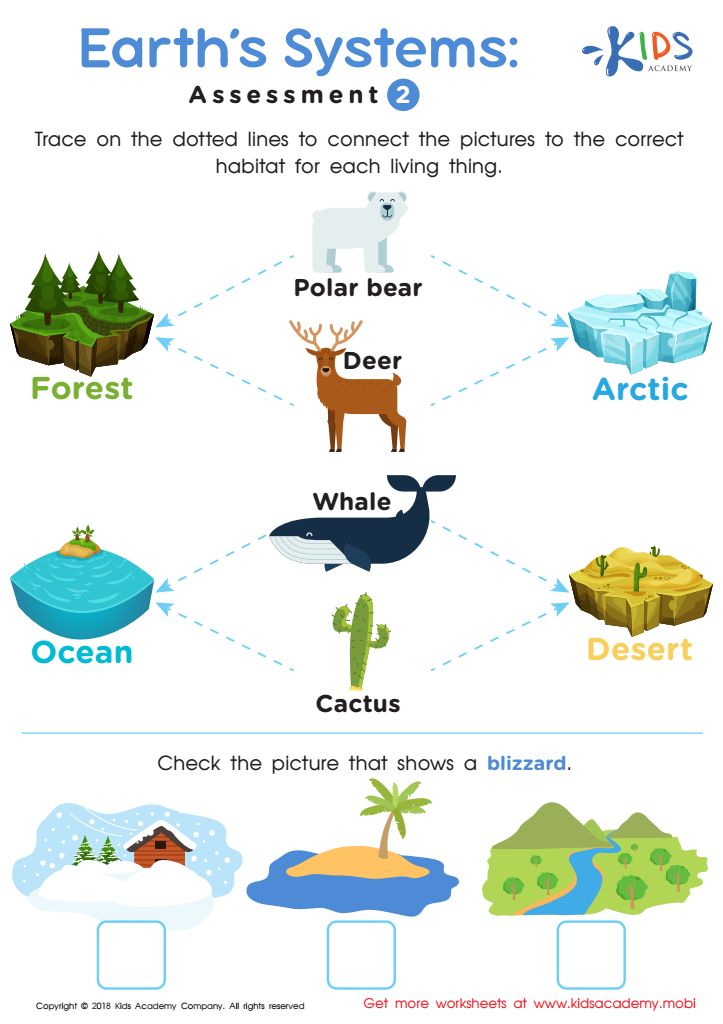
Earth's Systems: Assessment 2
 Assign to My Students
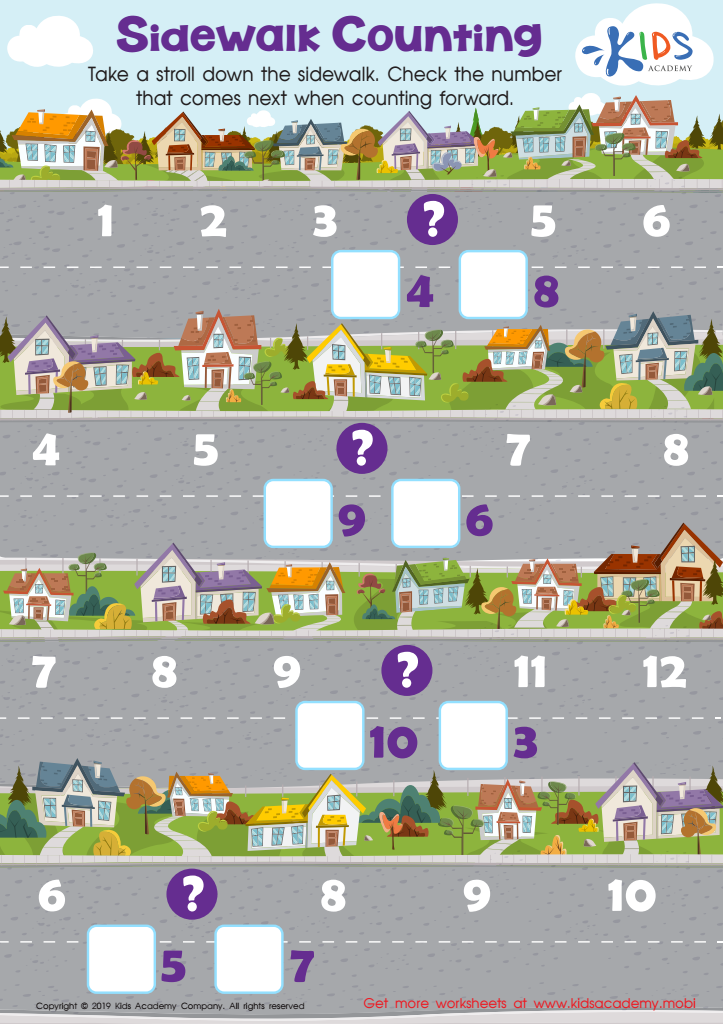
Sidewalk Counting Worksheet
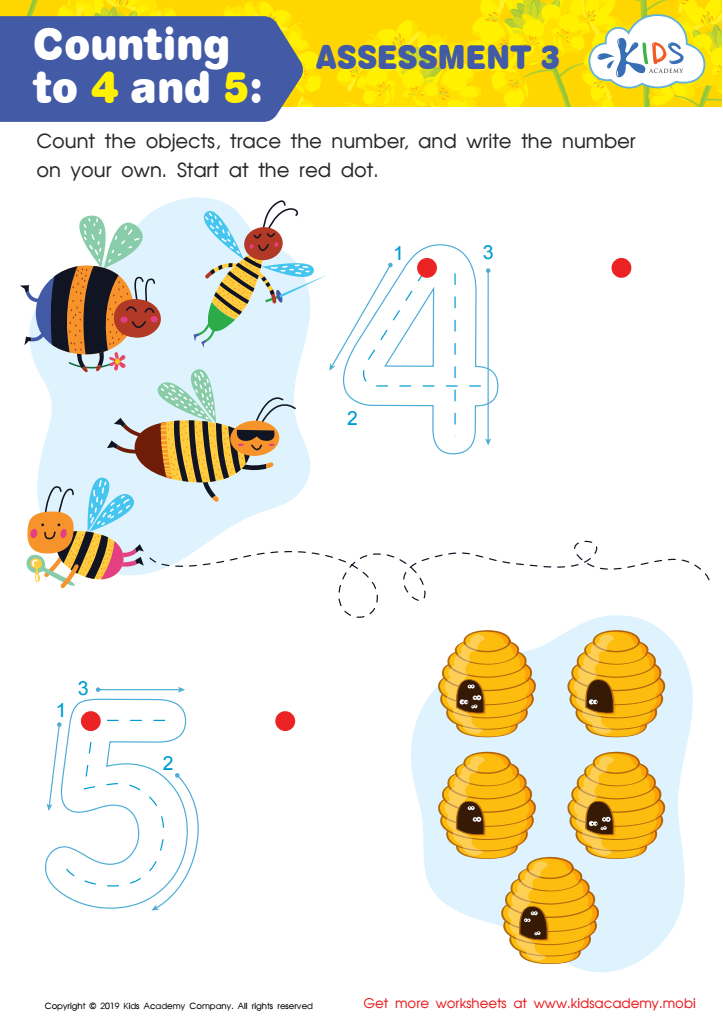
Counting to 4 and 5: Assessment 3 Worksheet
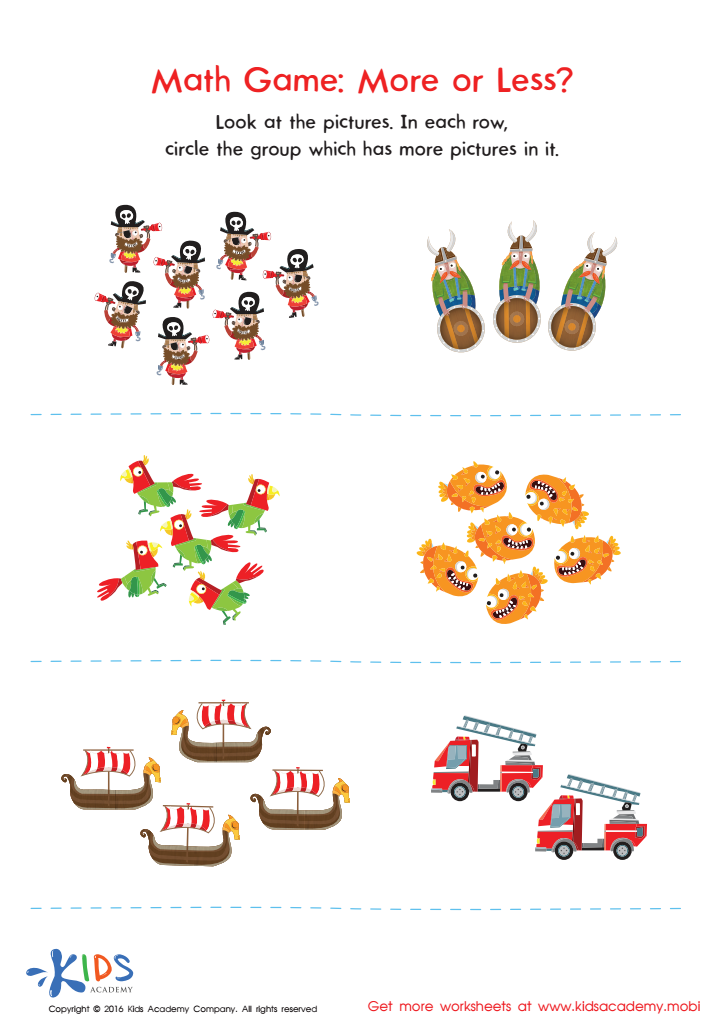
More or Less Worksheet
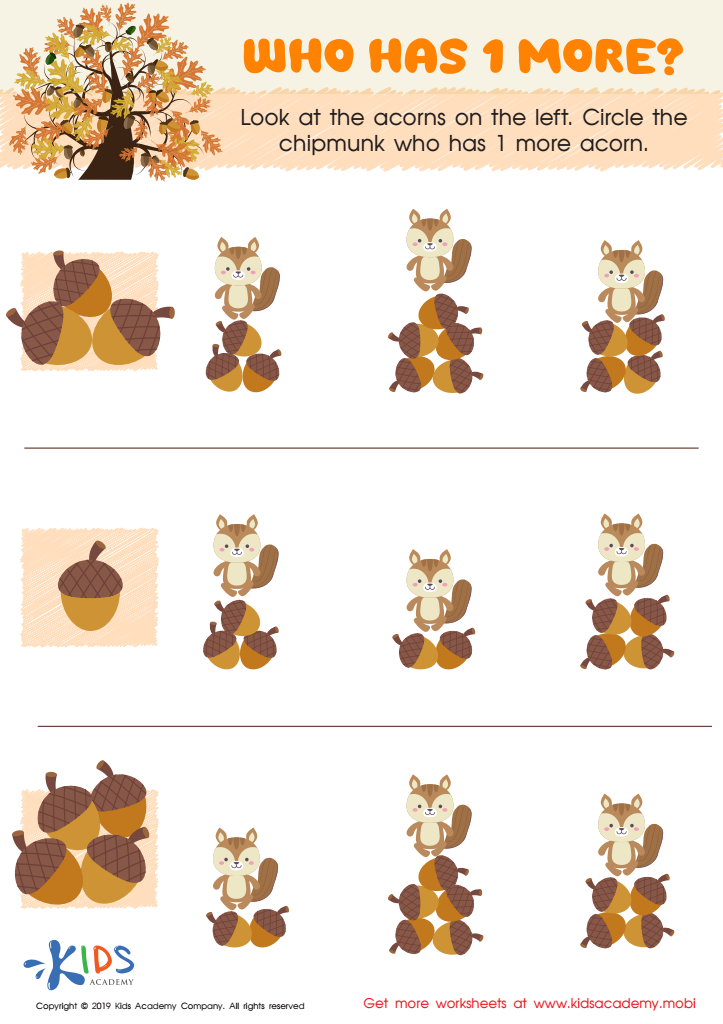
Who Has 1 More? Worksheet
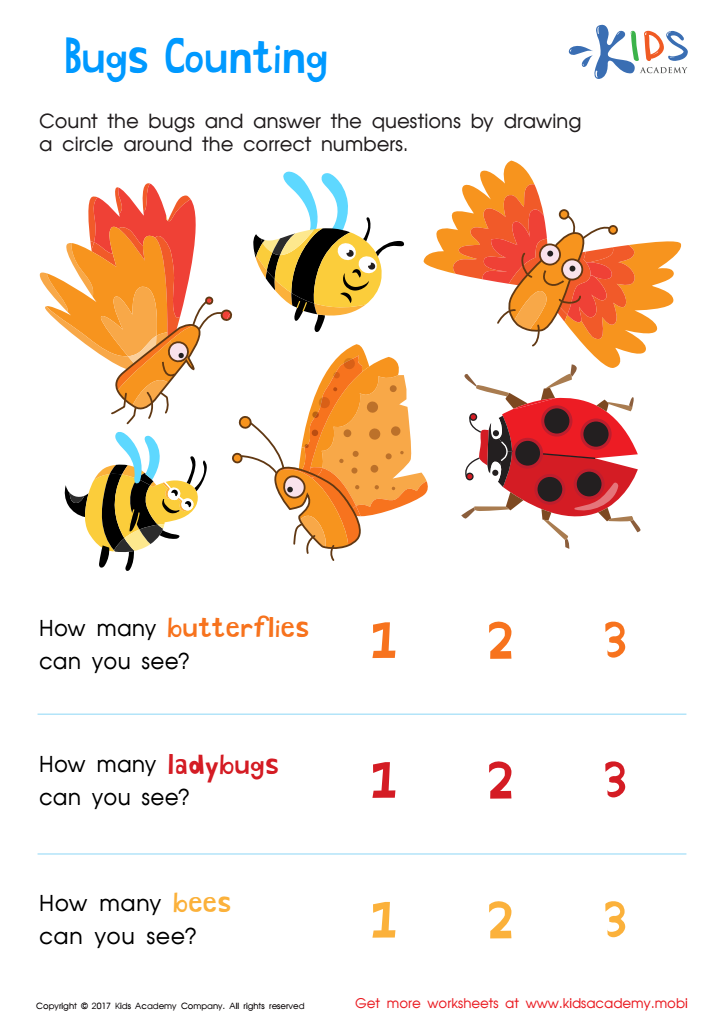
Bugs Counting Worksheet
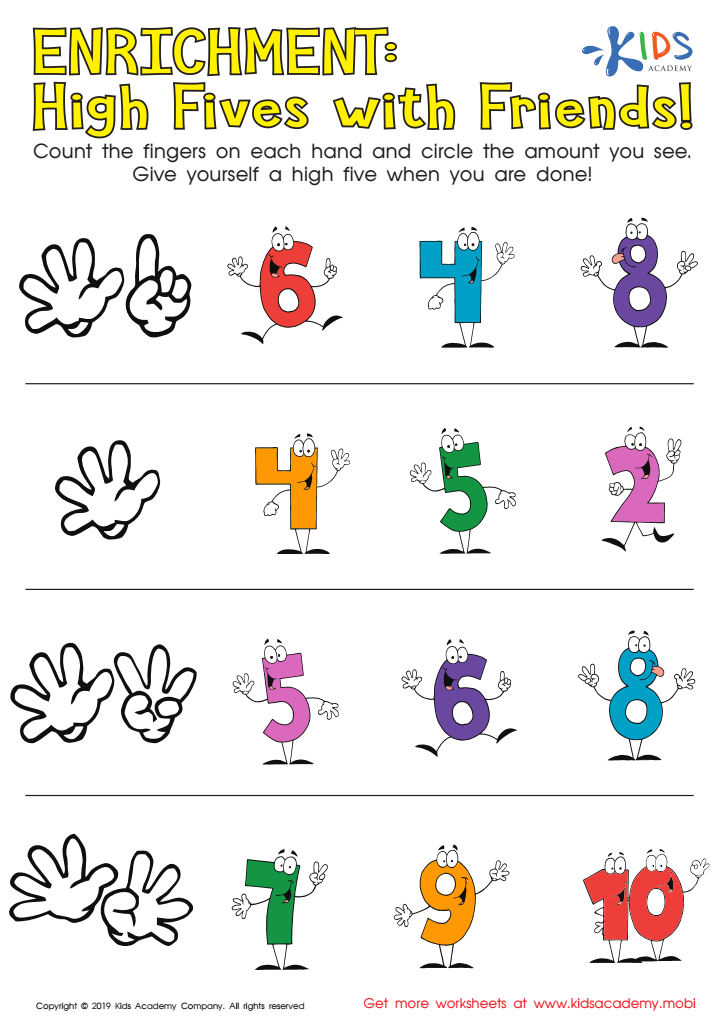
Enrichment: High Fives with Friends! Worksheet
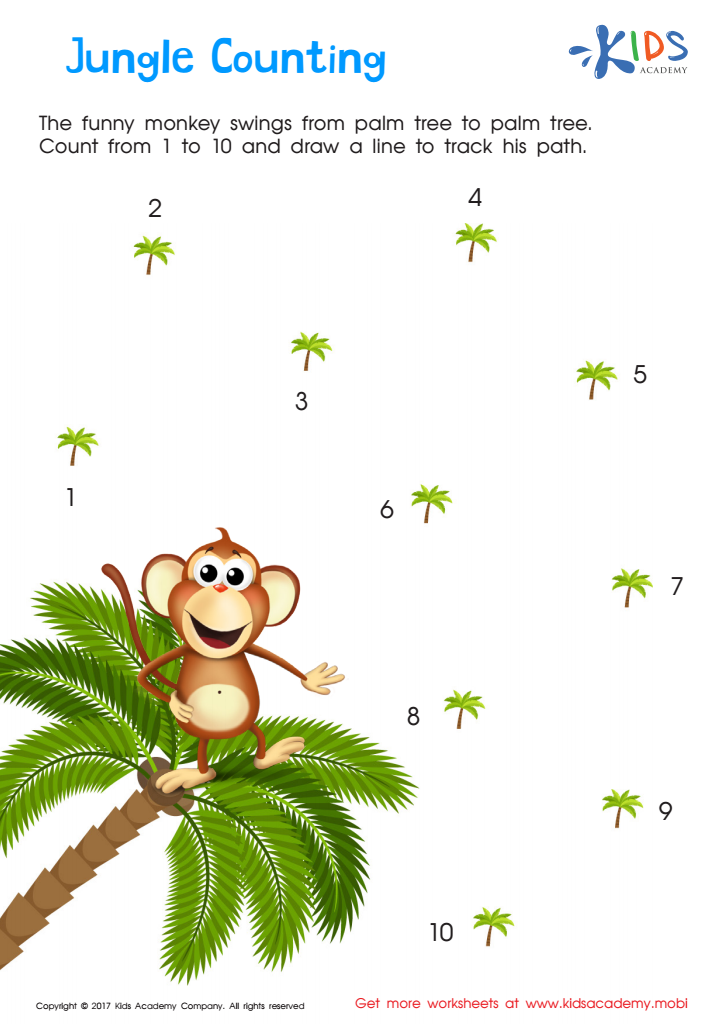
Jungle Counting Connect Dots Worksheet
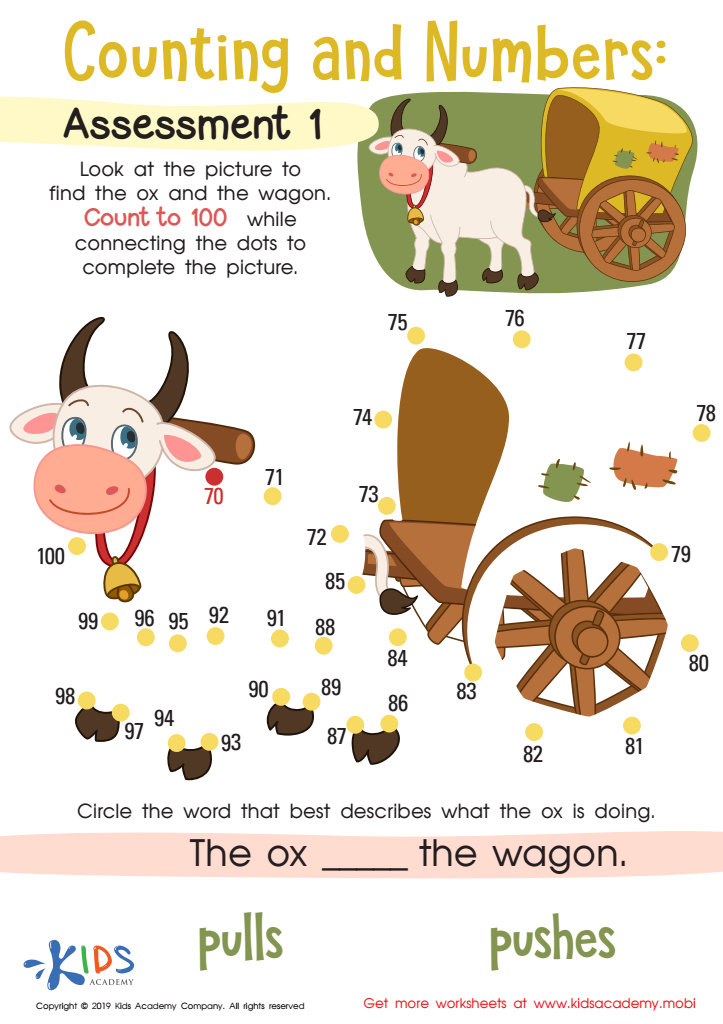
Counting and Numbers: Assessment 1 Worksheet
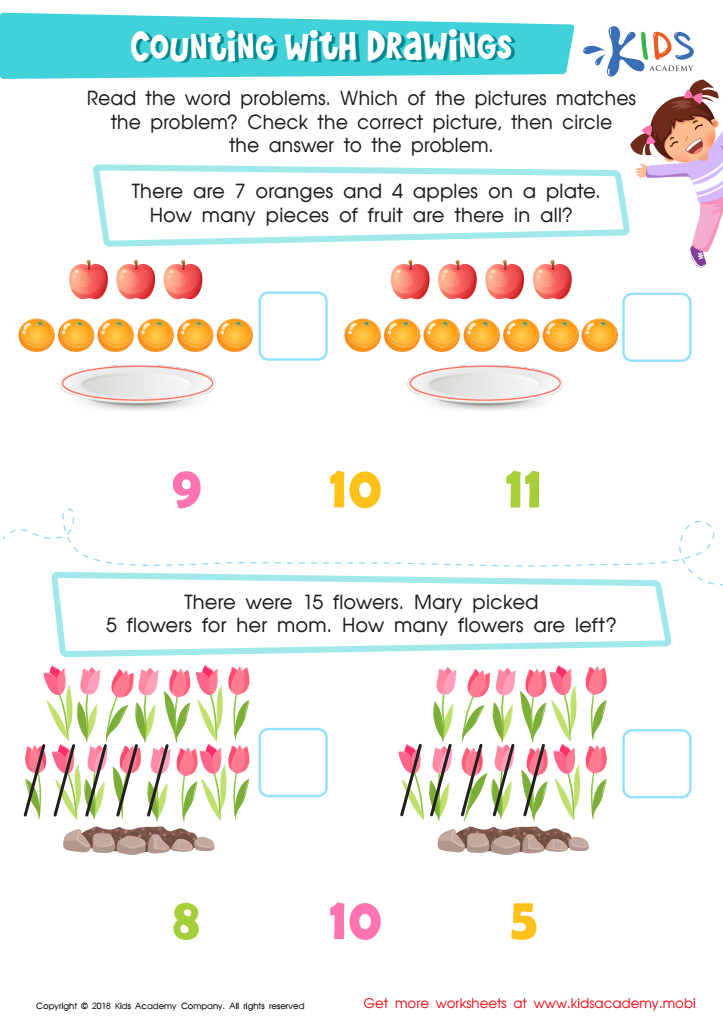
Counting with Drawings:Fruits & Flowers Worksheet
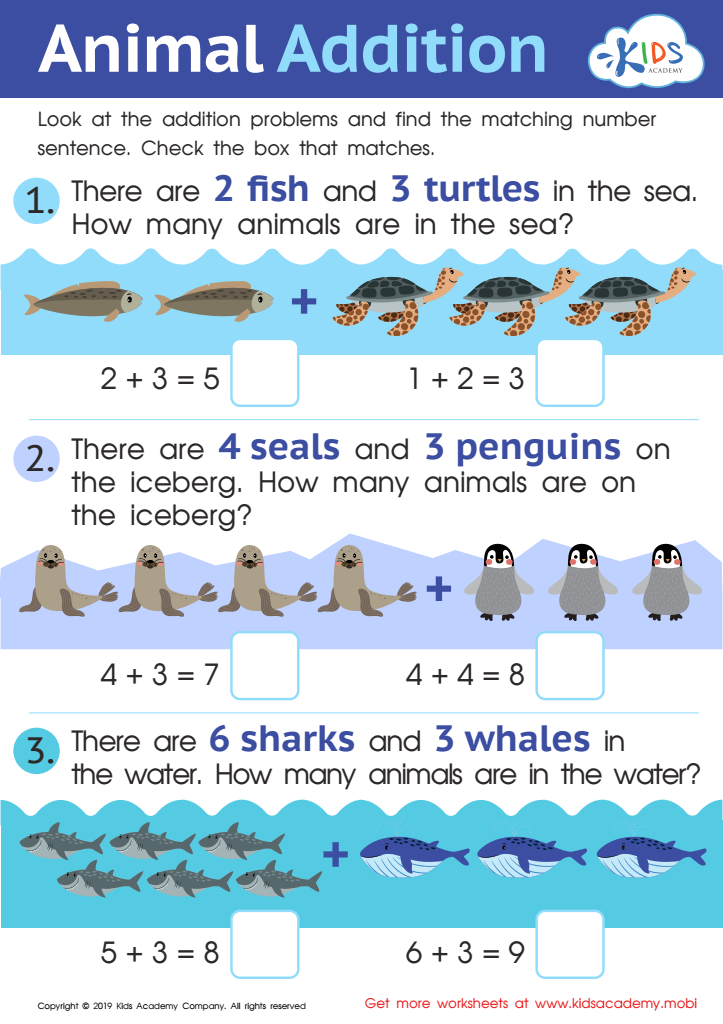
Animal Addition Worksheet
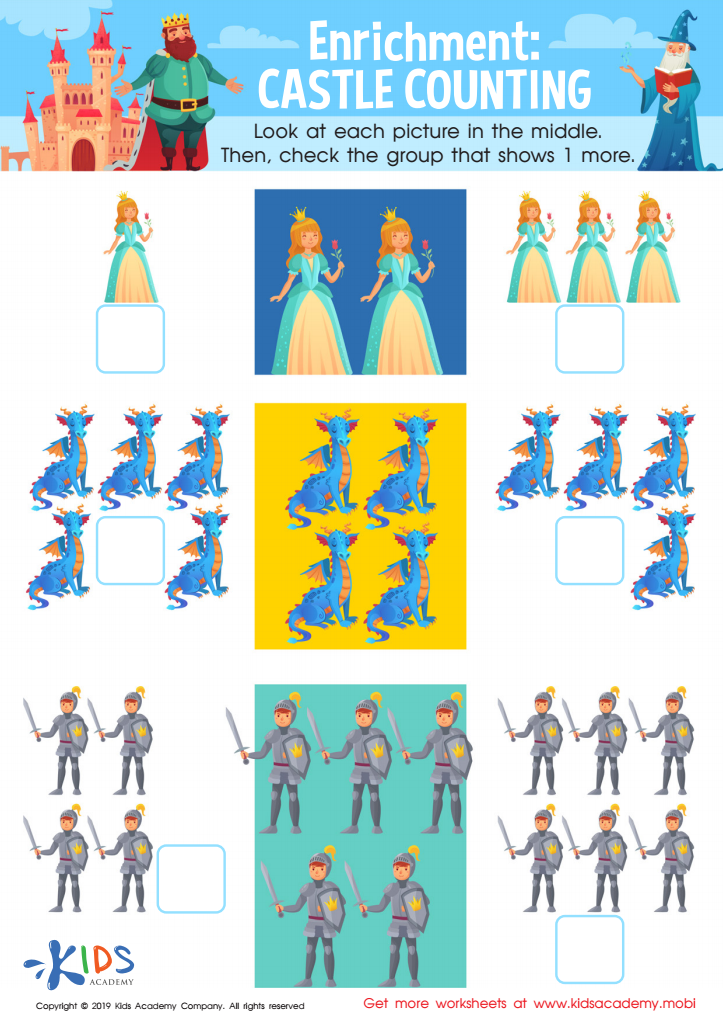
Enrichment: Castle Counting Worksheet
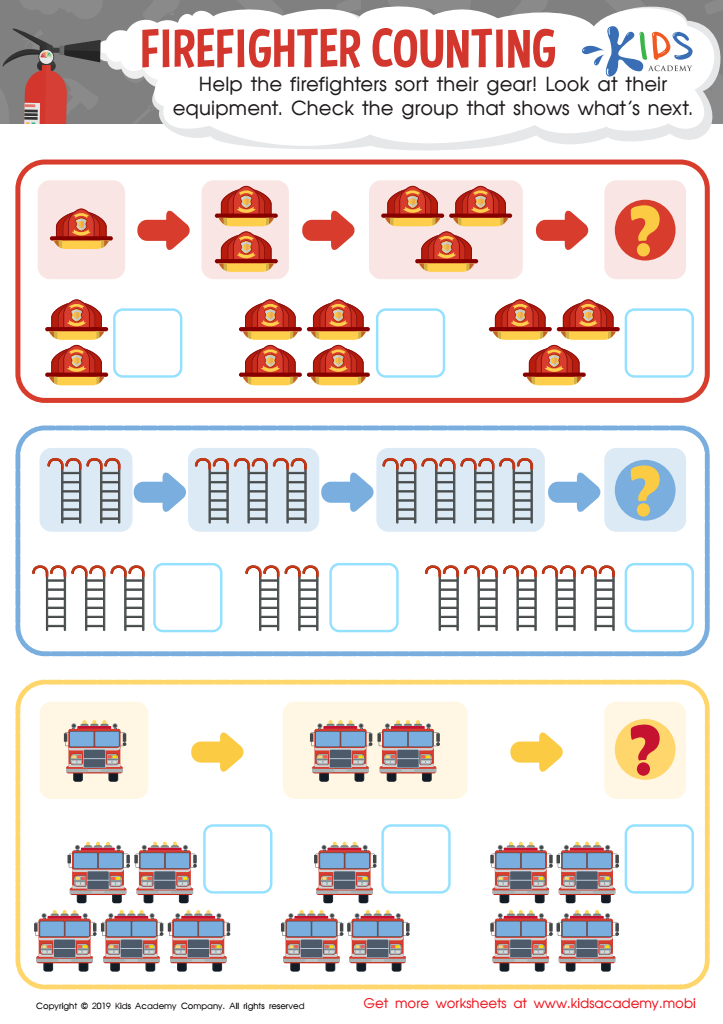
Firefighter Counting Worksheet
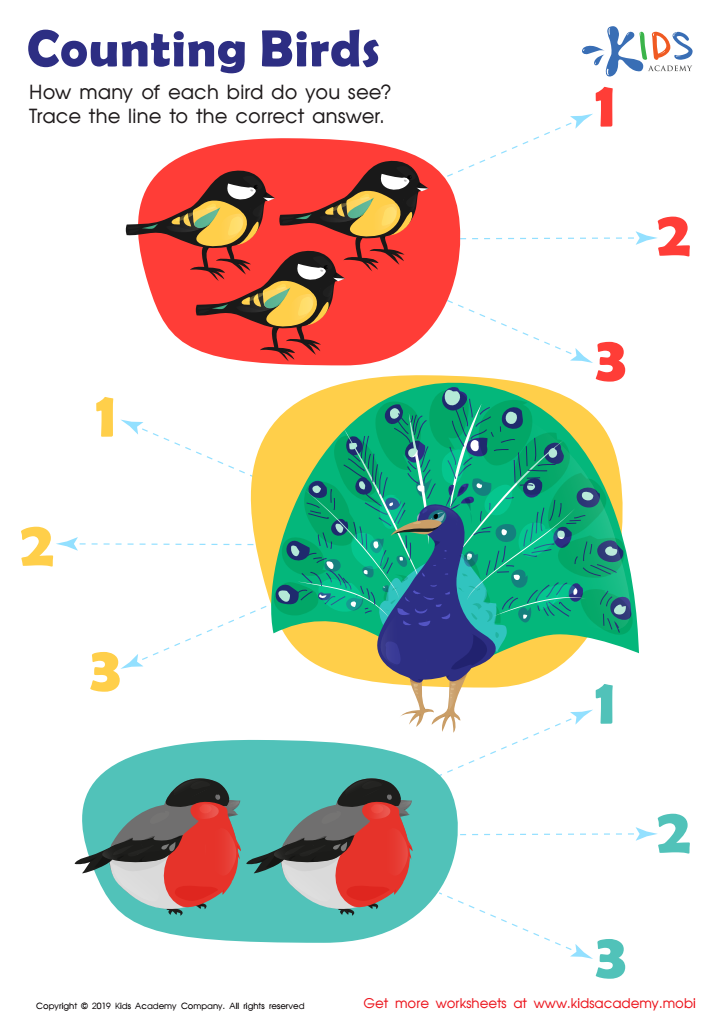
Counting Birds Worksheet







Teaching basic addition to 4-year-olds is crucial for several reasons pertinent to their cognitive and social development. At this stage, their brains are particularly receptive to learning new concepts, and fostering early math skills can set a robust foundation for future academic success. When parents and teachers introduce basic addition, they stimulate the child’s problem-solving and logical thinking abilities, which are essential skills not just in math, but in everyday life.
Basic addition also supports the development of fine motor skills and hand-eye coordination, especially when children use physical objects like blocks or beads to count and add. Recognizing the relationship between numbers enhances their ability to understand abstract concepts later on. Further, familiarity with math terminology and concepts at an early age diminishes anxiety around the subject, promoting positive attitudes towards learning.
Moreover, incorporating basic addition within everyday activities makes learning spontaneous and fun, providing a natural context for practicing social skills like sharing and collaboration. For example, adding together snacks can turn into an interactive and cooperative game.
By caring about basic addition early on, parents and teachers not only equip children with essential academic skills but also nurture their intellectual curiosity and joy for learning, ultimately contributing to a well-rounded early education experience.








