Basic Math understanding Math Worksheets for 4-Year-Olds
10 filtered results
-
From - To
Discover our engaging Basic Math Understanding Worksheets designed specifically for 4-year-olds! These worksheets introduce young learners to fundamental math concepts in a fun and interactive way. Each worksheet focuses on skills such as counting, number recognition, and simple addition and subtraction, helping to build a strong mathematical foundation. With colorful illustrations and playful exercises, children will develop their problem-solving abilities and boost their confidence in math. Ideal for parents and educators, these printable resources provide valuable learning opportunities that make math enjoyable for preschoolers. Foster a love for numbers early on and watch your child thrive! Explore our collection today!
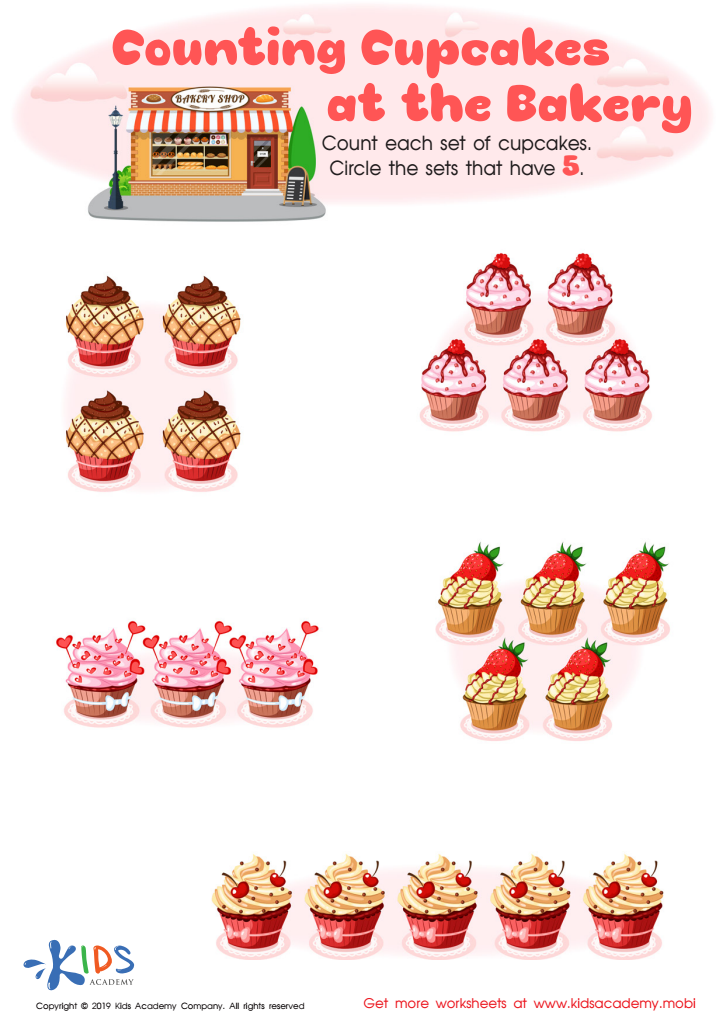
Counting Cupcakes Worksheet
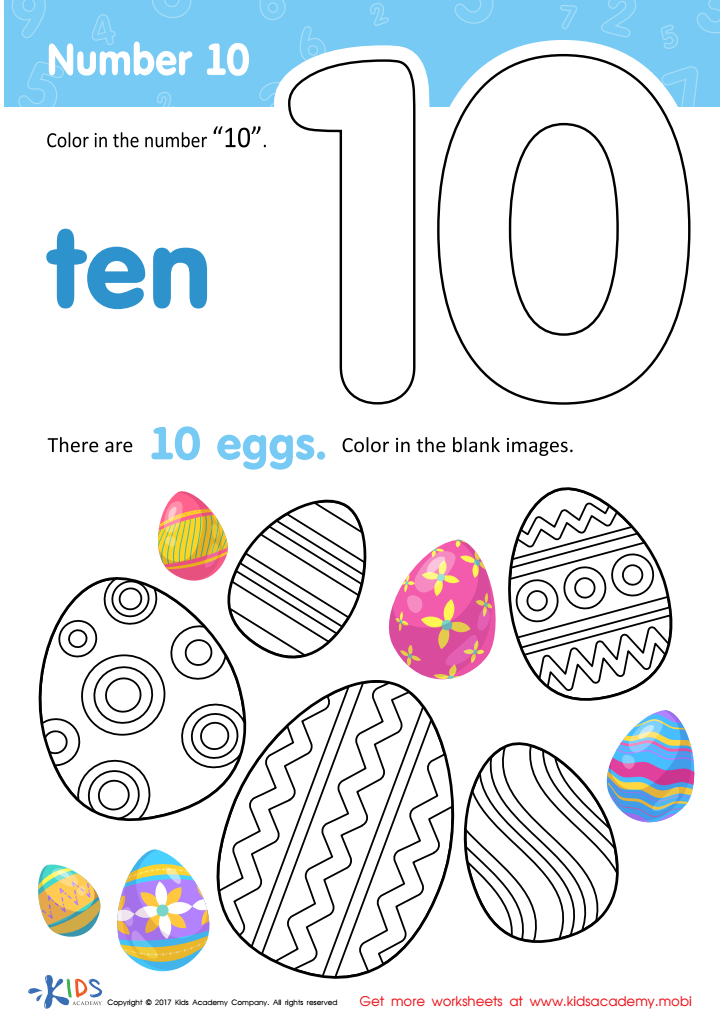
Number 10 Printable
 Assign to My Students
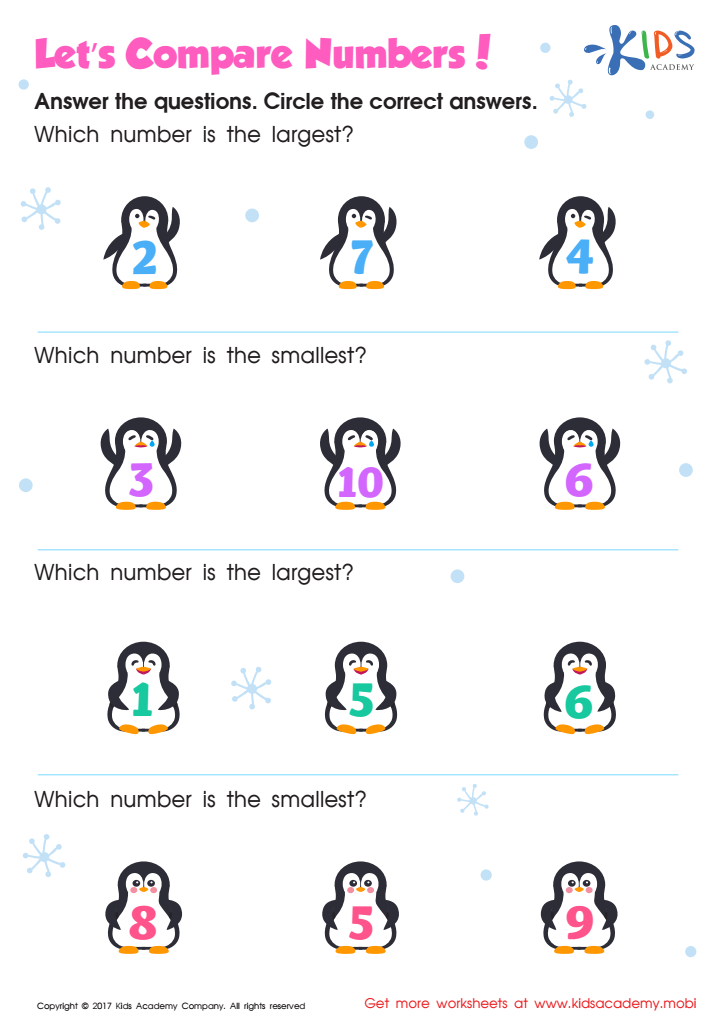
Comparing Numbers 1–10 Worksheet Kindergarten
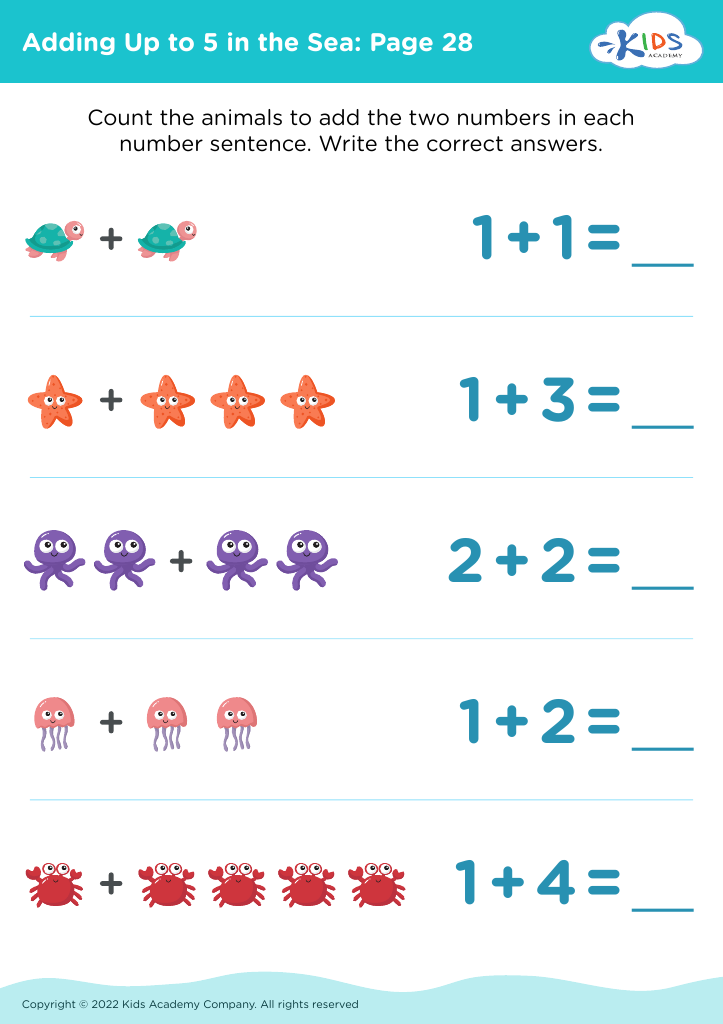
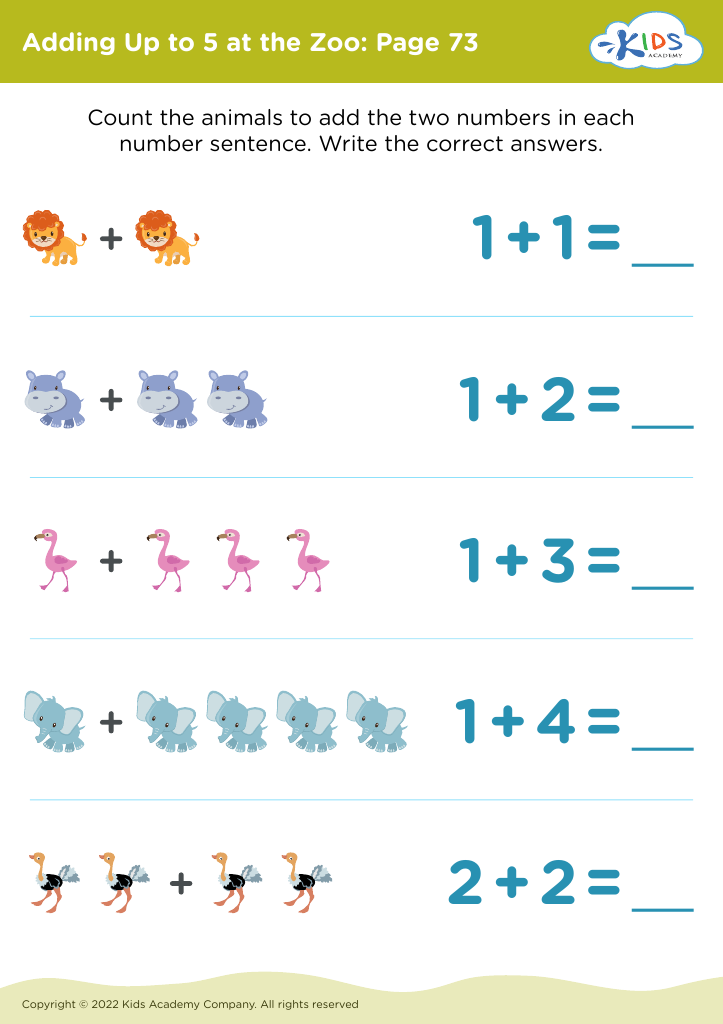
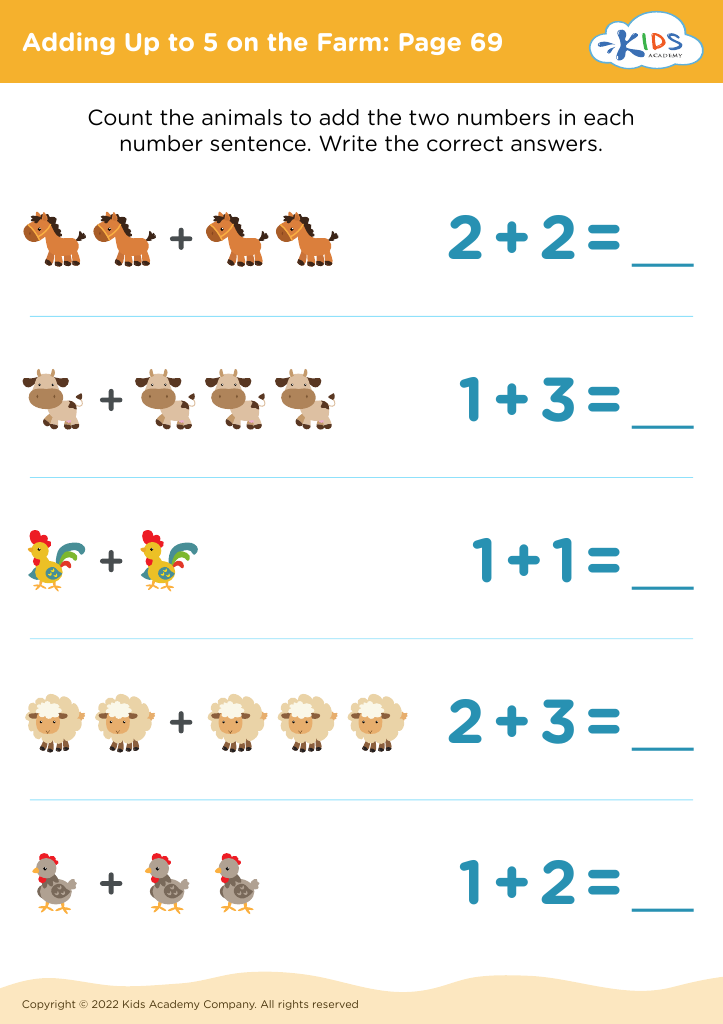
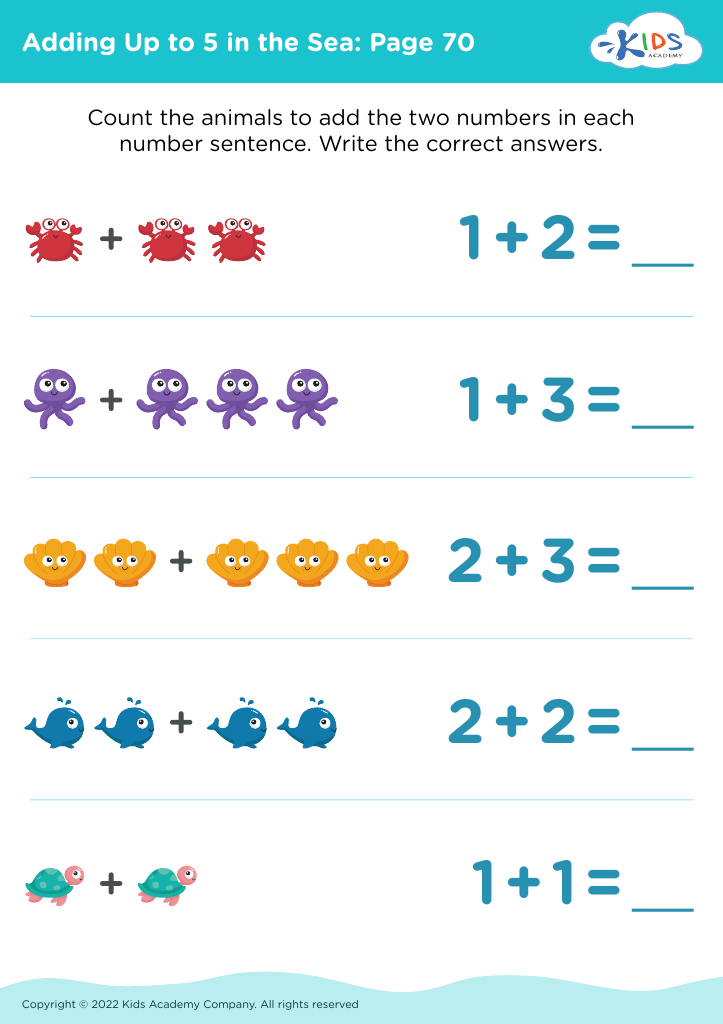
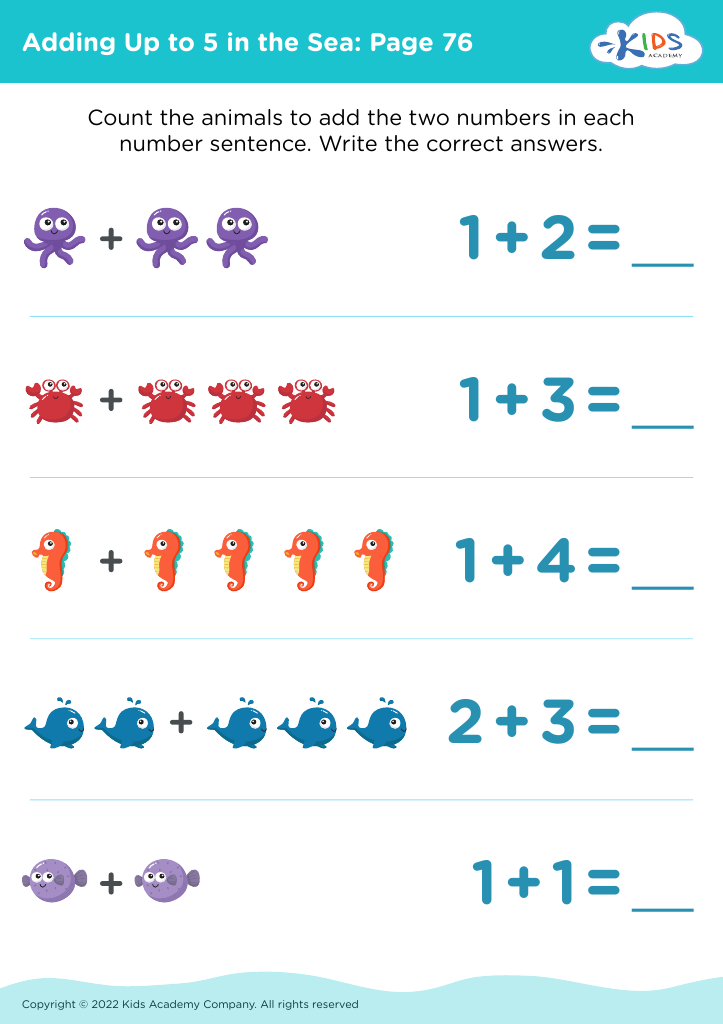
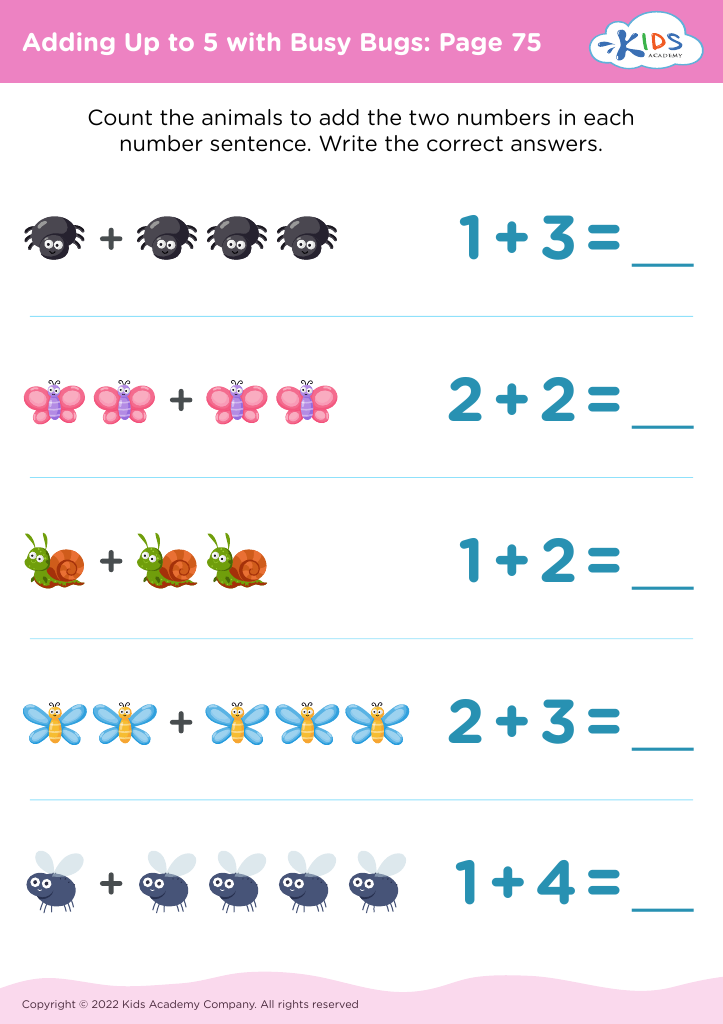
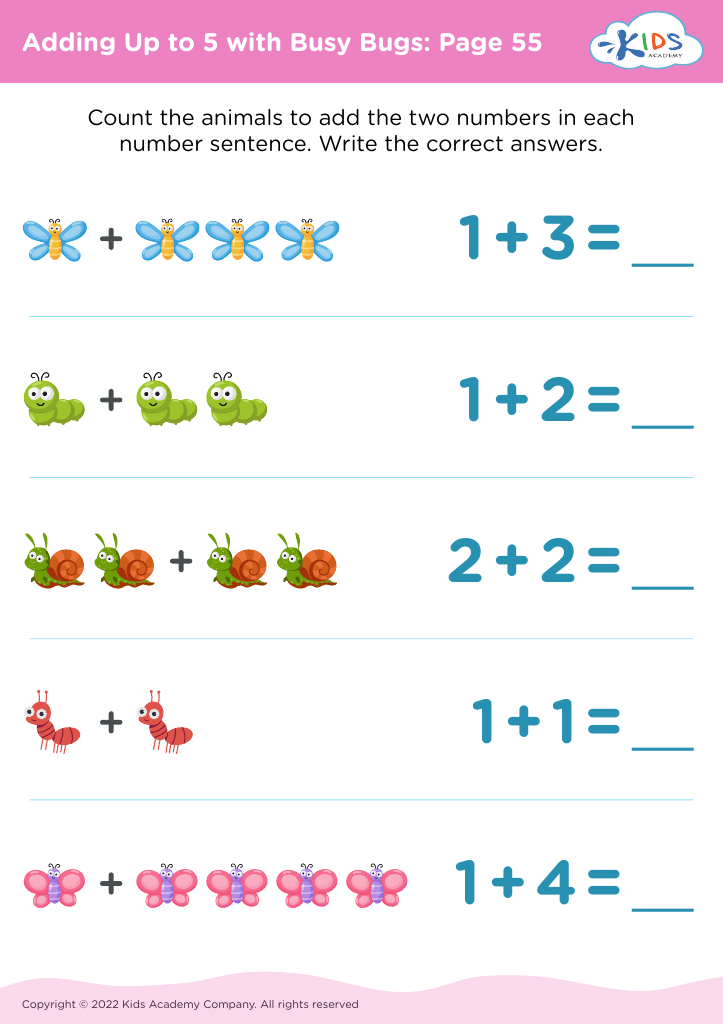








Understanding basic math concepts at an early age is critical for 4-year-olds as it lays the foundation for future academic success. During these formative years, children develop essential cognitive skills, and math learning is a significant part of this process. By integrating mathematical understanding into daily activities, parents and teachers can enhance a child’s problem-solving abilities, critical thinking, and logic.
Math instruction at this age does not have to be formal; it can be woven into playtime, storytelling, and everyday routines. Simple activities, such as counting toys, sorting objects by size or color, or even sharing snacks can help children grasp fundamental concepts like counting, addition, or subtraction intuitively.
Moreover, early math knowledge promotes confidence and a positive attitude toward learning, reducing anxiety about math in later years. Research has shown that children with strong early math skills perform better academically throughout their schooling. For parents and teachers, prioritizing basic math understanding is an investment in a child's future learning journey, equipping them with vital skills that transcend math and enhance overall intellectual development. Engaging with math at a young age can set children on a path toward lifelong learning and success.








