Logical thinking development Math Worksheets for 4-Year-Olds
5 filtered results
-
From - To
Nurture your child's logical thinking skills with our engaging Math Worksheets designed specifically for 4-year-olds! These worksheets feature fun, interactive activities that help young learners develop critical thinking, problem-solving, and intuitive reasoning. Each worksheet incorporates colorful visuals and age-appropriate exercises that capture children's attention while enhancing their cognitive abilities. Our carefully crafted materials aim to build a strong foundation in math concepts like patterns, sequences, and classifications to prepare them for future learning. Explore our variety of worksheets and watch your child develop essential logical reasoning skills in a fun and enjoyable way! Perfect for home or classroom use.
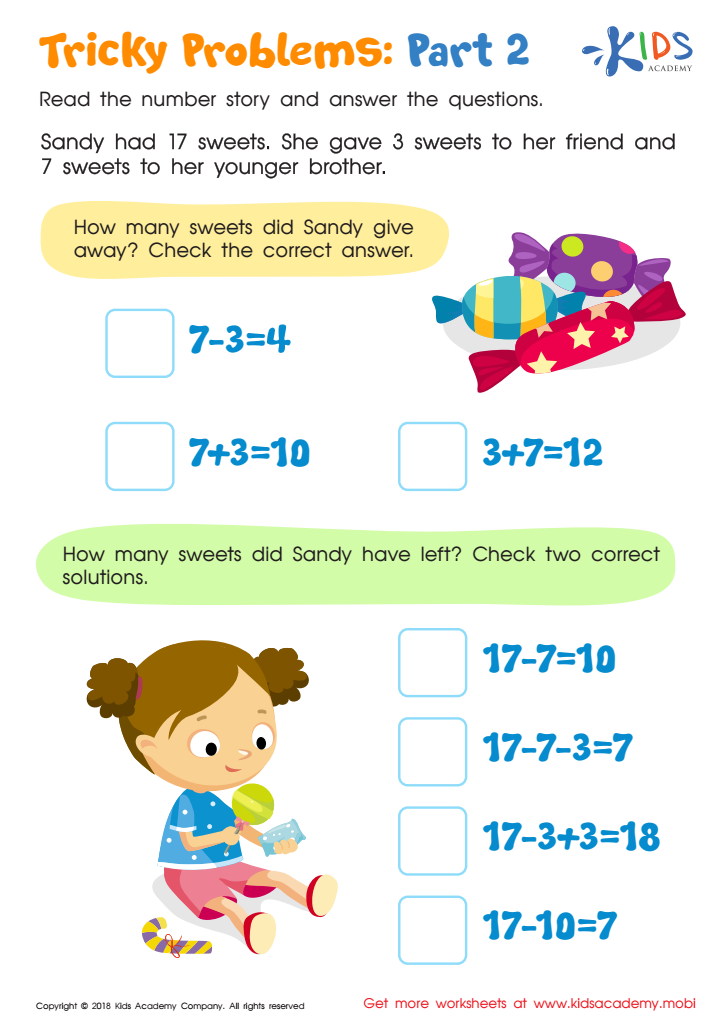
Tricky Problems Worksheet: Part 2
 Assign to My Students
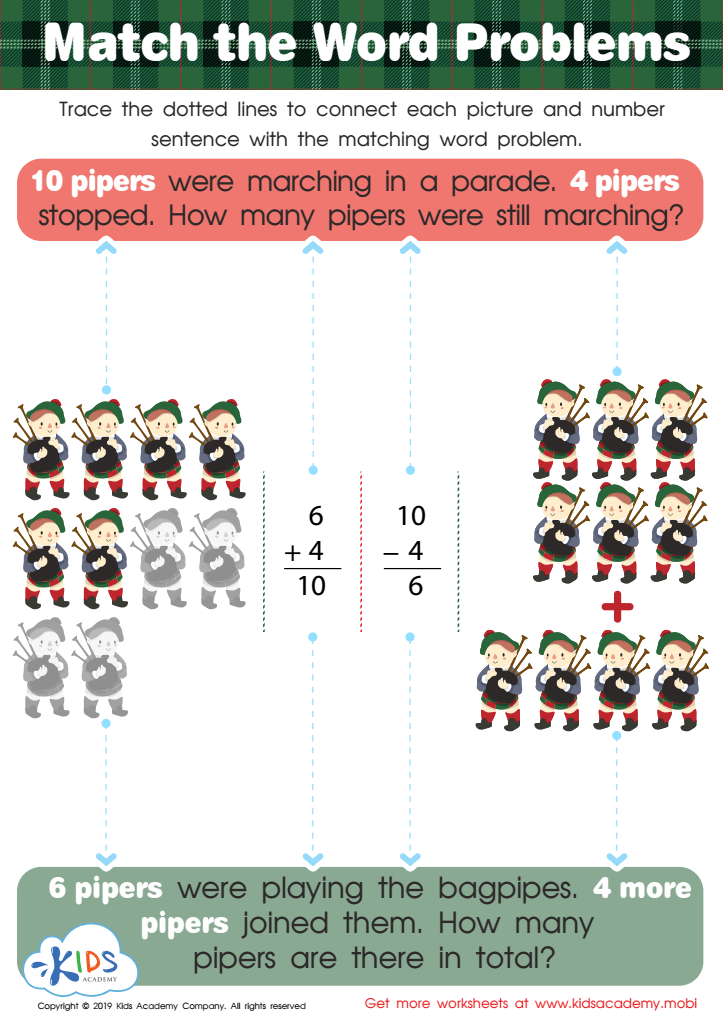
Match the Word Problems Worksheet
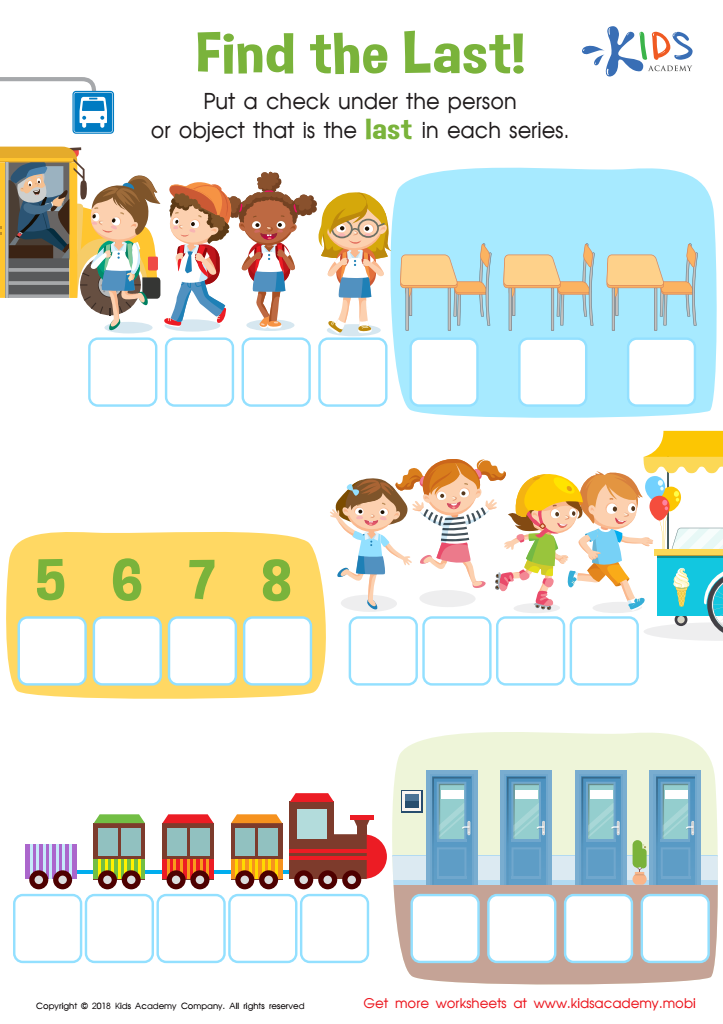
Find the Last! Worksheet
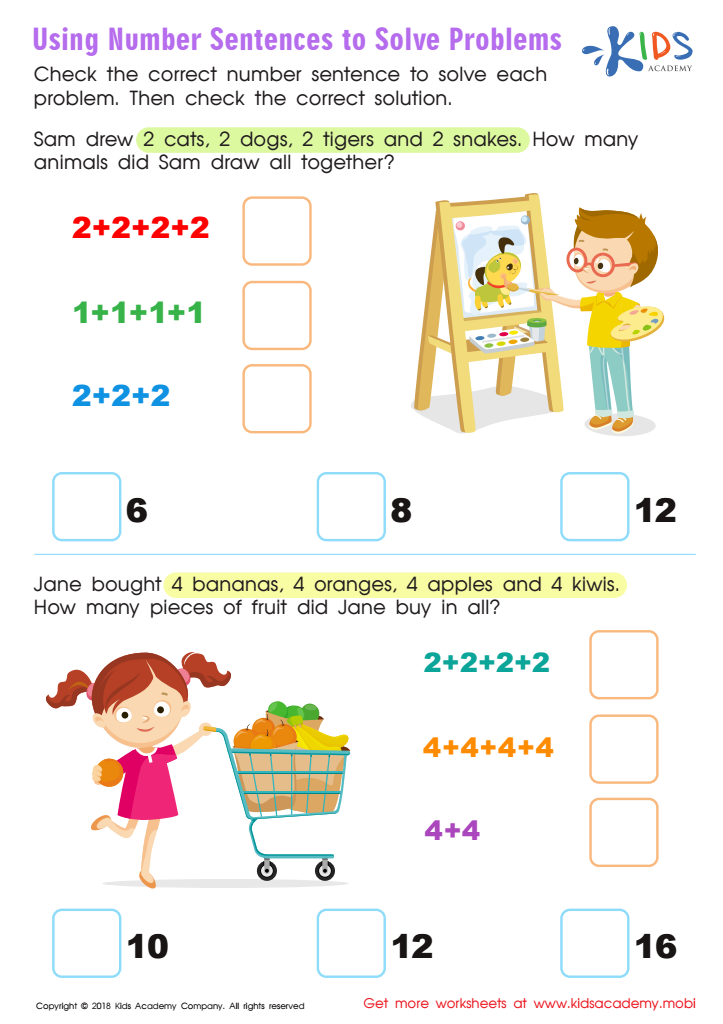
Using Number Sentences to Solve Problems Worksheet
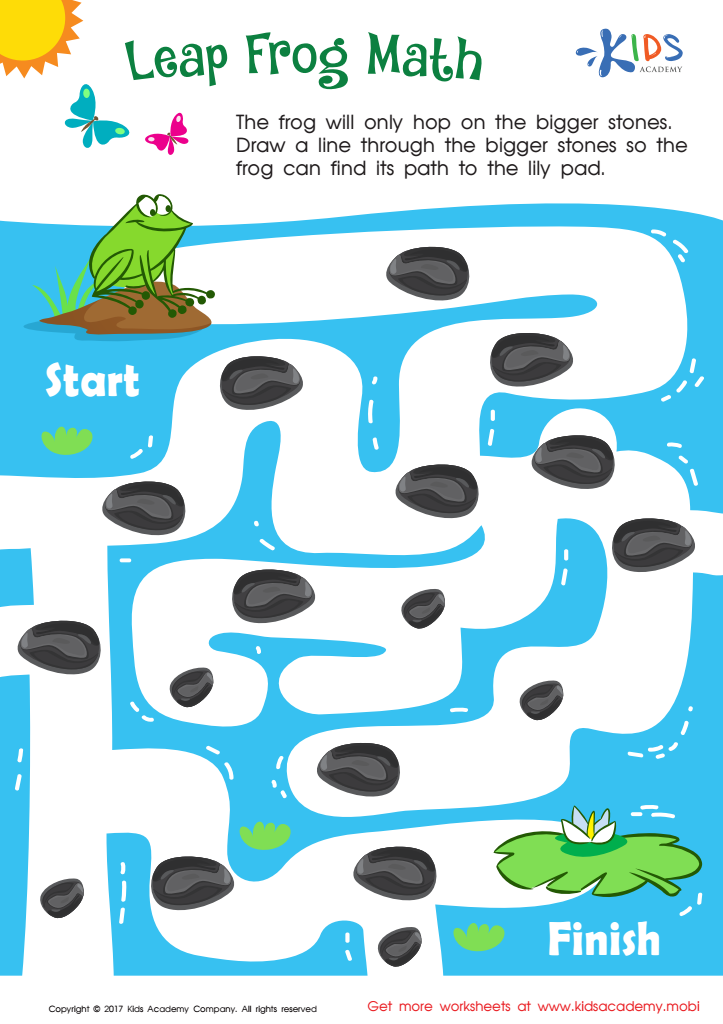
Math Puzzle Worksheet








Parents and teachers should prioritize the development of logical thinking skills in 4-year-olds through math activities, as this foundational skill significantly influences overall cognitive development. At this age, children are naturally curious and eager to explore patterns, relationships, and problem-solving. Engaging in math-based activities not only sharpens their reasoning abilities but also enhances critical thinking, which is essential for academic success later on.
Logical thinking helps children make connections between different concepts, fostering an understanding of numbers, shapes, and quantities. When children manipulate objects, sort items, or solve simple puzzles, they learn to analyze situations and make decisions based on logic rather than intuition. This approach lays the groundwork for more complex mathematical concepts they'll encounter in school.
Moreover, logical thinking promotes confidence and resilience, as children encounter challenges and learn to approach problems systematically. It encourages curiosity and a love for learning, traits that are vital for lifelong educational pursuits. Lastly, equipping children with robust logical thinking skills can improve their social interactions, aiding in communication and collaboration. Therefore, nurturing these skills through engaging math-related activities is a crucial responsibility for both parents and teachers.








