Mathematical thinking Math Worksheets for 4-Year-Olds
4 filtered results
-
From - To
Our "Mathematical Thinking Math Worksheets for 4-Year-Olds" are expertly designed to ignite a love for numbers in young learners. These engaging activities focus on building foundational math skills such as counting, pattern recognition, and problem-solving through fun, age-appropriate exercises. Each worksheet is thoughtfully crafted to make learning interactive and enjoyable for preschoolers, ensuring they develop critical mathematical thinking abilities. By practicing routinely, children gain confidence and eagerly explore the world of numbers. Ideal for parents and educators, these printable worksheets provide a seamless way to support early math education at home or in the classroom.
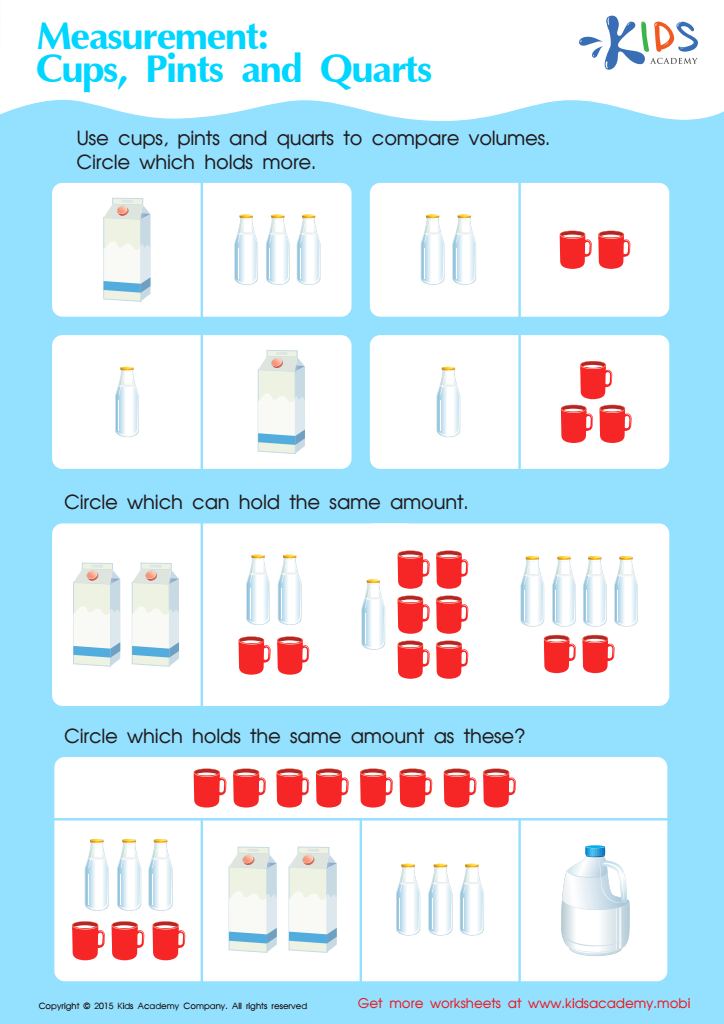
Measurement: Compare Volumes Worksheet
 Assign to My Students
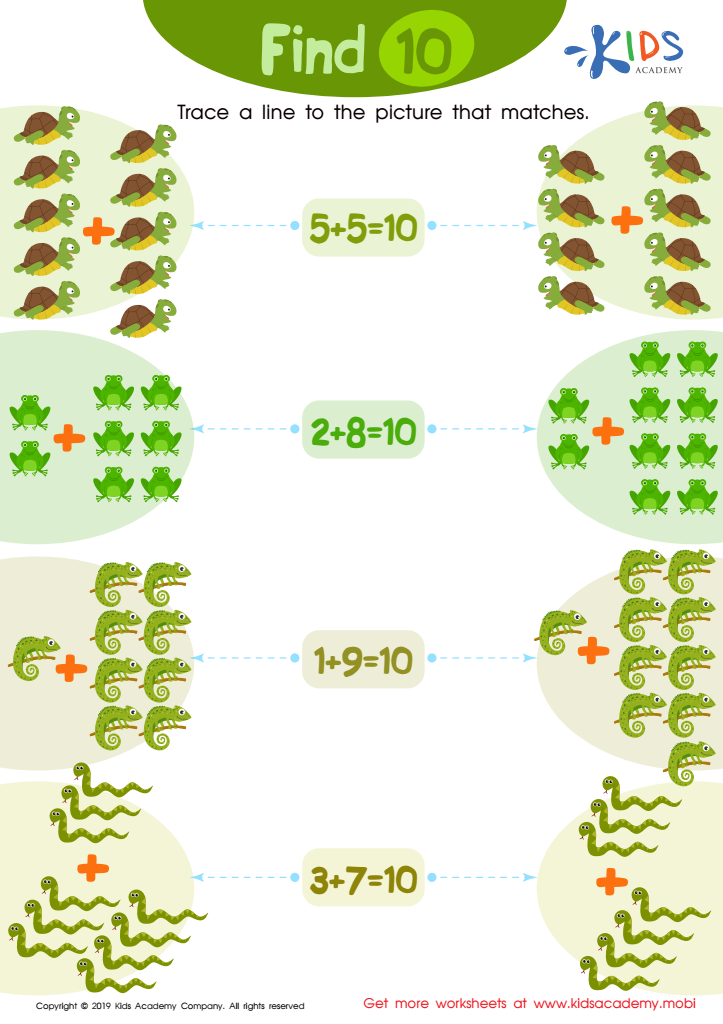
Find 10 Worksheet
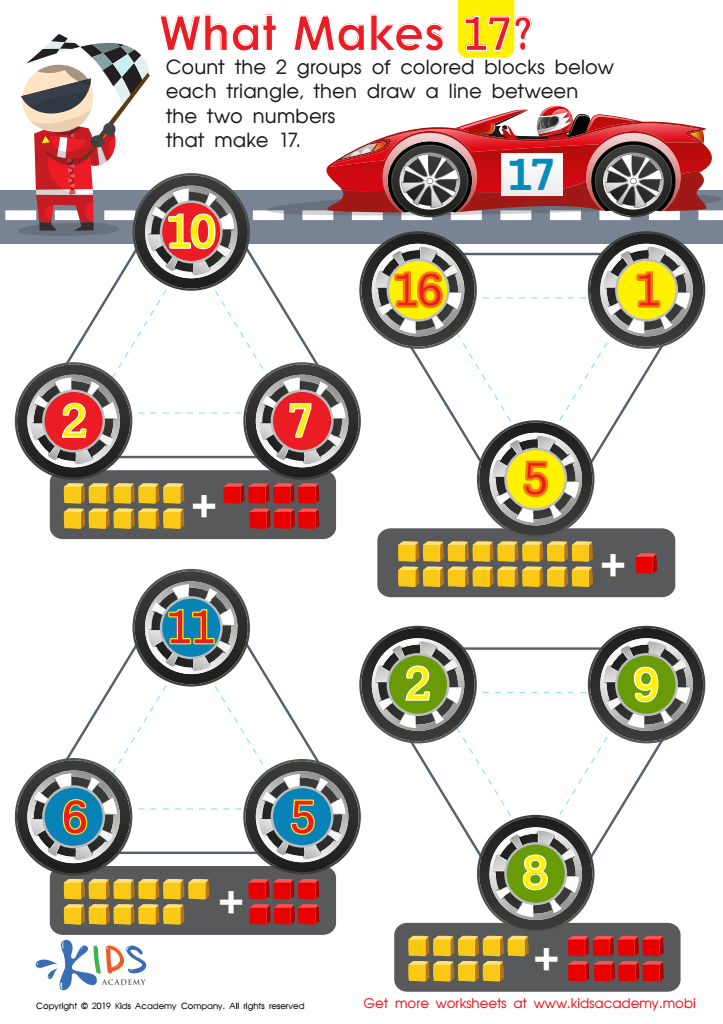
What Makes 17 Worksheet
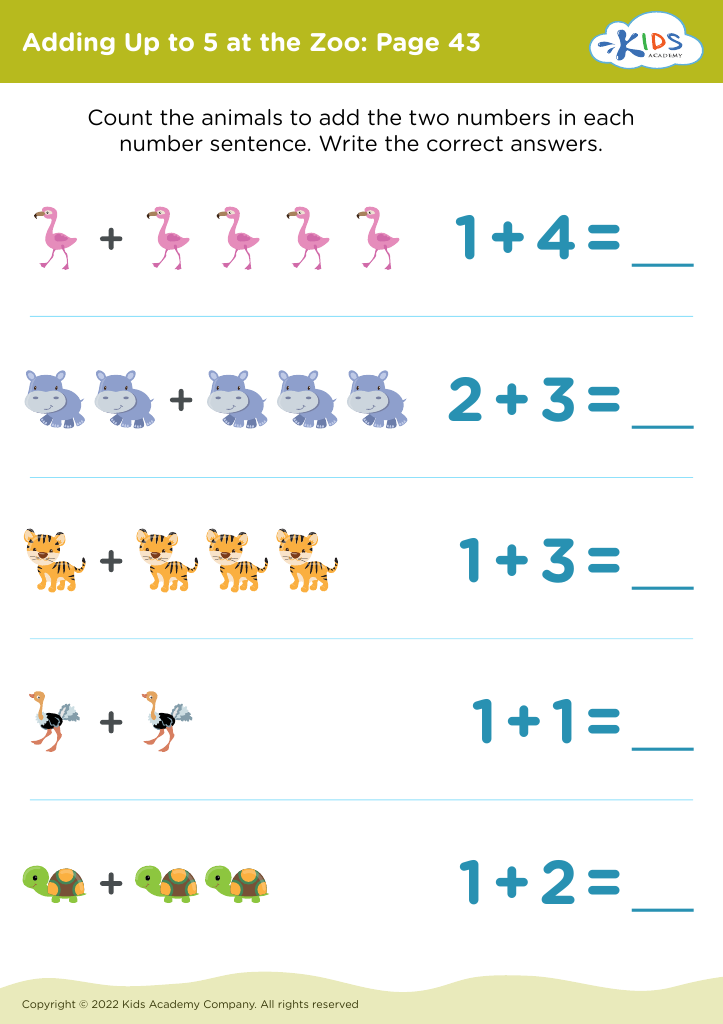




.jpg)



Mathematical thinking for 4-year-olds is crucial because it lays the foundational skills necessary for future academic success and everyday problem-solving. At this early age, children are naturally curious and their brains are highly adaptable, making it the perfect time to introduce math concepts through playful and practical activities. Engaging young children in math helps them understand patterns, shapes, and basic numbers, fostering logical thinking and reasoning.
When parents and teachers focus on developing mathematical thinking in 4-year-olds, they promote cognitive skills such as counting, sorting, and recognizing relationships between objects. This not only prepares them for more complex math in school but also enhances their ability to think critically and make informed decisions.
Furthermore, early exposure to math helps instill confidence and a positive attitude towards the subject. Kids who are comfortable with math from a young age are less likely to develop math anxiety, which can hinder their academic performance later on. Additionally, math is intertwined with other areas of learning, such as science and literacy, making it an essential building block for overall intellectual development.
In summary, nurturing mathematical thinking in young children equips them with essential skills, builds confidence, and sets the stage for lifelong academic and personal success.








