Observation skills Math Worksheets for 4-Year-Olds
3 filtered results
-
From - To
Enhance your child's observation skills with our engaging Math Worksheets designed specifically for 4-year-olds! These worksheets provide a fun and interactive way for young learners to explore basic math concepts while developing essential skills like pattern recognition, comparison, and sorting. By incorporating colorful images and age-appropriate activities, our resources not only stimulate curiosity but also promote early critical thinking. Perfect for classroom use or at-home learning, these worksheets make math enjoyable and accessible. Set your preschooler on the path to success by fostering their observational abilities and solidifying their foundational math knowledge today! Download our worksheets and watch your little one thrive!
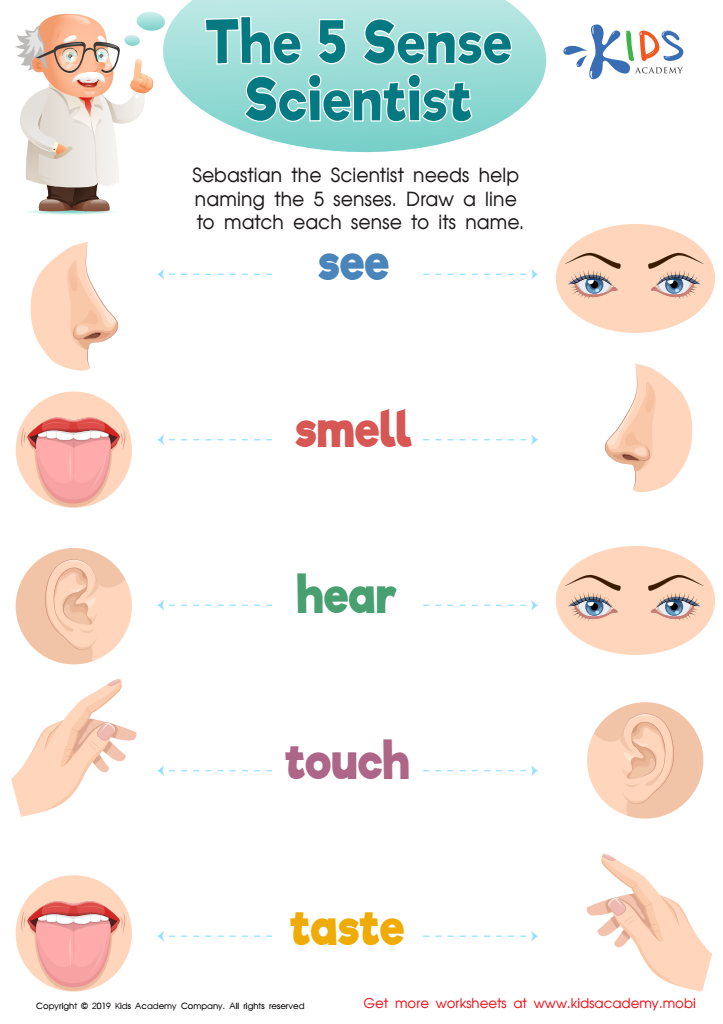
The 5 Sense Scientist Worksheet
 Assign to My Students
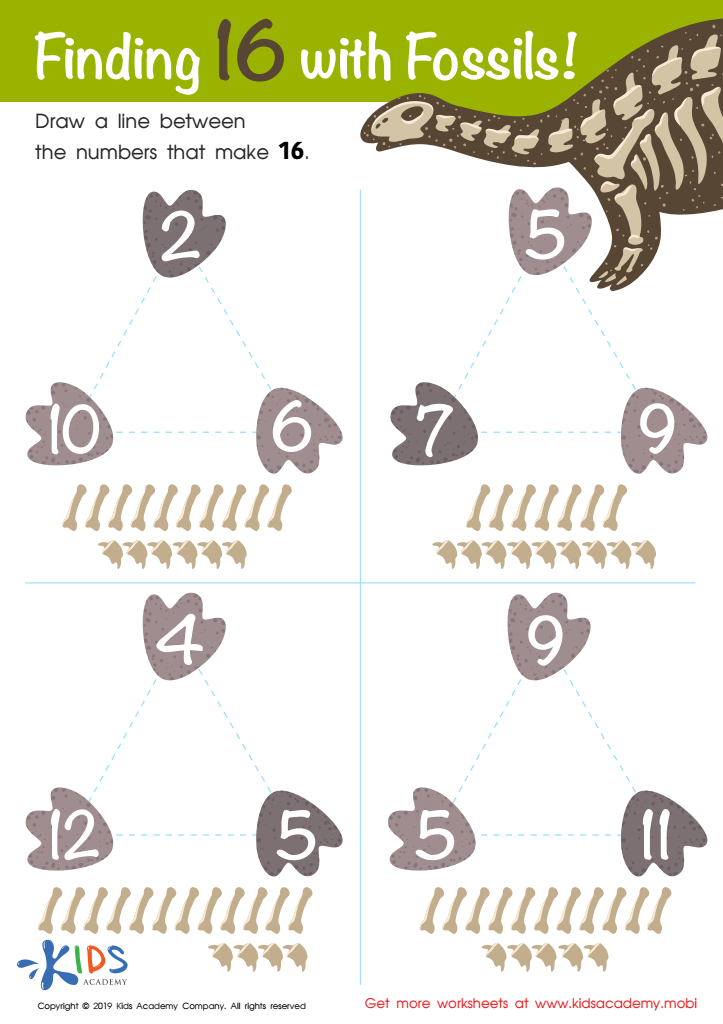
Finding 16 With Fossils Worksheet
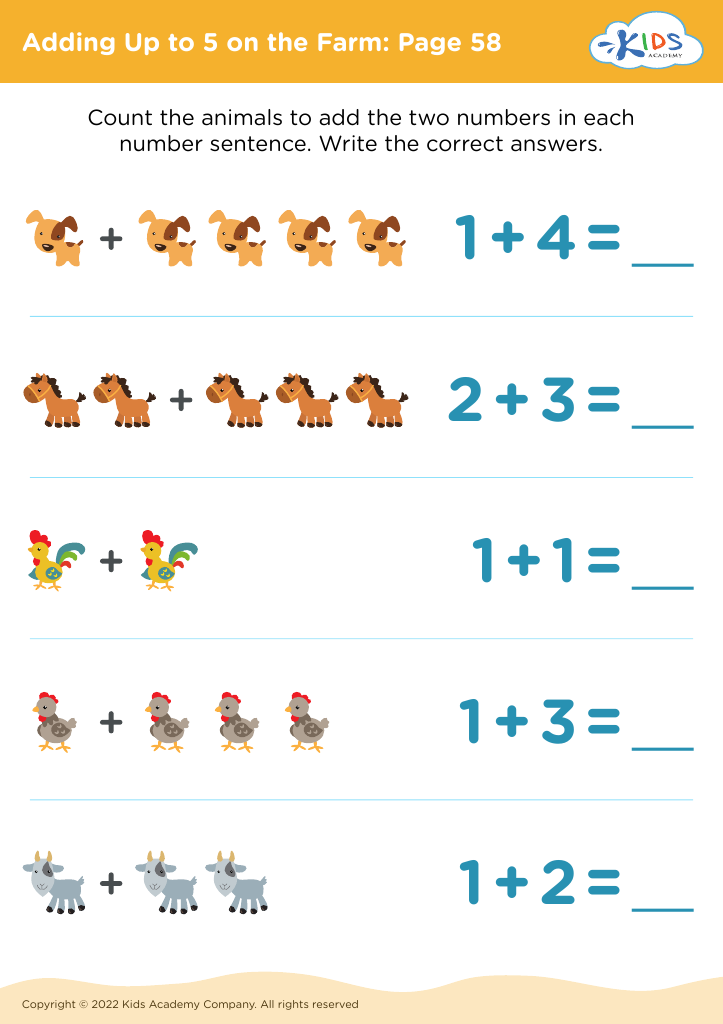




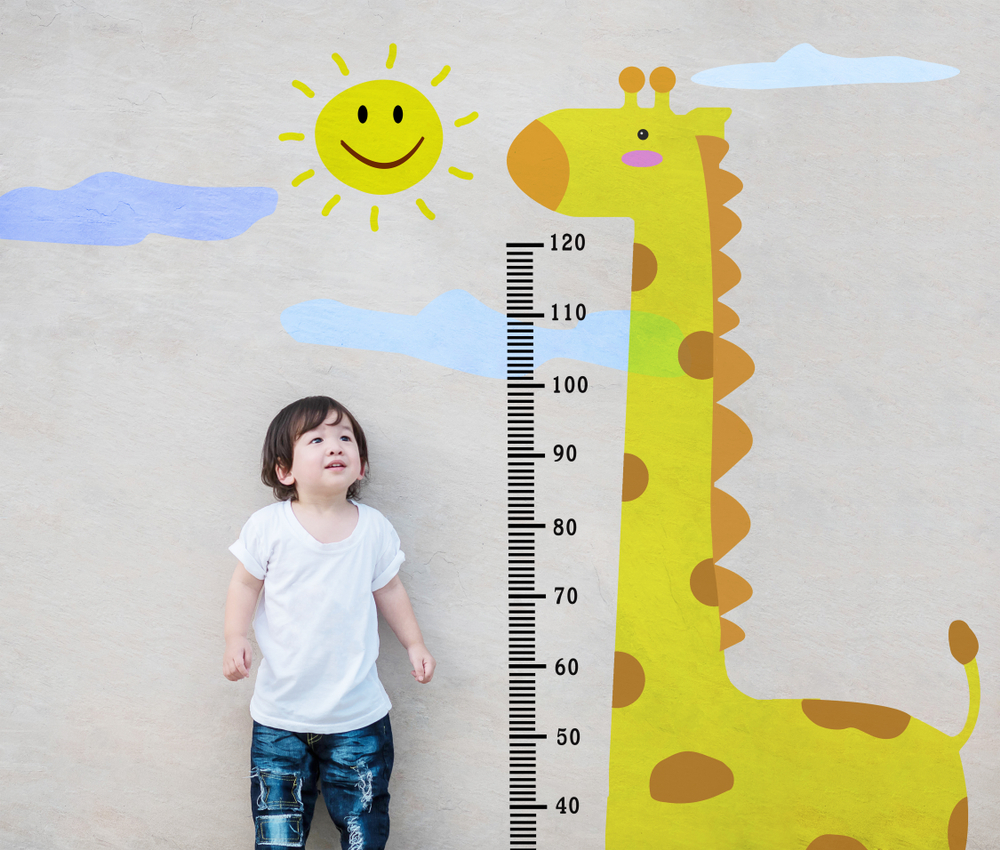



Observation skills in math for 4-year-olds are essential for developing critical foundational skills in young children. Parents and teachers should care about these skills because they form the basis for understanding mathematical concepts and encourage cognitive development. At this age, children are naturally curious, and sharpening their observation skills can help them recognize patterns, shapes, and relationships in their environment, fostering early mathematical thinking.
Encouraging observation skills in math helps children learn to categorize and compare, essential components in problem-solving. This not only enhances their math readiness but also boosts their overall learning engagement. Furthermore, observation encourages children to ask questions and think critically, nurturing a lifelong love for learning.
Moreover, strong observation skills deepen children’s relationship with their surroundings, enabling them to gain confidence when tackling familiar problems. Parents and teachers can weave daily activities into engaging learning opportunities, whether counting objects during play or sorting toys by shape and color. This not only fosters mathematical understanding but also helps cultivate essential social and communication skills. In summary, prioritizing observation skills in math during the early years prepares children for future academic success while making learning enjoyable.








