Understanding number patterns Math Worksheets for 4-Year-Olds
3 filtered results
-
From - To
Unlock the world of number patterns with our engaging Math Worksheets designed specifically for 4-year-olds! These worksheets are perfect for helping young learners identify, create, and extend simple patterns through fun and interactive activities. By working with colorful visuals and relatable examples, children will develop essential early math skills while fostering their critical thinking and problem-solving abilities. Our resources not only make learning enjoyable but also promote foundational skills necessary for future mathematical concepts. Explore our variety of worksheets that nurture a love for numbers in your little ones, paving the way for confident future mathematicians! Start learning today!
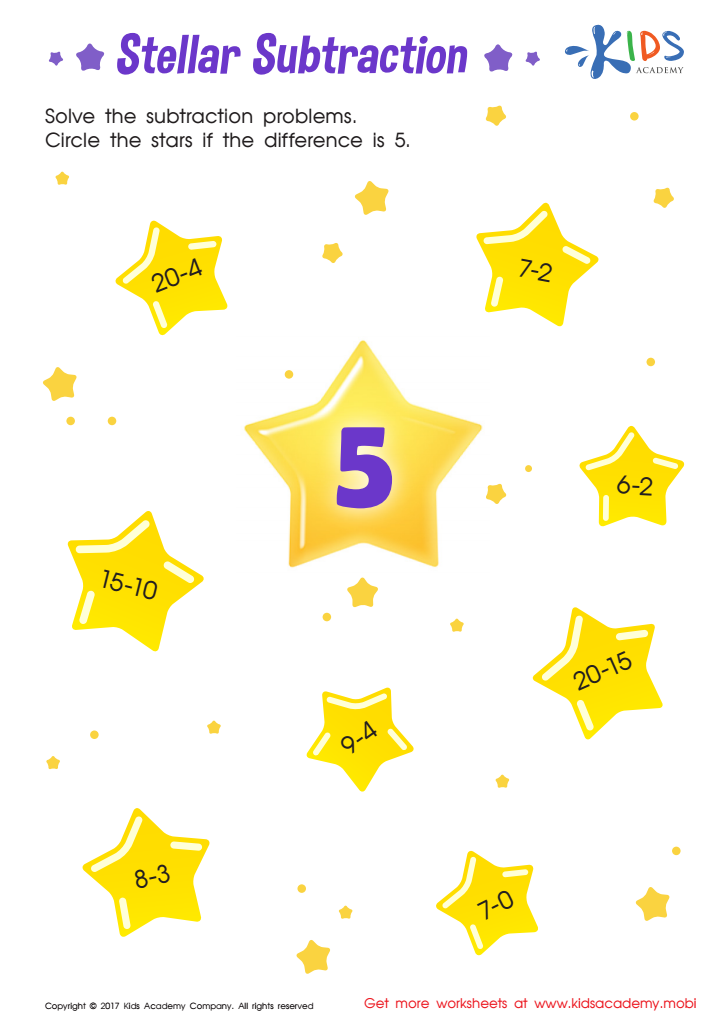
 Assign to My Students
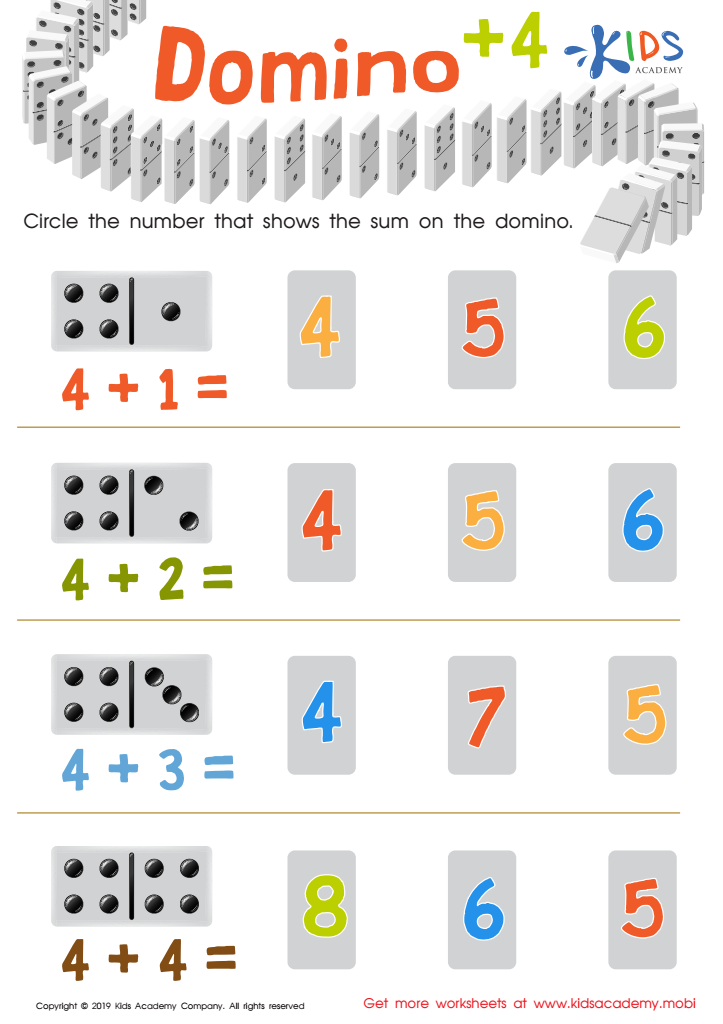
Domino +4 Worksheet
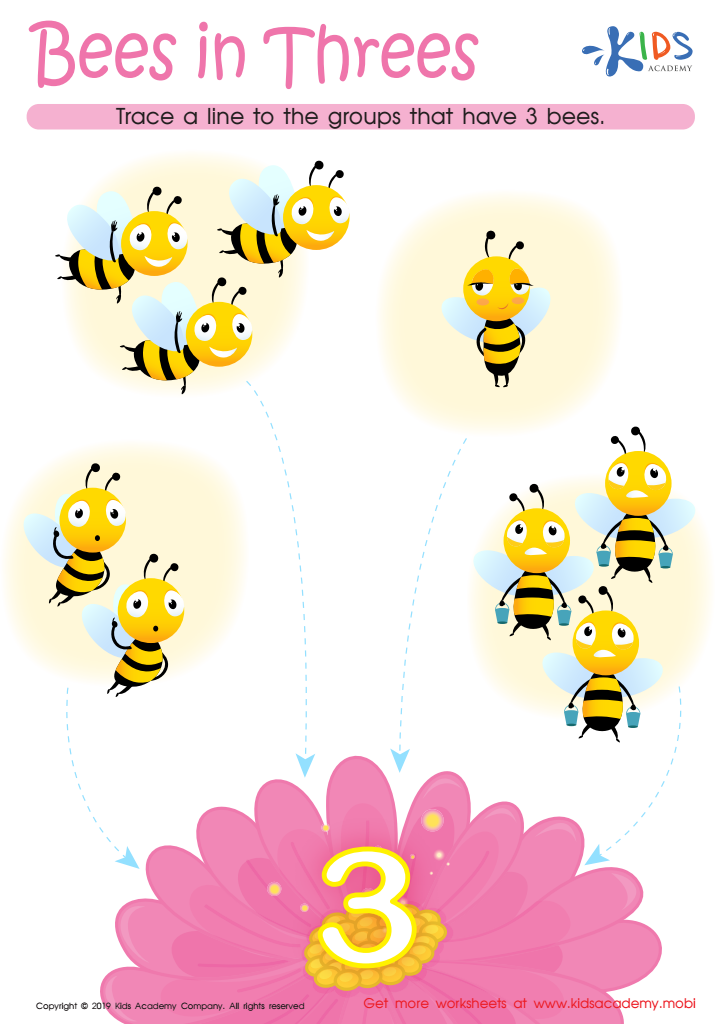
Bees in Threes Worksheet







Understanding number patterns is crucial for 4-year-olds as it lays the foundation for future mathematical skills and cognitive development. At this age, children are naturally curious and eager to recognize correlations in their environment. Engaging with number patterns enhances their logical thinking, critical reasoning, and problem-solving abilities. For teachers and parents, fostering this understanding is vital, as it paves the way for more complex math concepts like addition, subtraction, and, eventually, algebra.
When children identify and create patterns, they practice essential skills such as sequencing, comparison, and organization. This not only boosts their mathematical intuition but also enriches their language development; discussing number patterns helps improve their vocabulary and comprehension. Furthermore, recognizing patterns aids in sustained attention and improves their ability to focus, skills that are essential for overall learning.
Promoting number pattern recognition through playful activities—like counting games, sorting, or rhythmic clapping—can make learning enjoyable. When parents and teachers collaborate to integrate these concepts into daily routines, they foster a solid mathematical foundation, instilling a love for numbers and learning that lasts a lifetime. Ultimately, understanding number patterns equips preschoolers with the necessary skills to face future educational challenges with confidence.








