
Understanding numbers Math Worksheets for 4-Year-Olds
4 filtered results
Difficulty Level
Grade
Age
-
From - To
Subject
Activity
Standards
Welcome to our “Understanding Numbers Math Worksheets for 4-Year-Olds” page! Designed specifically for preschool learners, these worksheets offer a fun and engaging way for children to explore foundational math concepts. With vibrant visuals and interactive activities, our resources help little ones recognize, count, and compare numbers effortlessly. Each worksheet promotes critical thinking and fine motor skills through tracing, coloring, and matching exercises. Perfect for at-home learning or classroom use, these worksheets provide a playful approach to number understanding that keeps young minds curious and excited about math. Start your child’s numerical journey today with our easy-to-use, enriching worksheets!
Favorites
With answer key
Interactive
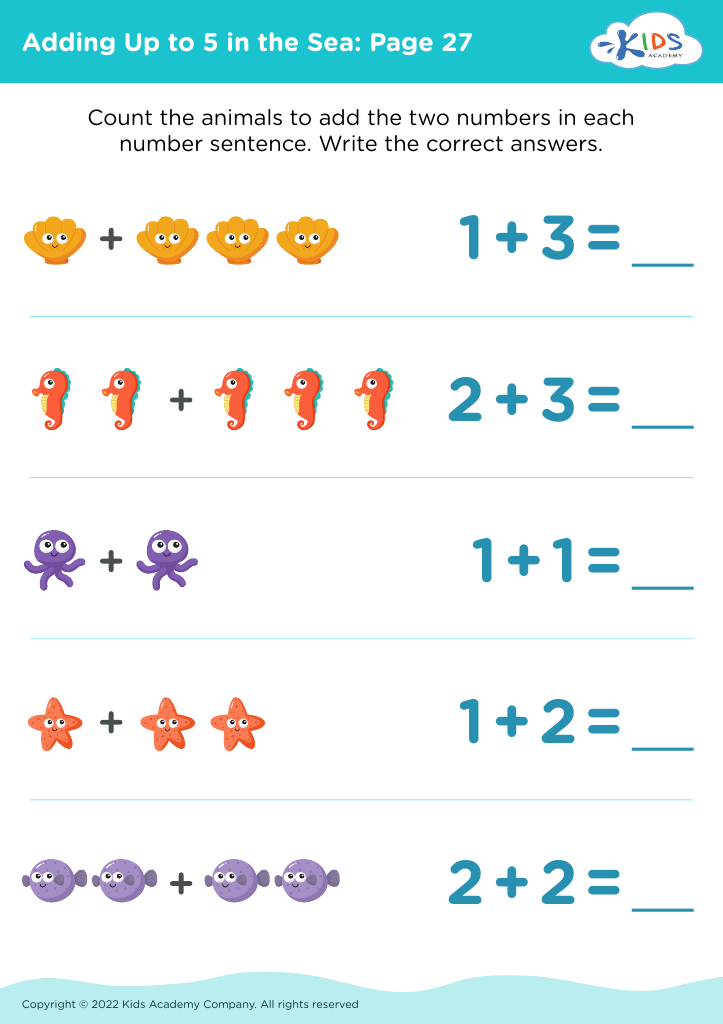
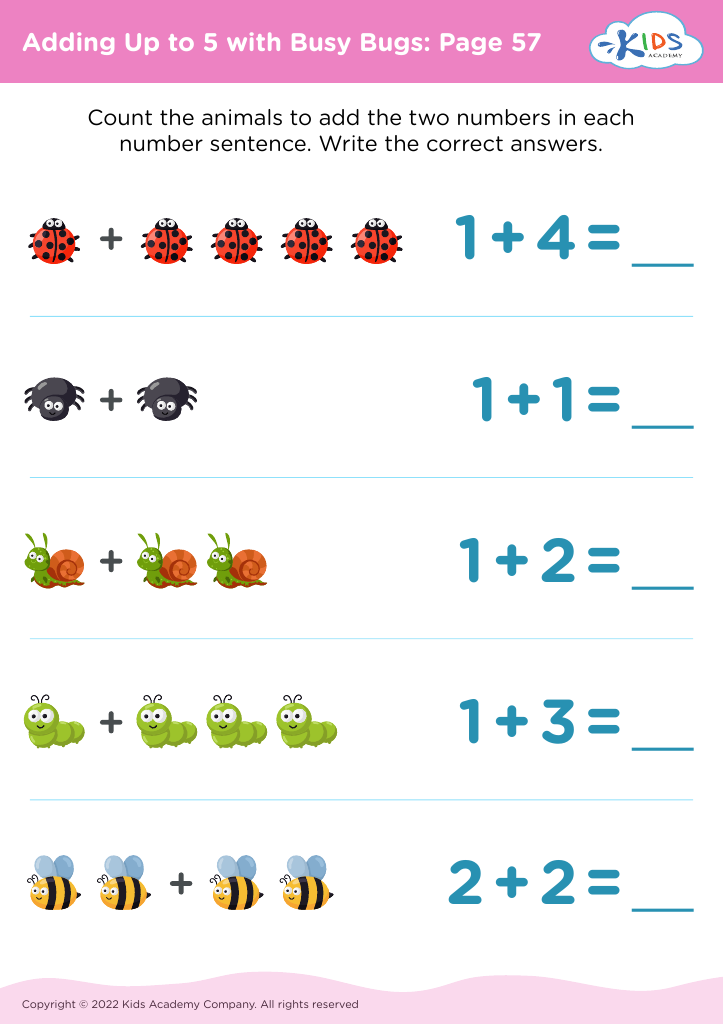
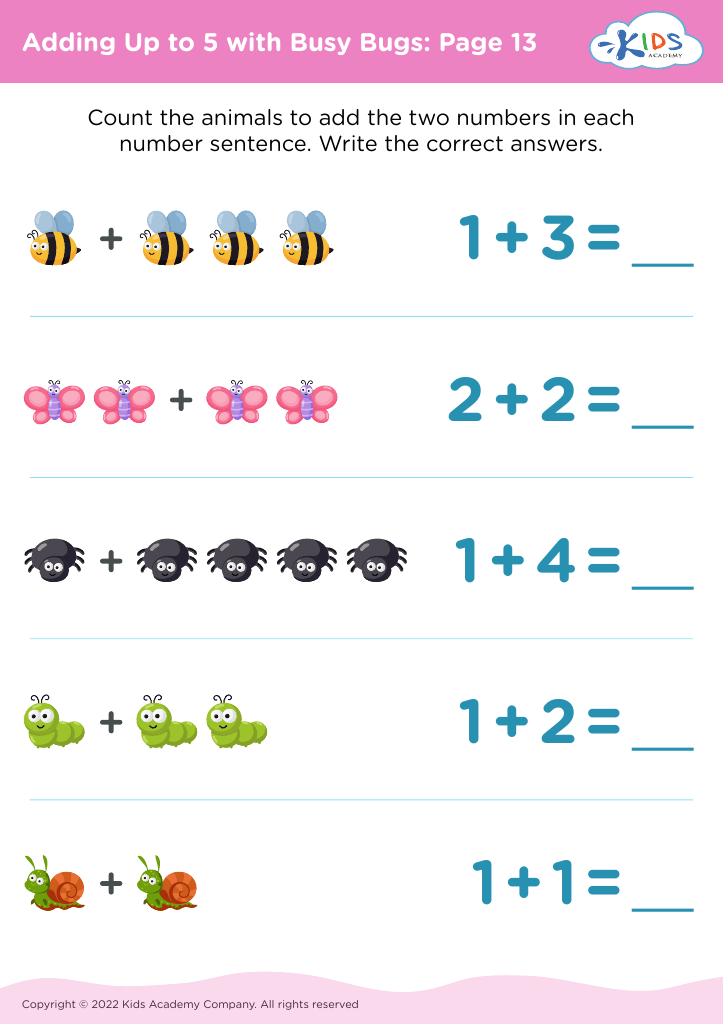
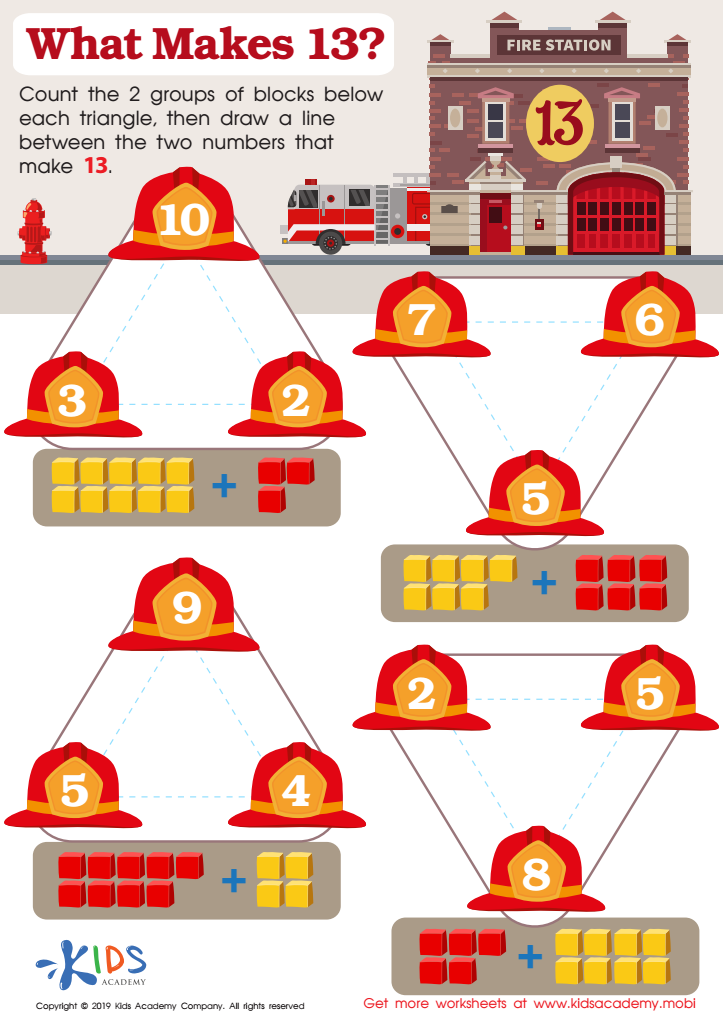
What Makes 13 Worksheet
Help your kids practice maths with this worksheet! With colourful images and simple equations, your kids will be more engaged in learning. Go through the four equations and help them add up the numbers. Then, draw a line between the numbers that make 13. Doing this will aid their learning and understanding.
 Assign to My Students
What Makes 13 Worksheet
Worksheet
Join Kids Academy for Free
Who is primarily going to use this learning content?








Understanding numbers is foundational for 4-year-olds, and it's crucial for both parents and teachers to invest in this aspect of early childhood education. At this age, children begin to develop their cognitive skills, and introducing them to numbers helps to enhance their problem-solving capabilities and logical thinking. Early number recognition lays the groundwork for future mathematical concepts and skills, leading to improved classroom performance in later years.
Moreover, learning math at a young age fosters emotional and social development. Engaging children in number activities can promote their communication skills, as they learn to express their understanding and share ideas with peers and adults. Additionally, showing that math can be fun and relevant to everyday life fosters a positive attitude toward learning.
As parents and teachers incorporate number games, counting songs, and tactile activities, they also expose children to patterns and relationships, which are integral to mathematics. When young learners feel confident in their number sense, it boosts their self-esteem and encourages a lifelong love of learning. Investing time in this area now not only directly influences their academic success but also shapes their overall development as curious, confident individuals for years to come.








