Understanding numerical values Math Worksheets for 4-Year-Olds
4 filtered results
-
From - To
Introduce your little ones to the world of numbers with our "Understanding Numerical Values" math worksheets designed specifically for 4-year-olds. These engaging and colorful worksheets provide a fun, interactive way for young learners to grasp essential mathematical concepts such as counting, number recognition, and one-to-one correspondence. Tailored for preschoolers, our activities promote early numeracy skills, encouraging children to explore and understand numerical values through play-based learning. With a variety of exercises that inspire creativity and critical thinking, these worksheets are perfect for classroom use or at-home practice. Equip your child with the foundational math skills they need for future success!
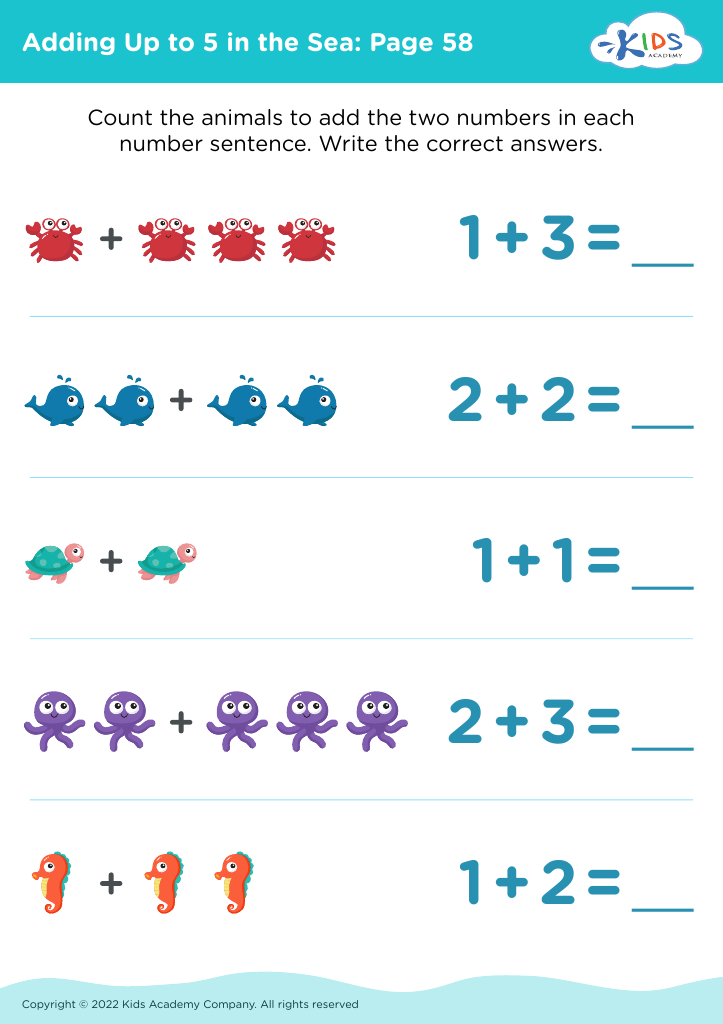
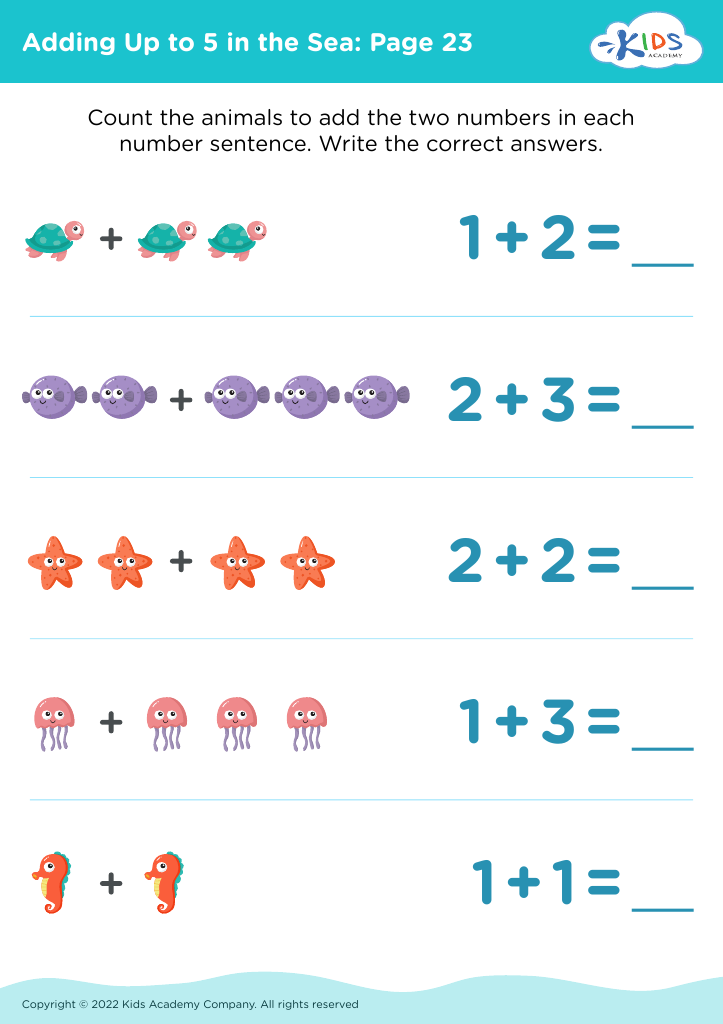
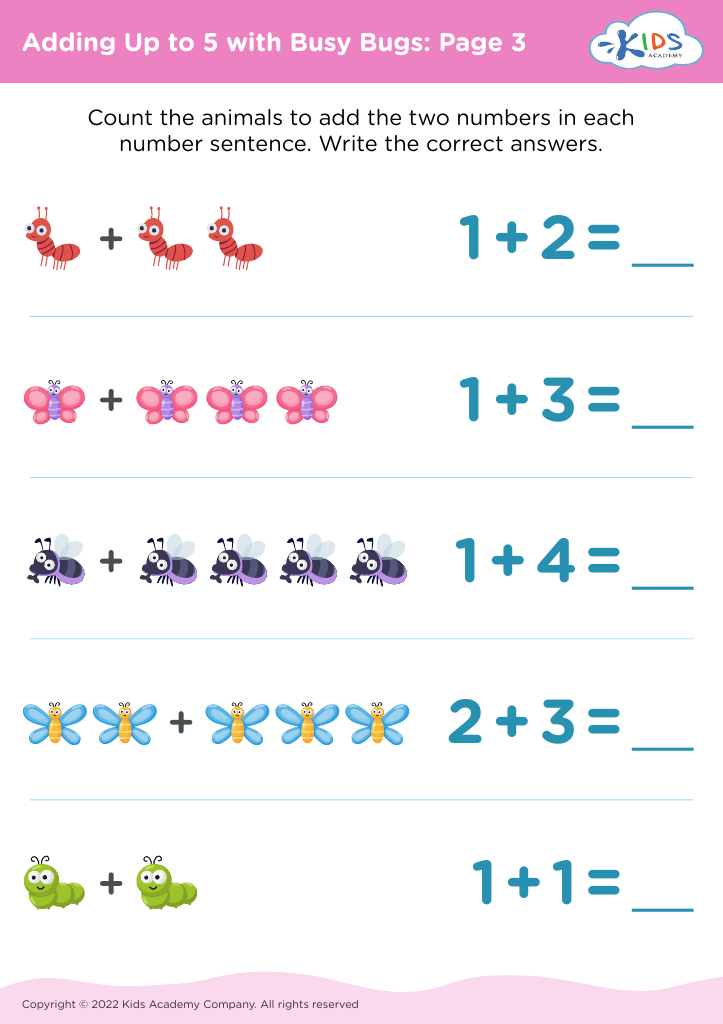
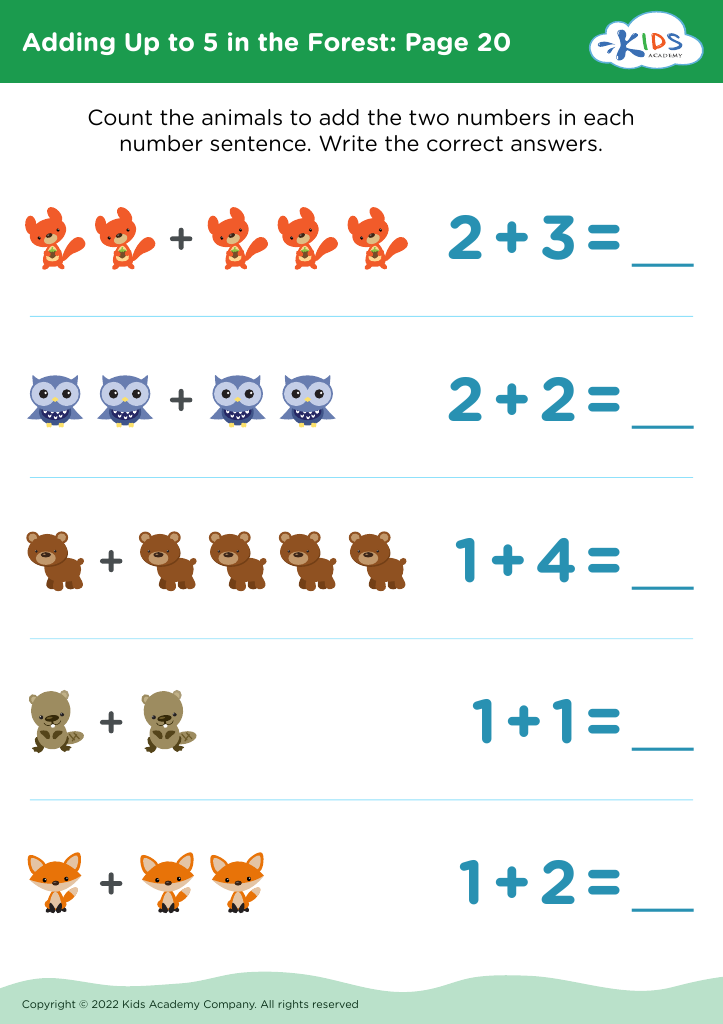








Understanding numerical values is crucial for four-year-olds as it lays the foundation for future mathematical skills and overall cognitive development. At this age, children are naturally curious and learn through play, making it an ideal time to introduce mathematical concepts. Recognizing numbers and their values helps children understand quantity, comparison, and simple problem-solving, which are essential skills for later schooling.
Parents and teachers play a vital role in fostering this understanding. Engaging children in everyday activities, such as counting objects during playtime or tracking toys, helps them internalize numerical values meaningfully. This experience builds confidence and encourages a positive attitude towards mathematics, often reflecting in their academic performance in subsequent years.
Additionally, early numerical awareness supports essential cognitive processes like critical thinking, attention, and memory. By caring about and promoting numerical understanding, parents and teachers not only help children excel in math but also equip them with life skills such as reasoning and logical thought. This enthusiastic engagement with numbers can inspire lifelong learning and curiosity, ensure smoother transitions into formal math education, and ultimately contribute to a well-rounded education.








