
Visual learning reinforcement Math Worksheets for 4-Year-Olds
7 filtered results
Difficulty Level
Grade
Age
-
From - To
Subject
Activity
Standards
Introduce your 4-year-old to the world of math with our Visual Learning Reinforcement Math Worksheets. Designed specifically for young learners, these engaging activities utilize colorful visuals and fun exercises to develop foundational math skills in an enjoyable way. Each worksheet is crafted to reinforce concepts such as number recognition, counting, and basic adding and subtracting, promoting both confidence and a love for learning. Perfectly suited for early education, these resources make math relatable and exciting. Discover how our expertly developed worksheets can support your child’s early mathematical journey today!
Favorites
With answer key
Interactive
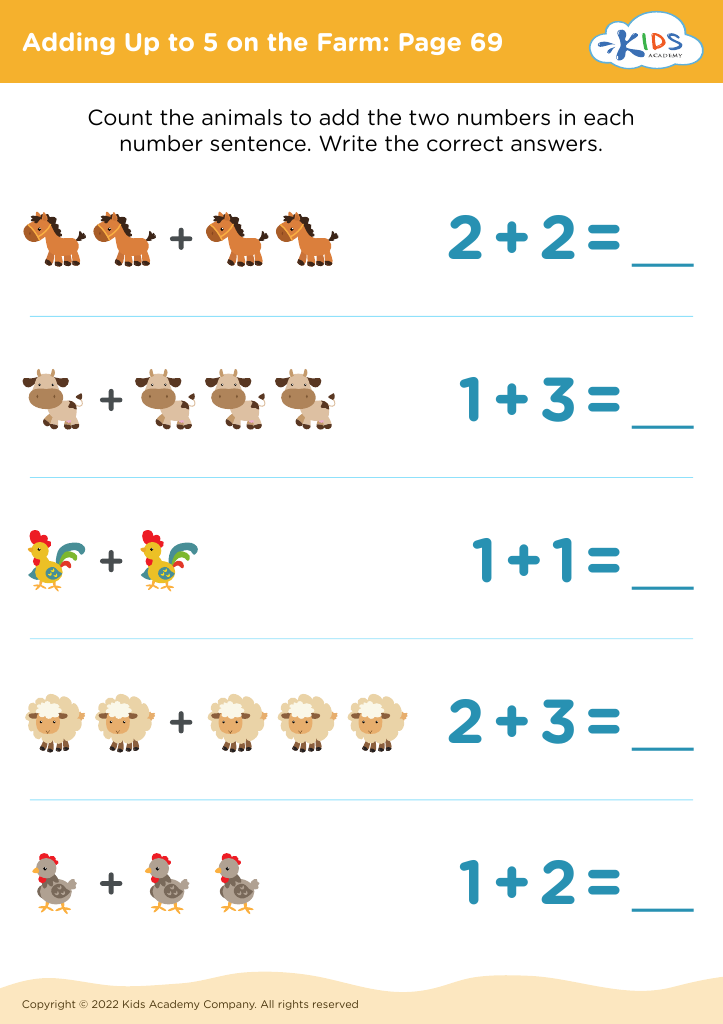
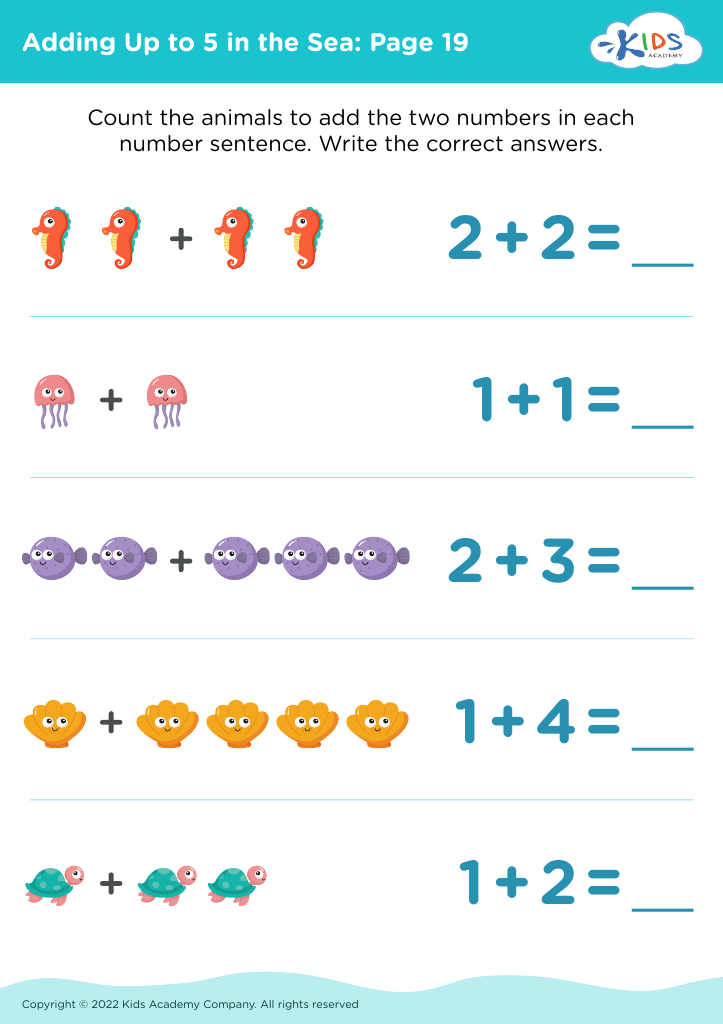
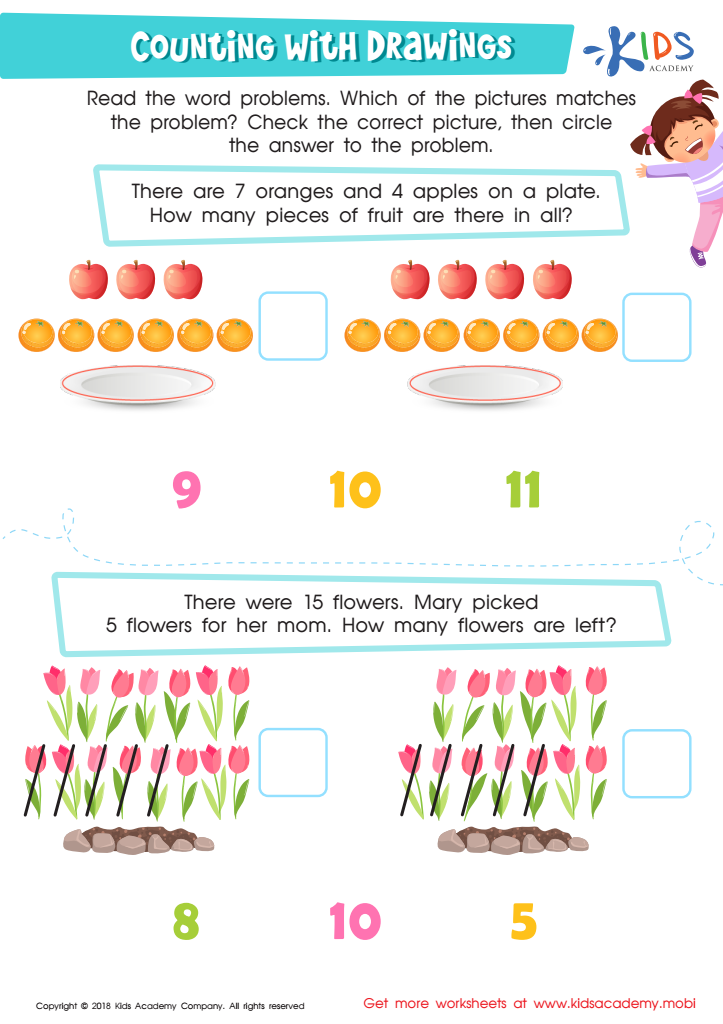
Counting with Drawings: Fruits & Chocolates Worksheet
Learning basic addition and subtraction has never been easier with this free worksheet! Young mathematicians can sort & count to get the right sum or difference for each problem. Plus, they'll practice fine motor skills by circling the correct answer. An ideal way to help kids build important visual recognition and discernment skills.
 Assign to My Students
Counting with Drawings: Fruits & Chocolates Worksheet
Worksheet
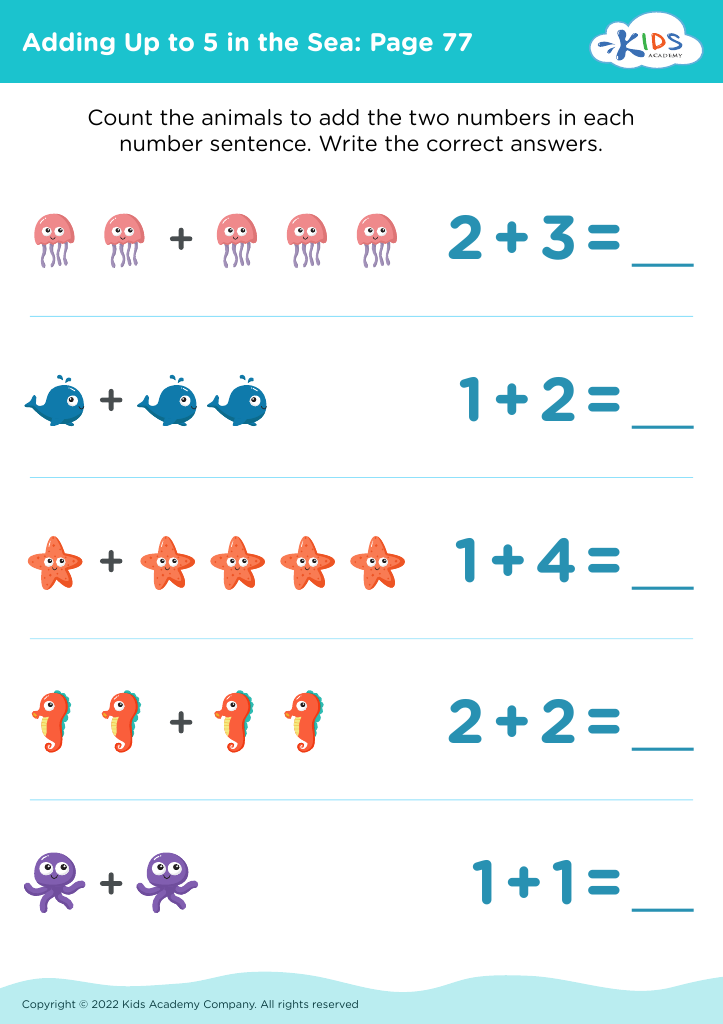
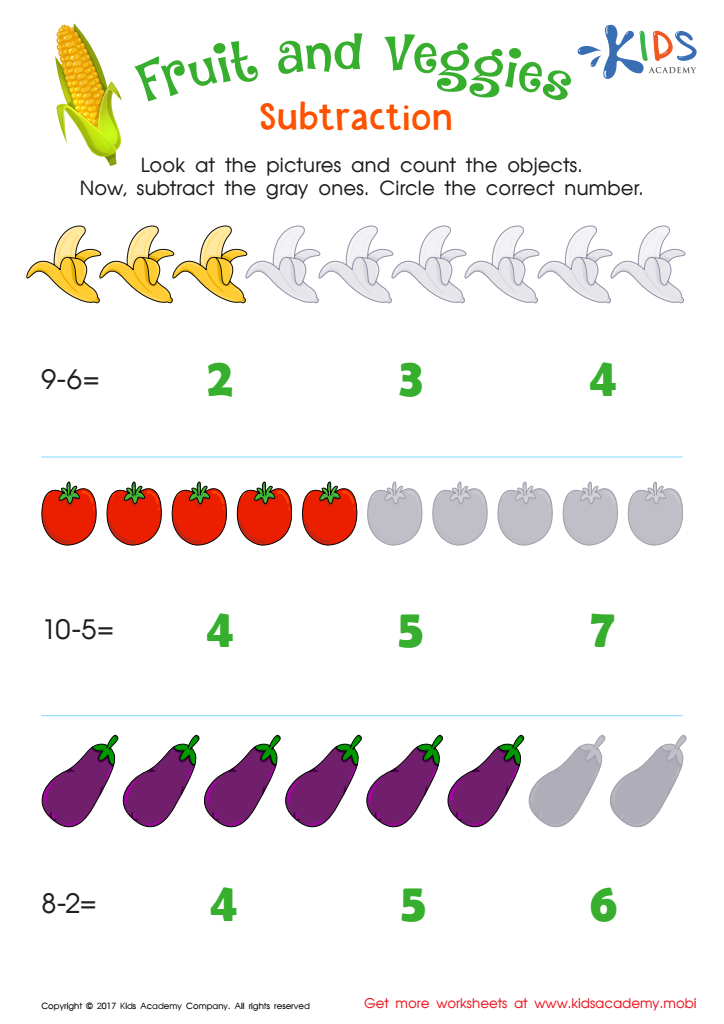
Fruit and Veggies Subtraction Worksheet
Kids learn subtraction with this fun worksheet: fruits and veggies! Kids use pictures to count or take away to get the right answer, aiding in understanding subtraction better.
Fruit and Veggies Subtraction Worksheet
Worksheet
Join Kids Academy for Free
Who is primarily going to use this learning content?




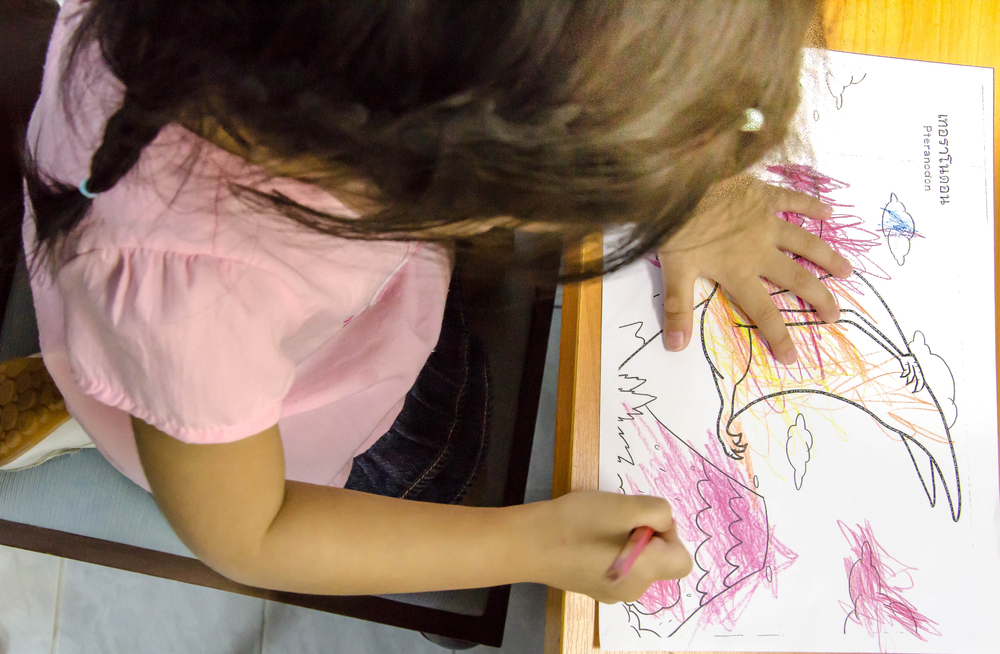



Visual learning reinforcement in math for 4-year-olds is incredibly beneficial and integral to early childhood education. At this age, children's brains are highly receptive to visual stimuli, making it a prime time for introducing foundational math concepts through visual methods. Parents and teachers should care deeply about this approach because it aligns with how young children naturally learn and process information.
Visual strategies, like using colorful shapes, counting blocks, and interactive apps, make abstract math concepts tangible. These tools help children to easily grasp basic ideas such as numbers, patterns, and simple arithmetic, which are the building blocks for more complex math skills. Visual aids can turn lessons into a playful, engaging activity, which can enhance a child's enjoyment and excitement about learning math.
Furthermore, visual reinforcement supports diverse learning styles and assists children who might not yet have strong verbal skills. It can promote better retention and understanding by associating math concepts with vivid imagery and practical examples. Incorporating visual elements also supports the development of fine motor skills as children handle physical items like blocks or draw shapes.
In essence, integrating visual learning reinforcement in math for young children builds a strong, positive foundation for future academic success, boosts engagement, aids in retention, and caters to different learning preferences, making it an essential practice for parents and teachers to embrace.








