Visual discrimination Matching Worksheets for 4-Year-Olds
3 filtered results
-
From - To
Enhance your child's visual discrimination skills with our engaging matching worksheets designed specifically for 4-year-olds. These expertly crafted worksheets feature fun, age-appropriate activities that encourage children to recognize similarities and differences between images. Through colorful designs and interactive challenges, kids will develop critical cognitive skills while enjoying the process. Perfect for home or classroom use, these worksheets promote learning through play, making it easier for little ones to grasp important concepts. Boost your child's confidence and academic readiness today by exploring our diverse collection of visual discrimination matching worksheets, specifically tailored to foster early learning in a fun and spirited way!
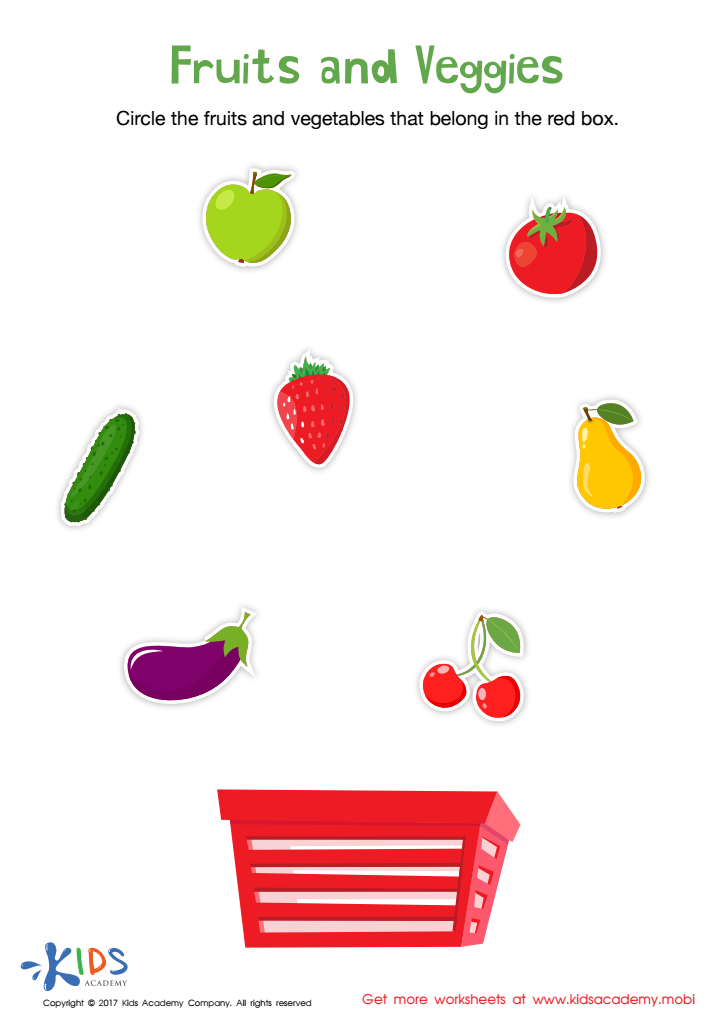
 Assign to My Students
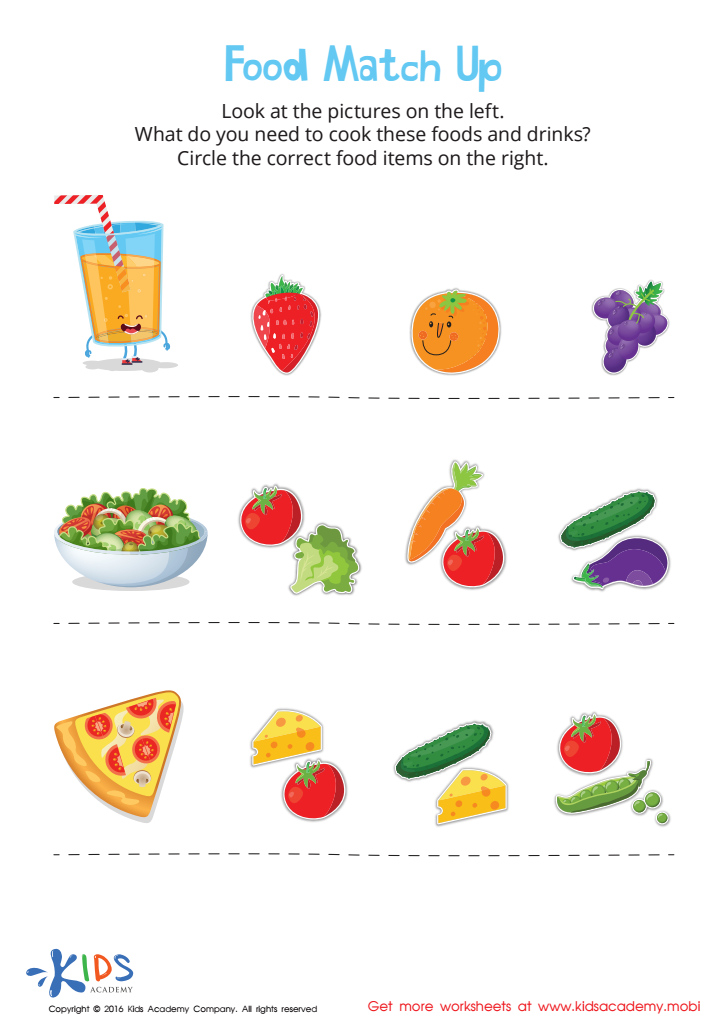
Food Match Up Worksheet
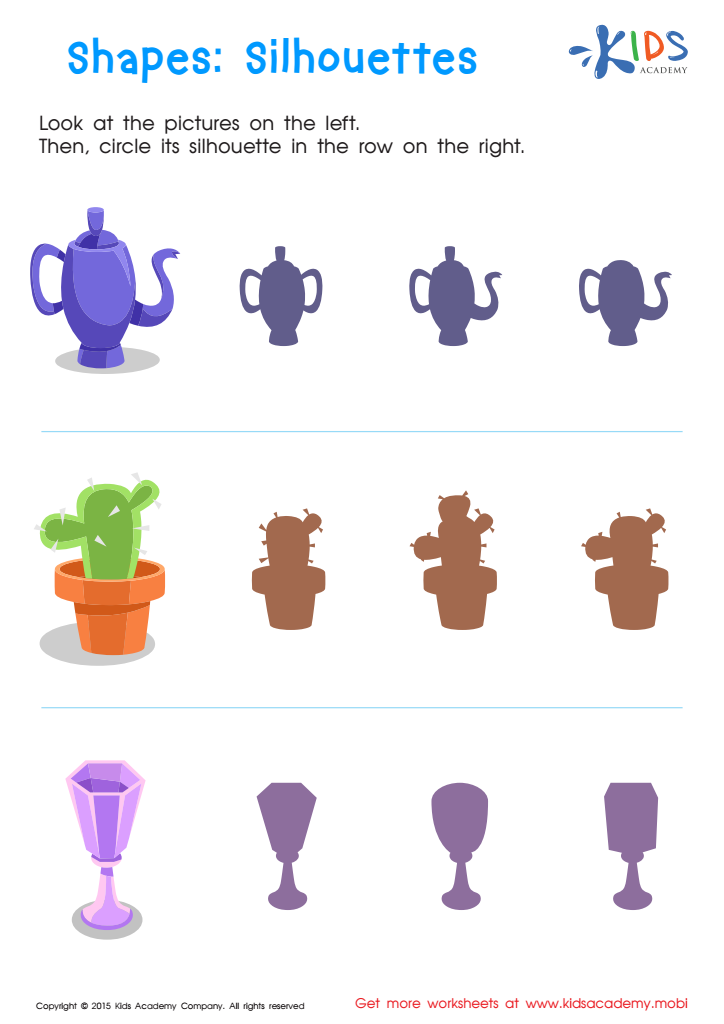
Silhouettes – Shapes Worksheet








Visual discrimination matching is a critical skill for 4-year-olds as it involves the ability to recognize differences and similarities between objects, shapes, colors, and patterns. This foundational skill impacts numerous aspects of a child's development and learning experience. First, it enhances their cognitive abilities by fostering attention to detail and observational skills, which are essential for problem-solving and critical thinking. When children can effectively match items based on visual attributes, they become more adept at categorizing and organizing information, paving the way for future academic success.
Moreover, visual discrimination is closely tied to early literacy and numeracy skills. For instance, being able to distinguish between letters and numbers greatly influences reading and math proficiency later. Additionally, engaging in visual matching activities can boost a child’s vocabulary and comprehension as they discuss the characteristics of various items.
Furthermore, this skill supports social development. When children successfully match objects, they often engage in collaborative activities, enhancing their communication and teamwork abilities. Parents and teachers can nurture visual discrimination through fun, interactive games, fostering a love for learning. Understanding its importance allows caregivers to create supportive environments that promote holistic development in young children.








