Number Recognition Numbers up to 100 Worksheets for 4-Year-Olds - Page 2
25 filtered results
-
From - To

Counting on the City Skyline: Dot-to-Dot Worksheet
 Assign to My Students






%20(1).jpg)
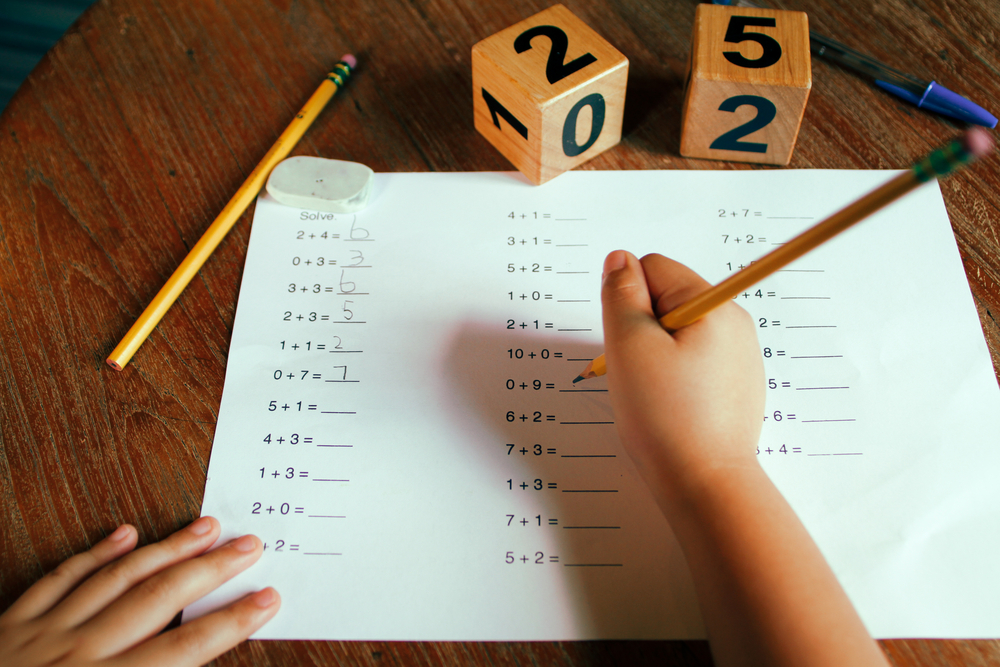
Number recognition up to 100 is foundational for a child's early math development and cognitive growth. For 4-year-olds, this skill not only fosters basic numeracy but also enhances their overall learning experience. Understanding numbers helps children make sense of the world around them, providing a framework for organizing information and solving problems. It lays the groundwork for future concepts in addition, subtraction, and even higher-level math.
For parents and teachers, promoting number recognition cultivates critical thinking and promotes daily language use as children engage in counting and number-related conversations. This engagement can lead to improved social skills, as children participate in counting games or activities with peers or family members.
Furthermore, number recognition can help mitigate math anxiety later in life. When children feel confident with numbers, they are more likely to approach math tasks with a positive mindset. Early exposure to numbers also supports literacy development, as many numerals and math terms appear in various contexts.
Ultimately, recognizing numbers up to 100 sets the stage for academic success, boosts self-esteem, and develops essential life skills. Paying attention to number recognition not only empowers children in their education but also prepares them for future challenges in their learning journey.








