Counting practice Building Vocabulary Worksheets for 4-Year-Olds
3 filtered results
-
From - To
Introduce your 4-year-old to the joys of counting with our engaging Counting Practice Building Vocabulary Worksheets! Designed specifically for young learners, these worksheets combine essential math skills with vocabulary development, making learning both fun and educational. Children can practice counting through a variety of interactive activities that encourage their understanding of numbers while enriching their language skills. From colorful illustrations to simple exercises, each worksheet promotes cognitive growth and confidence in a cooperative learning environment. Perfect for home or classroom use, these resources will cultivate a love for numbers and words, providing an enjoyable foundation for future learning success!
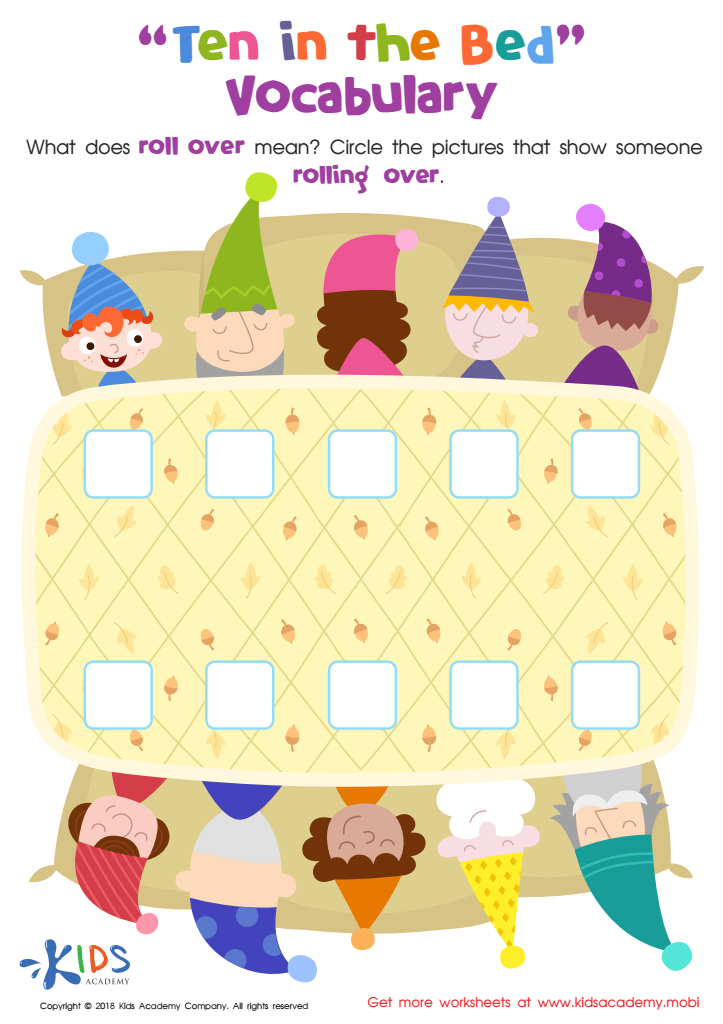
Ten in the Bed: Vocabulary Worksheet
 Assign to My Students











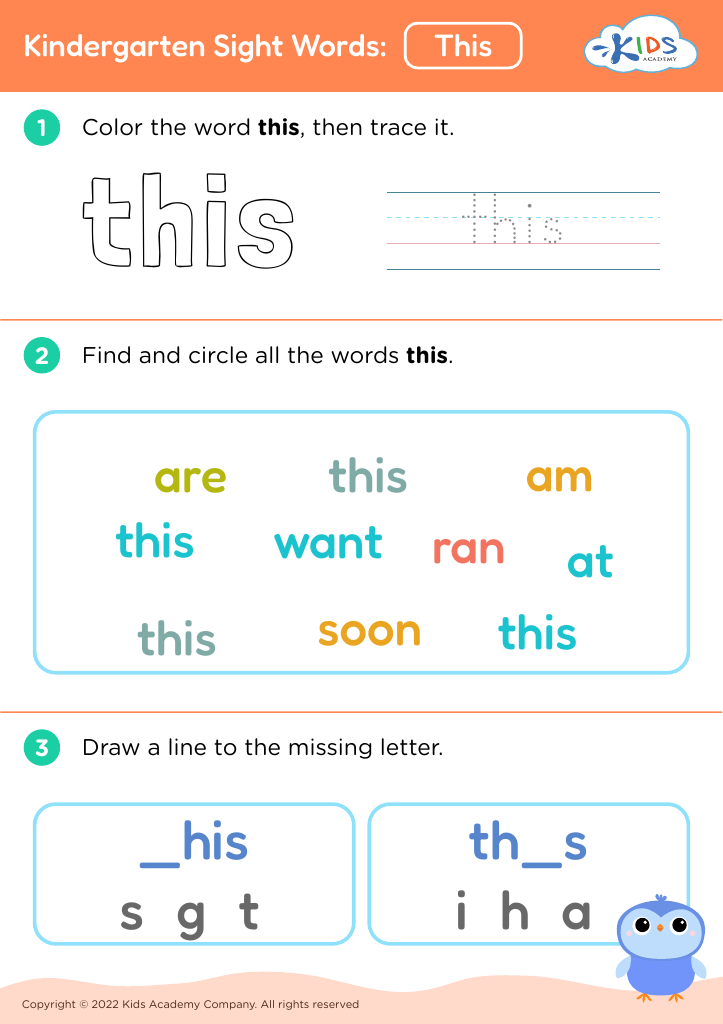
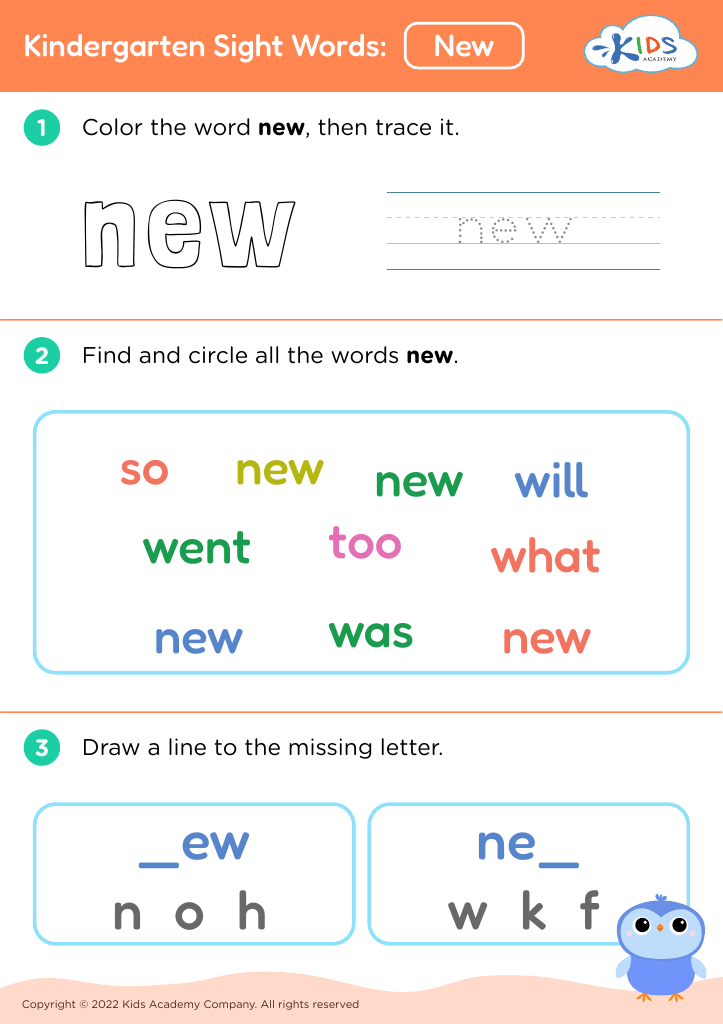






.jpg)

Counting practice and vocabulary building are fundamental cornerstones of early childhood development, influencing cognitive and language skills in 4-year-olds. First, counting engages children mathematically, allowing them to grasp basic concepts like quantity, order, and size. Mastery of these foundational math skills builds confidence and paves the way for more complex mathematical concepts later on.
Simultaneously, vocabulary development is crucial for communication and comprehension. At this age, children are rapidly expanding their vocabulary, and a rich language environment fosters their ability to express thoughts and understand others. Exposure to new words through reading, conversations, and engaging activities enhances their language skills, which are closely linked to literacy success.
Moreover, counting and vocabulary practice often intersect in fun and interactive ways—through games, songs, and stories. This integrated approach not only keeps children engaged but also makes learning enjoyable, fostering a positive attitude toward education.
Ultimately, when parents and teachers prioritize counting and vocabulary activities, they nurture children’s cognitive growth, boost their self-esteem, and lay a strong foundation for future academic success. Engaging in these practices at home or in the classroom ensures that children develop essential skills that support their overall learning journey.








