Counting skills Building Vocabulary Worksheets for 4-Year-Olds
12 filtered results
-
From - To
Enhance your 4-year-old's numeracy and language skills with our comprehensive Counting Skills Building Vocabulary Worksheets. These engaging and educational worksheets are designed to introduce young learners to foundational counting concepts while expanding their vocabulary. Each worksheet combines vibrant images, number recognition, and simple counting exercises that make learning enjoyable and effective. Tailored to match your child's developmental stage, these resources foster both confidence and competence in early math and language. Perfect for preschoolers, our materials make a crucial step in your child's academic journey not only beneficial but also fun! Download and start exploring today!
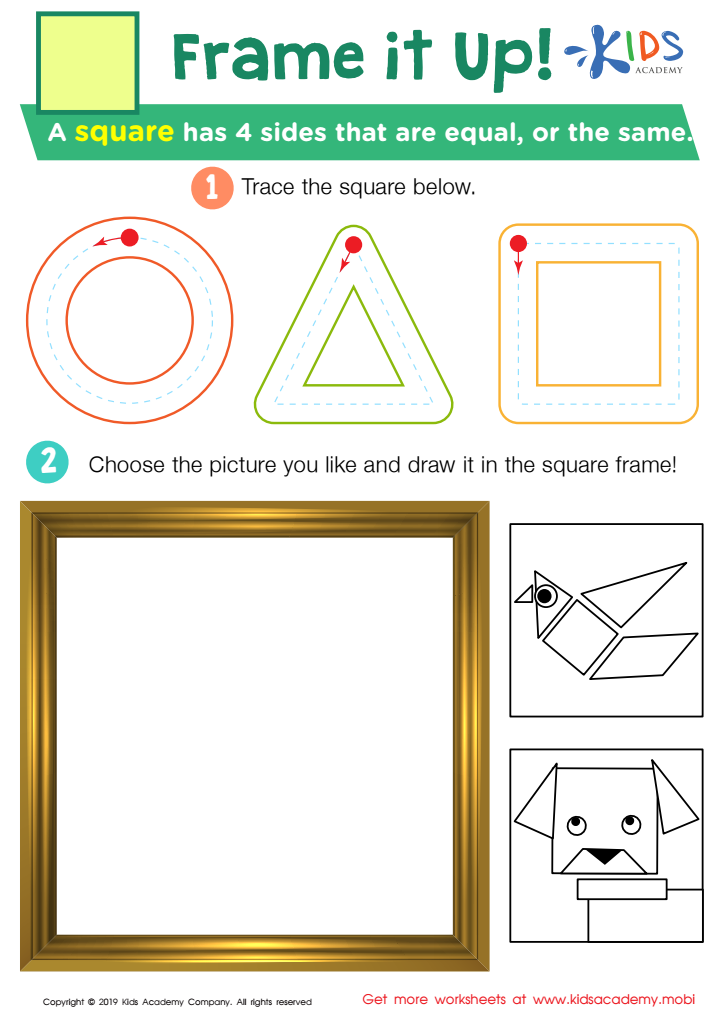
Frame it Up Worksheet
 Assign to My Students











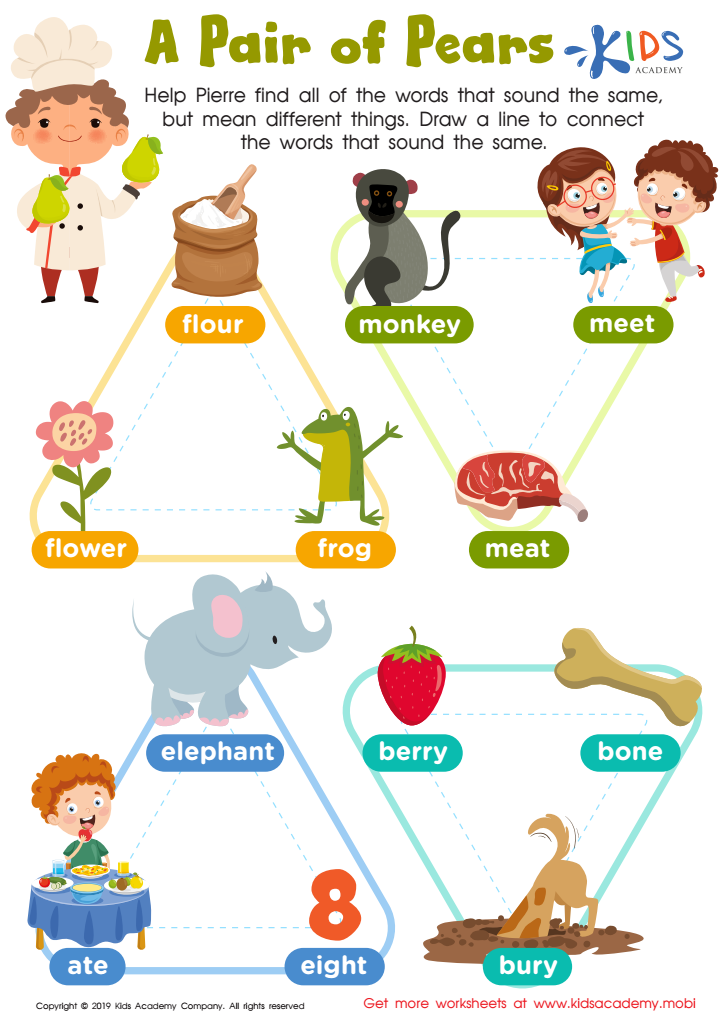
Pair Pears Worksheet
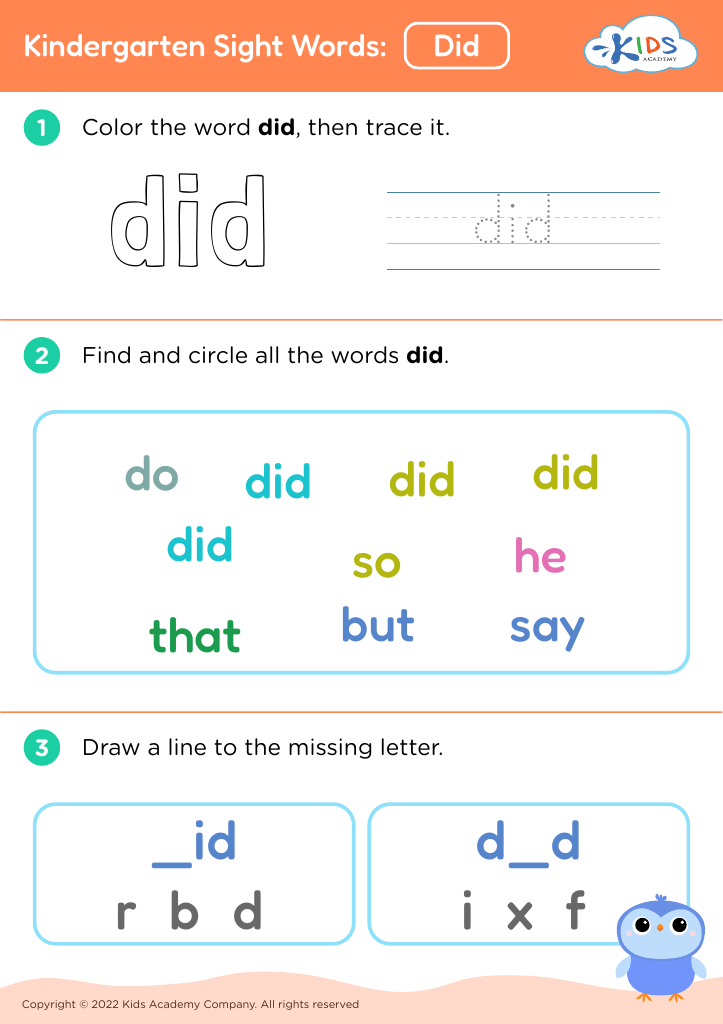
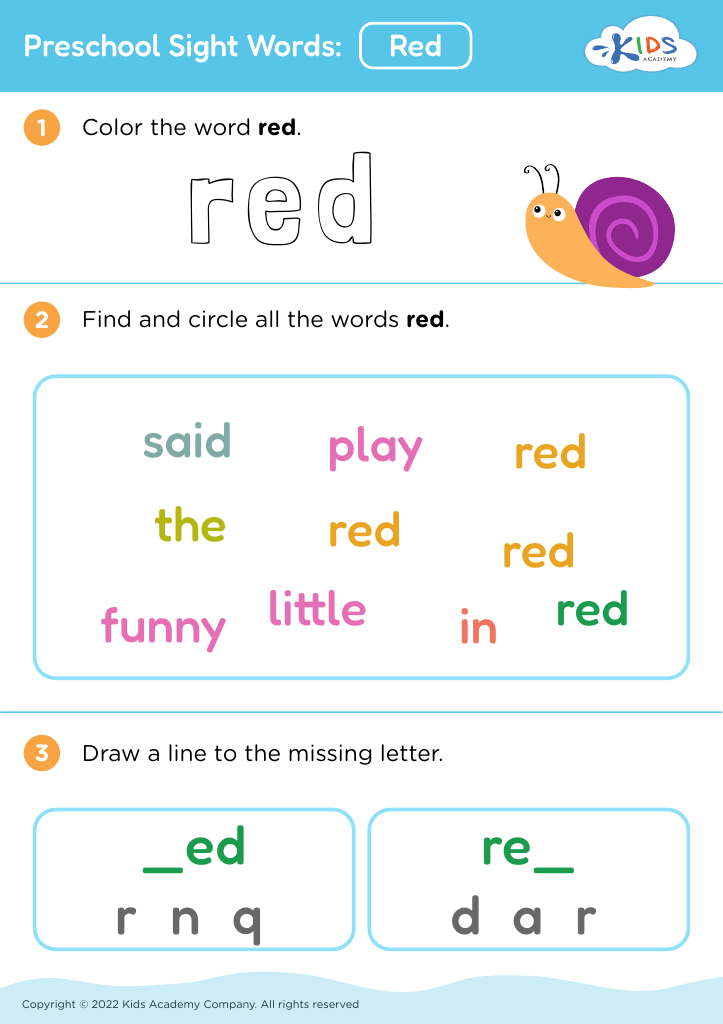
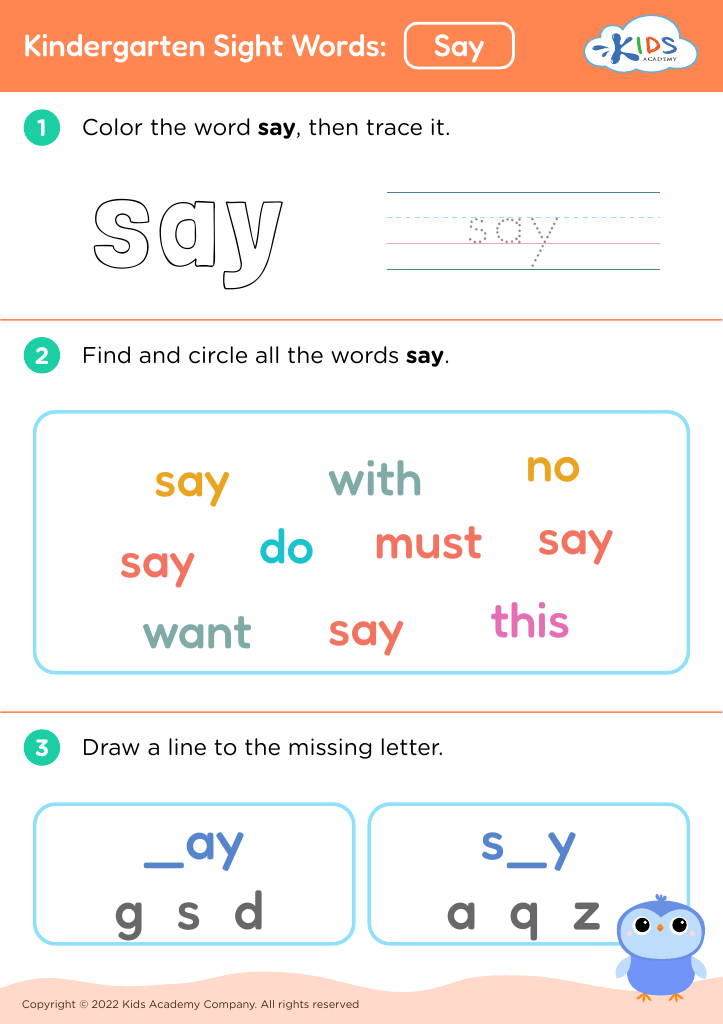
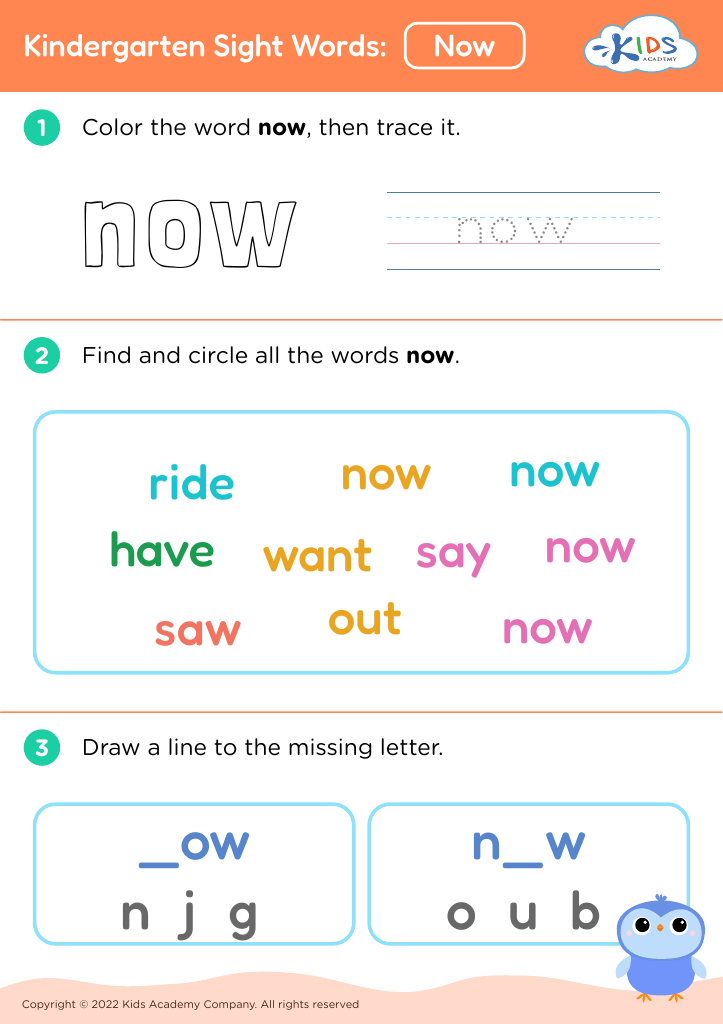
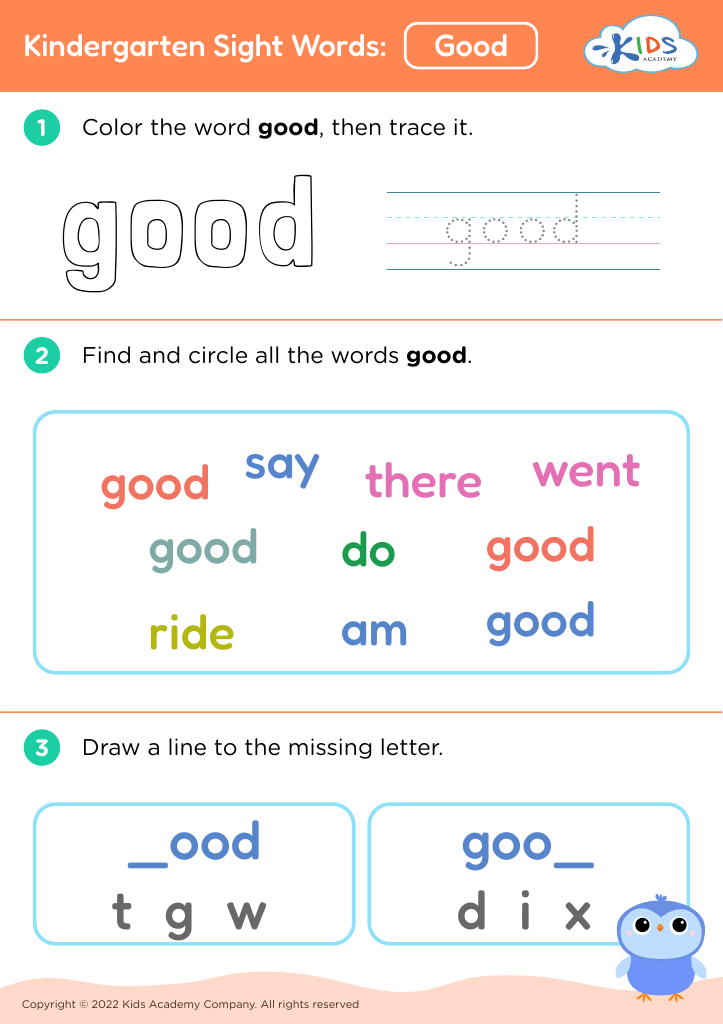
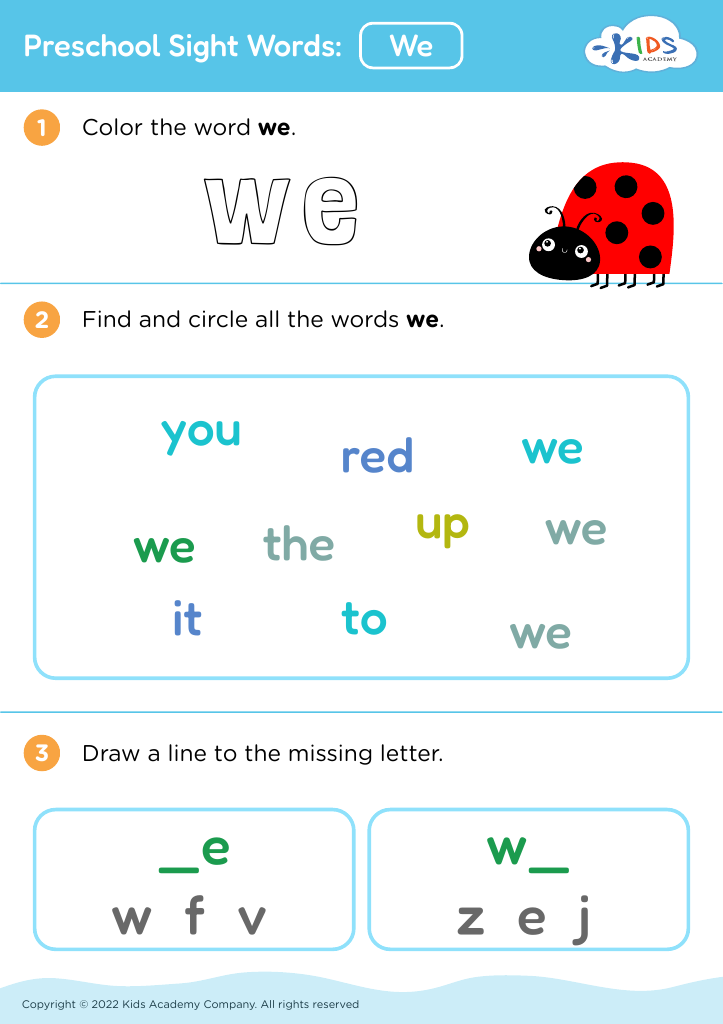





.jpg)


Counting skills and building vocabulary are foundational aspects of early childhood development that have profound implications for future academic success and everyday life skills. Parents or teachers should prioritize these areas for 4-year-olds because they foster cognitive development, improve communication, and lay the groundwork for mathematical understanding.
Counting skills are fundamental for numerical literacy. By learning to count, children grasp the concept of numbers, sequences, and patterns, which are integral for more complex math problems they will encounter later. This basic numerical competency fosters critical thinking and problem-solving abilities. For example, understanding numerical relationships helps in basic tasks like recognizing quantities, differences, and similarities.
Simultaneously, building vocabulary enhances a child's capacity to express thoughts, emotions, and needs effectively. A rich vocabulary supports reading and writing skills as children grow, facilitating better understanding and communication. It also aids social interactions, enabling children to engage meaningfully in conversations and build relationships.
Together, counting skills and vocabulary development encourage a holistic approach to learning. They each support aspects of literacy and numeracy, equipping children with the essential tools they need for effective learning and success both in school and everyday activities. Investing in these skills at a young age not only boosts current cognitive abilities but also cultivates a lifelong love for learning.








