
Fraction comparison Building Vocabulary Worksheets for 4-Year-Olds
7 filtered results
Difficulty Level
Grade
Age
-
From - To
Subject
Activity
Standards
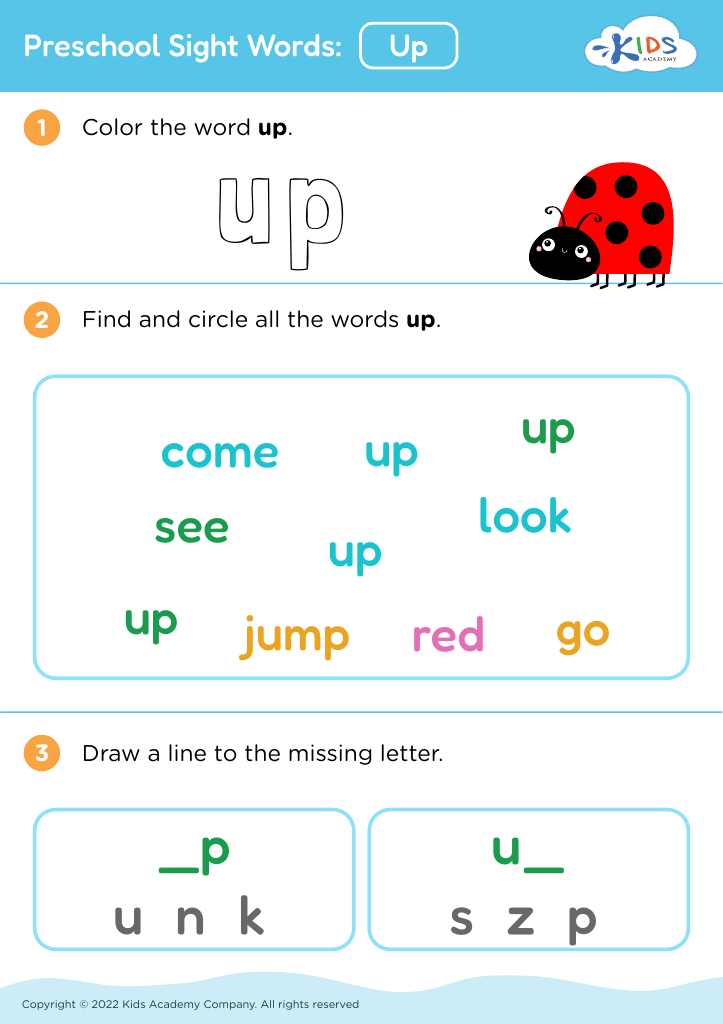
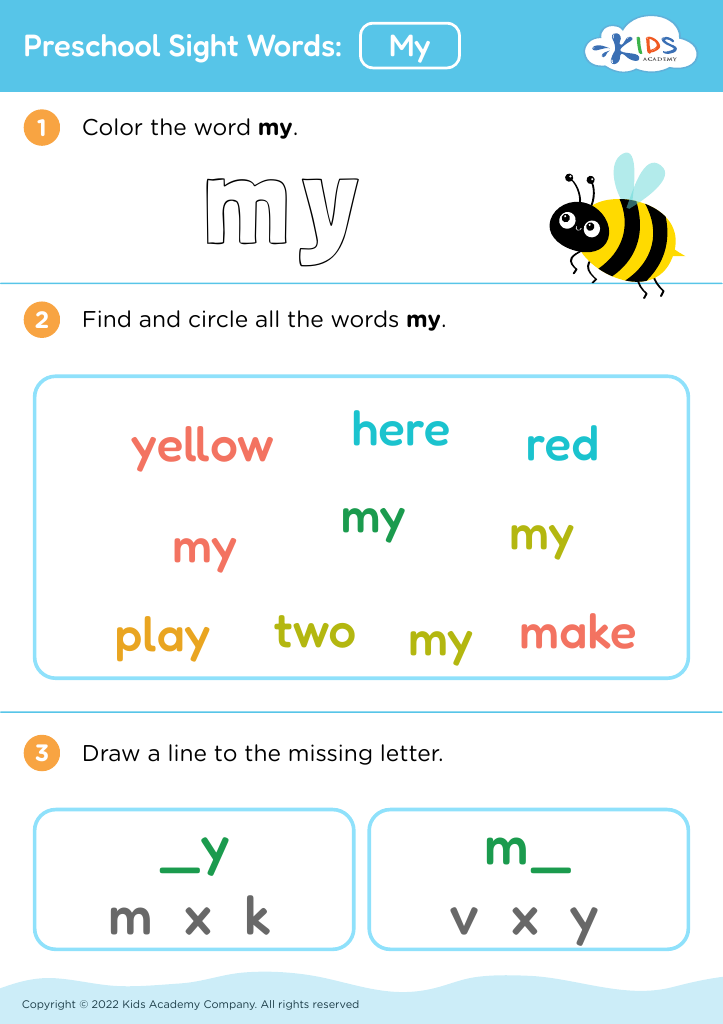
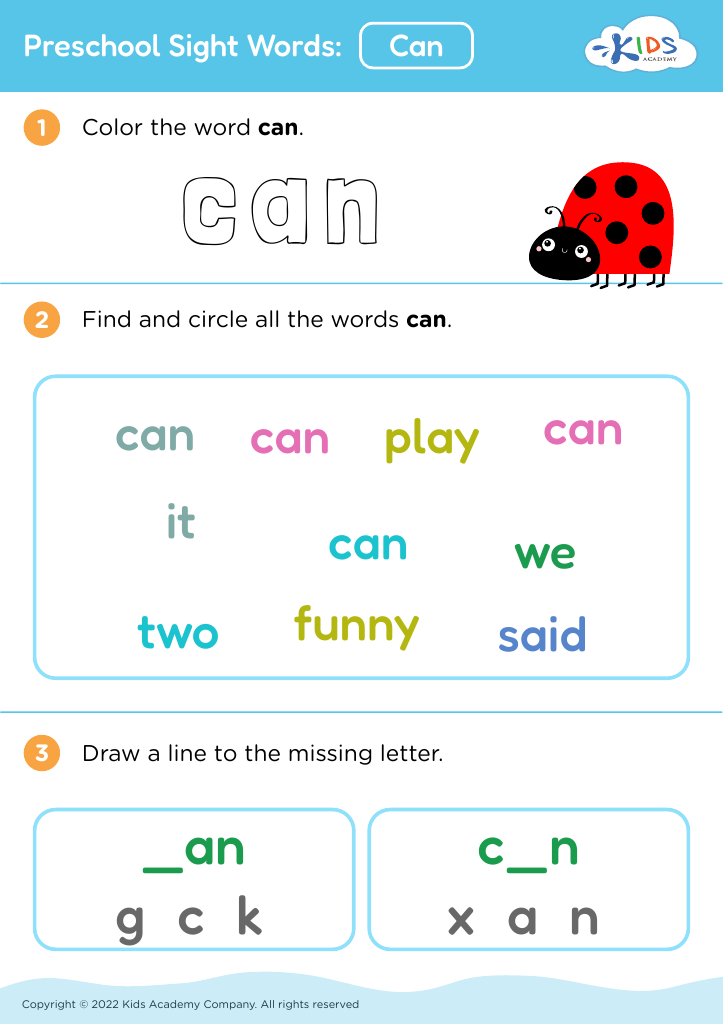
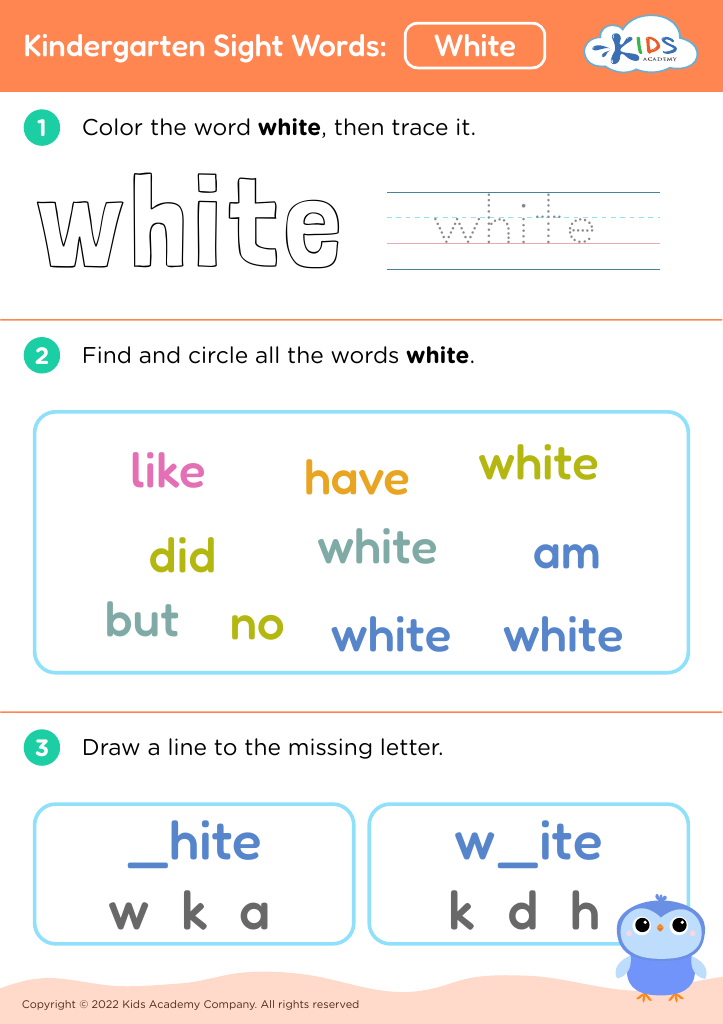
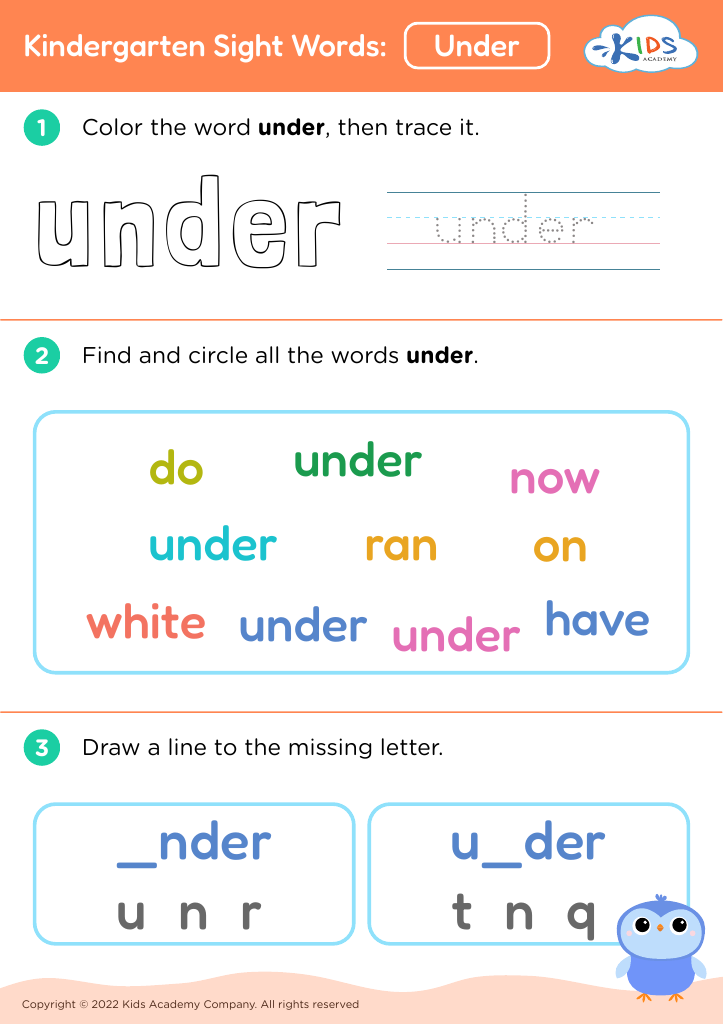
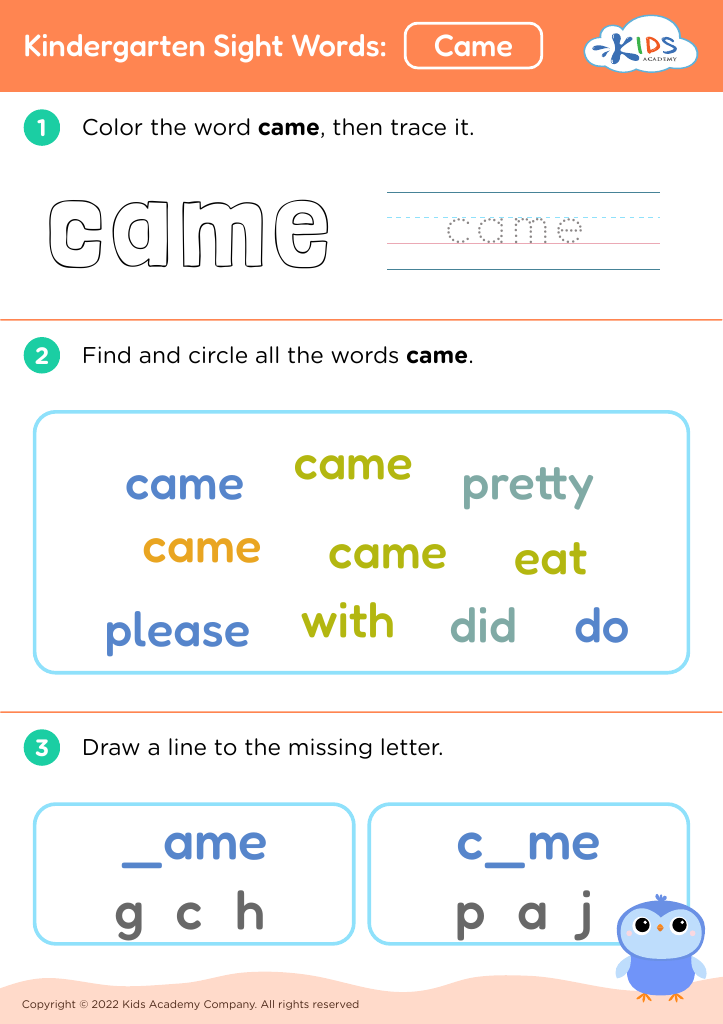
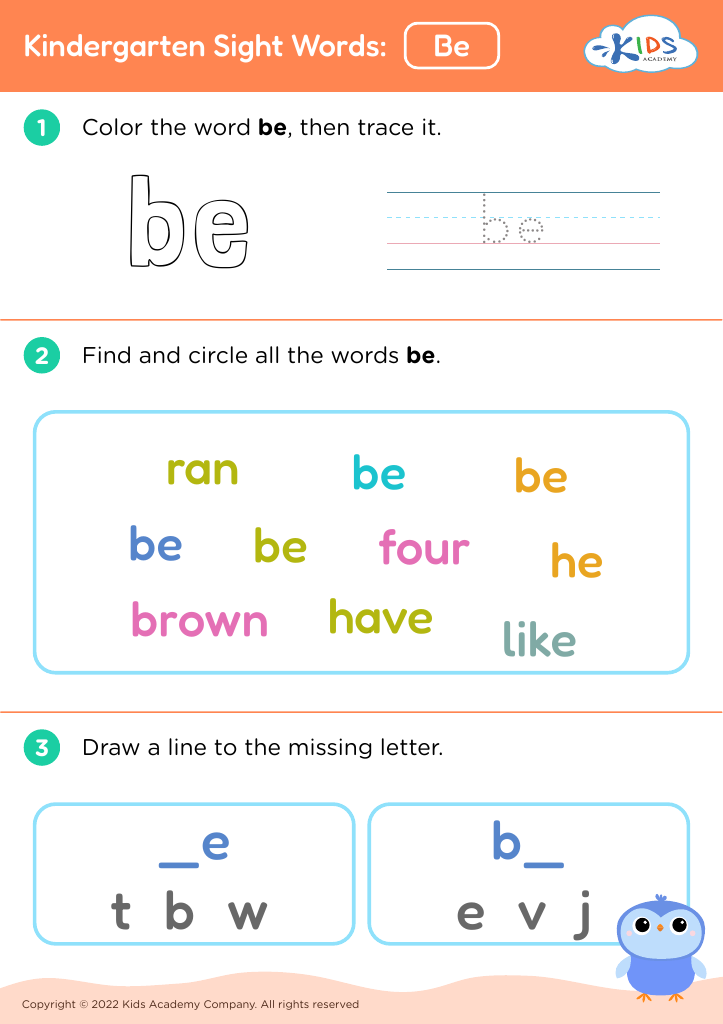
Unlock the world of fractions with our Fraction Comparison Building Vocabulary Worksheets for 4-year-olds! These engaging worksheets introduce young learners to fundamental fraction concepts by building essential vocabulary. Specially designed for preschoolers, the activities foster early math skills, visual comparison, and word recognition. Colorful and interactive, they make learning fractions fun and accessible, helping children to identify halves, quarters, and more. Ideal for at-home practice or in the classroom, these worksheets provide a solid foundation for future math success. Empower your child's learning journey with our expertly crafted fraction comparison worksheets today!
Favorites
With answer key
Interactive











Join Kids Academy for Free
Who is primarily going to use this learning content?



.jpg)




Parents and teachers should prioritize building vocabulary for fraction comparison in 4-year-olds because it lays a vital foundation for mathematical understanding and critical thinking. At this tender age, children's brains are remarkably receptive to new concepts and language. Introducing them to fraction vocabulary such as "half," "one-third," and "quarter" in practical, engaging contexts helps make these foundational math concepts intuitive and familiar.
Even basic exposure to sorting and comparing fractions equips children with problem-solving skills and the ability to understand more abstract mathematical concepts later on. It also promotes numeric literacy, as children start to grasp how parts relate to whole numbers, setting the stage for more complex arithmetic learning in subsequent years.
Moreover, engaging children in using fraction vocabulary fosters linguistic development, enhancing their ability to describe and think about different quantities and relationships. This dual gain in math skills and vocabulary enriches cognitive development overall, paving the way for academic success across various subjects.
Additionally, making fraction learning fun through games, storytelling, and hands-on activities encourages a positive attitude towards math. This early positive experience can diminish math anxiety in the future, making children more confident and capable learners. Therefore, integrating fraction comparison vocabulary into early education benefits children tremendously on both developmental and academic levels.








