Reading comprehension Reading Non-Fiction Worksheets for 4-Year-Olds
5 filtered results
-
From - To
Welcome to our Reading Comprehension Worksheets for 4-Year-Olds, where young learners explore the fascinating world of non-fiction! Designed to nurture curiosity, these engaging worksheets introduce preschoolers to informational texts through fun topics. Each activity encourages comprehension skills, helping kids to identify main ideas, answer questions, and make connections. With vibrant illustrations and age-appropriate content, your little ones will develop crucial reading skills while discovering new concepts about the world around them. Ideal for parents and educators, these worksheets not only enhance literacy but also inspire a lifelong love of reading. Dive into our collection and watch your child's knowledge grow!
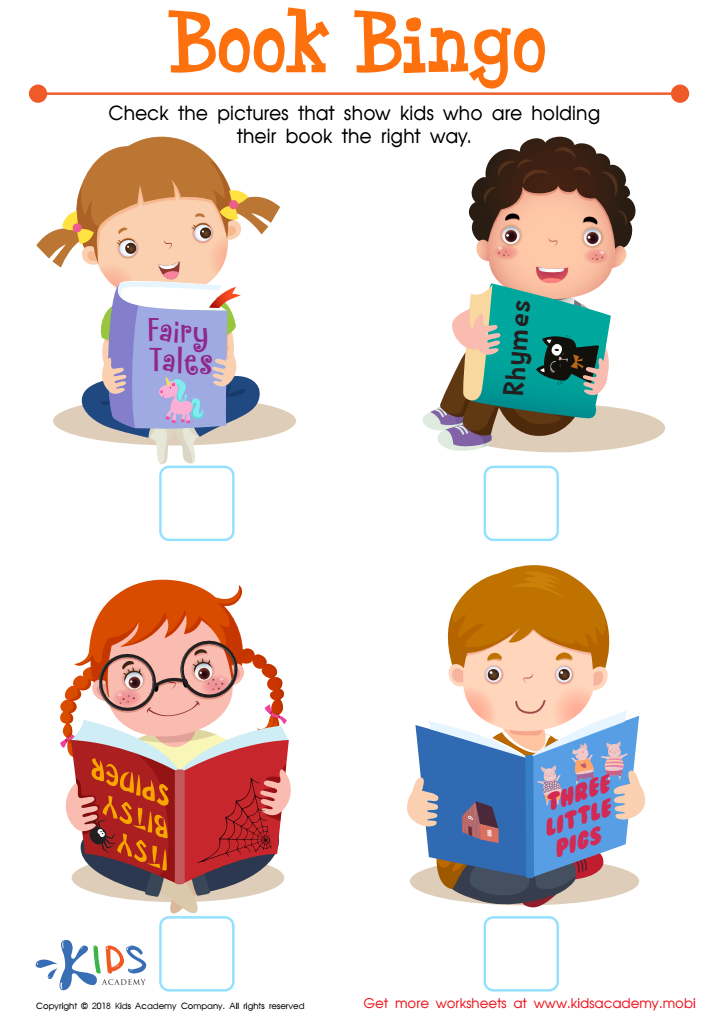
Book Bingo Worksheet
 Assign to My Students
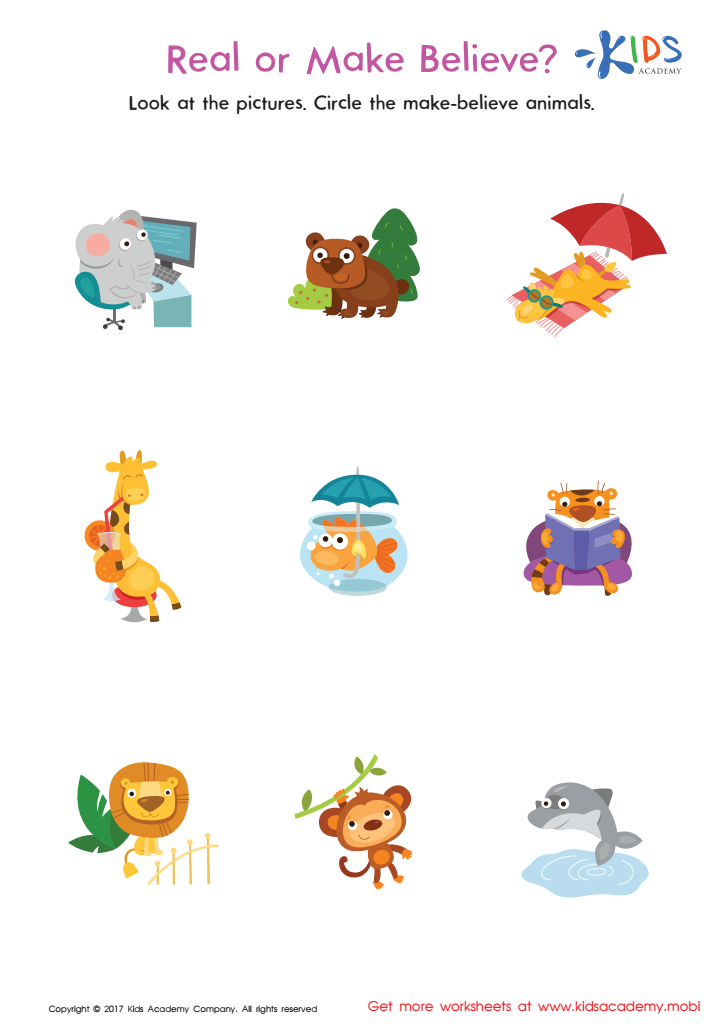
Fact or Make Believe Worksheet
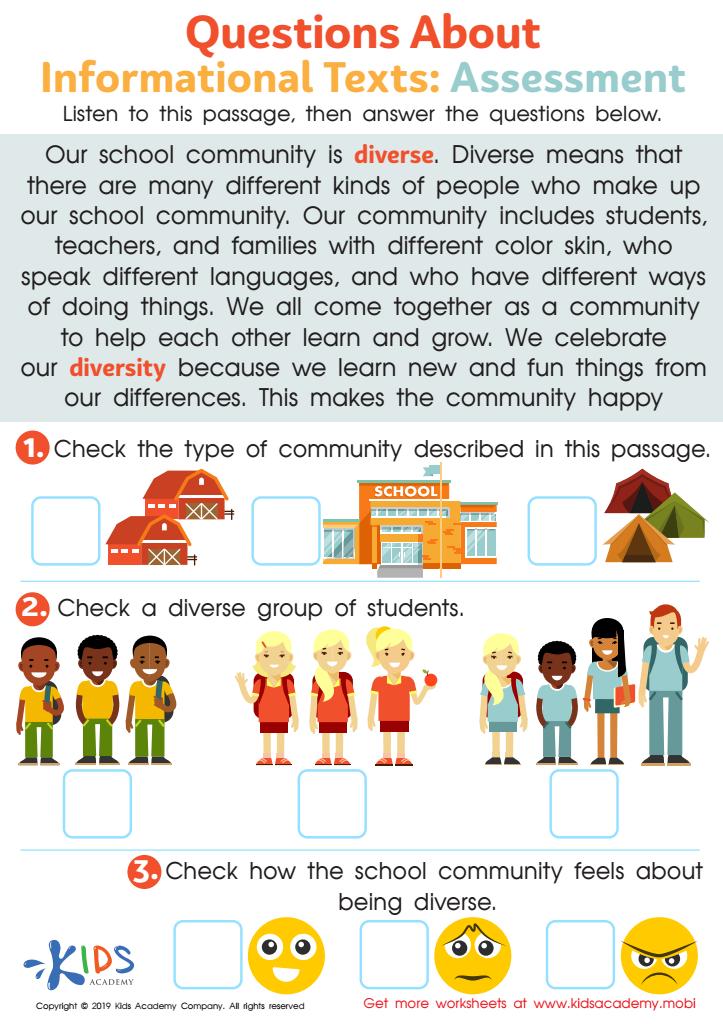
Questions About Informational Texts: Assessment 1 Worksheet
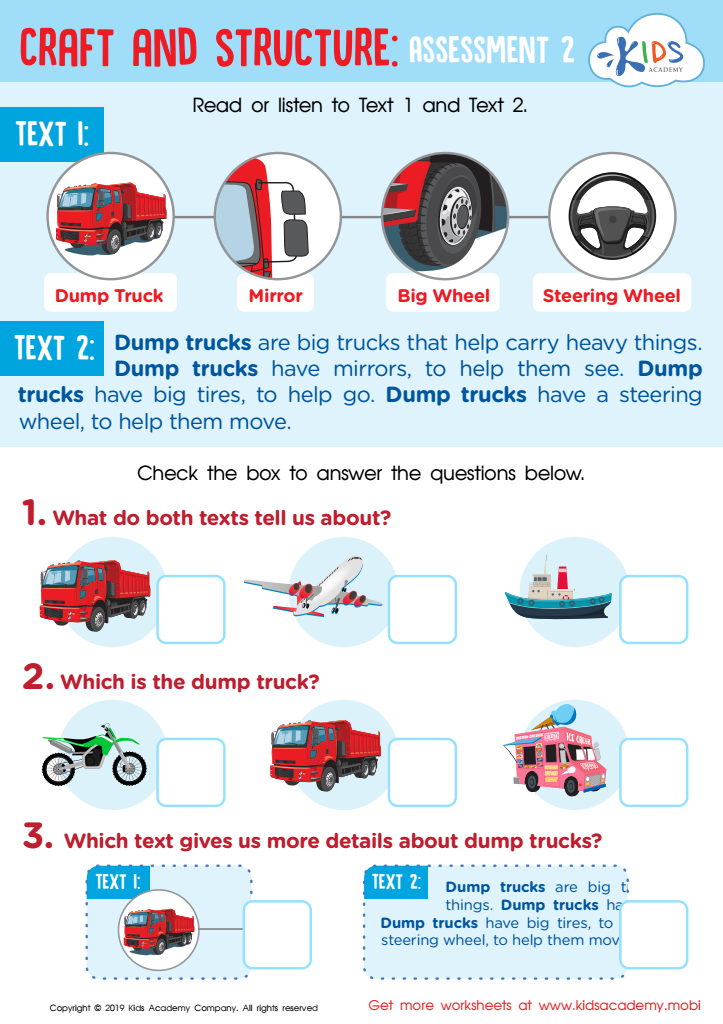
Craft and Structure: Assessment 2 Worksheet
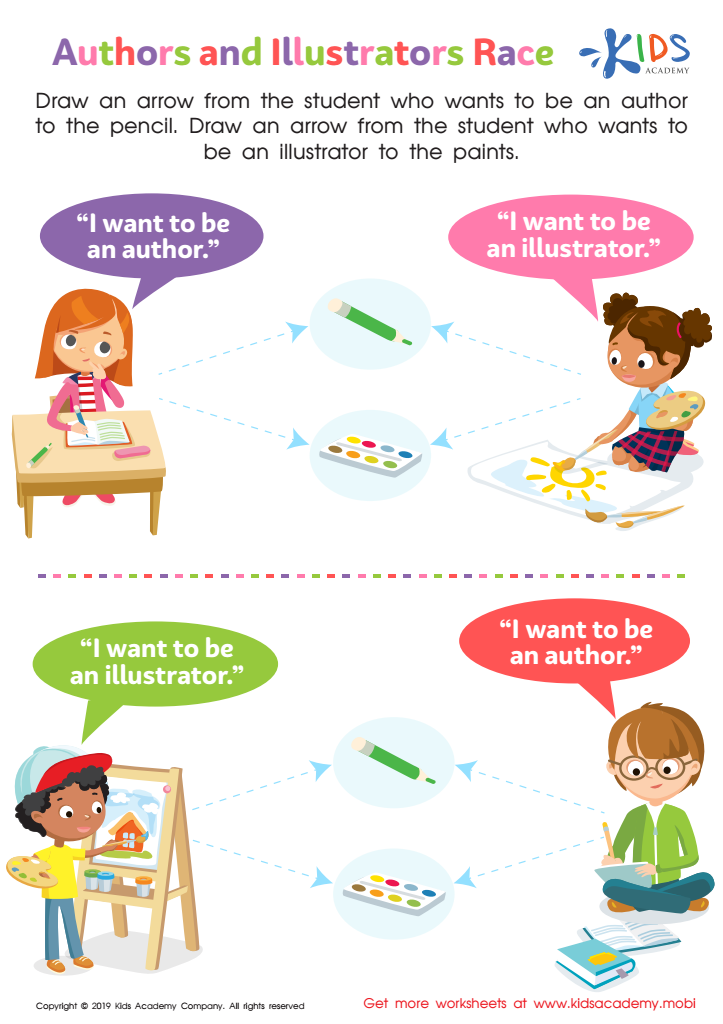
Authors and Illustrators Race Worksheet








Reading comprehension, particularly through non-fiction texts, is crucial for 4-year-olds as it lays a solid foundation for their future learning and cognitive development. At this age, children are naturally curious about the world around them. Introduce them to non-fiction materials, such as simple books about animals, space, or everyday life, which cater to their inquisitive nature. These texts help young learners build vocabulary, understand concepts, and grasp basic facts.
When parents and teachers focus on reading comprehension at this early stage, they encourage critical thinking and engagement with various topics. This not only enhances language skills but also fosters a lifelong love for reading and learning. Non-fiction reading provides opportunities to ask questions and discuss information, which boosts conversational skills. Engaging with factual texts encourages exploration and inquiry, aiding in the development of foundational literacy skills and enabling children to connect ideas with real-world contexts.
Moreover, strong comprehension skills developed early on can lead to greater success in academic settings. By promoting reading non-fiction at this age, parents and teachers can nurture well-rounded, informed learners who are excited about discovering new things and navigating complex ideas as they grow.








