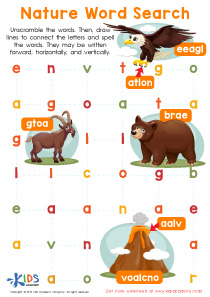
Understanding patterns Sight Words Worksheets for 4-Year-Olds
4 filtered results
-
From - To
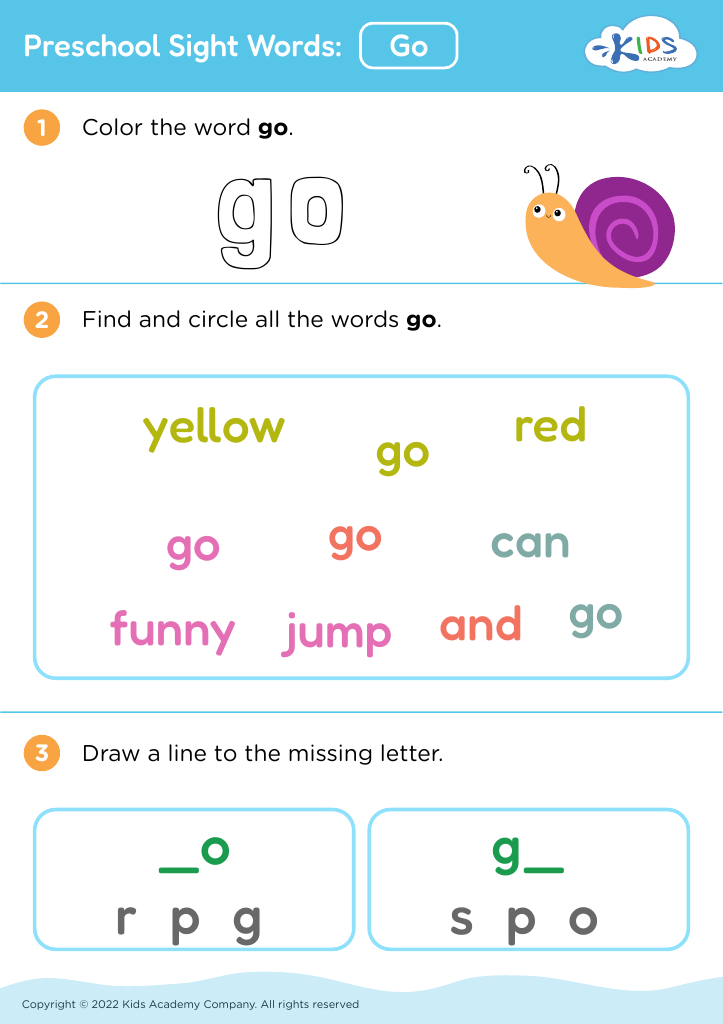
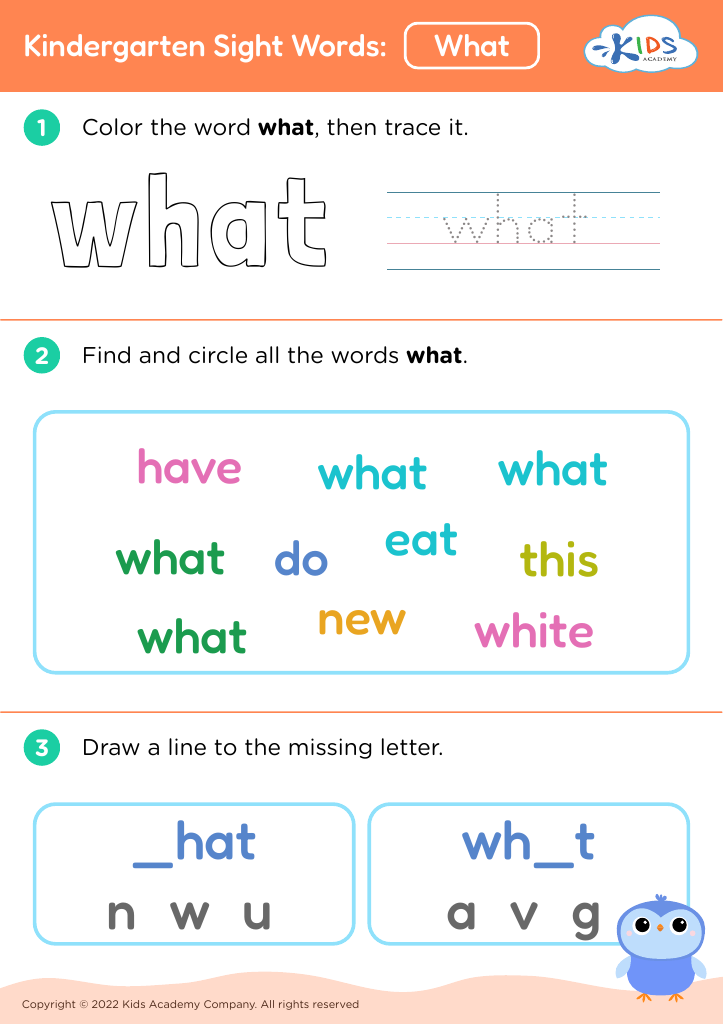
Discover our engaging "Understanding Patterns Sight Words Worksheets" designed specifically for 4-year-olds! These worksheets focus on fostering early literacy by introducing young learners to essential sight words through fun pattern recognition activities. Each worksheet encourages children to identify, match, and fill in sight words, promoting their reading comprehension and vocabulary development. With vibrant illustrations and interactive exercises, these resources make learning exciting and effective. Perfect for home or preschool settings, our worksheets support early learners in mastering foundational reading skills while cultivating a love for learning. Help your child build confidence and fluency with our specially crafted sight words activities today!
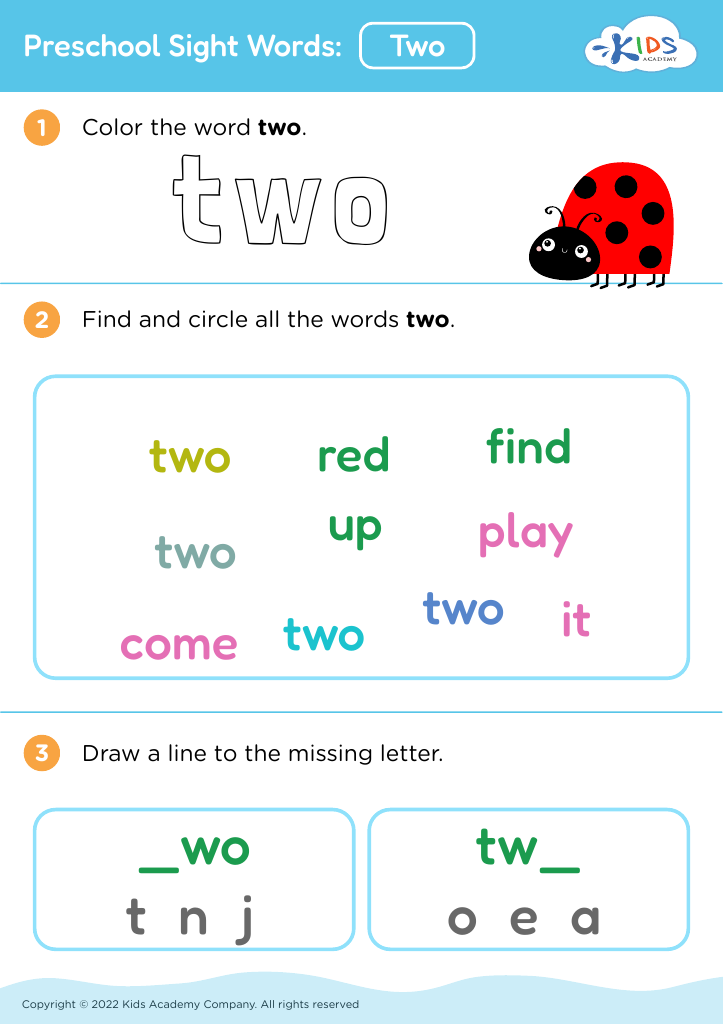
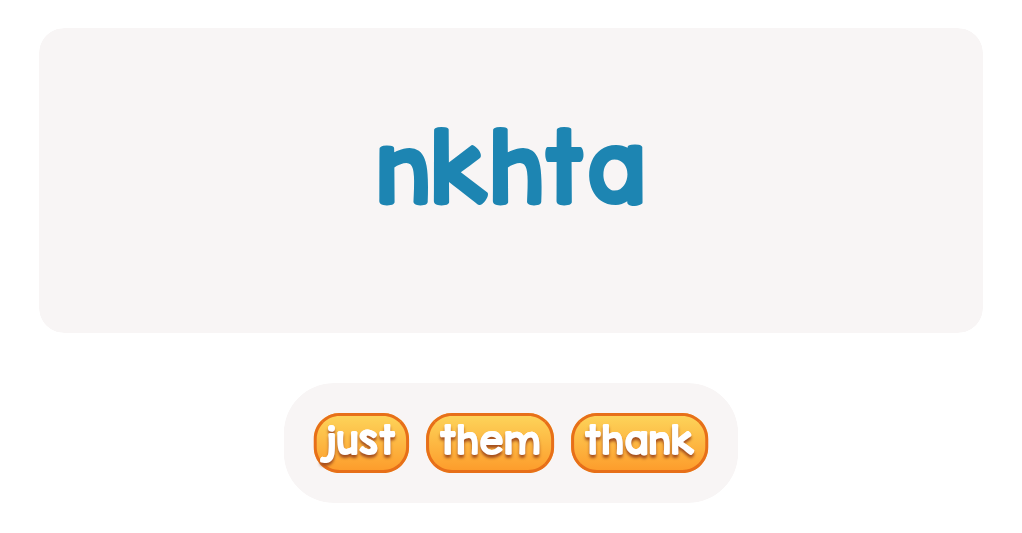




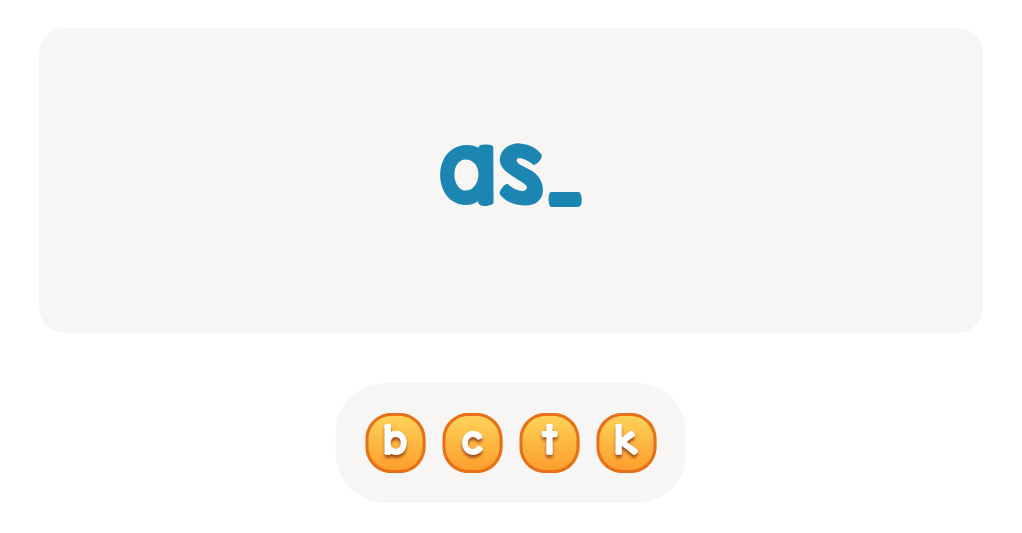
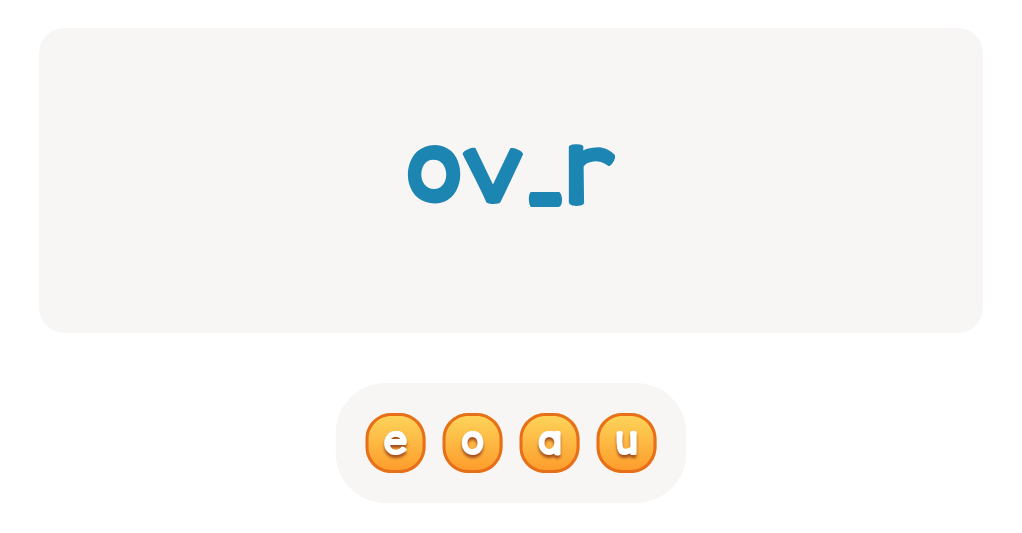
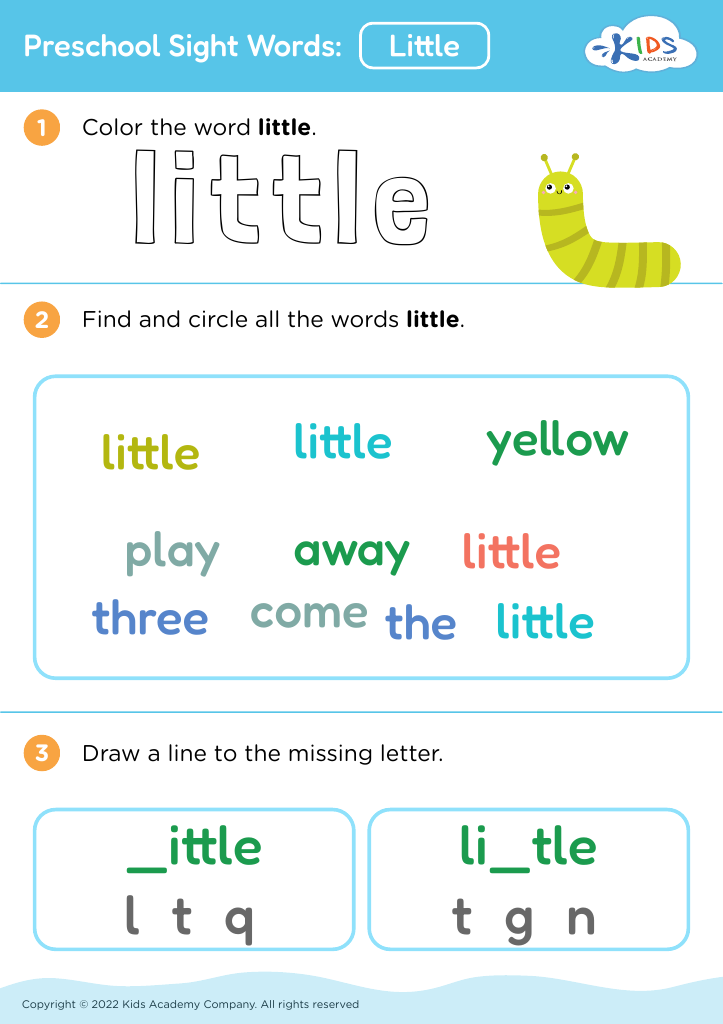






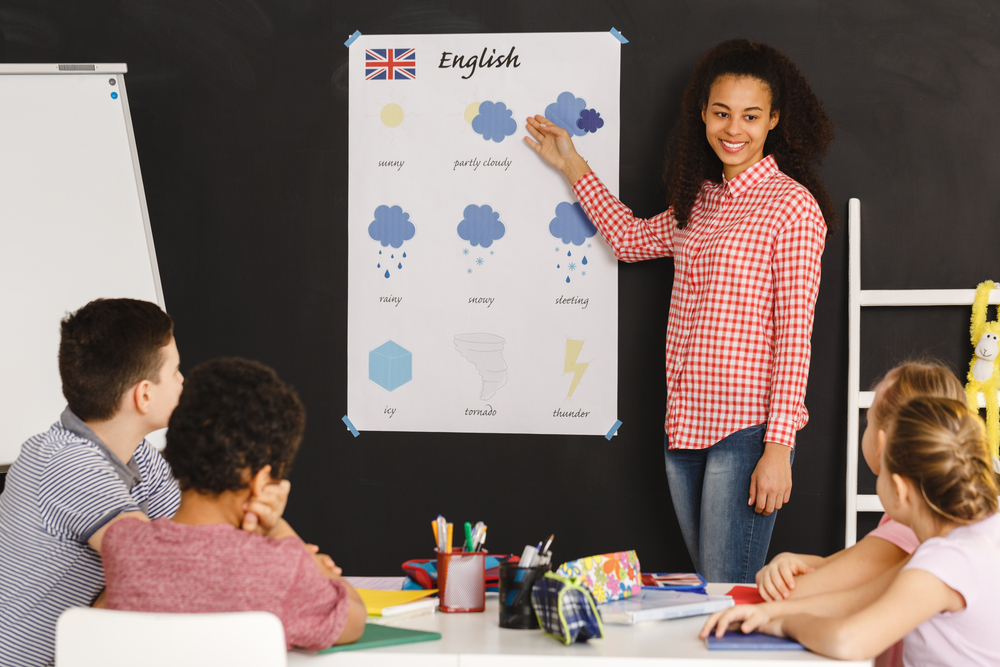

Understanding patterns and sight words is crucial for the early literacy development of 4-year-olds. At this age, children are rapidly acquiring language skills, and recognizing sight words lays a foundation for fluent reading. Sight words are commonly used words that children encounter frequently in texts, making up a significant portion of what they read. By mastering these words, children can improve their reading confidence and comprehension, enabling them to focus on understanding the stories rather than struggling with pronunciation.
Moreover, recognizing patterns in language—such as rhymes, syllables, and word families—helps children predict and make connections between words. This skill enhances their ability to decode new words and fosters a love for reading. Engaging with sight words and patterns also supports cognitive development by encouraging critical thinking, observation, and problem-solving.
Parents and teachers play an essential role in this process by providing rich literacy experiences, such as reading together, playing word games, and encouraging discussions about books. By prioritizing comprehension of patterns and sight words, they empower children to become active, confident readers, setting the stage for successful academic journeys ahead. Engaging children with literacy at an early age nurtures their love for learning and establishes essential skills for future educational achievements.