Fine motor skills development ABC Letters Worksheets for Ages 5-6
3 filtered results
-
From - To
Enhance your child's fine motor skills with our engaging ABC Letters Worksheets, designed specifically for ages 5-6. These worksheets provide fun and interactive activities that promote hand-eye coordination, dexterity, and control through colorful exercises focused on each letter of the alphabet. Perfect for early learners, these resources encourage creativity and help build confidence as children practice tracing, writing, and coloring. Watch their skills flourish while they enjoy playful tasks that seamlessly integrate learning with play. Equip your child with essential writing and motor skills through our thoughtfully crafted worksheets that make mastering the alphabet both educational and enjoyable!
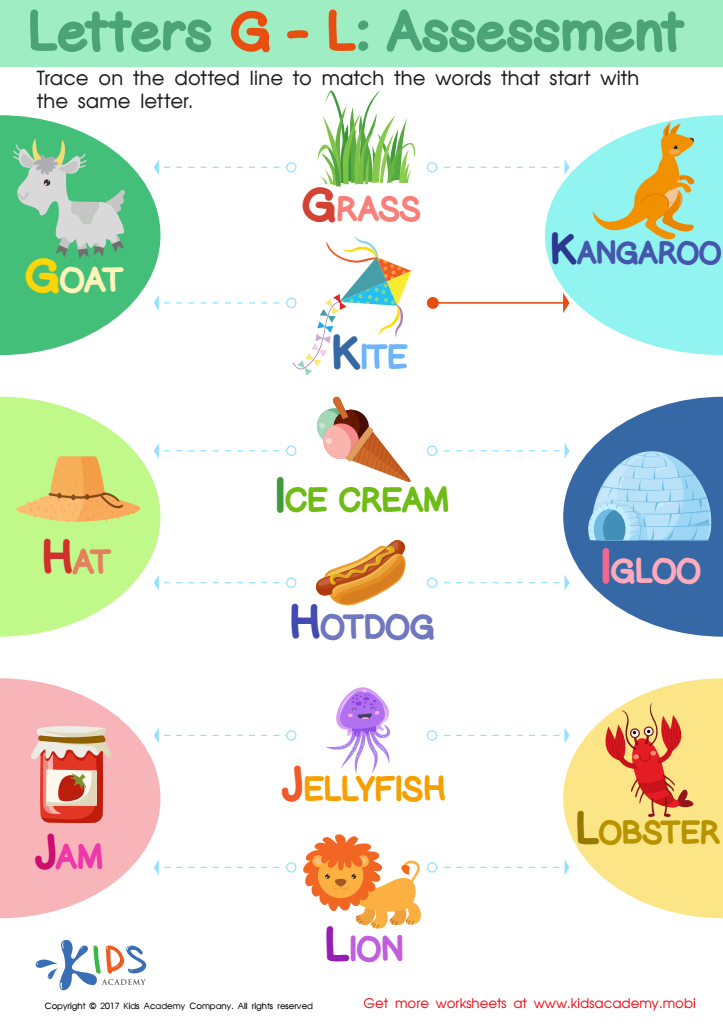
Letters G-L Worksheet











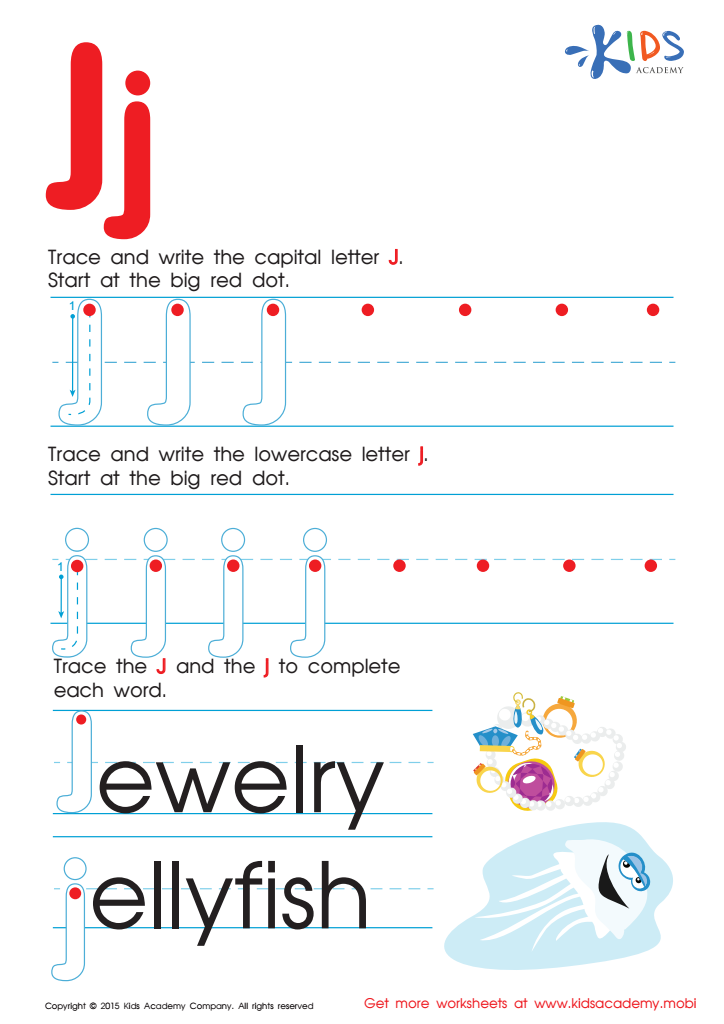
Letter J Tracing Page
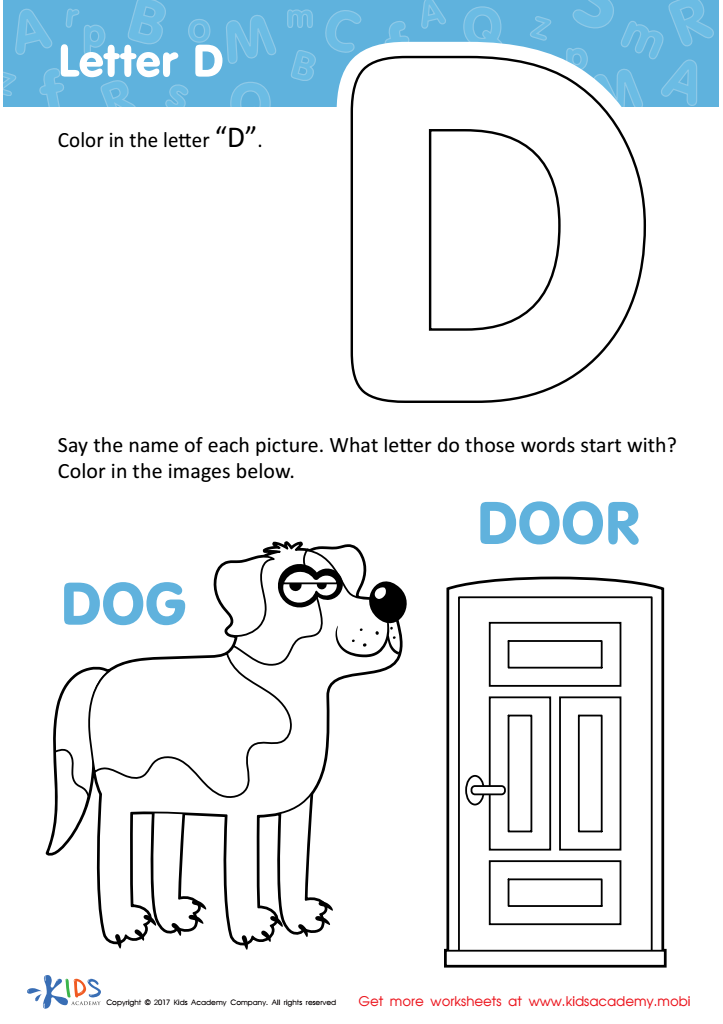
Letter D Coloring Sheet
 Assign to My Students






Parents and teachers should pay close attention to fine motor skills development, particularly as it relates to recognizing and writing ABC letters for children aged 5-6. Fine motor skills involve the precise use of hands and fingers, which are crucial for various everyday tasks like writing, buttoning clothes, and zyzzxxpplying simple tools. In this critical stage of development, fine motor skills not only enhance academic readiness but also boost a child's confidence and independence.
Mastering fine motor skills enables young children to properly grip a pencil, which is essential for letter writing and producing legible text. Good hand-eye coordination is important for both academic performance and creative activities like drawing, which encourages self-expression. Furthermore, these skills are foundational for later complex tasks in both the classroom and personal life.
By actively promoting fine motor activities—be it through tracing letters, crafting, or simple exercises—parents and teachers can significantly aid children in mastering the foundational skills necessary for academic success. Early investment in fine motor skill development fosters cognitive growth, improves focus, and prepares students for a smooth transition into more in-depth learning experiences. Making this a priority will set the stage for a lifetime of learning and achievement.







