Motor skills development ABC Letters Worksheets for Ages 5-6
3 filtered results
-
From - To
Discover our engaging "Motor Skills Development ABC Letters Worksheets" designed specifically for children ages 5-6! Our worksheets combine fun and education, helping young learners enhance their motor skills while exploring the alphabet. Each worksheet features captivating activities that encourage letter recognition and writing practice, all while improving fine motor coordination. By tracing, coloring, and completing interactive tasks, children will gain confidence in their writing abilities. Ideal for preschool and kindergarten settings, our resources provide a perfect foundation for early literacy. Equip young learners with essential skills needed for academic success while enjoying the process of discovering the enchanting world of letters!

Letter H Tracing Page










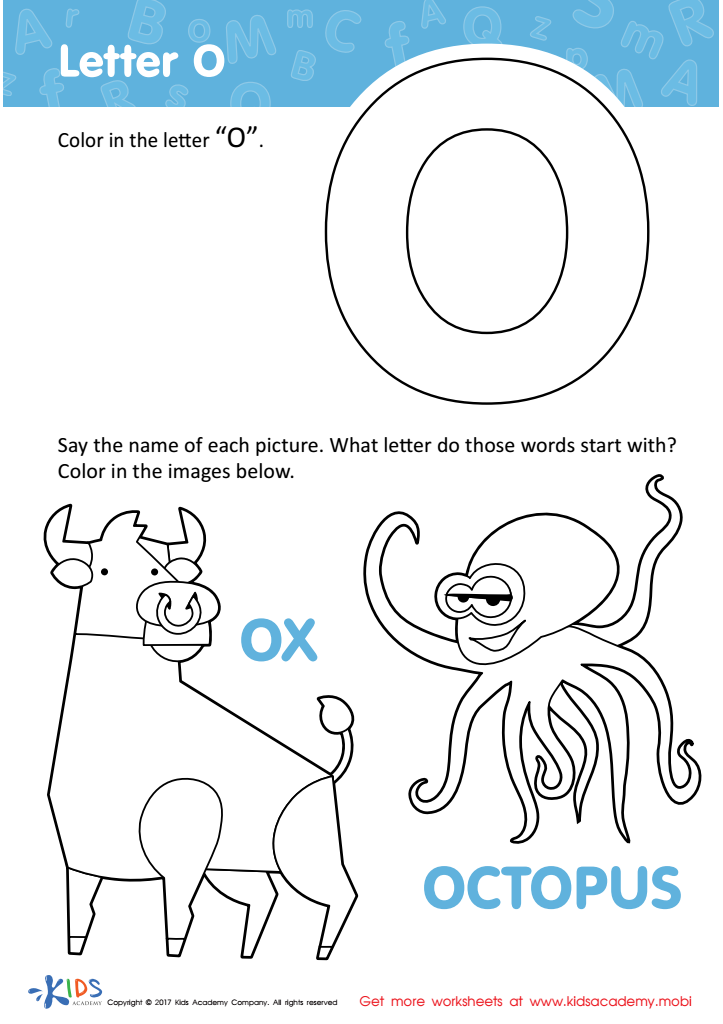
Letter O Coloring Sheet
 Assign to My Students
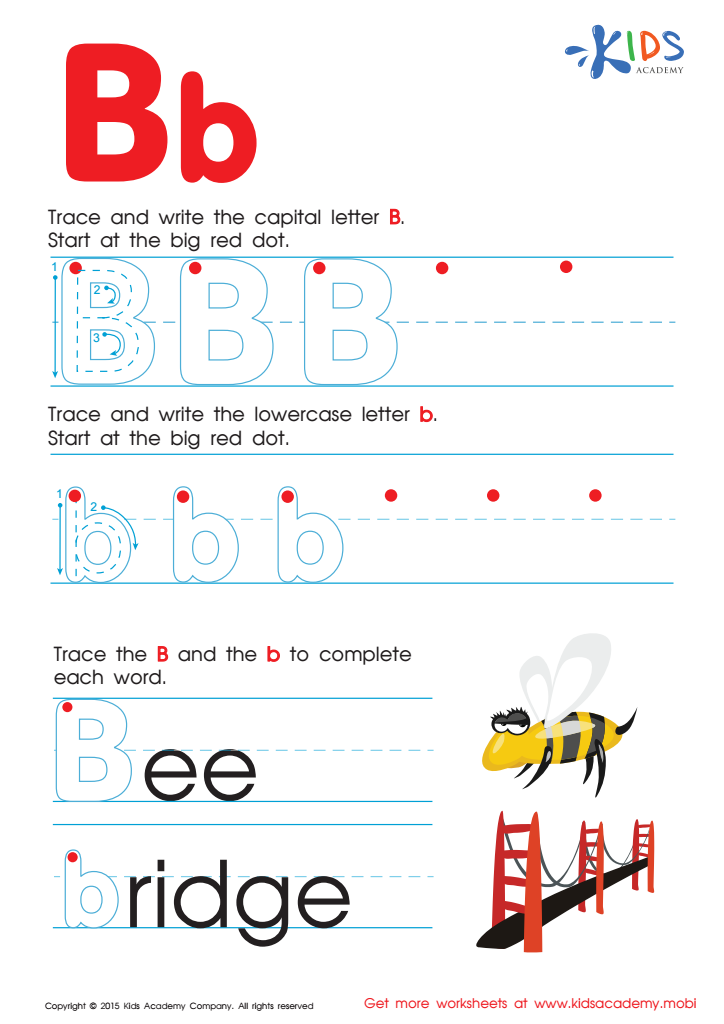
Letter B Tracing Page







Motor skill development is crucial for children aged 5-6, especially regarding their ability to learn and recognize ABC letters. At this stage, children are honing their fine motor skills, which include hand-eye coordination, dexterity, and hand strength. These skills are fundamental for activities like writing, drawing, and manipulating objects, all of which lay the groundwork for literacy and academic achievement.
When children engage in activities that promote motor skills while learning the alphabet—such as using playdough to form letters, tracing letters with their fingers, or participating in letter-based crafts—they reinforce both their muscle memory and cognitive understanding of letters. This multi-sensory approach fosters a deeper understanding, making it easier for them to read and write fluently as they progress in their education.
Additionally, motor skill development can boost a child’s confidence and self-esteem. As they become more proficient in handling tasks that involve the alphabet, they feel more capable and motivated to tackle more complex challenges. Therefore, parents and teachers should prioritize motor skills development in their curriculum and at home, recognizing its lasting impact on early literacy and overall learning success. Nurturing these skills now sets the foundation for lifelong learning and academic achievement.







