Alphabet Learning Alphabet Worksheets for Ages 5-6
5 filtered results
-
From - To
Discover our interactive "Alphabet Learning Alphabet Worksheets for Ages 5-6," designed to lay a strong foundation for young learners. These engaging resources from Kids Academy focus on recognizing, writing, and pronouncing each letter, fostering crucial literacy skills. Tailored specifically for 5 to 6-year-olds, each worksheet is enriched with vibrant visuals, fun activities, and practice exercises to create a joyful learning experience. Support your child’s language development and boost their confidence with our easy-to-use, printable materials. Unlock a world of learning success and make alphabet learning enjoyable and effective with Kids Academy's expert-crafted tools.
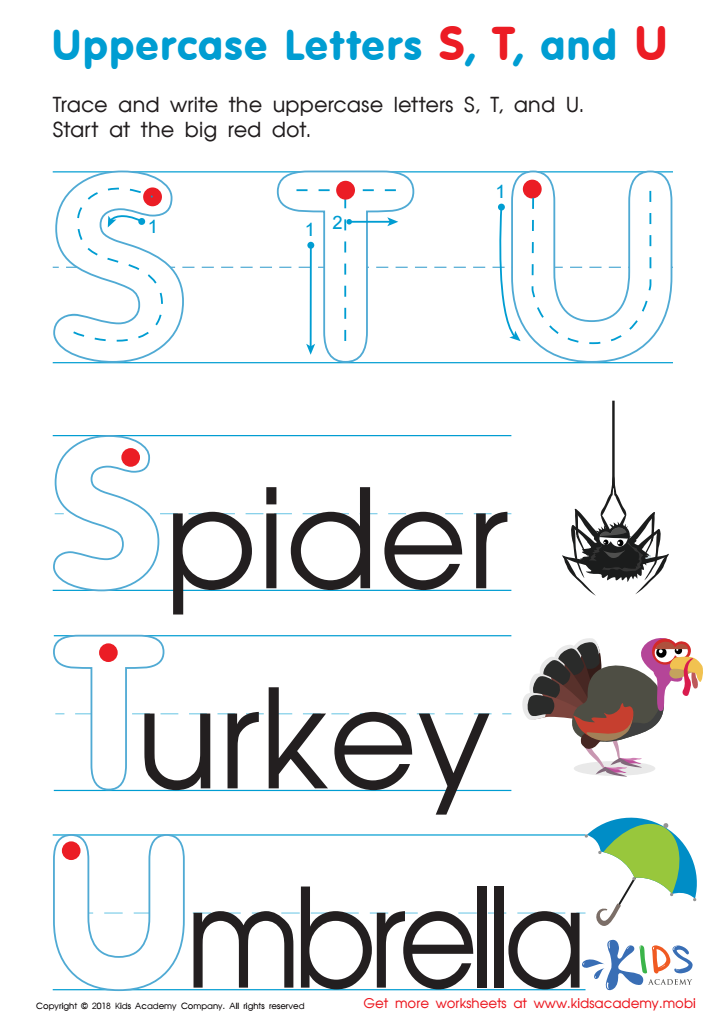
Uppercase Letters S, T, and U Worksheet
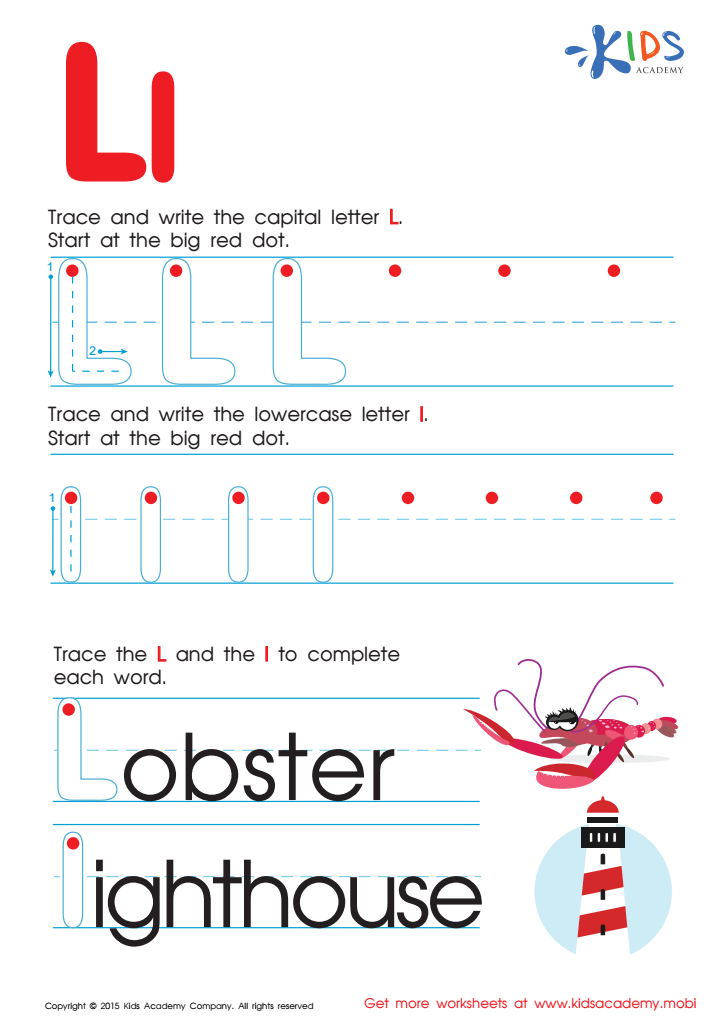
Letter L Tracing Page
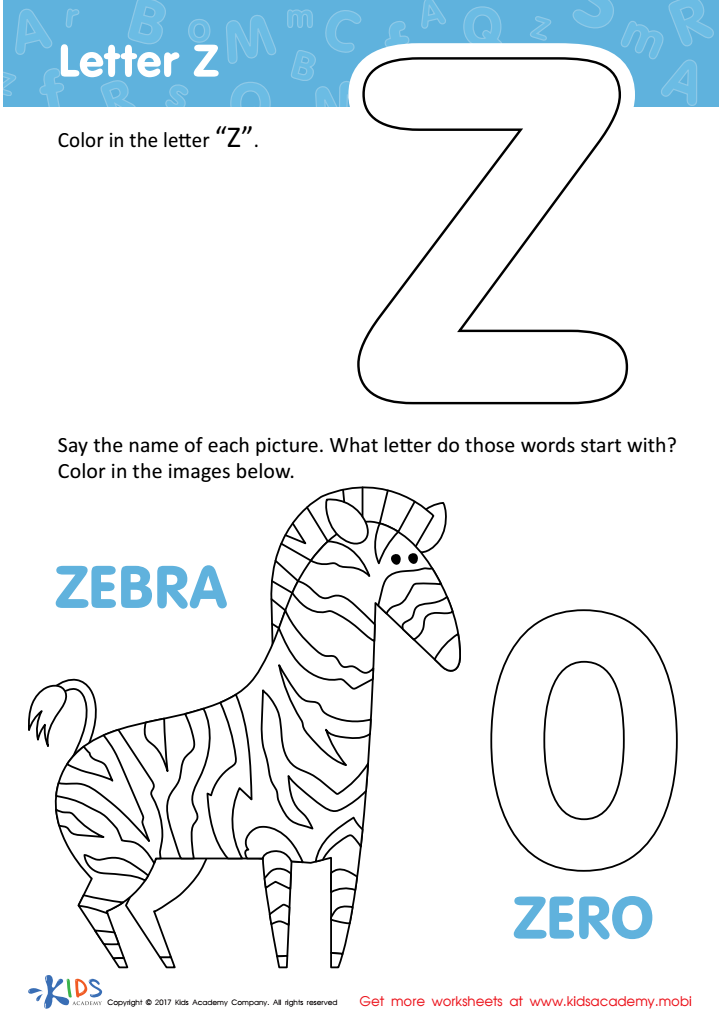
Letter Z Coloring Sheet
 Assign to My Students
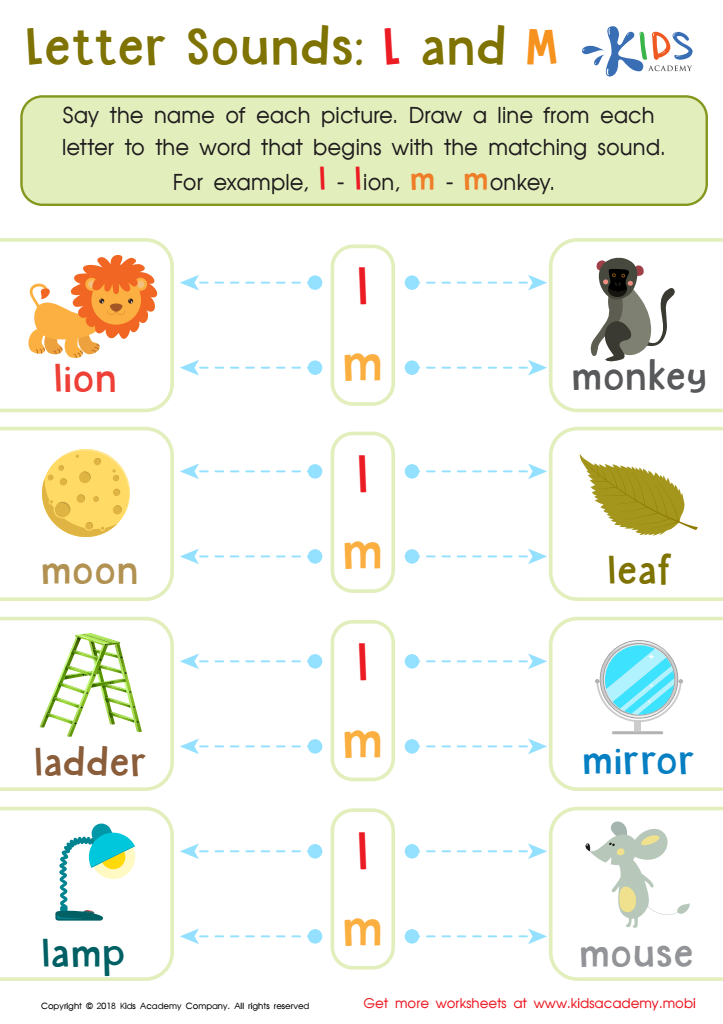
Letter l and M Sounds Worksheet
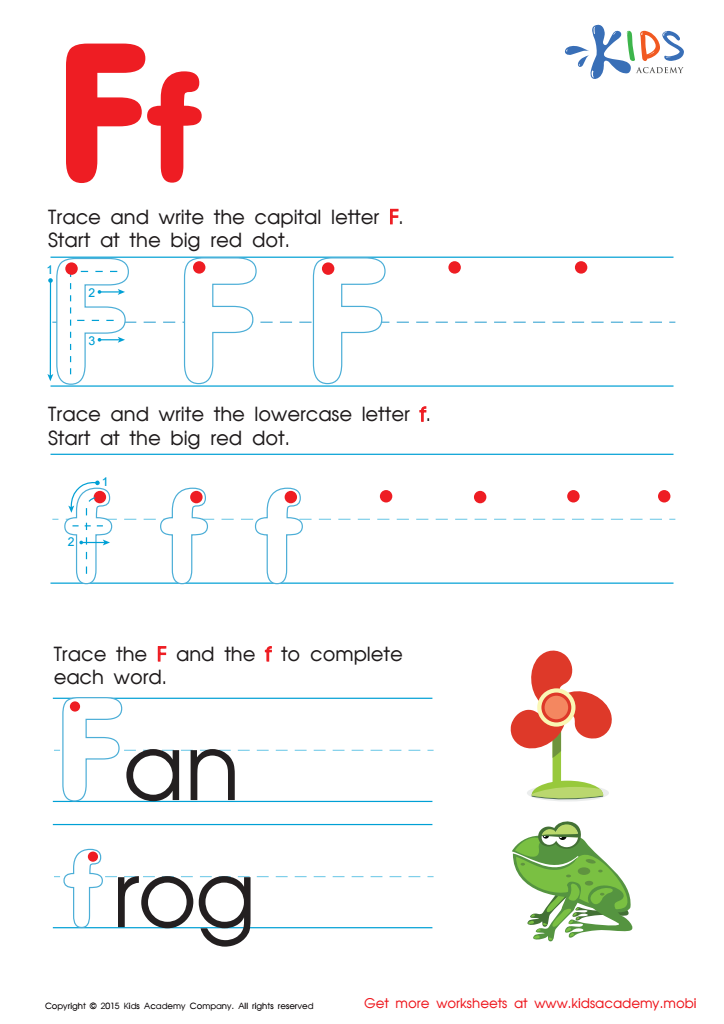
Letter F Tracing Page








Alphabet learning is a foundational cornerstone in a child's early educational journey, especially for ages 5-6. It is crucial for both parents and teachers to prioritize this stage of learning. During these formative years, children's brains are highly receptive to new information, and learning the alphabet cultivates key literacy skills that set the stage for future academic success. Understanding the alphabet contributes to the development of phonemic awareness, enabling children to comprehend sounds that form words, thus forming the gateway to reading and writing.
Without a solid grasp of the alphabet, children may struggle with reading comprehension and overall communication skills later on. Early mastery of alphabet concepts has been correlated with higher success rates in subsequent literacy learning, such as word recognition and spelling. For teachers, having students who are proficient in the alphabet allows for more effective classroom instruction, reducing the need for remediation. For parents, engaging in alphabet-focused activities such as singing ABC songs, reading alphabet books, and playing educational games provides valuable bonding time and fosters a love for learning in a nurturing environment.
Overall, prioritizing alphabet learning for children ages 5-6 creates an essential framework that supports continuous educational development and instills confidence in their abilities to tackle more complex subjects down the road.







