Handwriting practice Alphabet Worksheets for Ages 5-6 - Page 3
55 filtered results
-
From - To
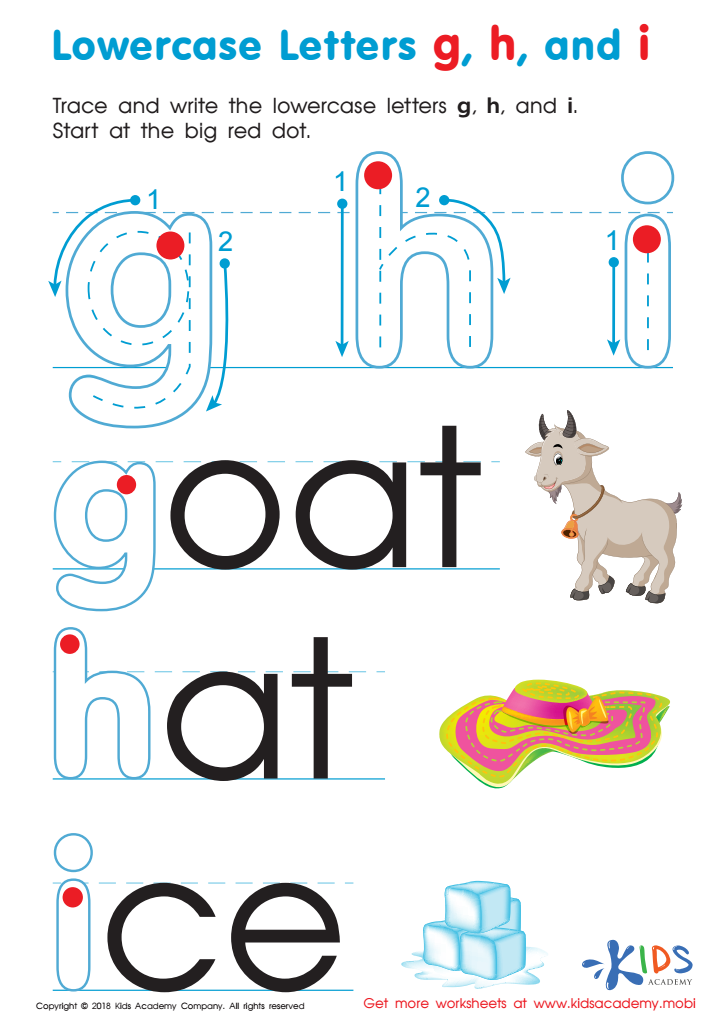
Lowercase Letters g h i Worksheet
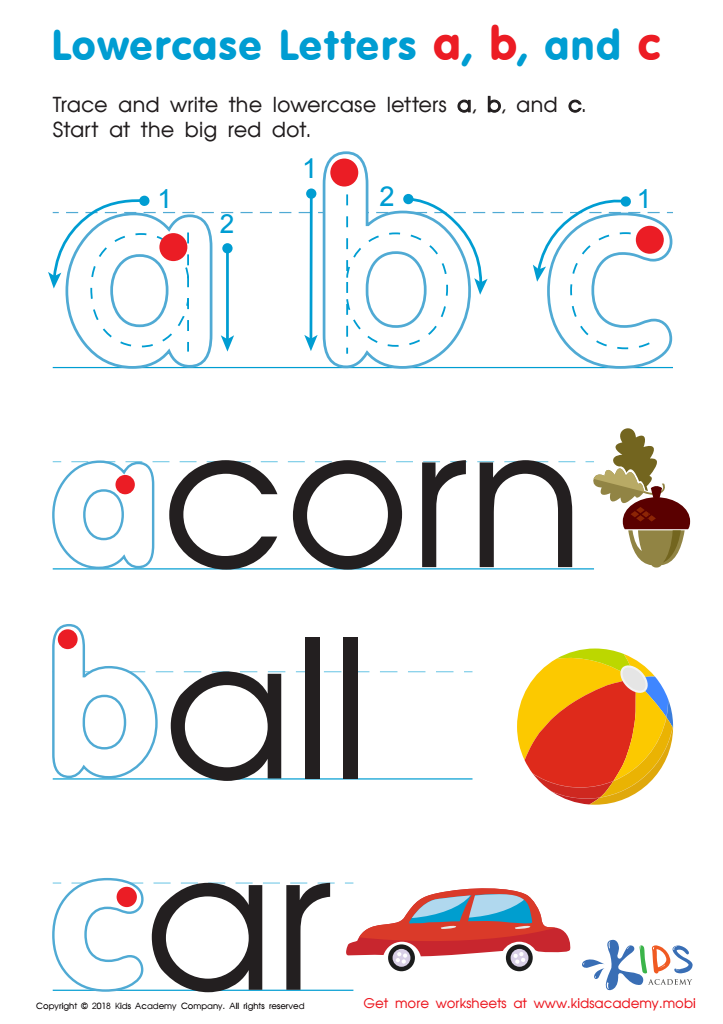
Lowercase Letters a b c Worksheet
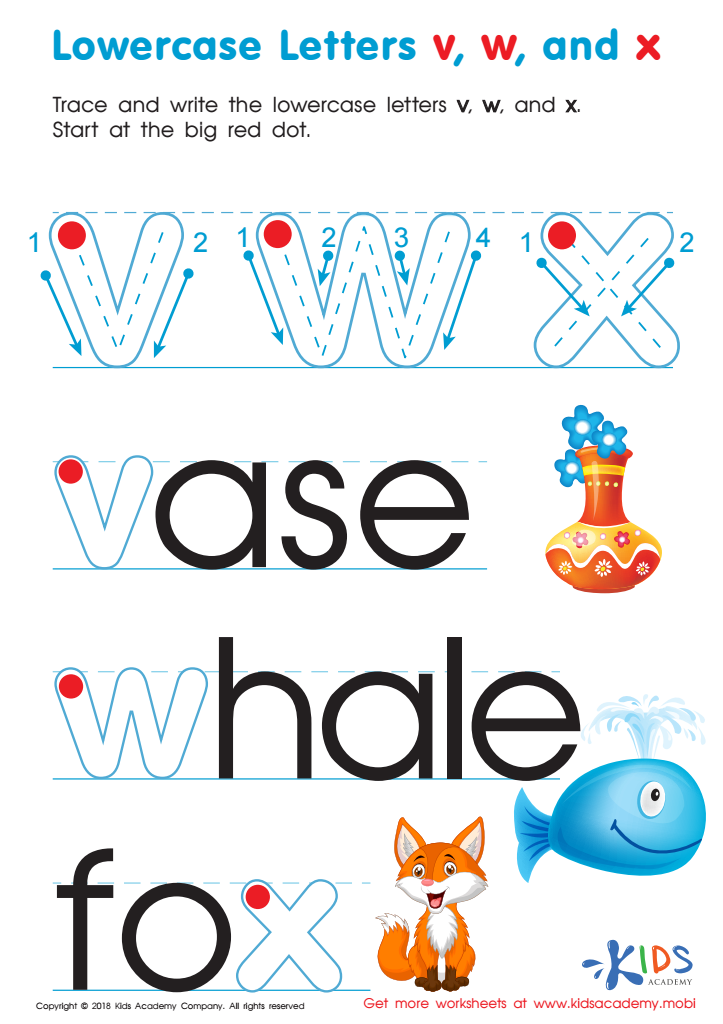
Lowercase Letters v w x Worksheet
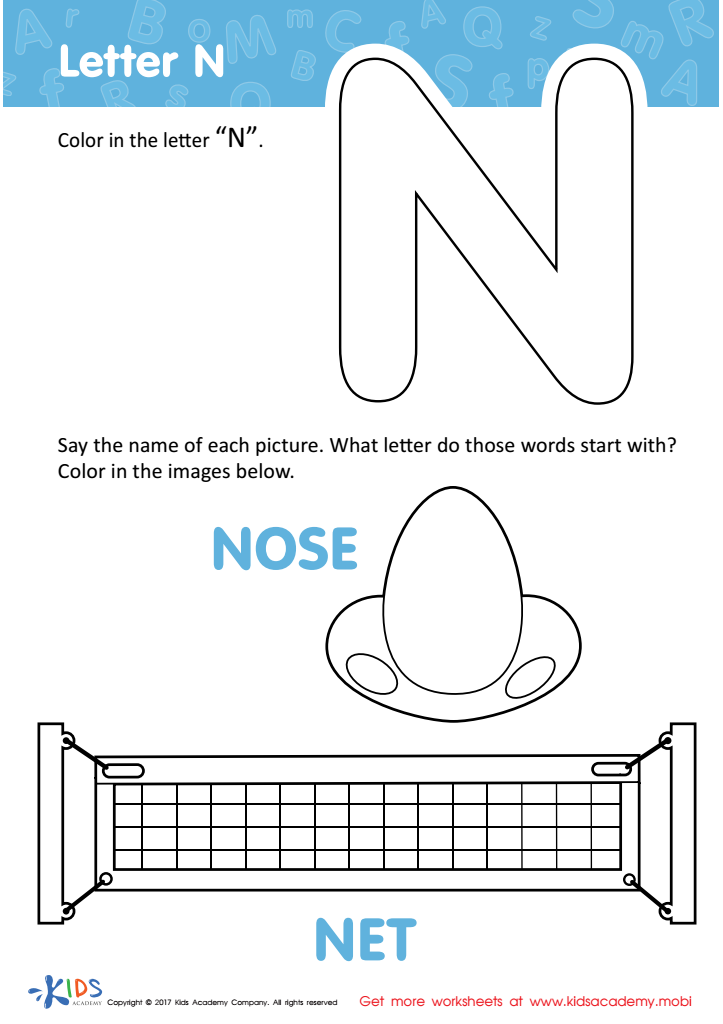
Letter N Coloring Sheet
 Assign to My Students
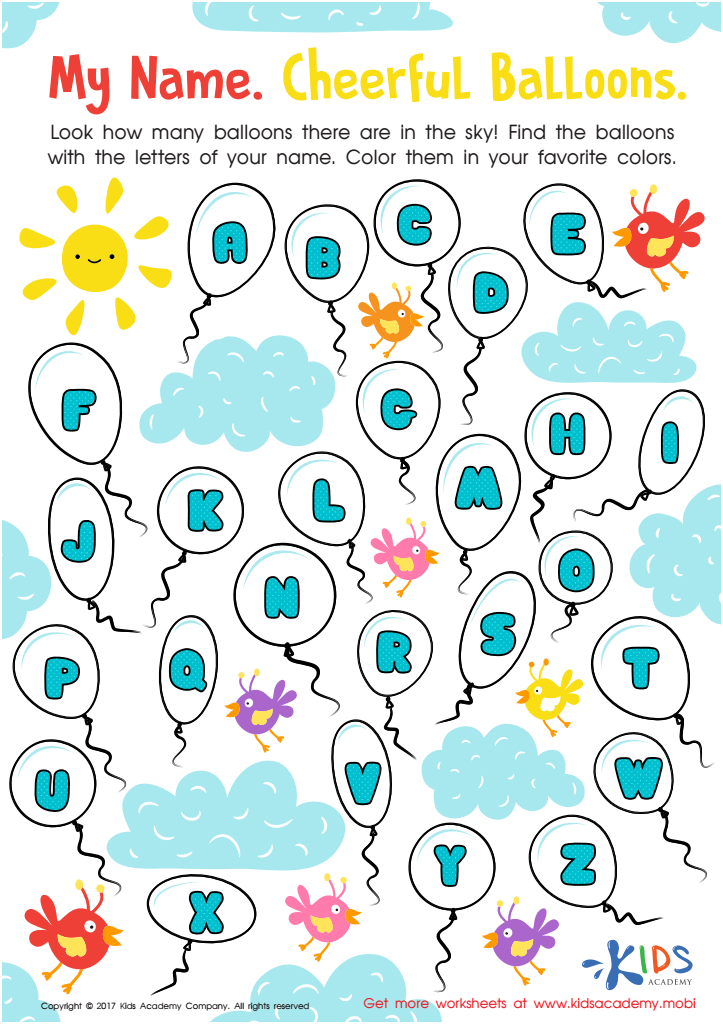
My Name: Cheerful Balloons Worksheet
Assign to My Students
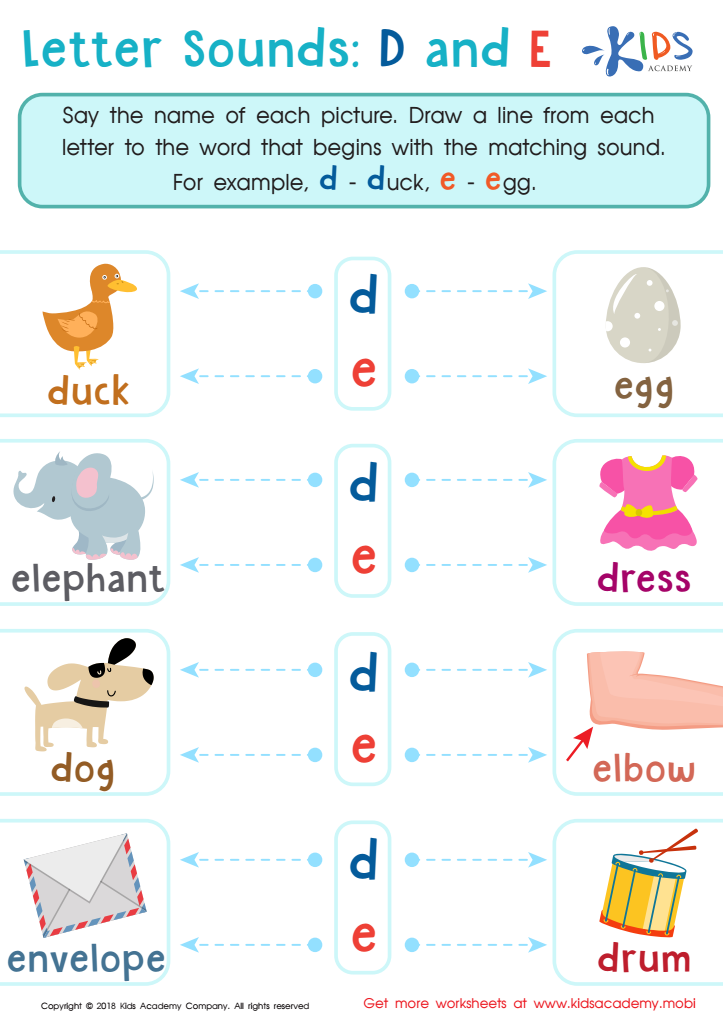
Letter D and E Sounds Worksheet
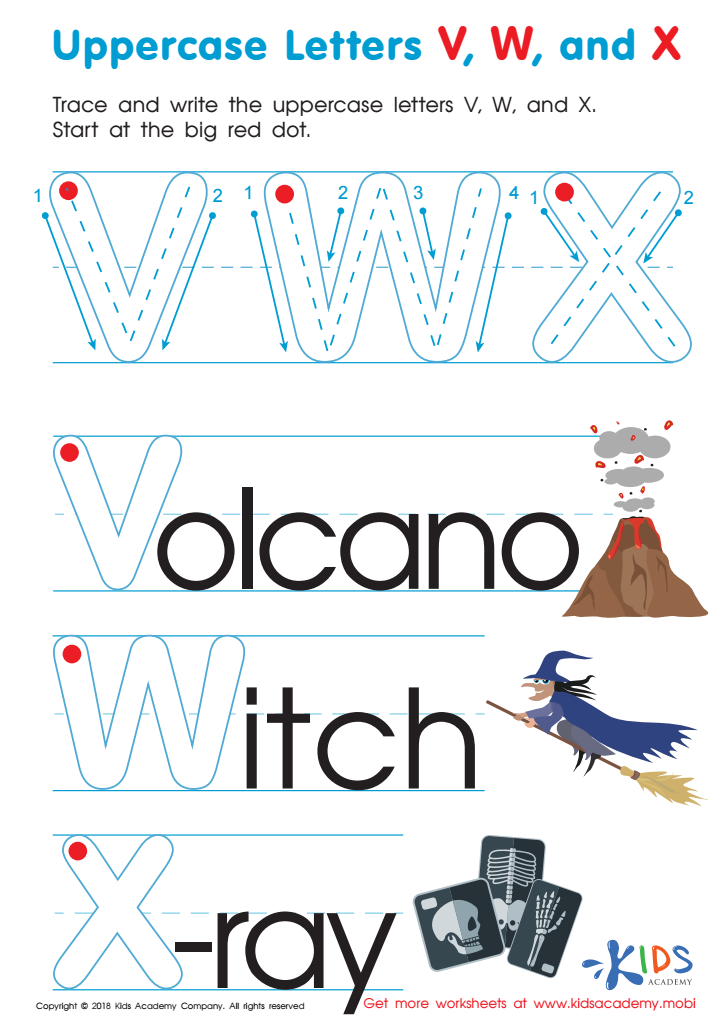
Uppercase Letters V, W, and X Worksheet








Handwriting practice in the early years is crucial for developing fine motor skills and cognitive abilities in children aged 5-6. At this stage, handwriting serves as a fundamental building block for learning and literacy. Engaging in letter formation helps young learners develop hand-eye coordination, enhancing their overall motor skills.
Moreover, consistent handwriting practice promotes cognitive development by encouraging spatial awareness and memory retention. Children begin to associate letters with sounds, facilitating a smoother transition into reading and writing. Additionally, handwriting fosters concentration and focus, attributes beneficial in various aspects of their academic journey.
Good handwriting also builds self-esteem. As children master the art of writing letters neatly, they gain confidence in their abilities, which positively impacts their willingness to learn and participate in classroom activities. Furthermore, neat handwriting promotes clarity in communication, ensuring their thoughts and ideas are easily understood by others, whether teachers, peers, or family members.
In essence, parents and teachers play an integral role in consistently encouraging handwriting practice, laying the groundwork for literacy and overall success in a child’s educational experience. Prioritizing this skill not only aids in academic achievement but also contributes to a child’s social and emotional development.







