Phonics Skills Alphabet Worksheets for Ages 5-6 - Page 3
52 filtered results
-
From - To
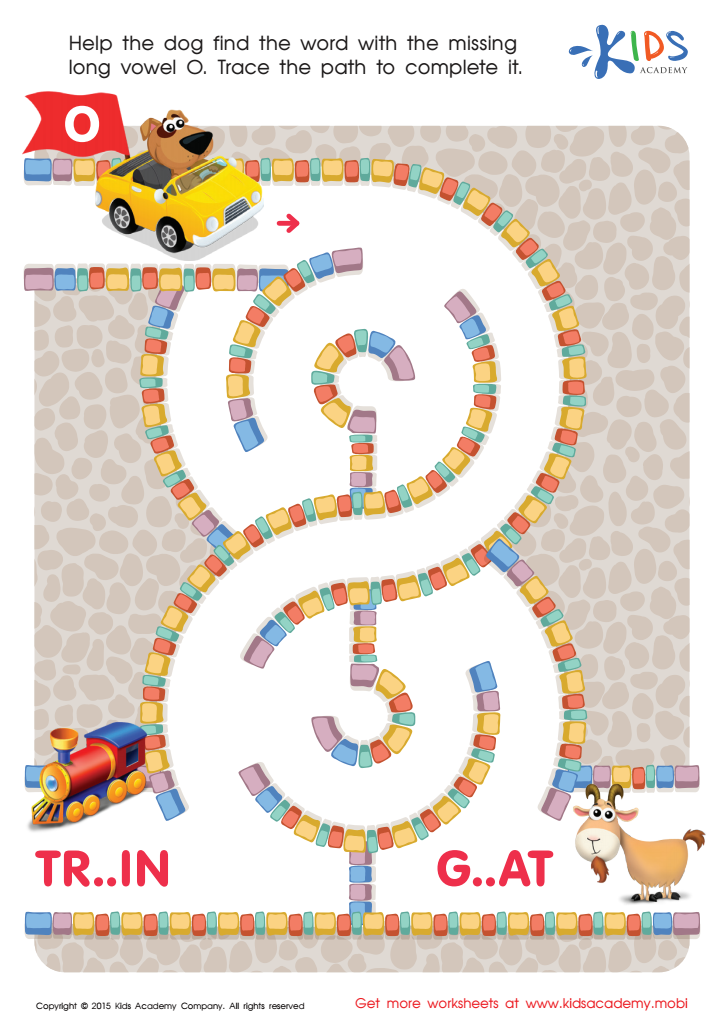
Long Vowel Sound O Worksheet
 Assign to My Students
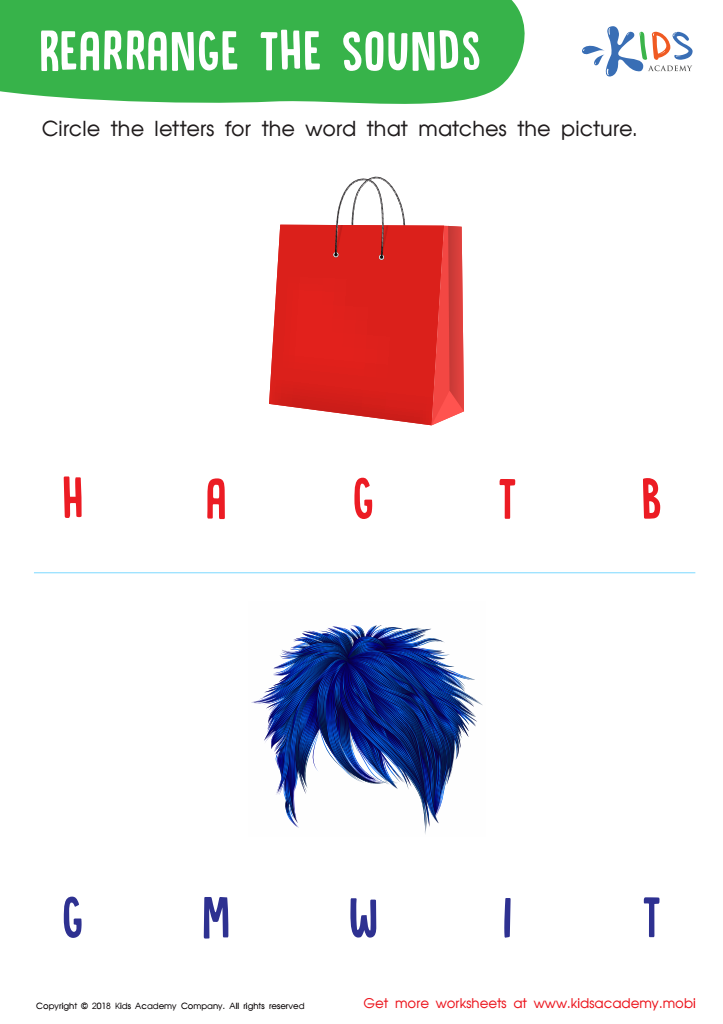
Rearrange the Sounds Worksheet
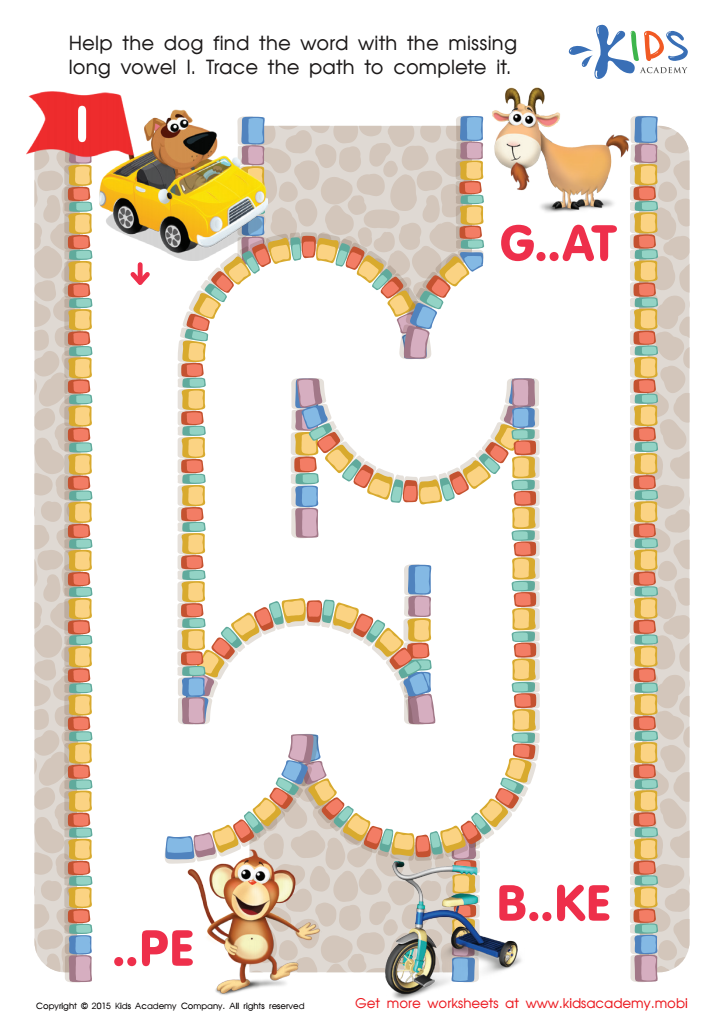
Long Vowel Sound I Worksheet
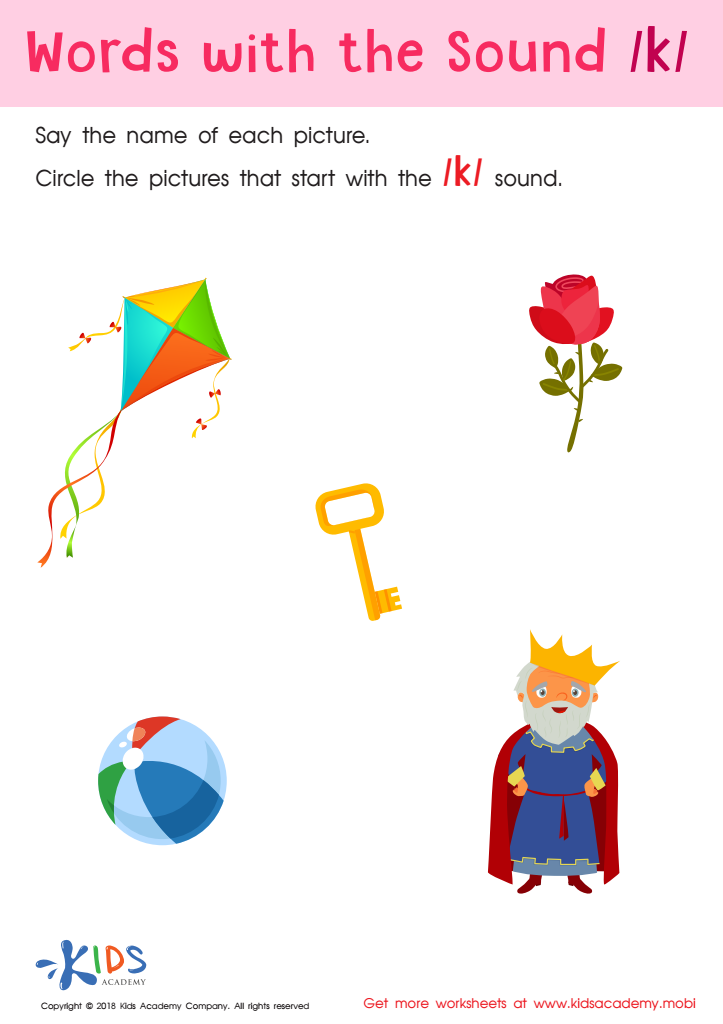
Words with sound k Reading Worksheet








Parents and teachers should prioritize phonics skills for children aged 5-6 because it serves as a crucial foundation for reading and writing. Phonics helps children understand the relationship between letters and sounds, enabling them to decode words independently. Mastery of these skills enhances their confidence and fosters a love for reading, which is vital as literacy impacts long-term academic success and lifelong learning.
At this developmental stage, children are naturally curious and eager to explore language. Effective phonics instruction engages them through songs, stories, and playful activities, making learning enjoyable. Parents can support this by incorporating phonics games at home, while teachers can create interactive classroom environments that promote phonics learning.
Additionally, strong phonics skills can help identify and address early literacy difficulties. Children who struggle with phonics may face challenges in reading comprehension, spelling, and overall communication. By prioritizing phonics at an early age, both parents and educators can equip children with vital literacy tools, enabling them to navigate future academic challenges confidently. Ultimately, investing in phonics skills not only aids in immediate learning but also lays the groundwork for a lifetime of literacy and learning success.







