Vocabulary enhancement Long And Short Vowel Worksheets for Ages 5-6
4 filtered results
-
From - To
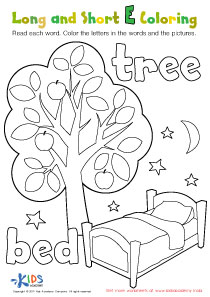
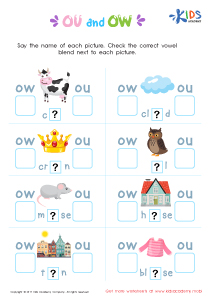
Boost your child's vocabulary with our engaging Long and Short Vowel Worksheets designed for ages 5-6. These interactive resources focus on enhancing vocabulary through playful activities that captivate young learners. Featuring colorful illustrations and age-appropriate content, each worksheet helps children distinguish between long and short vowel sounds while building literacy skills. Kids will enjoy fun exercises like word matching, fill-in-the-blanks, and sound recognition games. Perfect for classroom use or at-home learning, our worksheets provide essential practice to nurture confident readers. Explore our collection today and watch your child's vocabulary flourish!
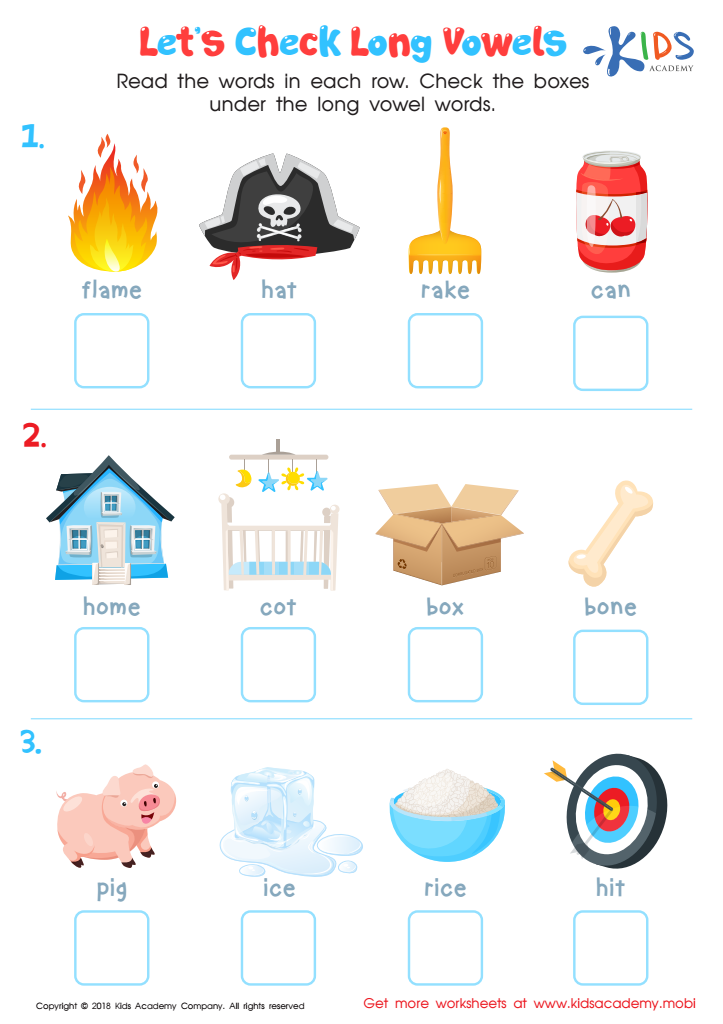
Let's Check Long Vowels: Assessment Worksheet
 Assign to My Students
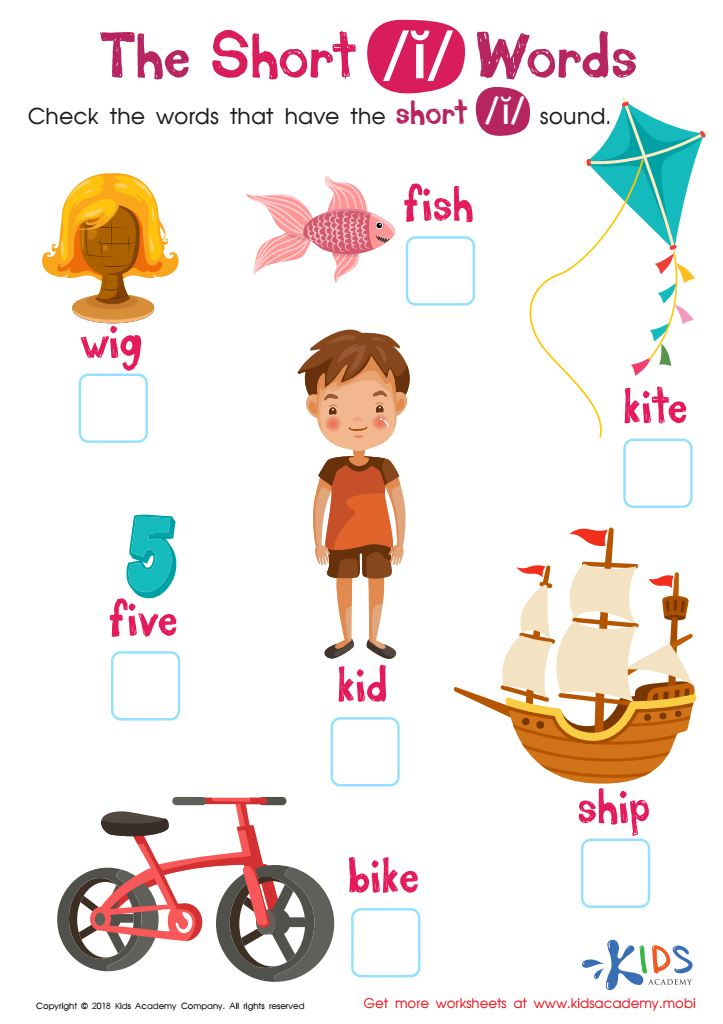
The Short I Words Reading Worksheet
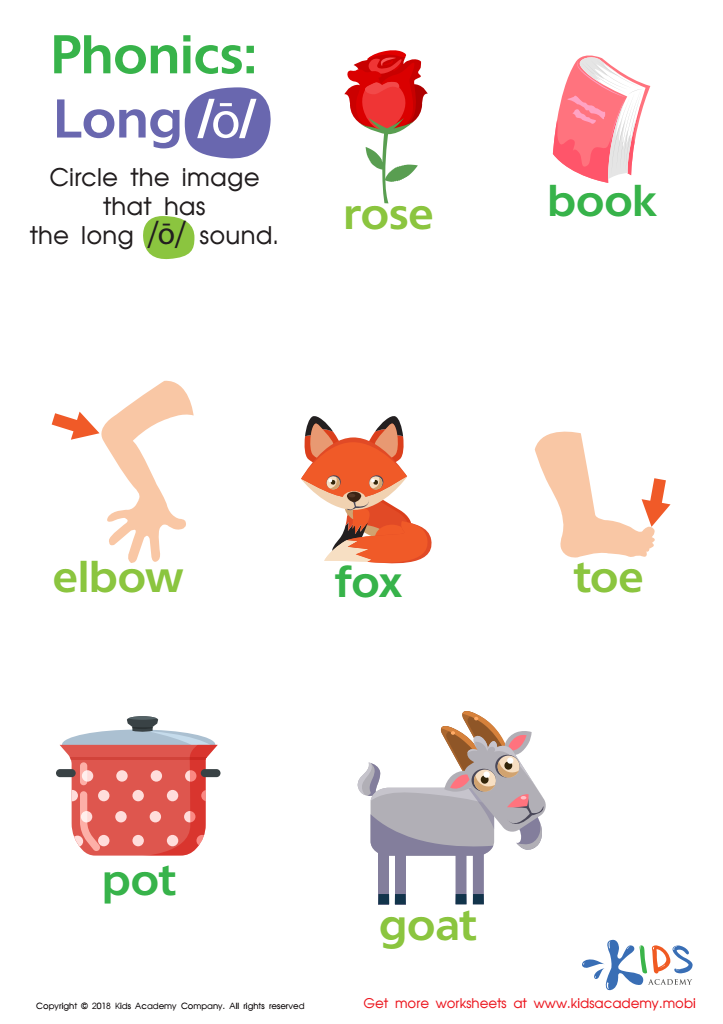
Phonics Long O Reading Worksheet
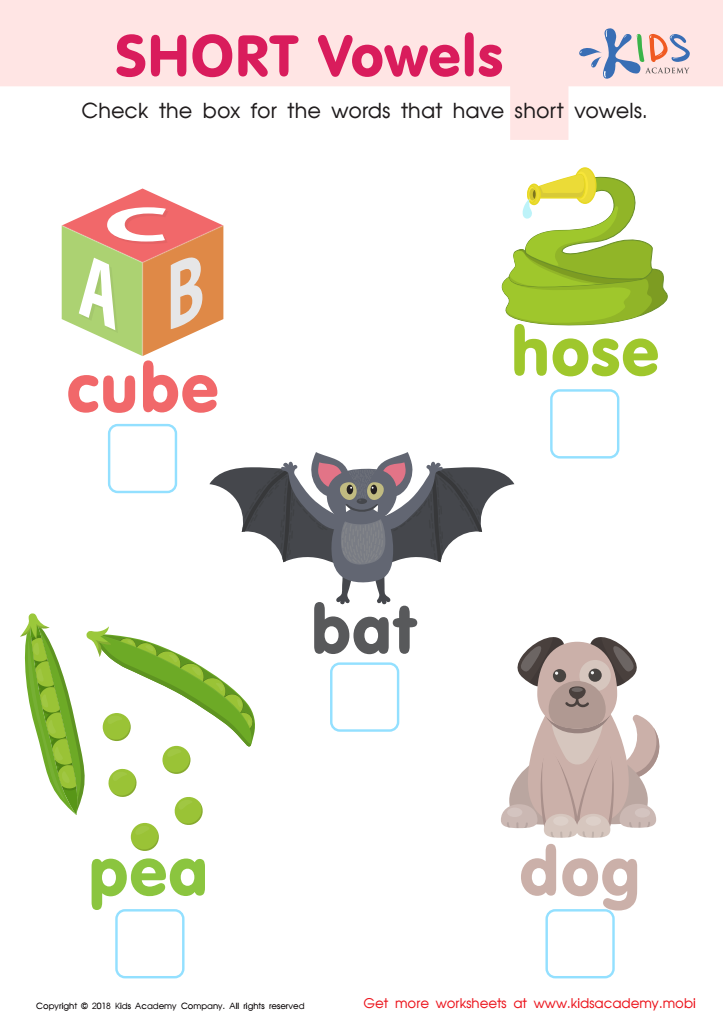
short vowels Worksheet




Vocabulary enhancement, particularly focusing on long and short vowels, is crucial for children aged 5-6, as it lays the foundational skills for reading and language development. At this stage, children are rapidly expanding their vocabulary and learning to decode words, making it essential for parents and teachers to prioritize these skills.
Understanding the difference between long and short vowels helps children improve their phonemic awareness, which is the ability to recognize and manipulate sounds in words. This awareness is key to successful reading strategies and facilitates better comprehension. A solid grasp of vocabulary also supports writing, enabling children to express themselves more effectively.
Moreover, vocabulary knowledge influences a child's self-esteem and confidence in communication. As children possess a growing vocabulary, they feel more equipped to engage in conversations, share ideas, and participate in group activities, enhancing their social skills. Additionally, strong early vocabulary predicts academic success later in school.
Parents and teachers play an integral role in nurturing a rich language environment through reading aloud, engaging in discussions, and using games that emphasize vowel sounds. By promoting vowel recognition and vocabulary expansion, they help foster a lifelong love for learning and literacy in young learners.