Letter Tracing Practice Tracing Letters Worksheets for Ages 5-6
5 filtered results
-
From - To
Enhance your child's writing skills with our comprehensive Letter Tracing Practice Worksheets designed for ages 5-6. These interactive sheets provide a fun and educational way for young learners to master the alphabet, sharpen fine motor skills, and build essential handwriting techniques. Each printable worksheet features clear guidelines and engaging activities to help children trace each letter with ease and confidence. Ideal for preschool and kindergarten-aged kids, our resources encourage repetition and practice, laying a solid foundation for literacy development. Make learning enjoyable and effective with our expertly crafted, easy-to-use letter tracing worksheets!
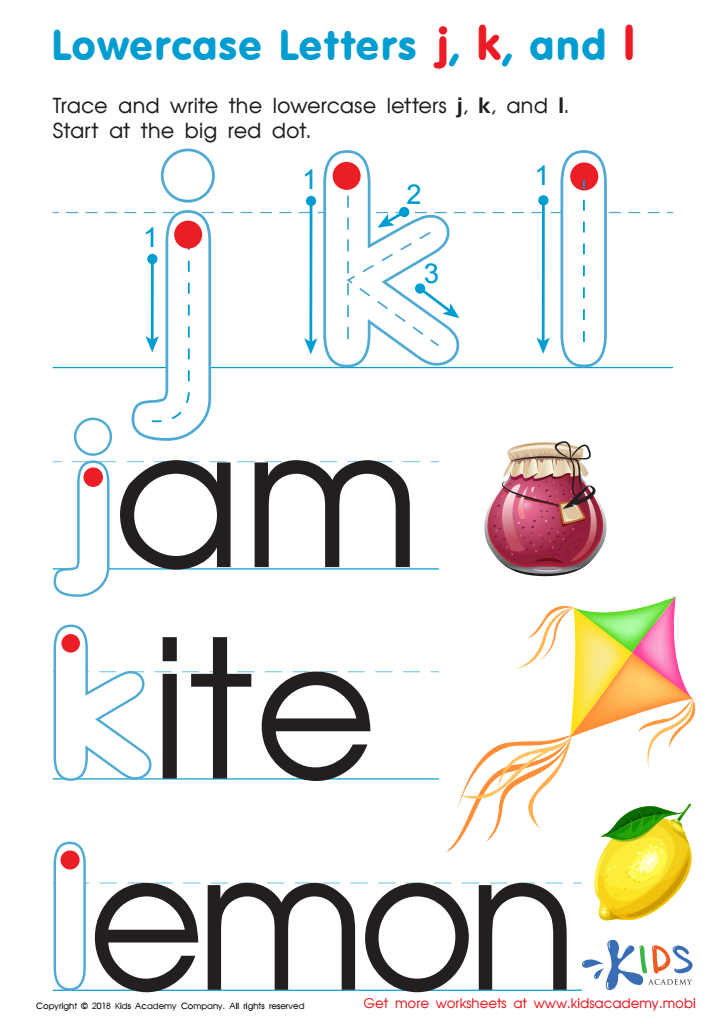
Lowercase Letters j k l Worksheet
 Assign to My Students
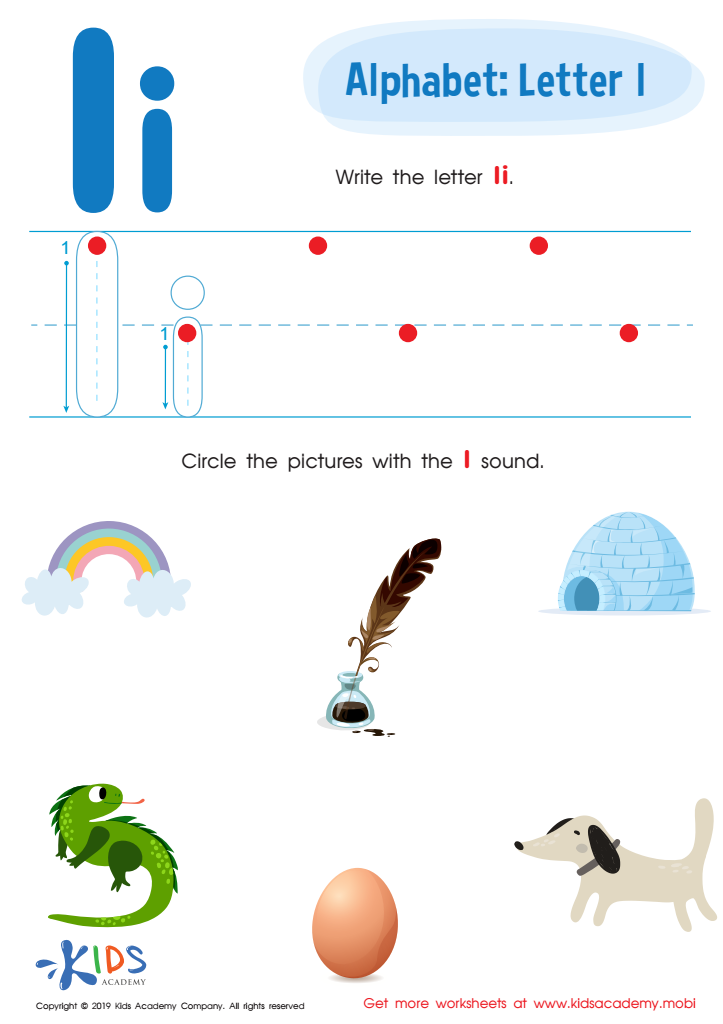
Letter I Tracing Worksheet
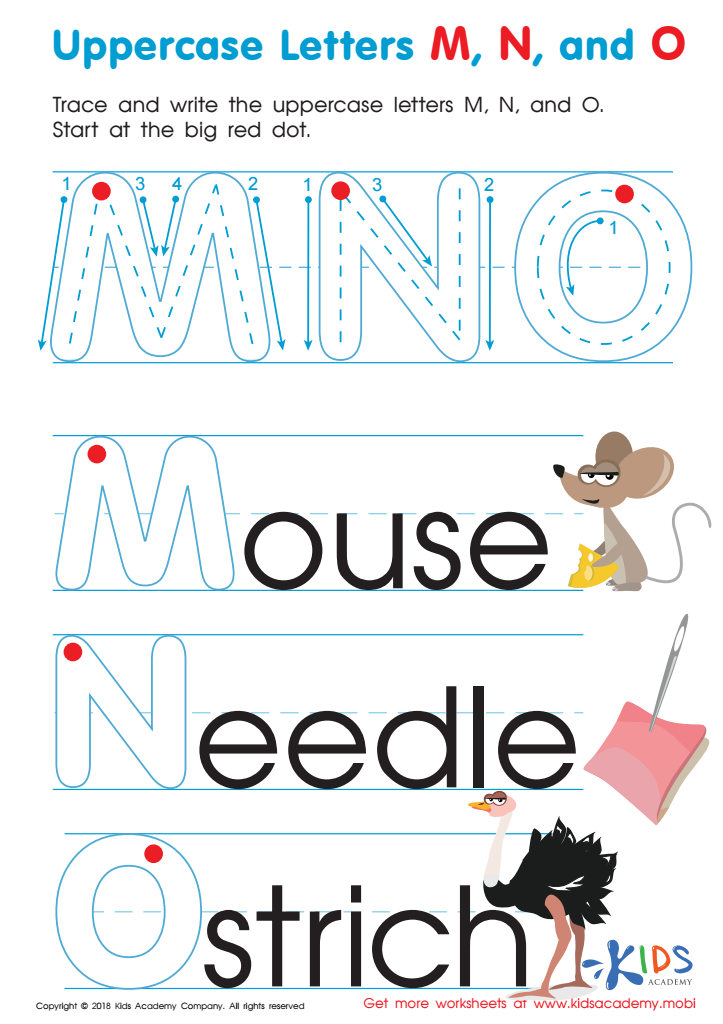
Uppercase Letters M, N, and O Worksheet
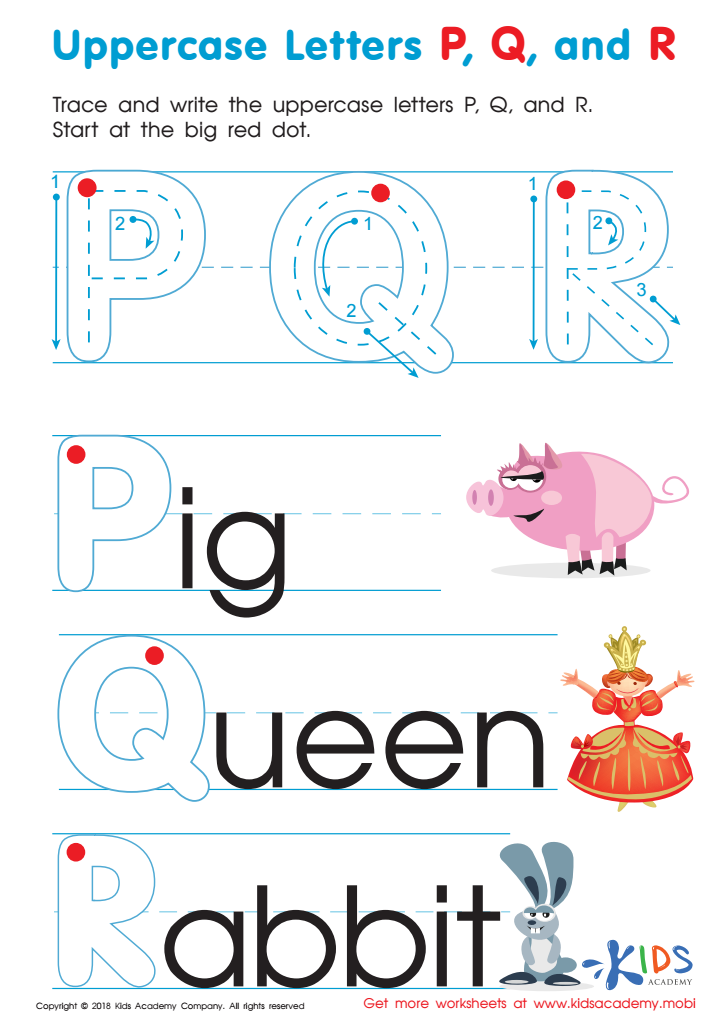
Uppercase Letters P, Q, and R Worksheet
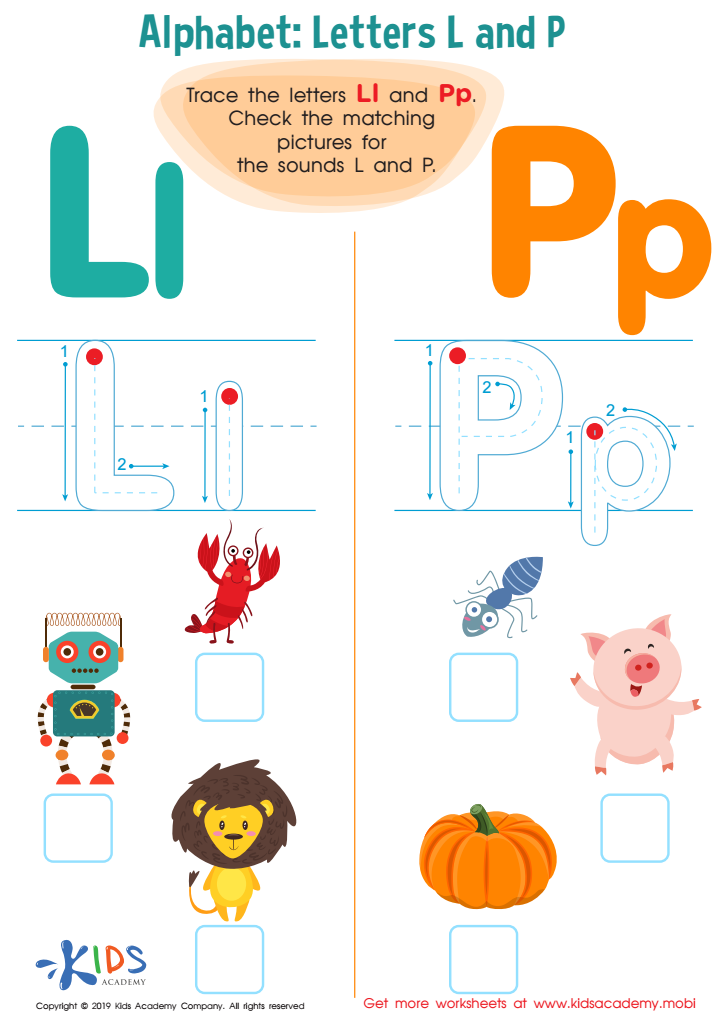
Letter L and P Tracing Worksheet







Letter Tracing Practice for children ages 5-6 is essential in early literacy development. Parents and teachers should deeply care about this activity as it lays the foundational skills required for reading and writing. At this formative age, children are developing fine motor skills crucial for handling a pencil or crayon. Letter tracing helps improve hand-eye coordination and strengthens the small muscles in the hands and fingers, facilitating smoother future writing tasks.
Moreover, repeated practice in tracing letters enhances a child’s ability to recognize alphabet shapes, leading to better letter identification. This recognition is critical for phonetic learning, where children learn the sounds that correspond with each letter, integral for early reading skills.
Additionally, letter tracing fosters a sense of accomplishment and boosts confidence. As children see their improvement, they become motivated to continue learning and excelling, creating a positive cycle of learning and self-improvement. It also encourages patience and focus, valuable traits that will benefit them academically.
Parents and teachers can make this practice engaging and varied with different materials and creative exercises, such as sand tracing or air writing. By prioritizing letter tracing, caregivers directly contribute to a child’s educational development and overall confidence, equipping them with essential skills for their future schooling.








