Alphabet understanding Upper & Lowercase Letters Worksheets for Ages 5-6
3 filtered results
-
From - To
Boost your child's alphabet skills with our engaging "Alphabet Understanding: Upper & Lowercase Letters Worksheets" designed for ages 5-6. Tailored to young learners, these printable worksheets help kids recognize and pair uppercase and lowercase letters, paving the way for fluent reading and writing. Fun activities and vibrant illustrations make learning the alphabet exciting and enjoyable. Encourage mastery of letter shapes, sounds, and names while enhancing fine motor skills. Perfect for both classroom use and at-home practice, these worksheets offer the foundational skills your child needs for alphabet proficiency and early literacy success. Download now for fun learning!
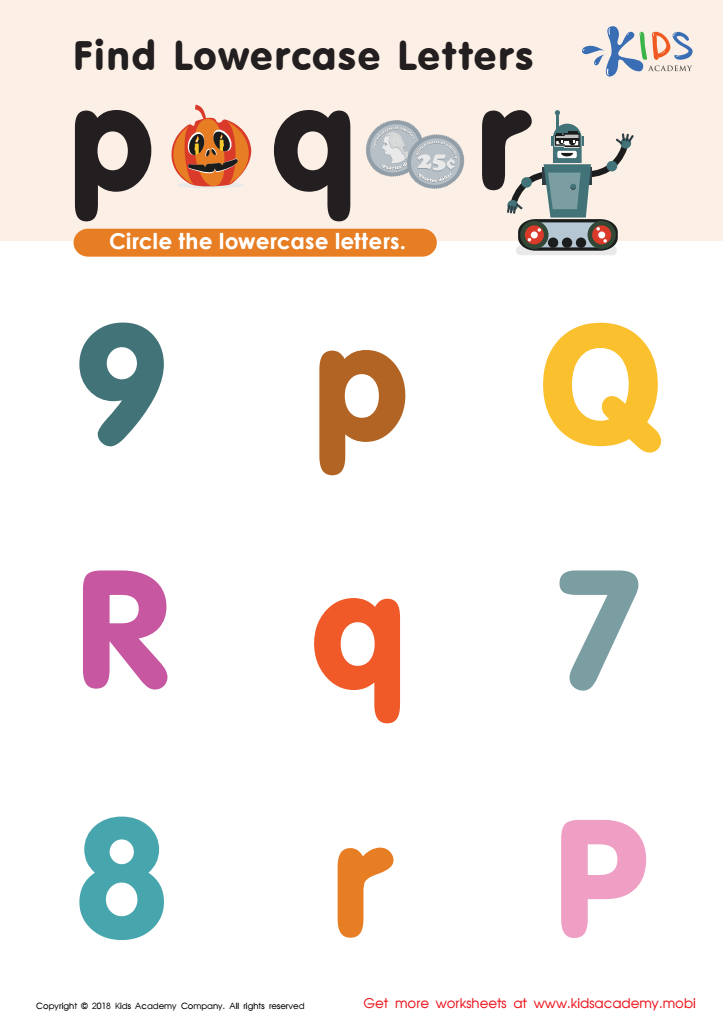
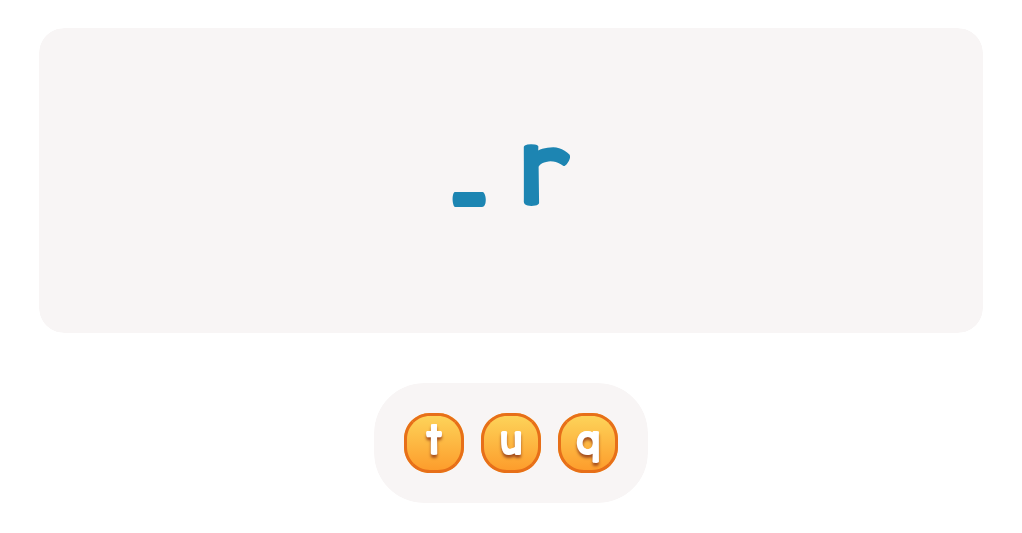
Find lowercase Letters p q r Worksheet
 Assign to My Students

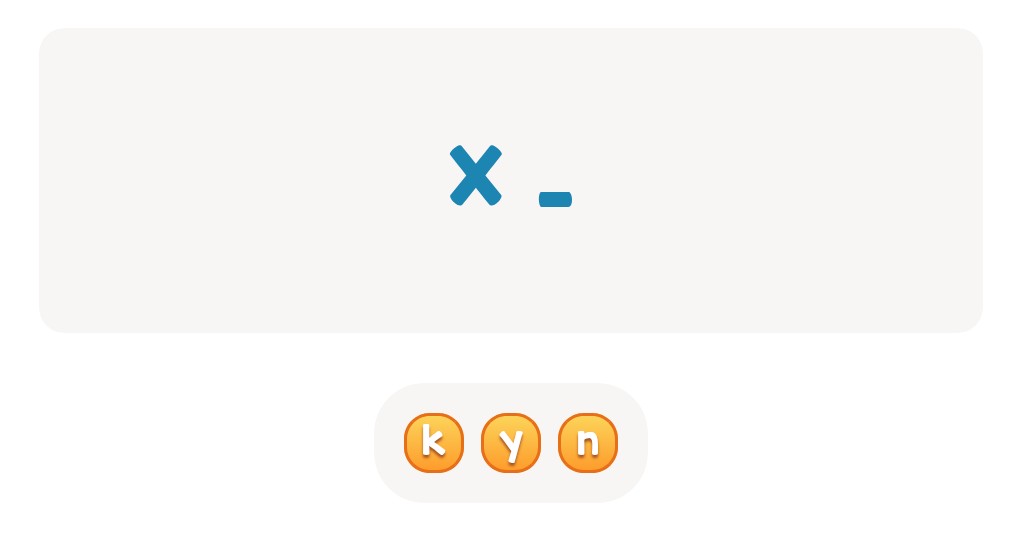
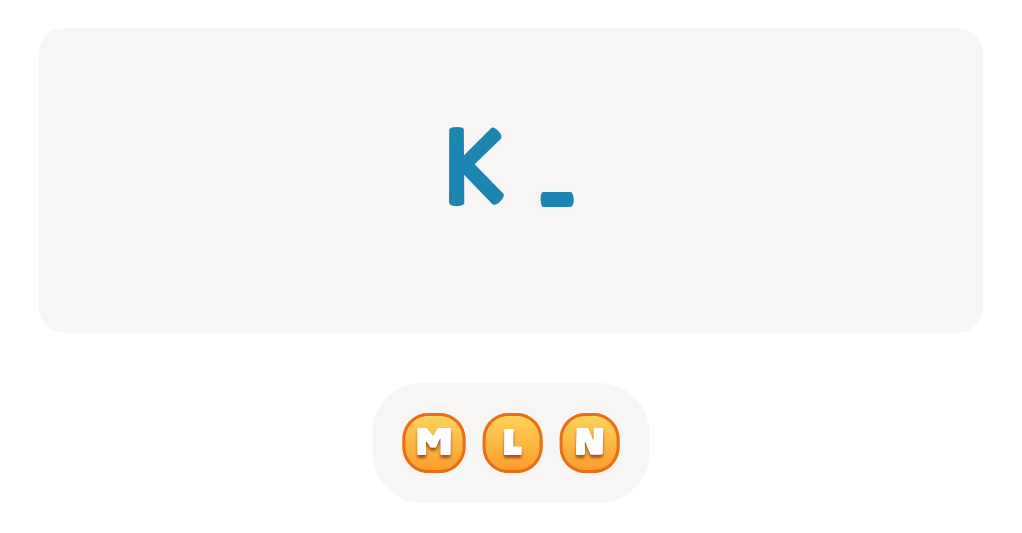
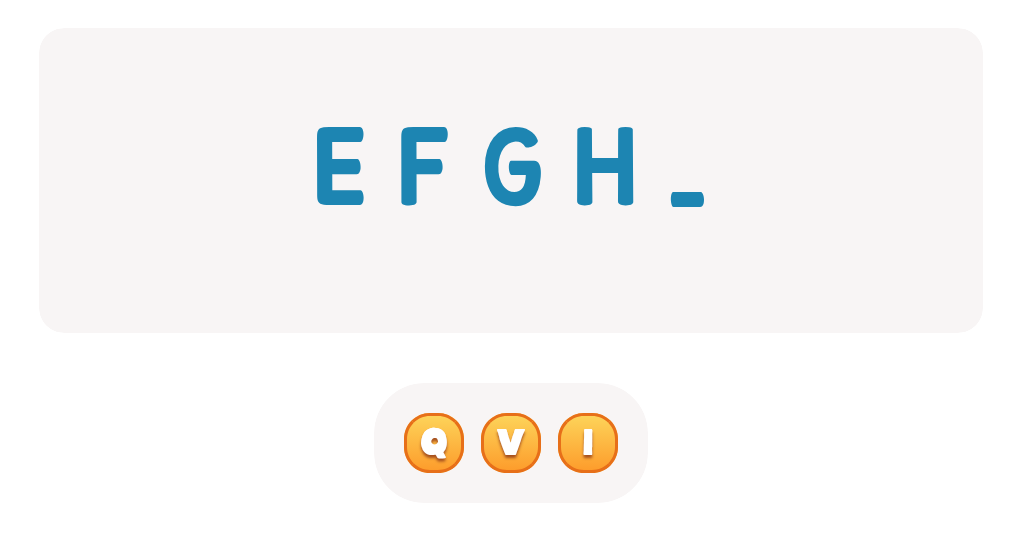
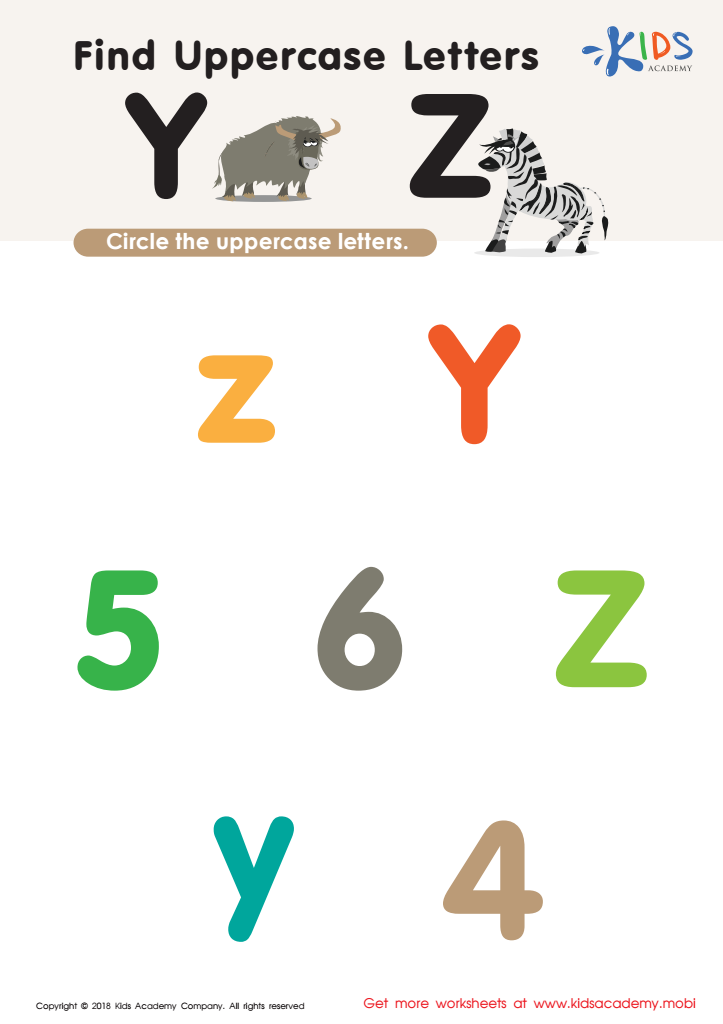
Find Uppercase Letters Y Z Worksheet

Find lowercase letters a b c Worksheet






Alphabet understanding, encompassing both uppercase and lowercase letters, is crucial for children aged 5-6 as it lays the groundwork for literacy development. Recognizing and distinguishing between letters is a fundamental skill that impacts their ability to read and write proficiently. Early familiarity with the alphabet helps children decode words, making the process of learning to read smoother and more intuitive.
Parents and teachers should prioritize this area because it directly influences a child's confidence and engagement with reading. When children can effortlessly recognize letters in both forms, they are more likely to read fluidly and not get frustrated by variations in text. Furthermore, writing skills are closely tied to this recognition. Children who understand the differences between uppercase and lowercase letters can appropriately use them in their writing, improving their overall communication abilities.
Moreover, proficiency in letter recognition boosts cognitive development, aids in memory retention, and enhances auditory learning as children connect sounds with corresponding letters. It nurtures early phonemic awareness, which is essential for phonics instruction. By investing time and effort into teaching both forms of letters, parents and teachers equip children with a critical educational foundation, setting them up for long-term success in reading, writing, and broader academic endeavors.







