Uppercase identification Upper & Lowercase Letters Worksheets for Ages 5-6
5 filtered results
-
From - To
Discover our engaging worksheets designed specifically for ages 5-6 that focus on uppercase identification of letters. These fun and interactive activities help young learners differentiate between uppercase and lowercase letters, enhancing their early literacy skills. Each worksheet is crafted to promote letter recognition through paired activities, tracing, and matching exercises. This playful approach not only supports cognitive development but also builds confidence as children master the alphabet. Perfect for homeschooling or classroom use, our uppercase identification worksheets provide a creative way to make learning letters enjoyable. Dive into a world of colorful letters and watch your child sparkle in their learning journey!
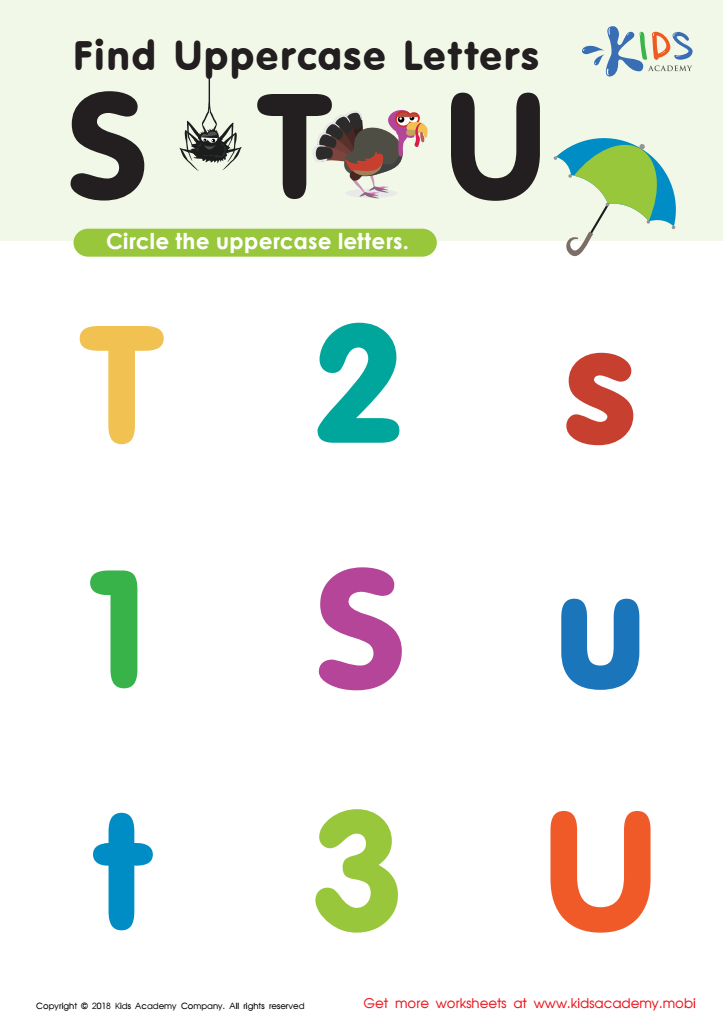
Find Uppercase Letters Worksheet
 Assign to My Students
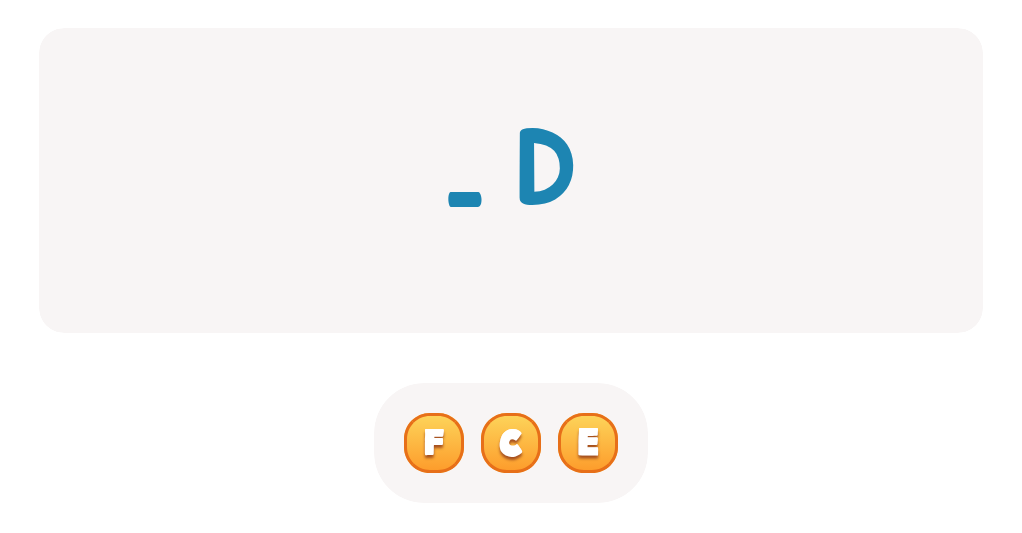

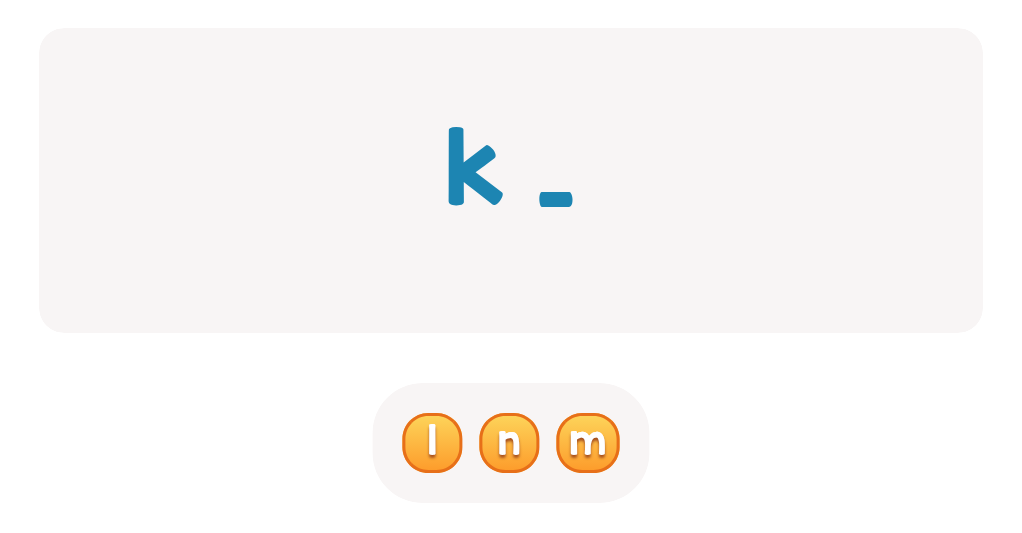
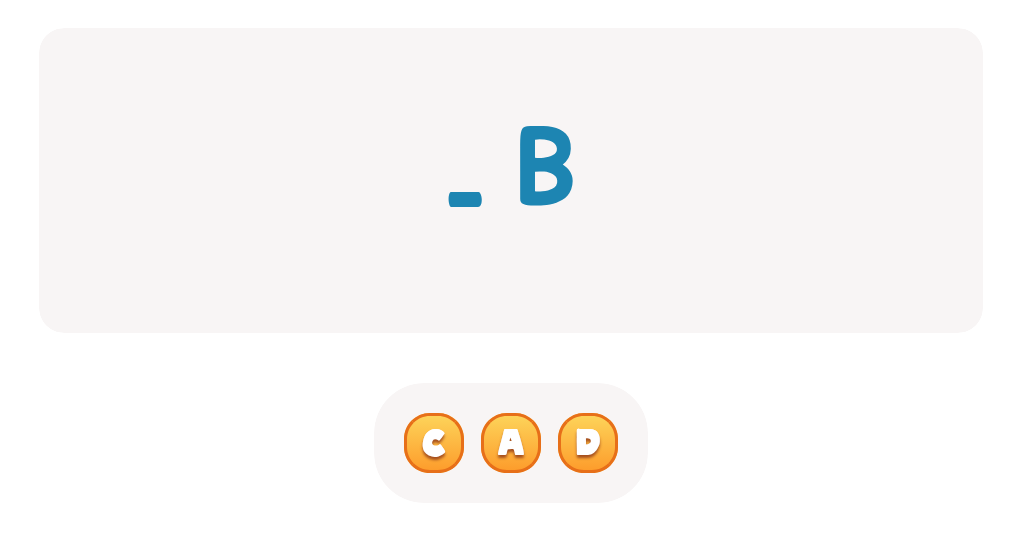
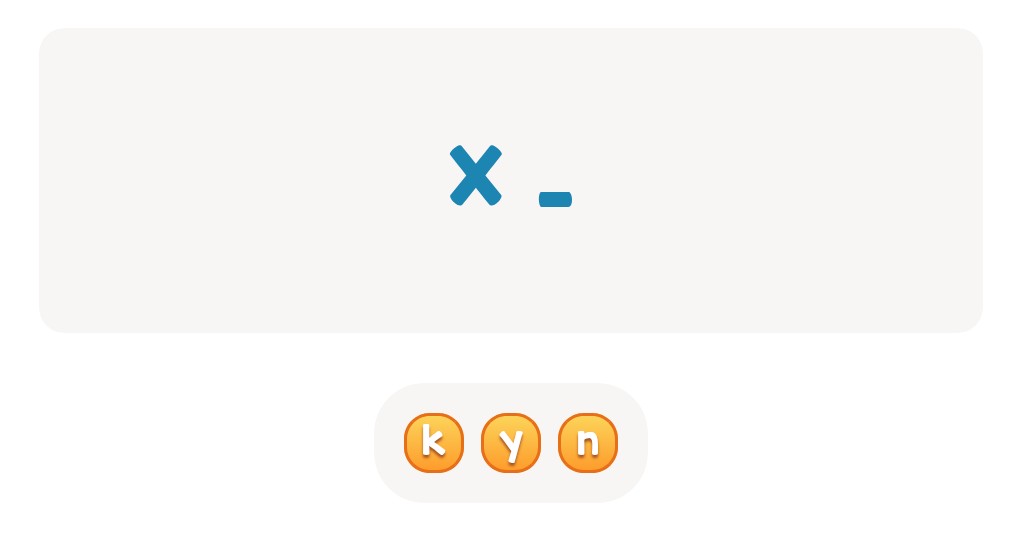
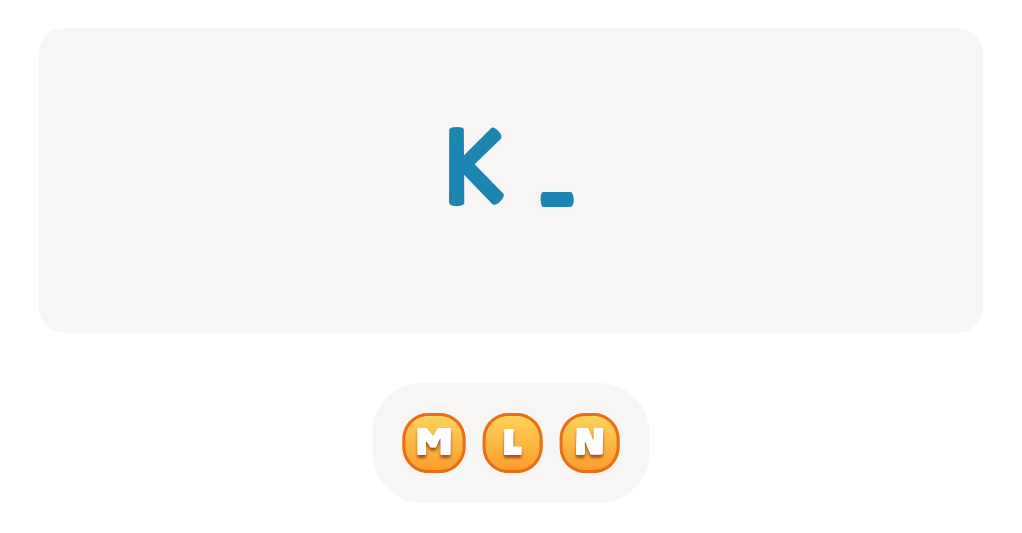
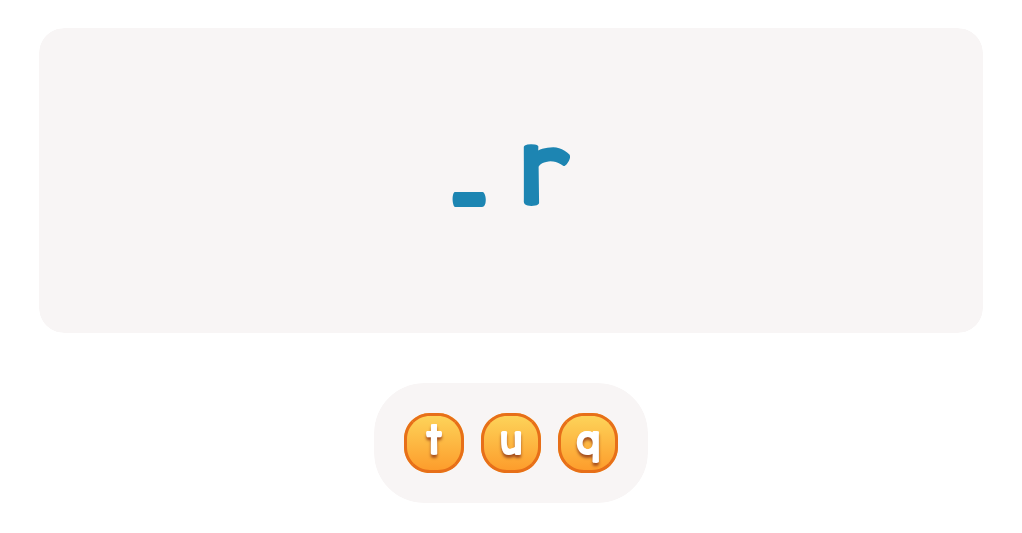

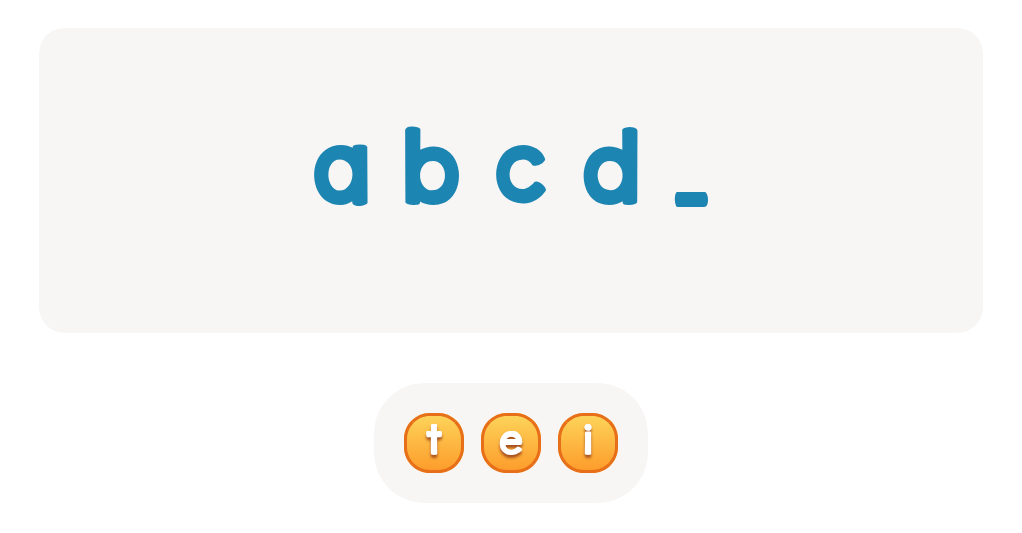
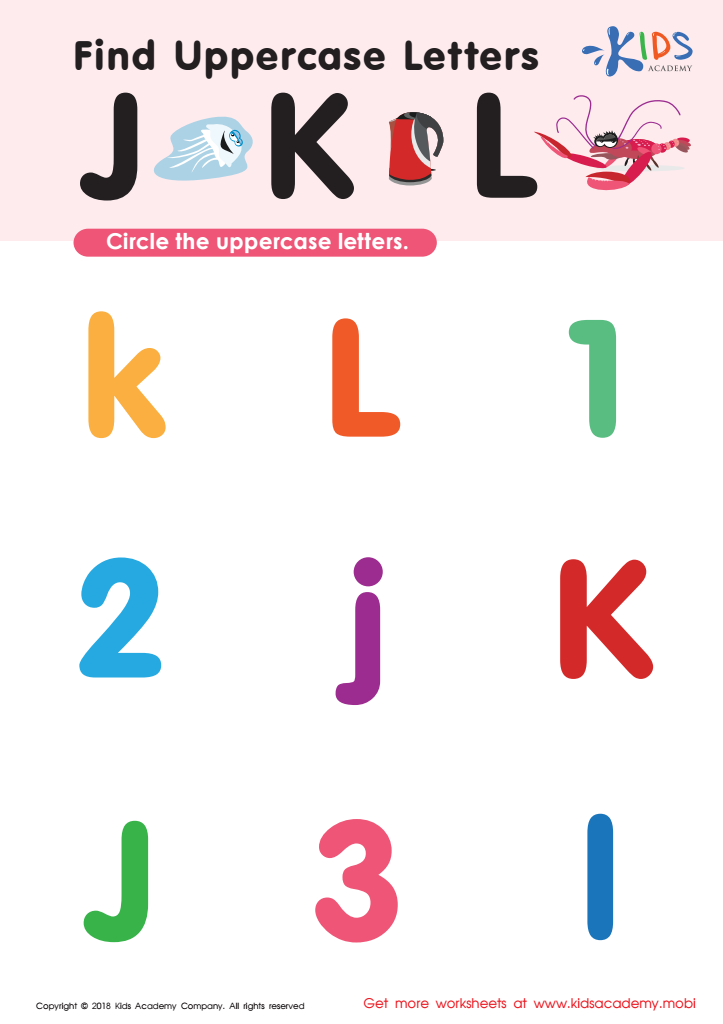
Find Uppercase Letters J, K, and L Worksheet
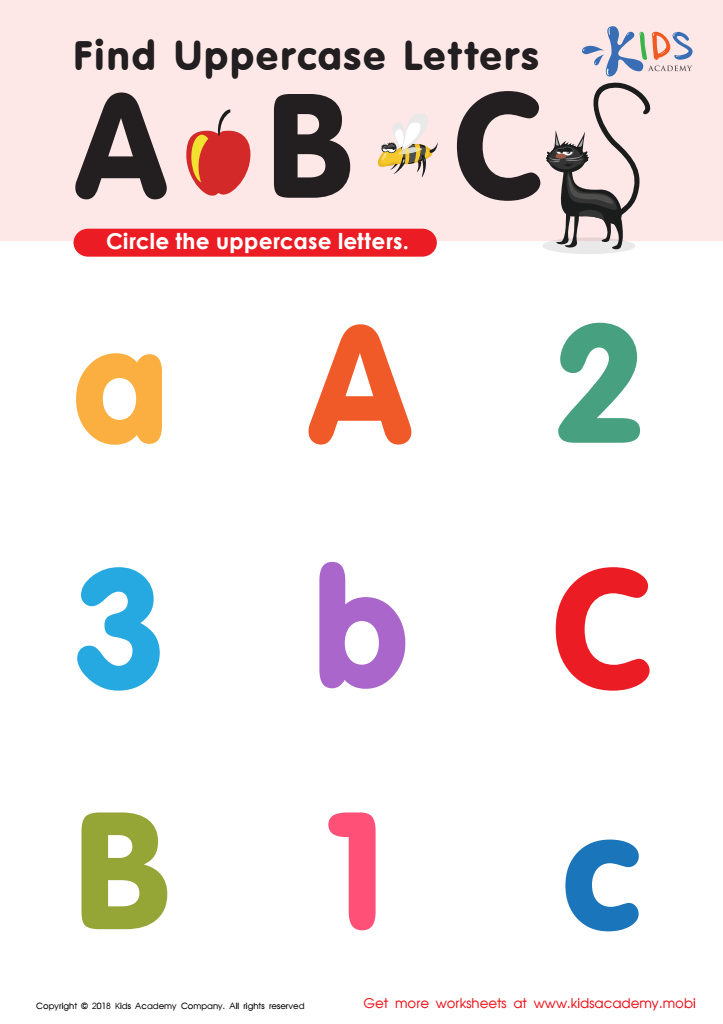
Find Uppercase Letters A, B, and C Worksheet
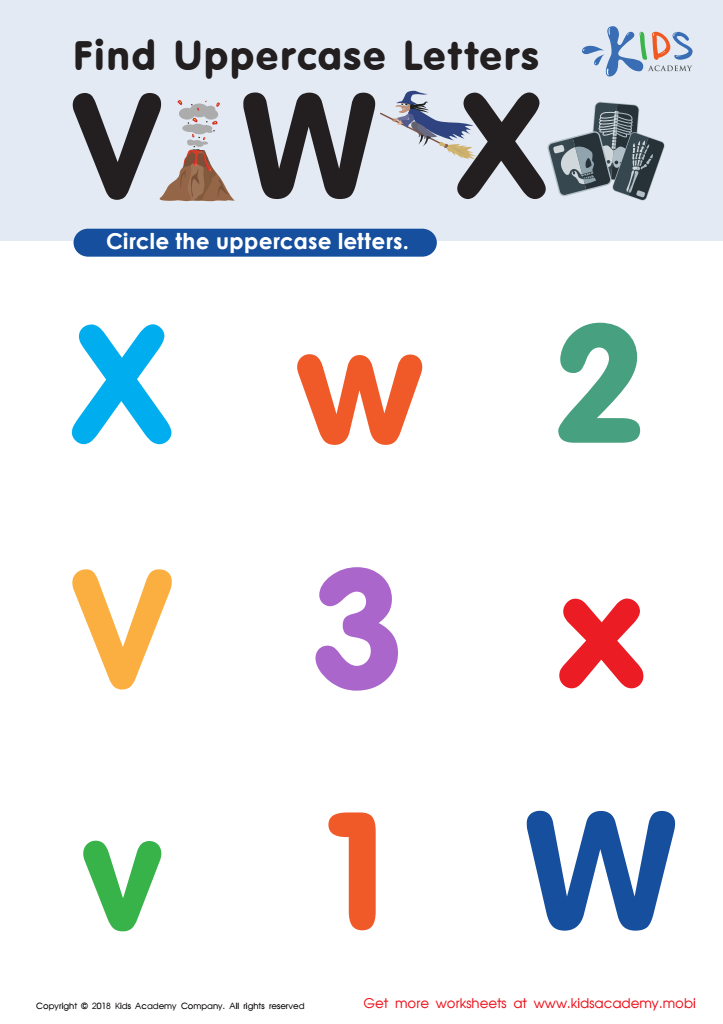
Find Uppercase Letters V, W, X Worksheet
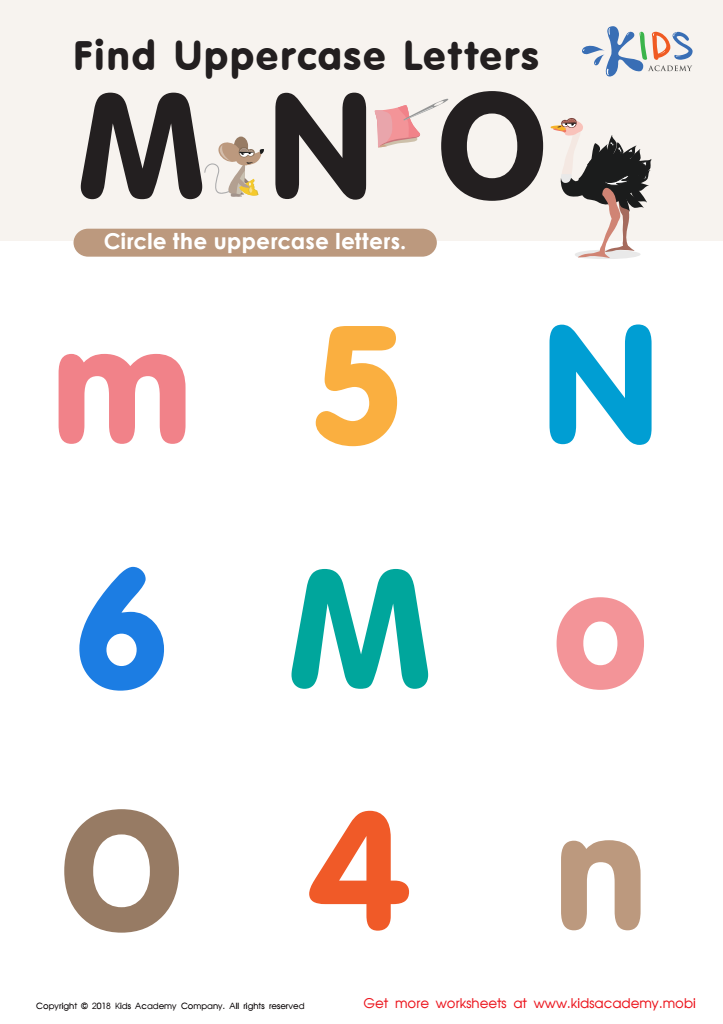
Find Uppercase Letters M, N, and O Worksheet






Understanding uppercase and lowercase letters is fundamental for children's literacy development during ages 5-6. Parents and teachers should emphasize this skill as it is crucial for reading and writing proficiency. Recognizing uppercase letters is the first step in letter identification, helping children learn the alphabet's structure and enhancing their phonemic awareness. This recognition enables them to decode words, facilitating reading fluency.
Uppercase letters are often used at the beginning of sentences and for proper nouns, helping children understand written communication's rules. Familiarity with both sets of letters also sets the foundation for spelling, as children learn that each letter can have distinct forms and functions.
Moreover, mastering letter identification promotes self-confidence in children as they begin to read independently and express their thoughts in writing. Through activities like letter matching or alphabet games, educators and parents can make the learning process engaging, ensuring children develop a love for reading and writing.
Additionally, identifying uppercase and lowercase letters can open conversations about word structures, storytelling, and language, laying the groundwork for future literacy skills. Thus, understanding both forms of letters goes beyond basic education—it's key to fostering lifelong learning and communication abilities.







