Visual discrimination Upper & Lowercase Letters Worksheets for Ages 5-6
4 filtered results
-
From - To
Boost your child's letter recognition with our Visual Discrimination Upper & Lowercase Letters Worksheets. Perfect for ages 5-6, these expertly designed printables will enhance your little one’s ability to distinguish between uppercase and lowercase letters. Through engaging activities and playful exercises, children will develop critical reading and writing skills. Each worksheet provides a fun, hands-on approach to learning, ensuring that young learners remain engaged while building foundational literacy. Ideal for classroom or home use, our worksheets offer a solid foundation for early education success. Start your child’s journey of mastering the alphabet with Kids Academy today!
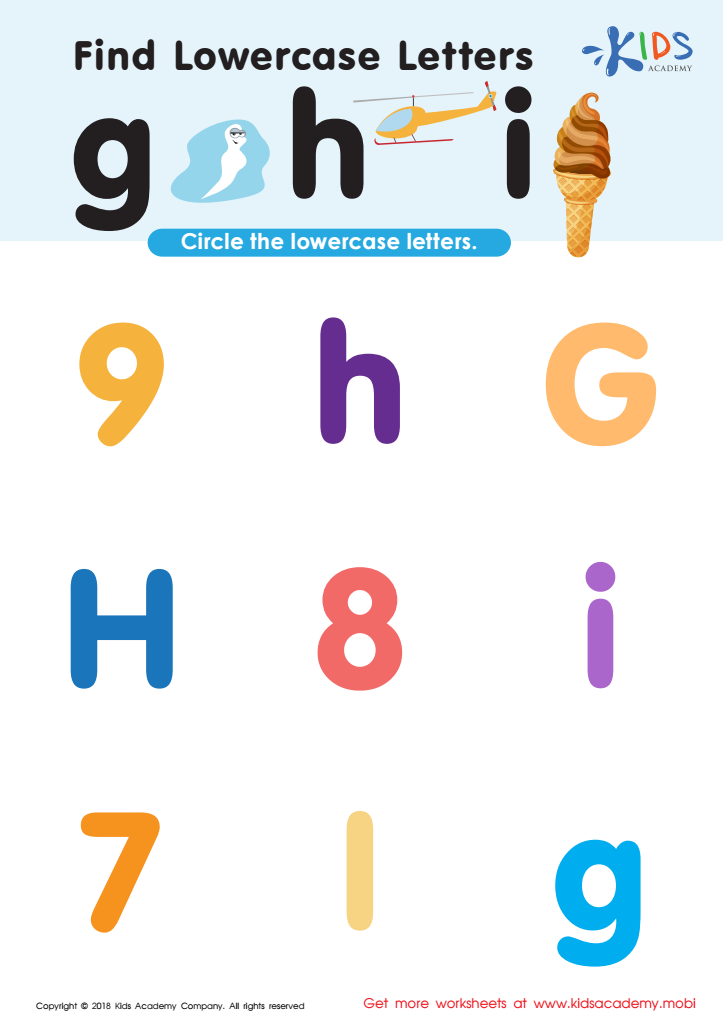
Find Lowercase Letters g h i Worksheet
 Assign to My Students
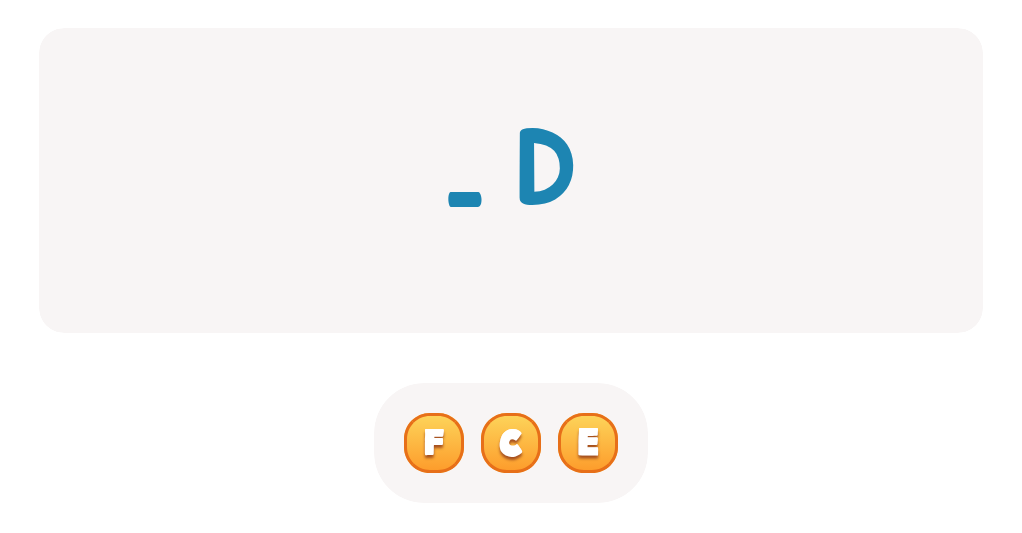

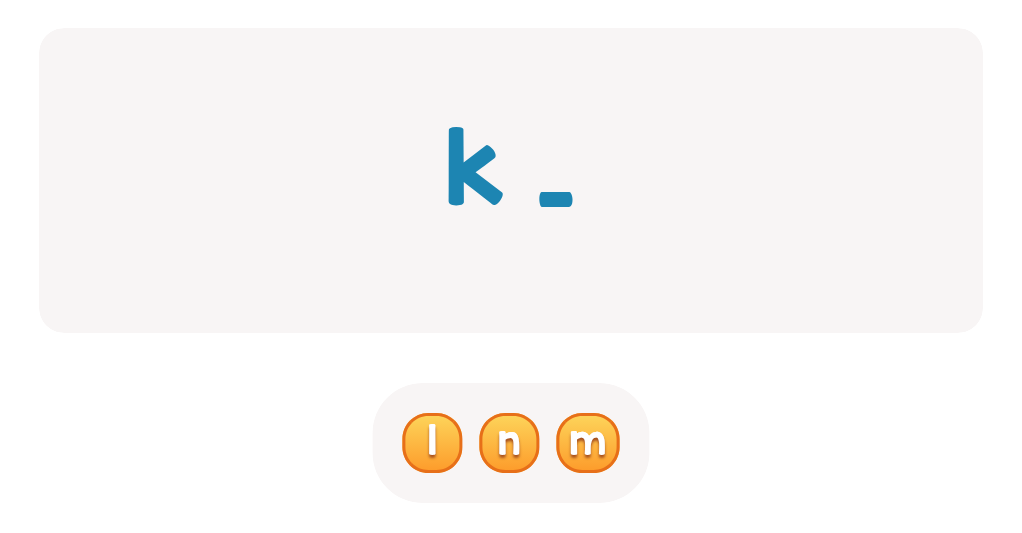
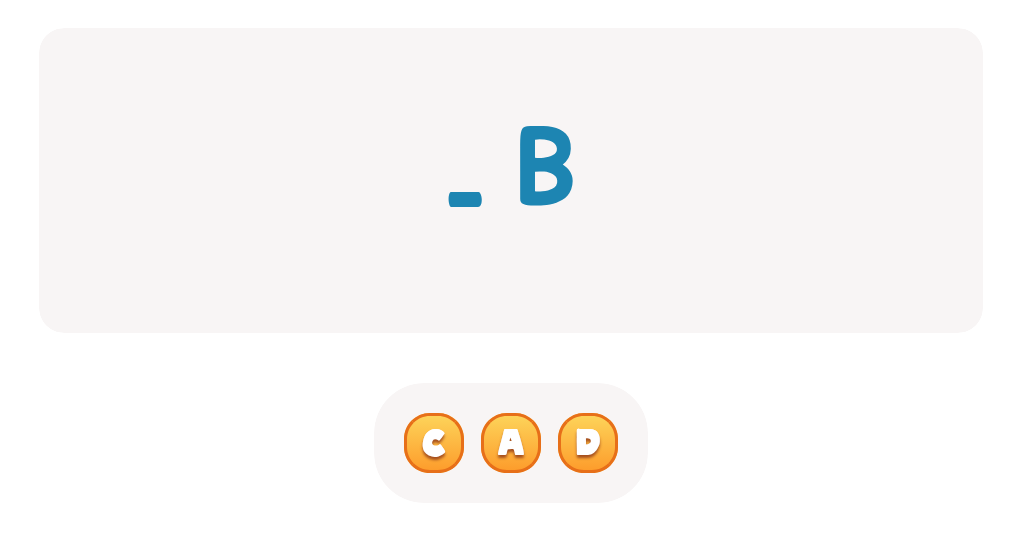

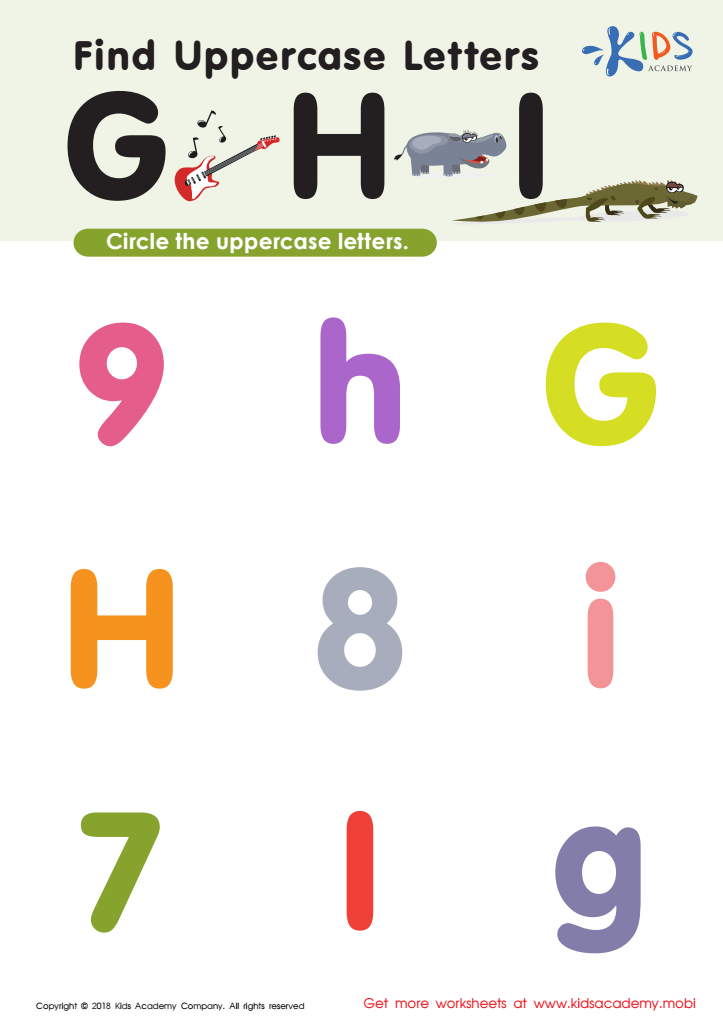
Find Uppercase Letters G, H, and I Worksheet
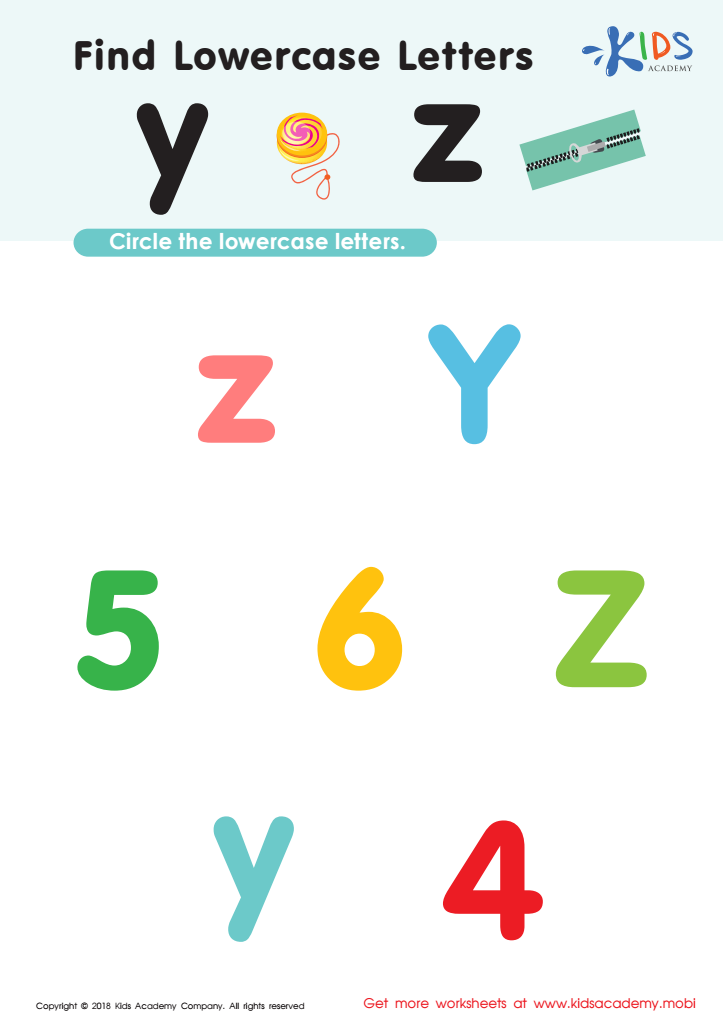
Find Lowercase Letters y z Worksheet
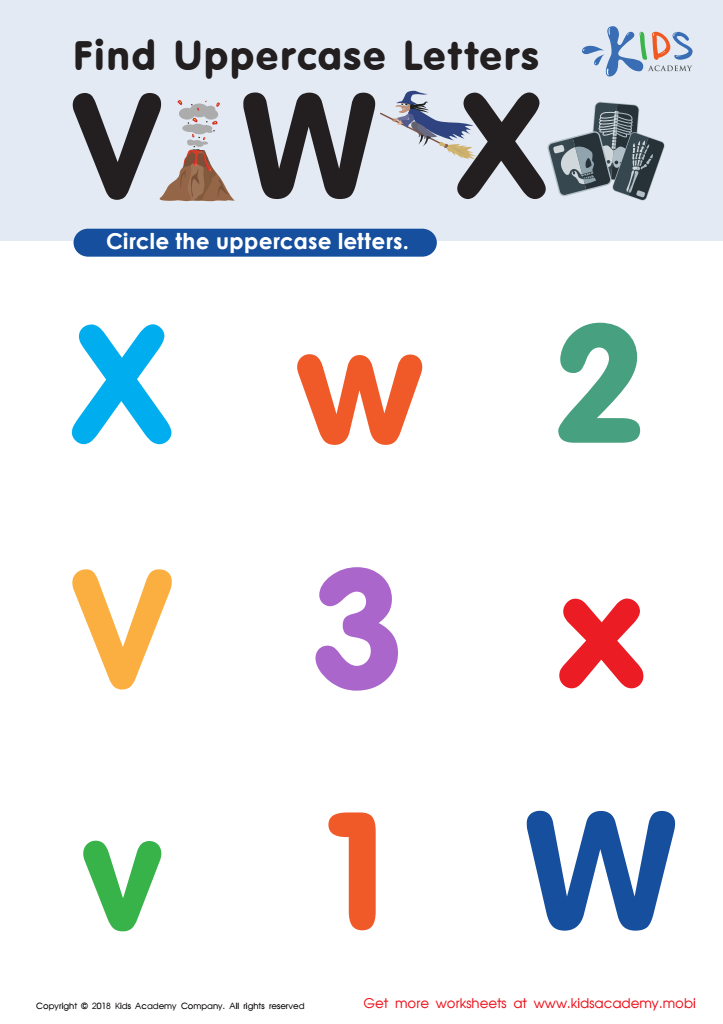
Find Uppercase Letters V, W, X Worksheet






Visual discrimination between upper and lowercase letters is crucial for children aged 5-6, as it forms the foundation for reading and writing. At this stage, children are beginning to identify letters and associate them with sounds, both of which are essential skills for literacy development.
Understanding the differences between uppercase and lowercase letters improves a child’s ability to recognize words in text. Most of the text in books and written materials is in lowercase letters, so this skill is directly tied to reading fluency and comprehension. When children can easily distinguish between 'A' and 'a' or 'B' and 'b', for instance, they can more quickly and accurately decode words, which boosts their confidence and interest in reading.
For writing, recognizing both cases helps children replicate letters correctly, essential for spelling and clarity. Mixing up 'd' and 'D', for example, can lead to confusion and missed learning opportunities.
Additionally, visual discrimination skills are vital for more than just language arts; they are used in understanding numbers, recognizing patterns, and navigating everyday tasks. Strengthening these skills early on supports cognitive development and fine motor coordination, helping children in many areas of learning and daily activities. Therefore, parents and teachers should emphasize exercises and games that enhance visual discrimination to establish a strong literacy foundation and promote holistic development.







