Hand-eye Coordination Vowels Worksheets for Ages 5-6
4 filtered results
-
From - To
Enhance your child’s learning journey with our Hand-eye Coordination Vowels Worksheets designed specifically for ages 5-6. These interactive worksheets blend essential vowel recognition with engaging activities that promote fine motor skills and hand-eye coordination. Young learners will enjoy tracing, matching, and coloring vowel-themed exercises, ensuring an entertaining and educational experience. Perfect for classroom or at-home use, our worksheets encourage cognitive development while nurturing a love for learning. Watch your child gain confidence in their vowel knowledge and improve their coordination skills with these delightful resources. Discover the perfect blend of fun and learning—download your Hand-eye Coordination Vowels Worksheets today!
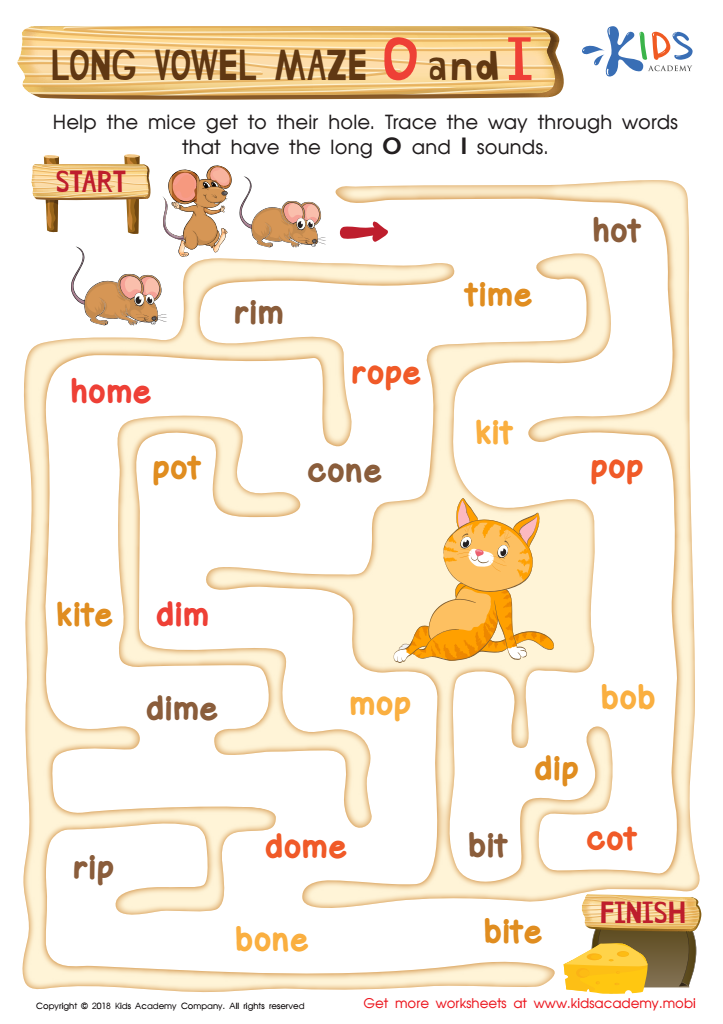
Long Vowel Maze /o/ and /i/ Worksheet
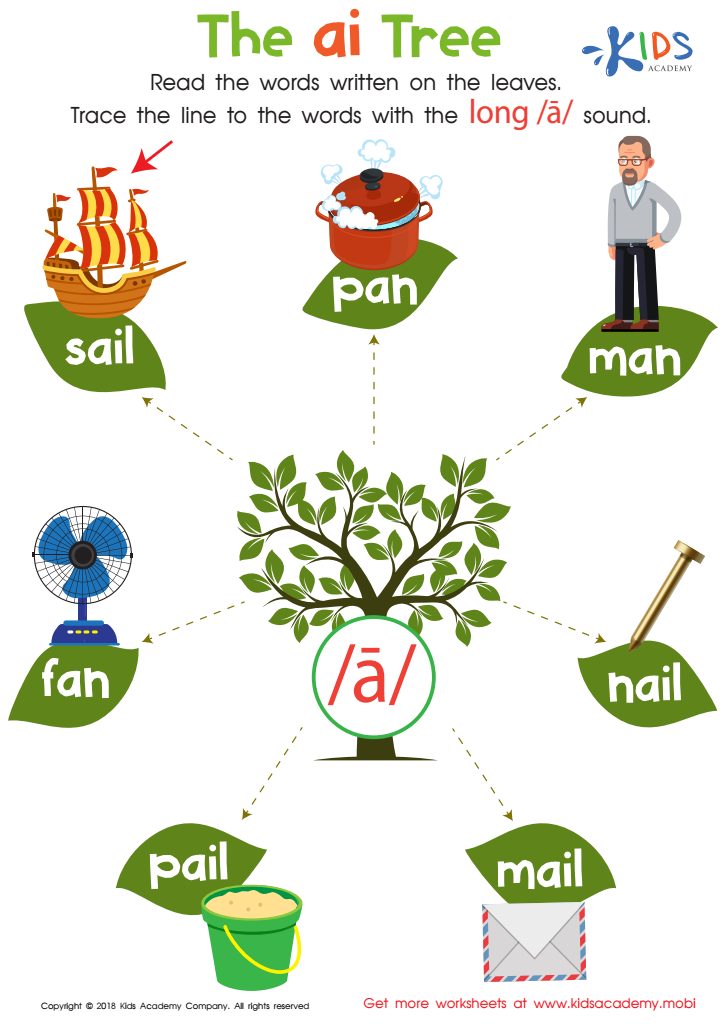
The AI Tree Worksheet
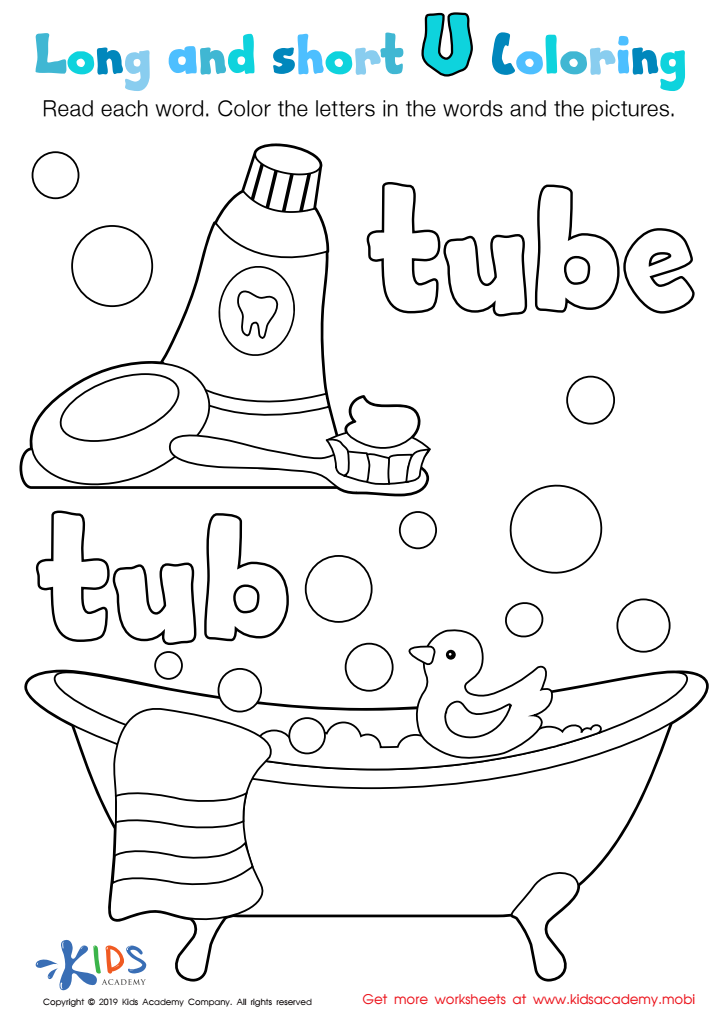
Long and Short U Worksheet
 Assign to My Students
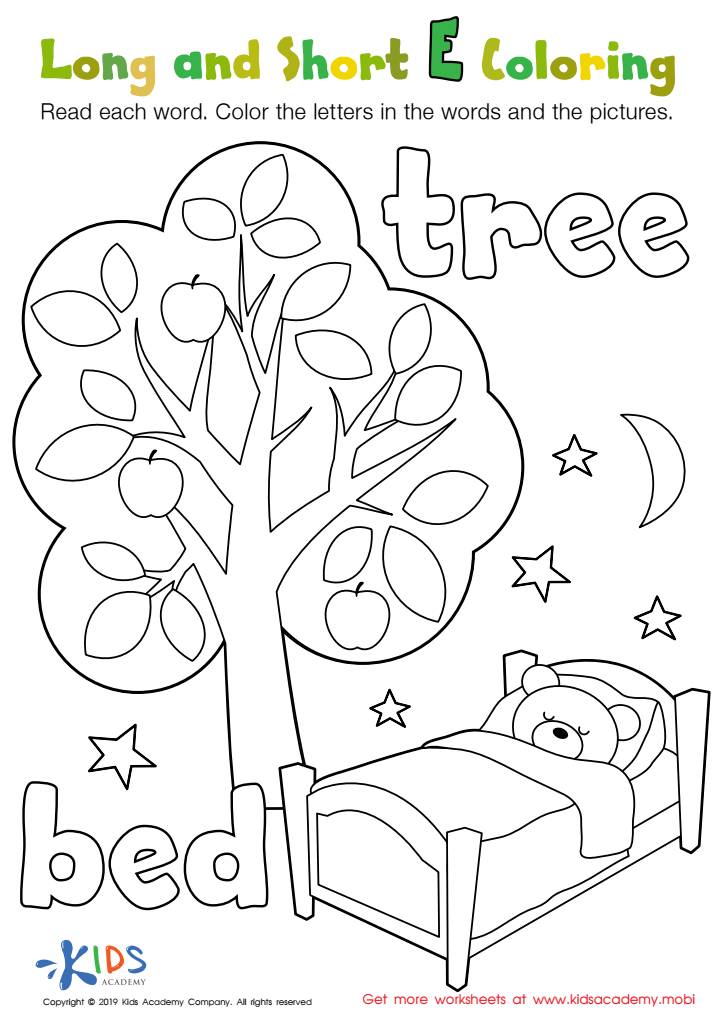
Long and Short E Worksheet
Assign to My Students





Hand-eye coordination vowels play a crucial role in the development of young children, particularly those aged 5-6, as they navigate early learning. During this age, children experience rapid growth in their cognitive and motor skills. The integration of hand-eye coordination into their learning—especially when it comes to vowel sounds—supports not only literacy but also fine motor skills, helping in tasks like writing and drawing.
Vowel recognition is foundational for reading and phonetic understanding. Engaging children in activities that combine hand-eye coordination, such as tracing or drawing vowels, allows them to develop their motor skills while simultaneously reinforcing sound recognition. This dual approach enhances retention and understanding, making learning both active and enjoyable.
Moreover, strong hand-eye coordination aids in concentration, enabling young learners to follow more complex instructions and engage in group activities. As children refine these skills, they build confidence and independence, key factors that contribute to their overall academic success.
By prioritizing hand-eye coordination activities related to vowels, parents and teachers encapsulate a holistic approach to early education, ensuring children are not only literate but also physically coordinated, setting a strong foundation for future learning challenges.







