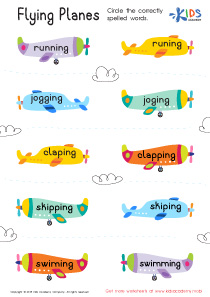
Reading Skills Vowels Worksheets for Ages 5-6
4 filtered results
Difficulty Level
Grade
Age
-
From - To
Subject
Activity
Standards
Enhance your child's reading skills with our engaging Vowel Worksheets, specially designed for ages 5-6. These printable resources focus on the essential role of vowels in language, helping young learners identify, recognize, and utilize them effectively. Our worksheets feature fun activities such as coloring, matching, and fill-in-the-blank exercises, making learning interactive and enjoyable. With a variety of challenges tailored for early readers, your child will gain confidence in their reading abilities while reinforcing their understanding of vowels. Perfect for home or classroom use, these worksheets are an excellent tool to support literacy development in young children. Start the reading adventure today!
Favorites
With answer key
Interactive
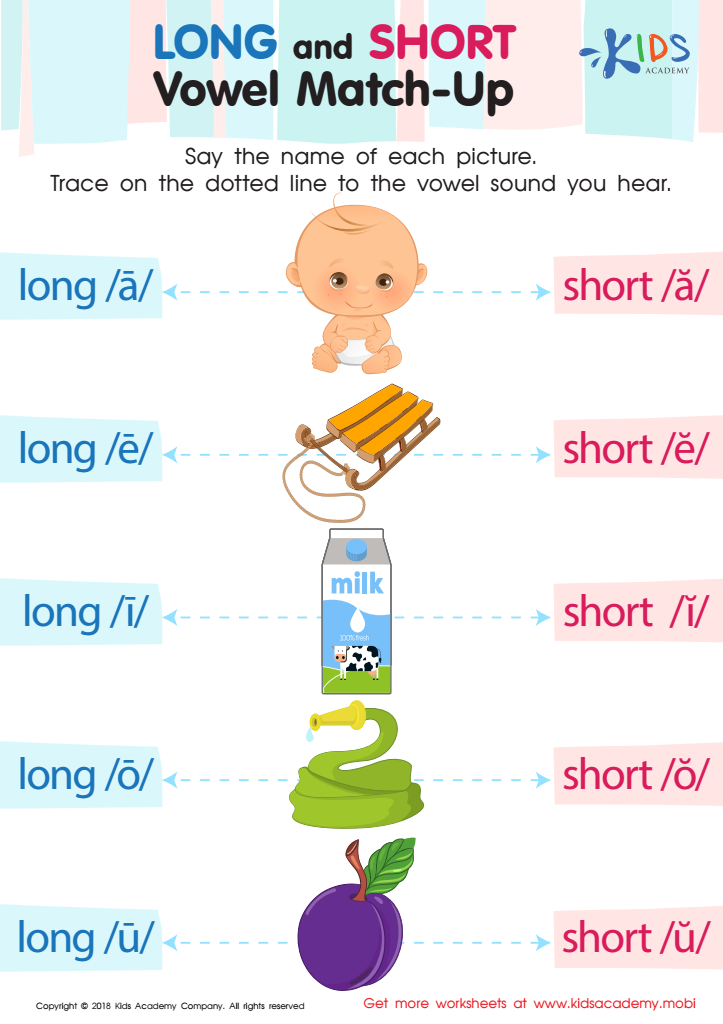
Long and Short Vowel Match up Reading Worksheet
Help your reader build confidence and refine their decoding skills! This worksheet combines long and short vowel recognition with a traceable component to improve fine motor skills. Your learner will name each picture and trace the dotted lines to get to the correct vowel sounds.
 Assign to My Students
Long and Short Vowel Match up Reading Worksheet
Worksheet
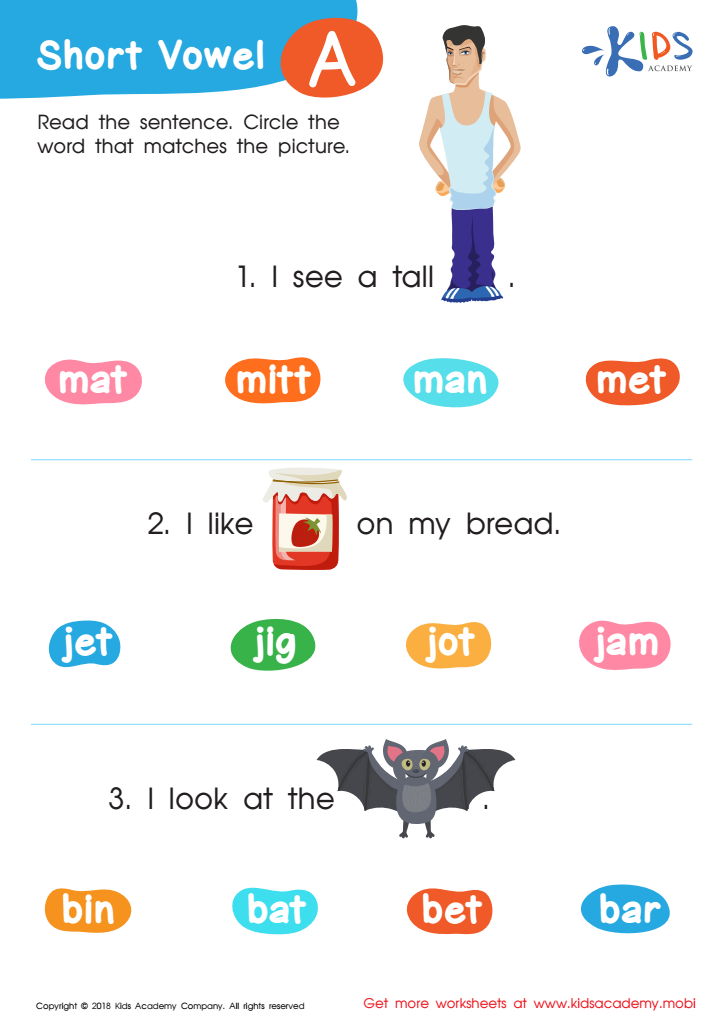
Short Vowel /a/ Worksheet
This free PDF helps new readers use sight words and pictures to read basic sentences. Then, they use accompanying word choices to find the correct word with the short a vowel sound. A key early reading skill, discriminating between short vowel sounds can be tricky in monosyllabic words, so use this PDF to help your reader reinforce it.
Short Vowel /a/ Worksheet
Worksheet
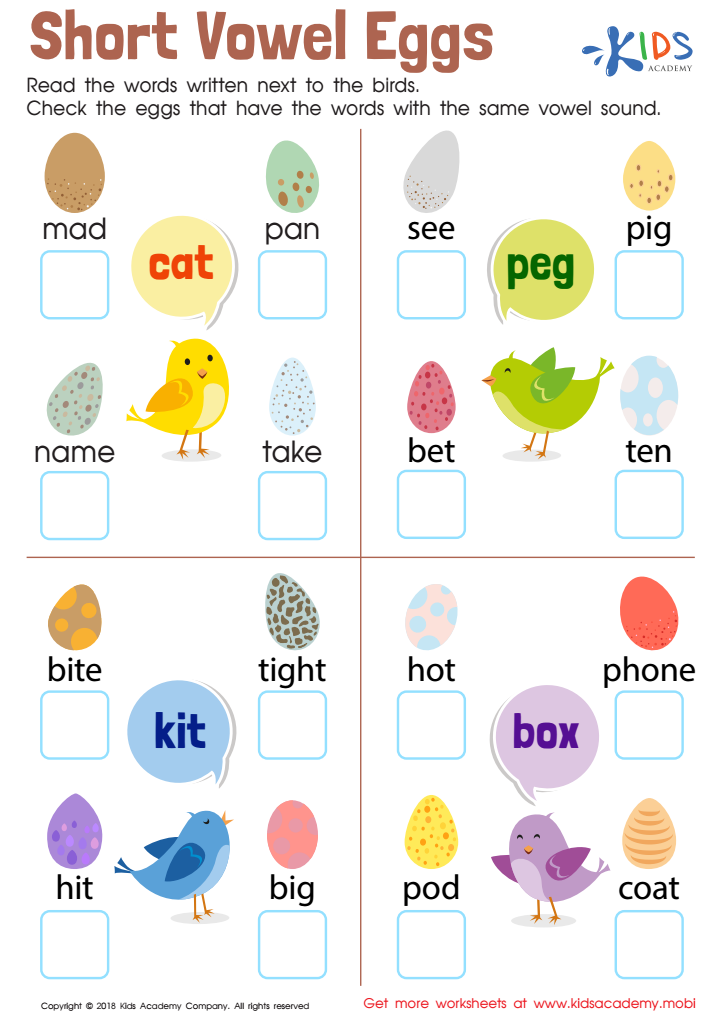
Short Vowel Eggs Worksheet
Your students will love helping these birdies pick the short vowel eggs! Have them read the words in the thought bubbles, then check off the boxes with the same short vowel sounds. The bright colors of this free Worksheet will draw them in and get them practicing their vowels!
Short Vowel Eggs Worksheet
Worksheet
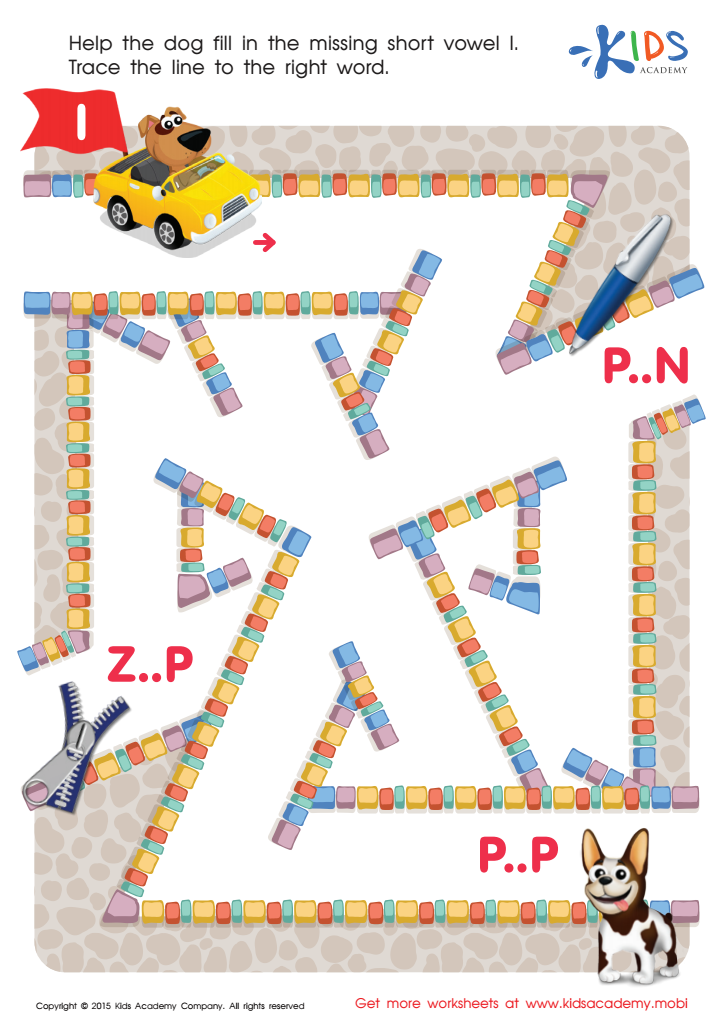
Short Vowel Sound I Worksheet
This free printable phonics worksheet will get your kid prepped for reading! It's a maze to help the dog complete the word “zip” with the missing letter I. Have your kid say the word aloud to learn the I sound. It's a great way to practice reading, writing and spelling skills. Check out here for more phonics worksheets!
Short Vowel Sound I Worksheet
Worksheet
Join Kids Academy for Free
Who is primarily going to use this learning content?





Teaching reading skills, especially the understanding of vowels, to children aged 5-6 is critical for their literacy development. Vowels are the building blocks of many words, and mastering these sounds is essential for young learners as they begin to read and write. Understanding vowels enables children to decode words, facilitating their ability to recognize, read, and comprehend texts.
At this age, children are particularly curious and adaptable, making it an ideal time for parents and teachers to lay a strong foundation in phonics. Vowels are often tricky for young learners, with varying sounds and combinations. By focusing on these early reading skills, parents and teachers can foster confidence and encourage a love of reading that lasts a lifetime.
Moreover, proficient reading skills are linked to broader academic success, impacting areas like writing, spelling, and even mathematics. When children grasp vowel sounds and how they function within words, they are better equipped for future academic challenges.
Ultimately, investing time in developing reading skills and a solid understanding of vowels helps cultivate proficient readers who can engage with literature, think critically, and express themselves effectively. Supporting literacy in young children sets the stage for lifelong learning.