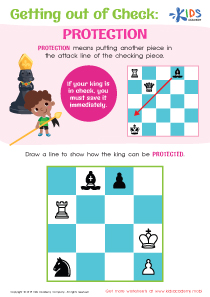
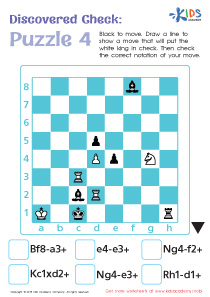
Problem-solving practice Chess Worksheets for Ages 5-6
3 filtered results
-
From - To
Introduce your little ones to the world of strategic thinking with our Problem-Solving Practice Chess Worksheets, specially designed for children ages 5-6. These enjoyable and educational worksheets from Kids Academy help young minds develop critical thinking, spatial awareness, and decision-making skills through engaging chess puzzles and exercises. With colorful illustrations and simple instructions, your child will have hours of fun while mastering the basics of chess, learning essential life skills, and preparing for a lifetime of strategic thinking. Download today and watch your child’s confidence and abilities grow with every move!
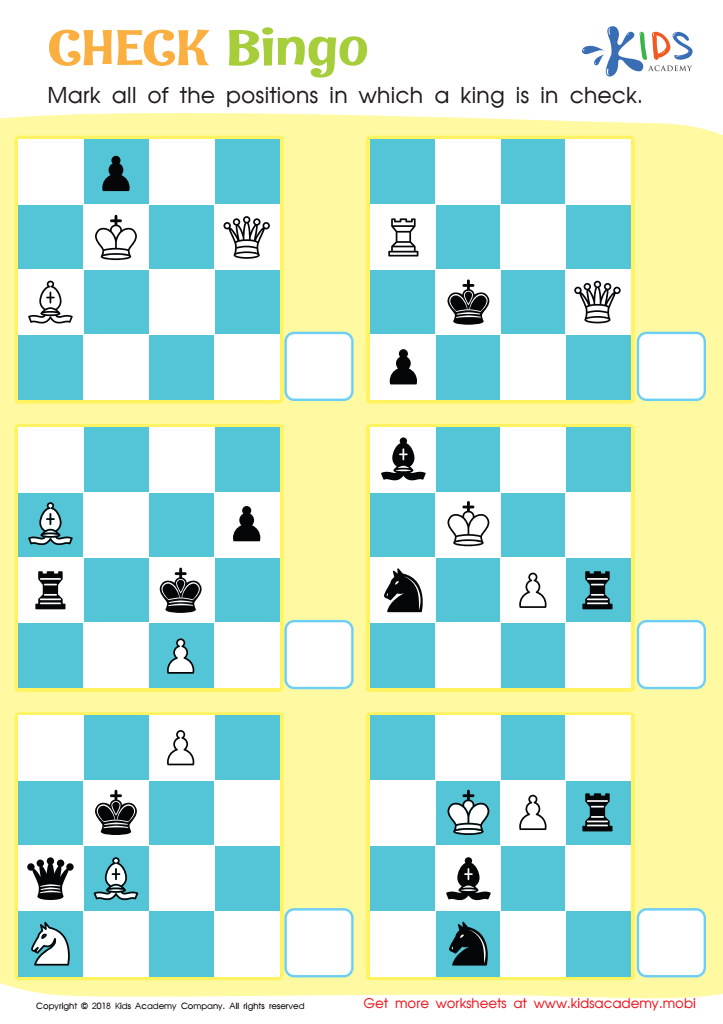
Check Bingo Worksheet
 Assign to My Students
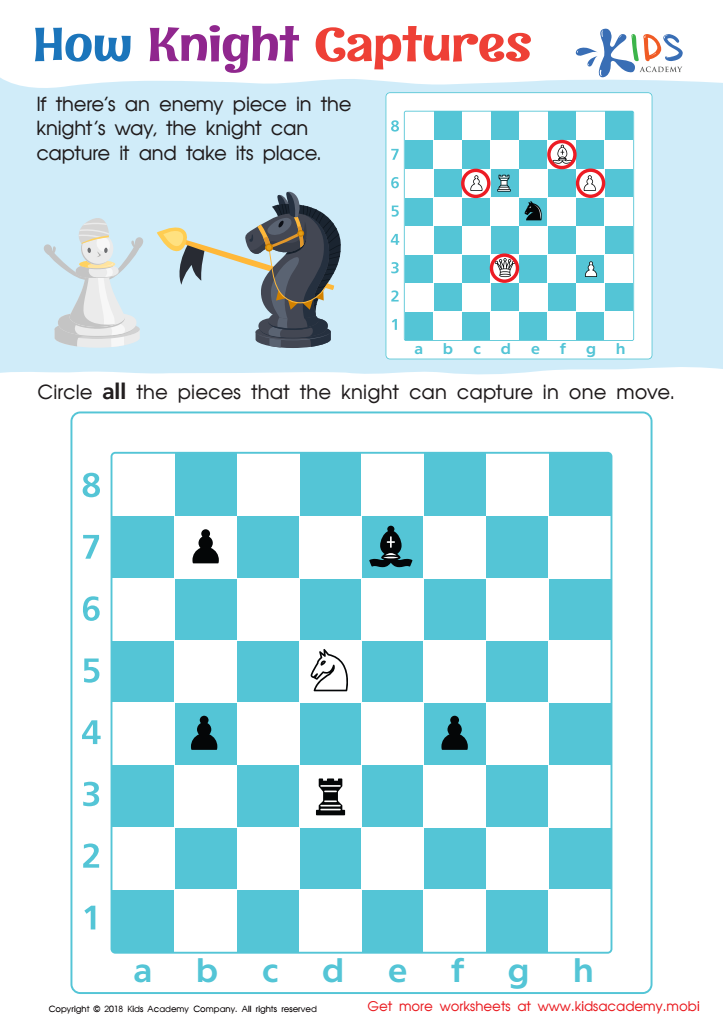
How Knight Captures Worksheet
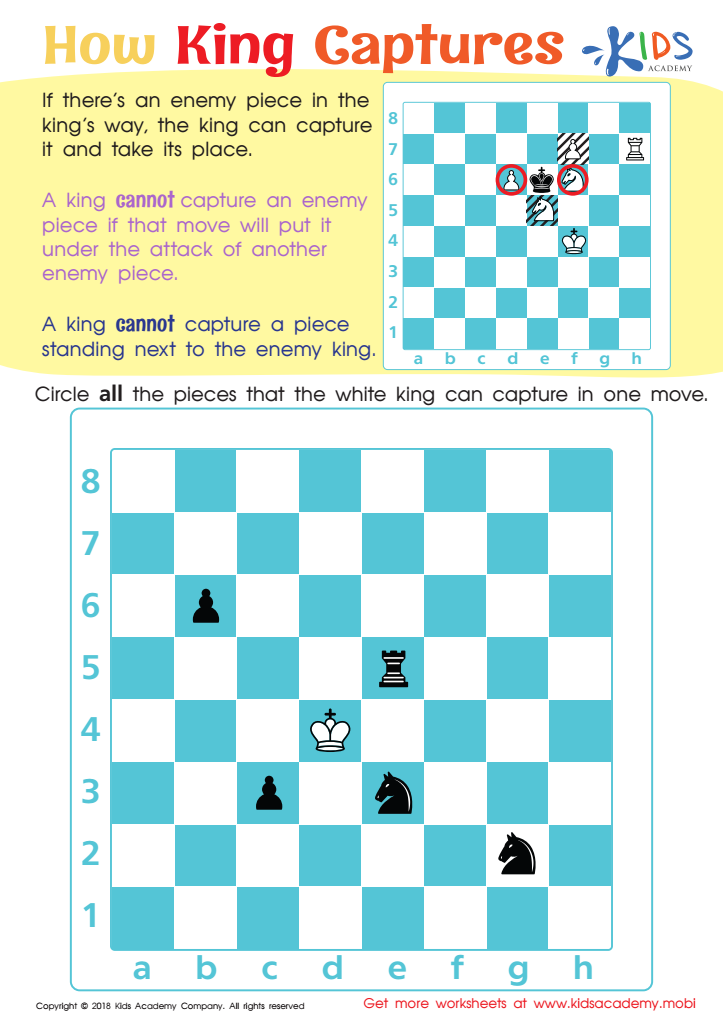
How King Captures Worksheet





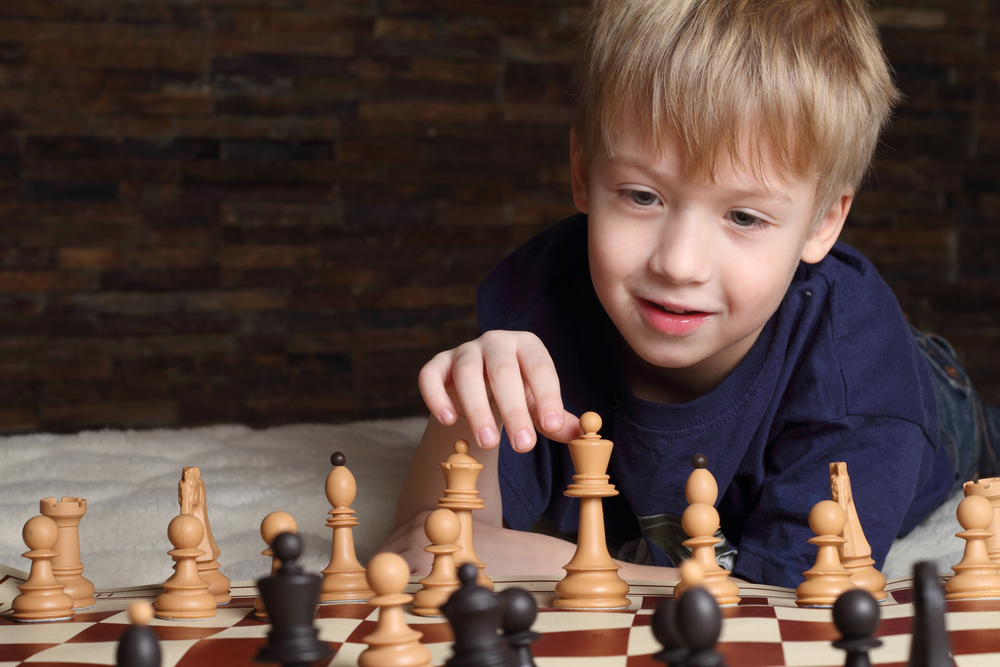
Parents and teachers should value problem-solving practice, such as playing chess, for young children aged 5-6 because it fosters crucial cognitive and social development. Engaging in chess helps these children enhance their critical thinking and reasoning skills, as they learn to evaluate different possibilities and anticipate outcomes. This strategic game encourages children to develop patience and focus, as well as to practice goal-setting and perseverance—skills that are beneficial in both academic and everyday contexts.
In addition to cognitive improvements, chess offers substantial opportunities for social growth. Playing chess in a structured environment encourages cooperation, communication, and respectful competition. Children learn to follow rules, respect their opponents, and handle wins and losses gracefully, promoting emotional resilience.
Furthermore, chess nurtures mathematical and spatial abilities. The game demands an understanding of geometry, deductive reasoning, and pattern recognition, all of which are foundational skills in STEM education. For parents and educators striving to cultivate well-rounded, intellectually curious children, incorporating chess into early education offers a fun and engaging method to develop essential cognitive and social skills, setting a solid groundwork for future learning.