Filters

6 filtered results

Clear all filters
Favorites
With answer key
Interactive

6 filtered results

Difficulty Level

Grade


Enhance your child's understanding of English with our "Following Instructions" worksheets designed for ages 5-6. These engaging resources help young learners develop crucial listening and comprehension skills by practicing how to follow simple instructions. Each worksheet features fun activities that promote teamwork and communication while guiding students on different tasks they can complete independently or in pairs. Ideal for ESL beginners, our easy-to-follow formats ensure that children build confidence as they learn essential vocabulary and concepts. Download our worksheets today to support your child's journey in mastering English through interactive and enjoyable instructions!

Check out this FREE Trial Lesson on English for Beginners for age 5-6!

A

Favorites
With answer key
Interactive
  • 5-6
  • Following instructions
  • English for Beginners
Red and Blue Coloring Fun Worksheet

Red and Blue Coloring Fun Worksheet

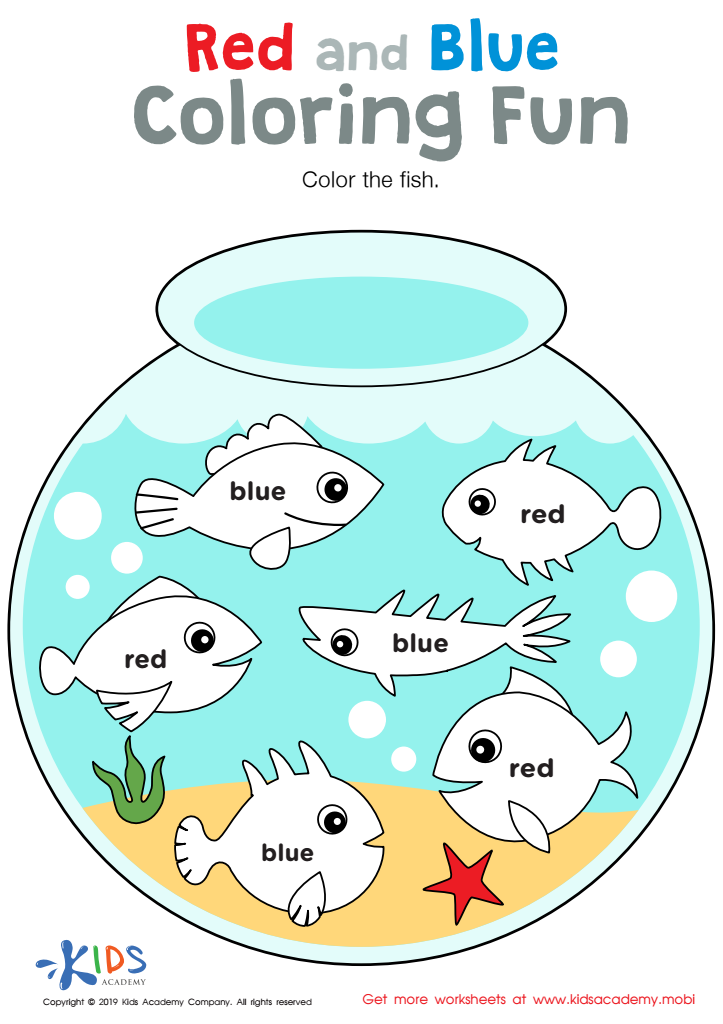
Kids know colors like red and blue. But can they read these words? Give them practice with this fun fish bowl coloring sheet. They'll look at the fish, then color them the corresponding hue. Home or classroom, they'll be sure to get a kick out of learning colors in this creative way!
Download (PDF)
Assign to My Students
Red and Blue Coloring Fun Worksheet
Worksheet
Yellow and Green Coloring Fun Worksheet

Yellow and Green Coloring Fun Worksheet

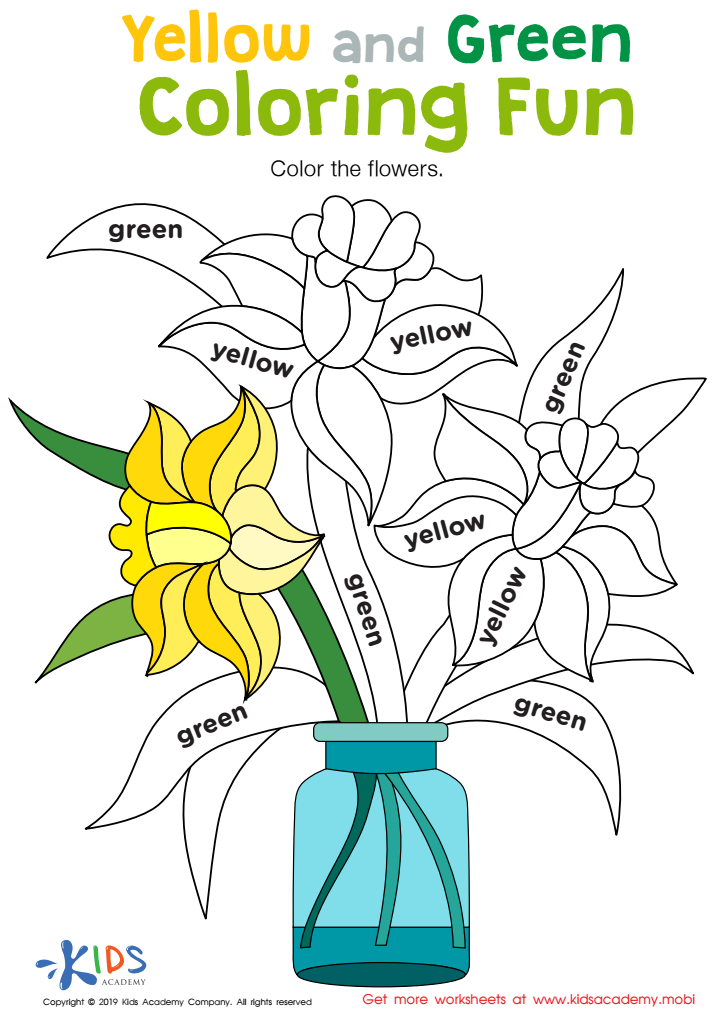
Sight words like "yellow" and "green" are easy to teach and fun for kids to learn. This free downloadable worksheet has kids read the color words and color the flower with yellow and green. A great activity for learning to read color words!
Download (PDF)
Assign to My Students
Yellow and Green Coloring Fun Worksheet
Worksheet
Colors: Assessment 2 Worksheet

Colors: Assessment 2 Worksheet

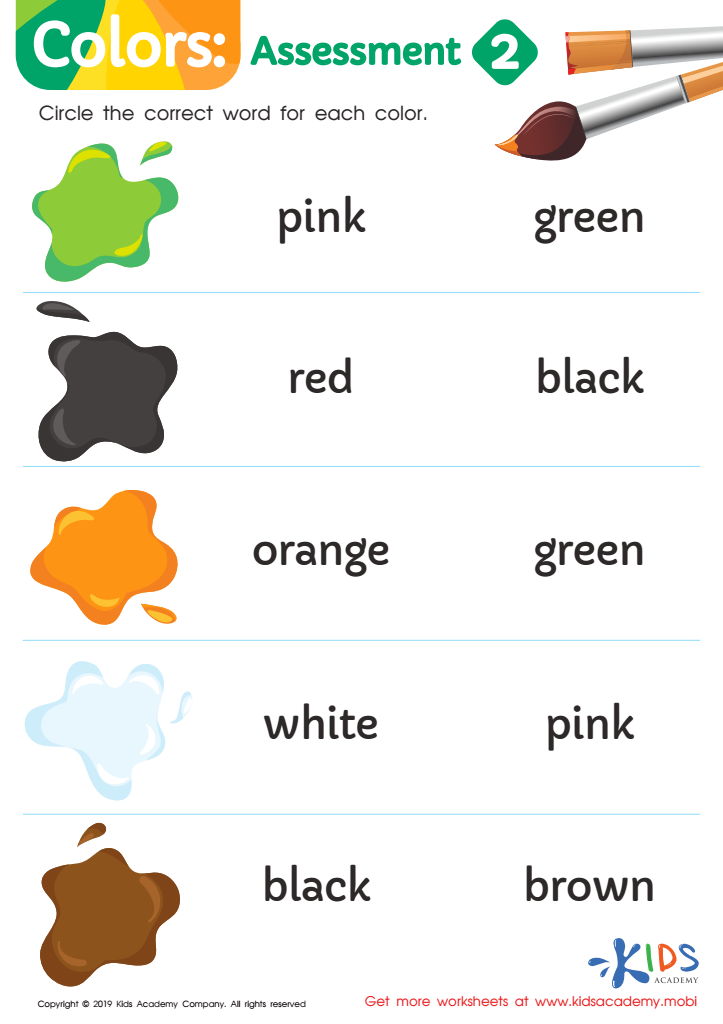
Teach color words to young students to build fluency and confidence. Check knowledge with an assessment worksheet. Have students look at paint samples and circle the correct color word. This assessment helps parents and teachers measure a child’s accuracy when reading color words.
Colors: Assessment 2 Worksheet
Worksheet
Purple and Orange Coloring Fun Worksheet

Purple and Orange Coloring Fun Worksheet

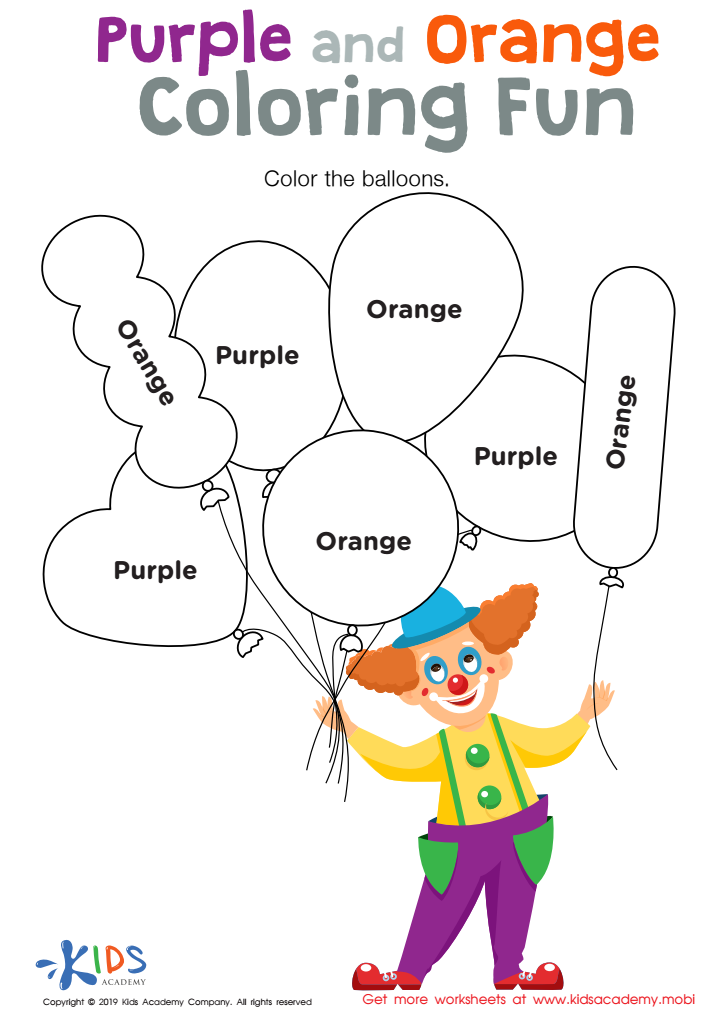
Children should learn to read color words early on. This coloring worksheet helps with that! Kids read the words "purple" and "orange" on each balloon and color them accordingly. It's a great activity for boosting literacy and having fun at the same time! Watch your child gain more reading confidence with this cute clown printable.
Download (PDF)
Assign to My Students
Purple and Orange Coloring Fun Worksheet
Worksheet
Monster's Face Coloring Worksheet

Monster's Face Coloring Worksheet

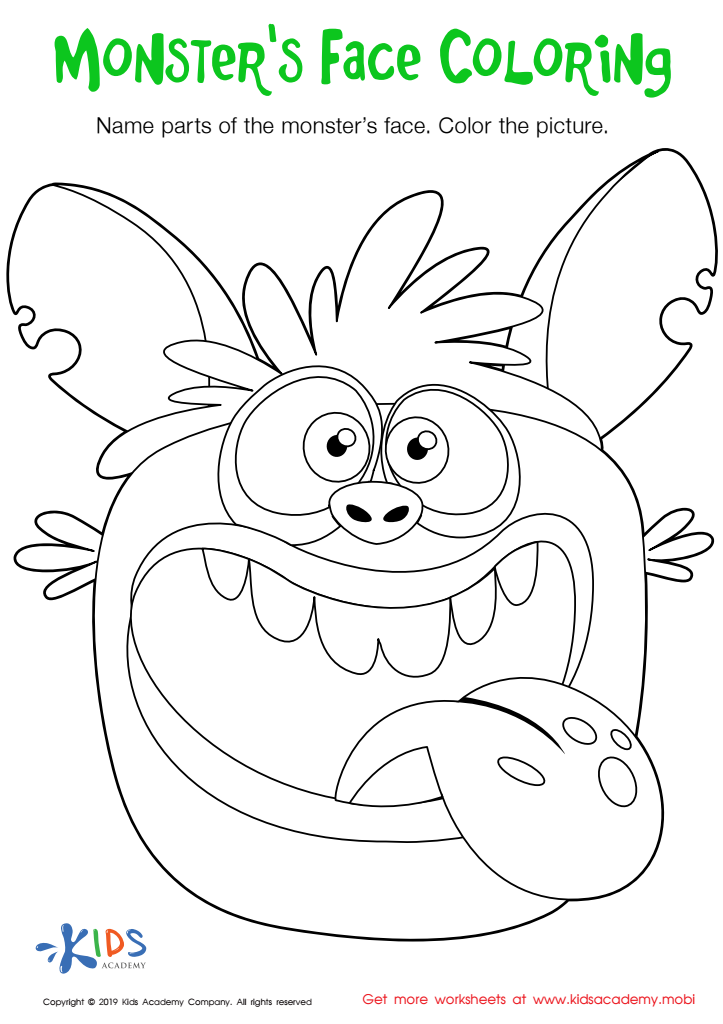
Have your students practice identifying face parts with this fun worksheet. Teach them how to say eyes, nose, mouth, and ears. Help them master these words so they can express themselves better. And have some fun with the monster coloring page too!
Download (PDF)
Assign to My Students
Monster's Face Coloring Worksheet
Worksheet
White and Pink Coloring Fun Worksheet

White and Pink Coloring Fun Worksheet

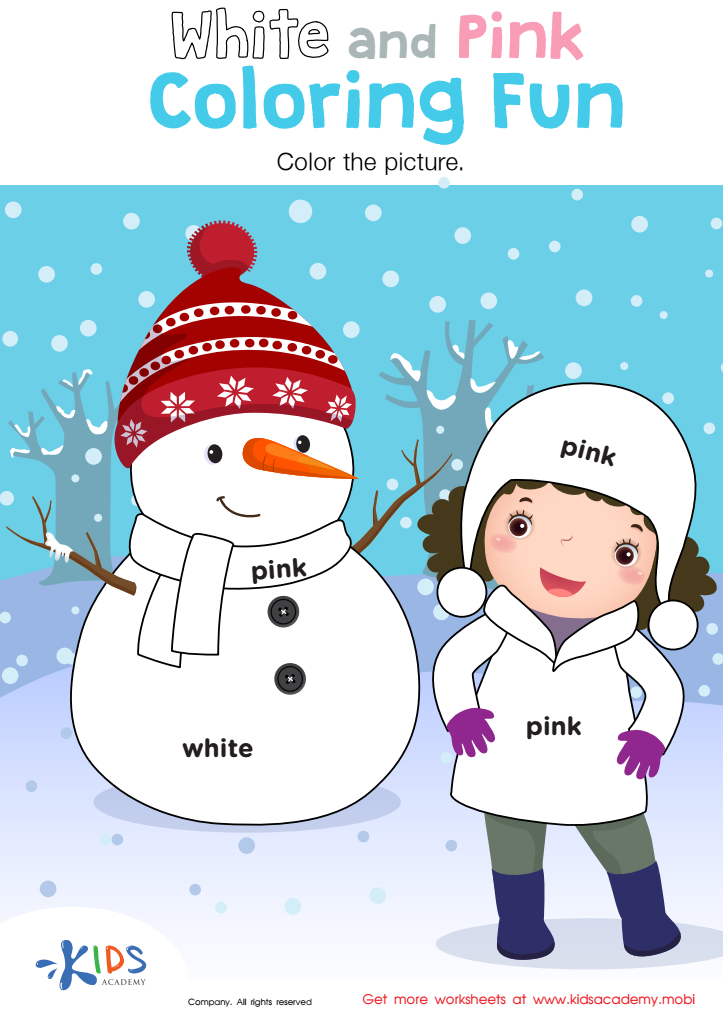
Preschoolers and kindergarten students can practice reading sight words with this fun worksheet, featuring a winter scene. Have them color the snowman white and the clothing pink. This activity is a great way to learn common sight words like white and pink and help them become confident, fluent readers.
Download (PDF)
Assign to My Students
White and Pink Coloring Fun Worksheet
Worksheet


Following instructions is a fundamental skill for young learners, particularly those aged 5-6, as it lays the foundation for their academic and social development. For parents and teachers, fostering this skill is crucial because it enhances a child’s ability to understand and engage with tasks, encouraging independence and critical thinking. When children learn to follow instructions in English, they enhance their language comprehension and communication skills, which are vital for effective interaction and learning in diverse environments.

Moreover, mastering this skill in early education promotes positive behaviors, such as patience, respect for authority, and collaboration. It helps children navigate structured activities in classrooms and at home, reducing frustration and enhancing their confidence. Through following step-by-step instructions, children learn problem-solving techniques and improve their ability to process and retain information.

Additionally, honing this ability at a young age provides children with tools necessary for future learning, as they will encounter increasingly complex tasks in subsequent grades. With a solid grasp of following instructions, children become more active learners, better equipped to face challenges inside and outside the classroom. As such, parents and teachers play a pivotal role in cultivating this essential skill, ensuring children’s successful growth and development.