Phonics Skills English for Beginners Worksheets for Ages 5-6
3 filtered results
-
From - To
Enhance your child's reading abilities with our "Phonics Skills English for Beginners Worksheets," tailored for ages 5-6. Designed for young learners, these engaging worksheets focus on essential phonics skills, including letter recognition, sound associations, and word formation. Each activity fosters a playful learning environment, encouraging children to develop foundational reading skills through interactive and visual exercises. Perfect for home or classroom use, these printable resources help build confidence and fluency in English. Whether your child is just starting their reading journey or looking to reinforce skills, our phonics worksheets provide the perfect blend of fun and education for early learners.
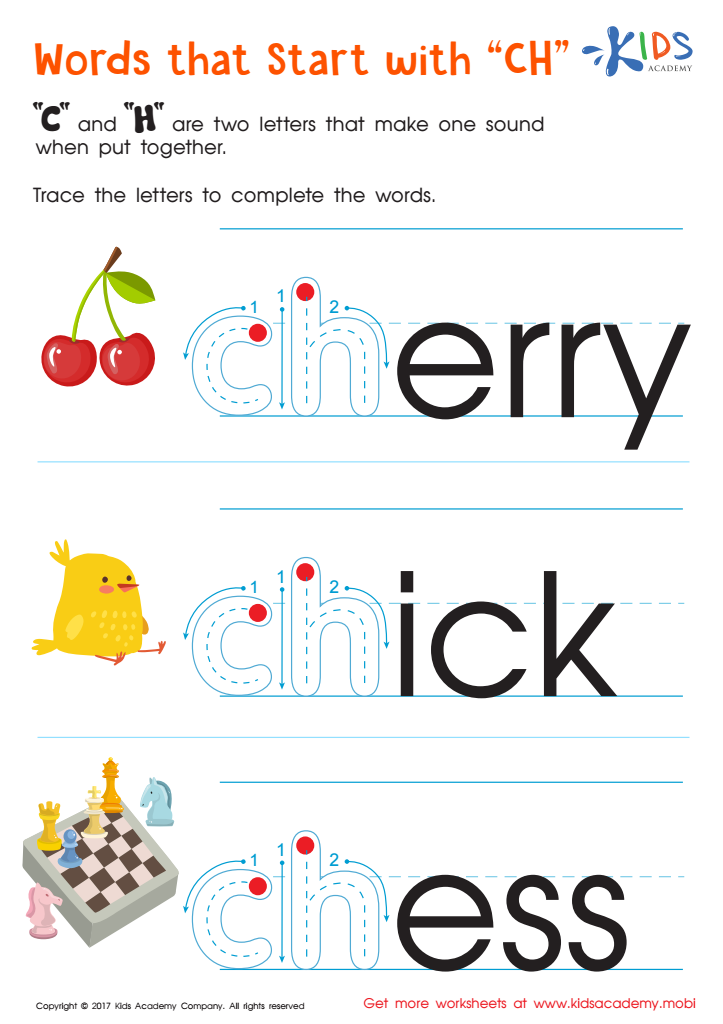
Words That Start with "ch" Spelling Worksheet
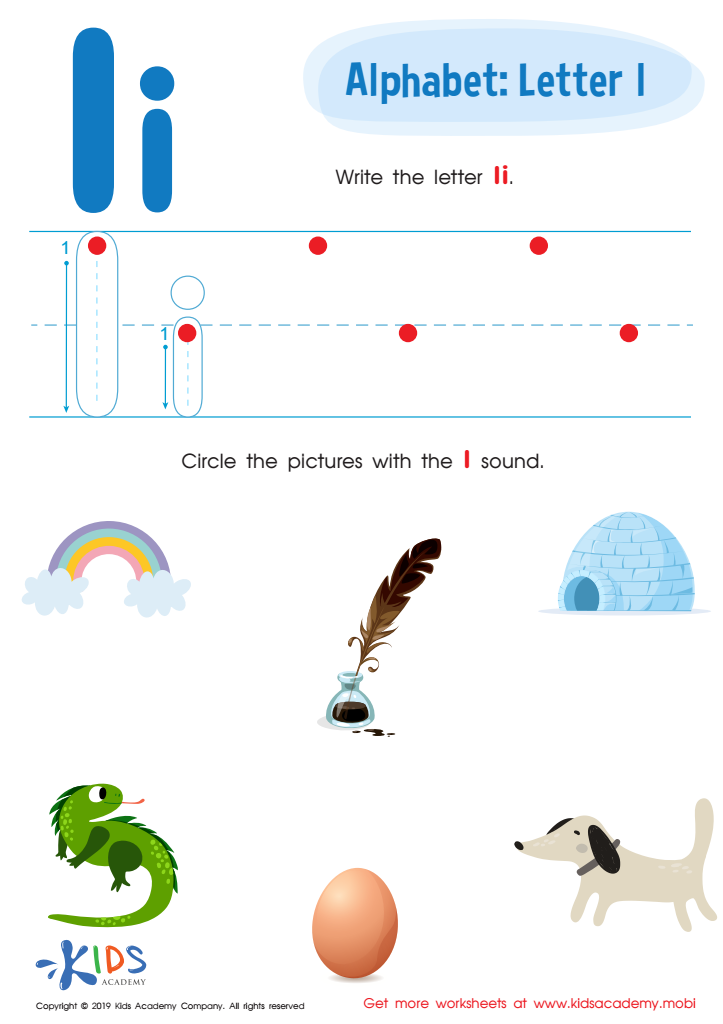
Letter I Tracing Worksheet
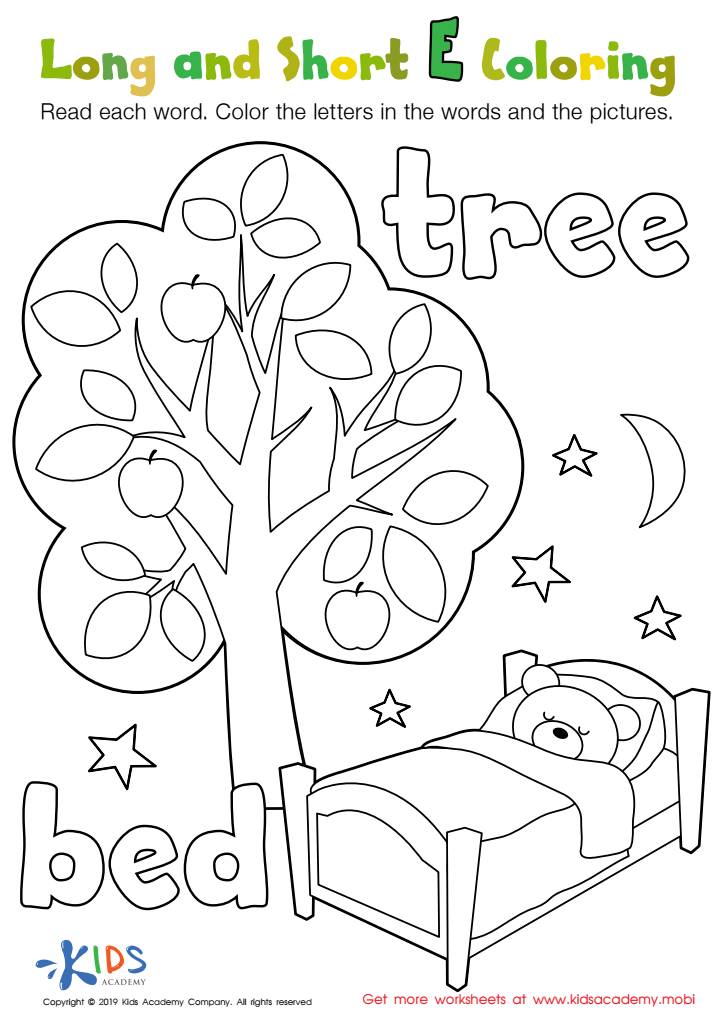
Long and Short E Worksheet
 Assign to My Students





Parents and teachers should prioritize phonics skills for children ages 5-6 as it serves as a foundational building block for literacy development. Phonics involves the relationship between sounds and their corresponding letters or groups of letters, enabling children to decode words and improve reading fluency. This skill is crucial for young learners, as it helps them understand that letters represent sounds, thus enhancing their ability to read accurately and confidently.
By mastering phonics, children can independently tackle new words, which fosters a love for reading. This early engagement not only boosts vocabulary acquisition but also enhances comprehension skills. Additionally, children with strong phonics skills tend to achieve better overall academic performance, as reading proficiency is linked to success in all subject areas.
Moreover, teaching phonics in a structured way supports diverse learning styles, establishing a safe environment for exploration and expression. When parents and teachers are invested in phonics education, they create a strong partnership that motivates children to read and learn. This proactive approach also allows any difficulties to be identified and addressed early on, ensuring a smoother transition into more complex literacy tasks as they progress in their education. In short, fostering phonics skills lays the groundwork for lifelong reading and learning.