Associative learning Worksheets for Ages 5-6
4 filtered results
-
From - To
Explore our specially designed Associative Learning Worksheets for children aged 5-6, perfect for enhancing cognitive skills through engaging activities! These worksheets encourage young learners to make connections between concepts, shapes, colors, and words, fostering critical thinking and comprehension. With vibrant illustrations and interactive tasks, kids will enjoy practicing their skills while improving their ability to associate different elements of their learning environment. Ideal for home or classroom use, our worksheets support early childhood development and create a fun, interactive learning experience. Start your child’s journey toward becoming a confident learner with our collection of printable, easy-to-follow worksheets today!
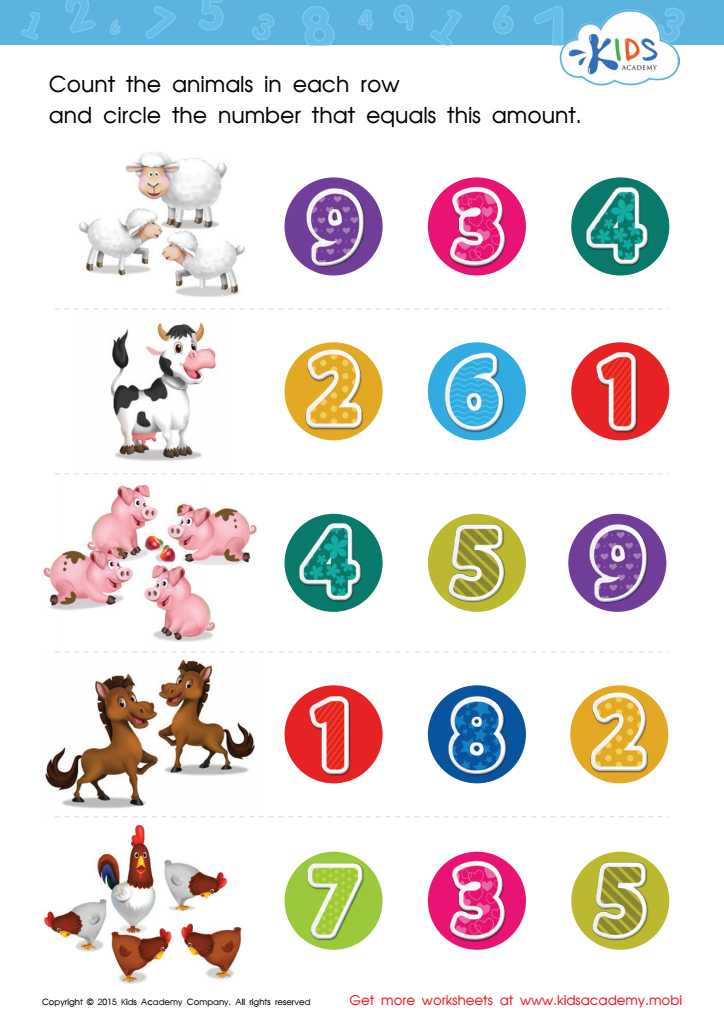
Count and Match 1 – 5 Math Worksheet
 Assign to My Students
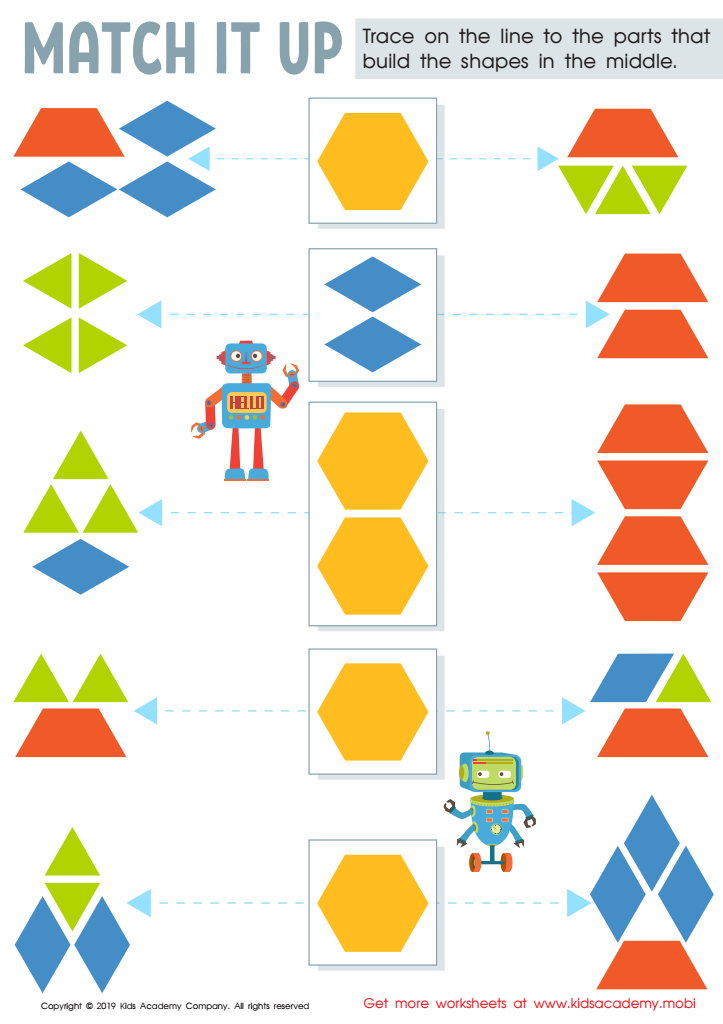
Match It up Worksheet
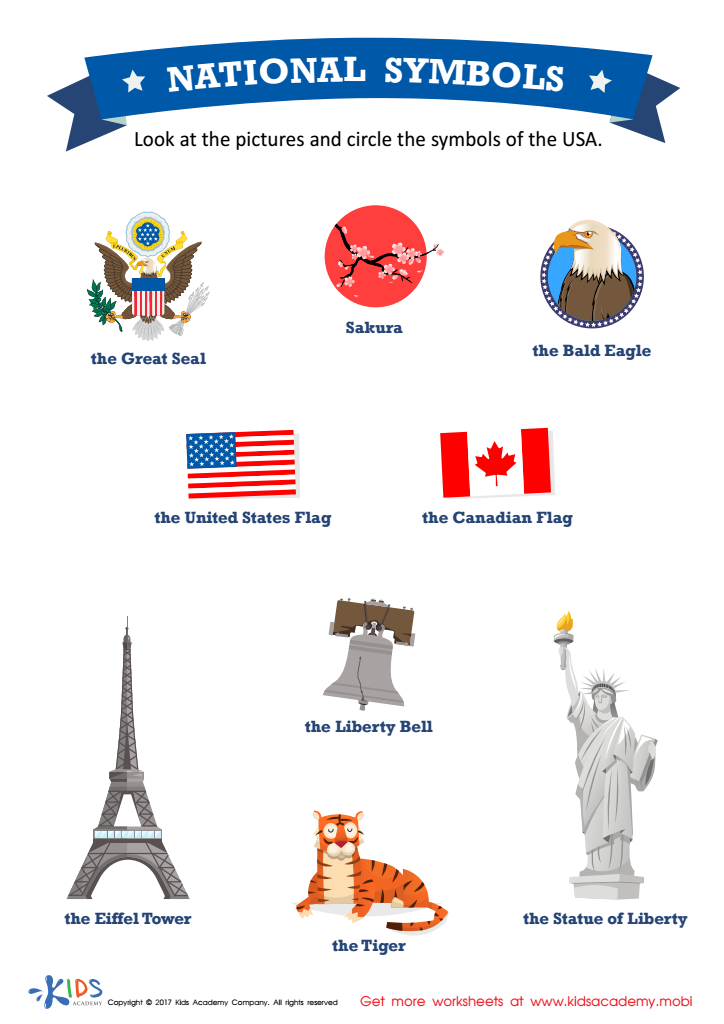
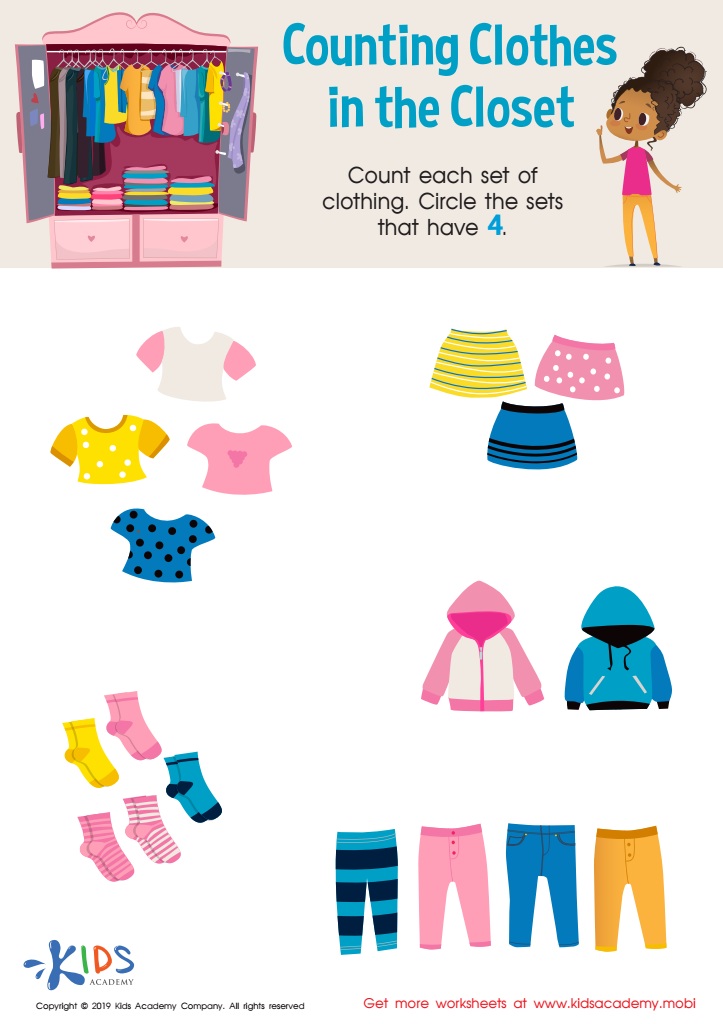
Counting Clothes Worksheet








Associative learning is a crucial process in early childhood development, especially for children aged 5-6. During this period, children's brains are highly receptive to forming connections between ideas, experiences, and behaviors. Understanding and leveraging this type of learning can greatly enhance both academic and social skills.
Firstly, associative learning aids in language development. Through repeated exposure to words in different contexts, children link vocabulary with meanings, which facilitates reading and communication skills. For instance, associating the word "cat" with a picture and the sound of a cat solidifies their understanding.
Additionally, this learning style supports problem-solving skills. Children start to comprehend cause-and-effect relationships—such as the idea that certain actions lead to certain outcomes—helping them navigate challenges more effectively. This can foster independence and confidence.
Furthermore, social interactions at this age benefit from associative learning. Children learn social cues and behaviors by observing others, leading to a better understanding of empathy and cooperation.
In summary, parents and teachers should prioritize associative learning, as it not only lays the groundwork for academic achievement but also promotes essential emotional and social skills. By supporting this learning method, caregivers can contribute to holistic development, ensuring children thrive in their early years.








