Basic math application Worksheets for Ages 5-6
3 filtered results
-
From - To
Explore our collection of Basic Math Application Worksheets for ages 5-6, designed to make learning fun and effective! These engaging worksheets help young learners build essential math skills, including addition, subtraction, and number recognition. Each activity is crafted to boost problem-solving abilities and foster a love for math in preschool and kindergarten children. Bright, colorful designs and interactive tasks ensure that kids stay engaged while learning. Perfect for parents and teachers alike, our worksheets provide a solid foundation in math that prepares kids for future success. Jumpstart your child's math journey with us today!
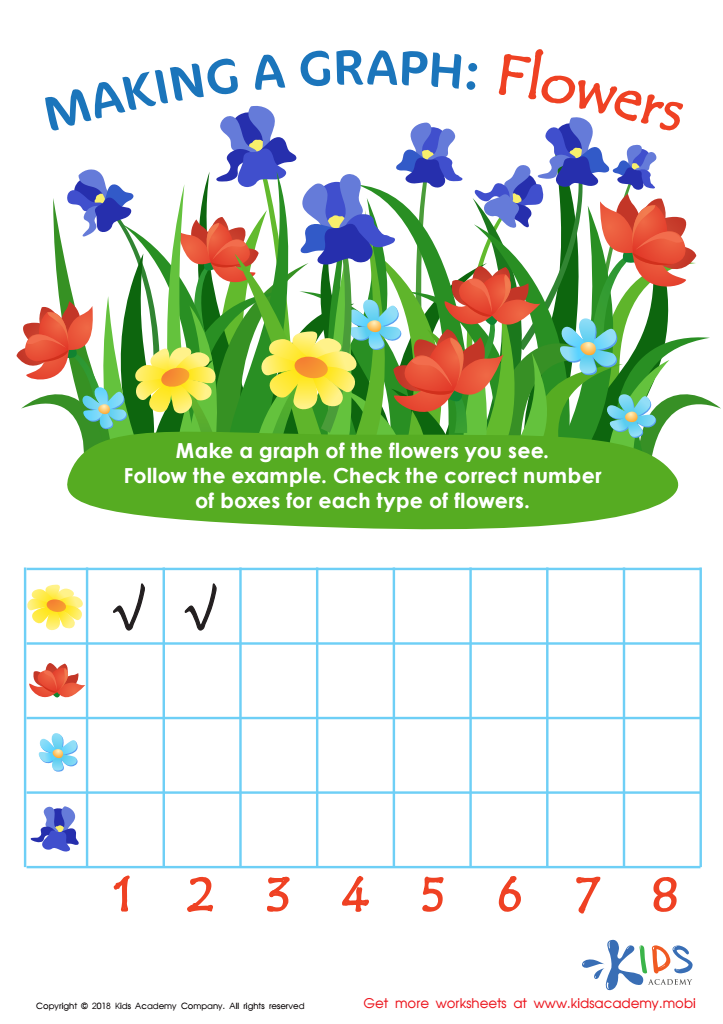
Making a Graph: Flowers Worksheet
 Assign to My Students
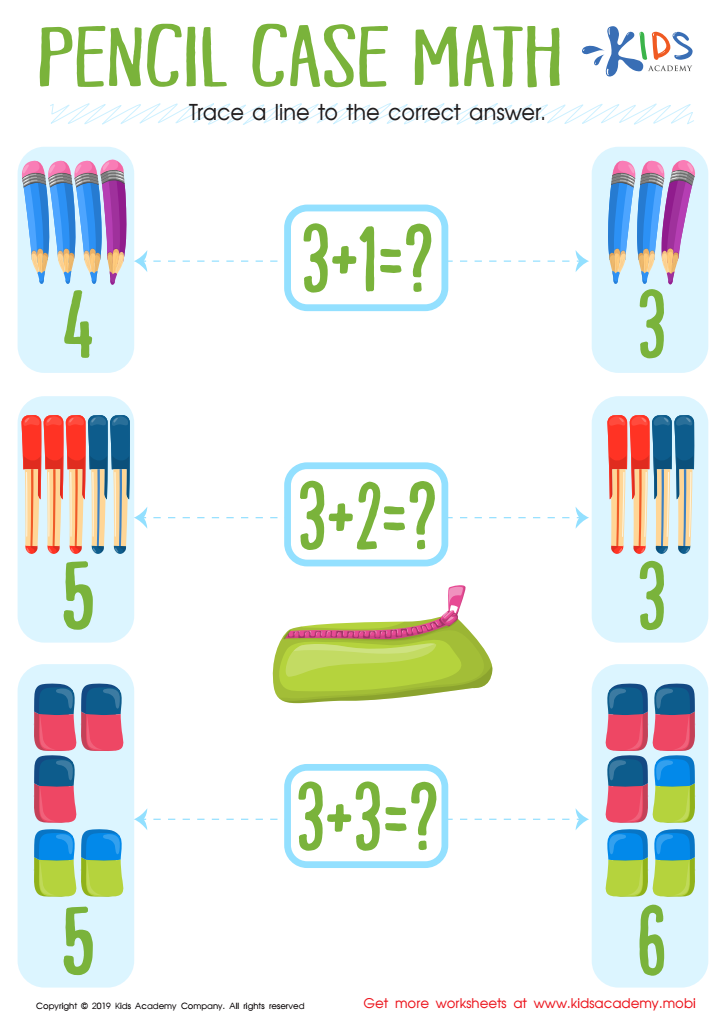
Pencil Case Math Worksheet
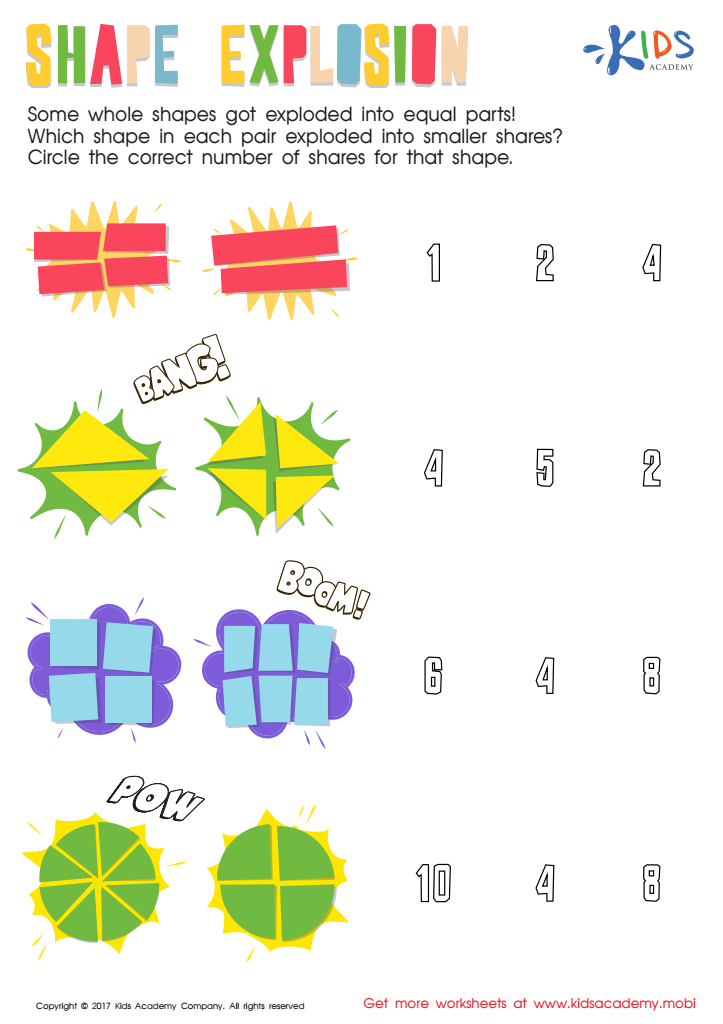
Shape Explosion Worksheet



.jpg)
.jpg)


Basic math application for ages 5-6, often referred to as early numeracy, forms the foundation for a child's future learning and cognitive development. Parents and teachers should prioritize this for several crucial reasons.
Firstly, early exposure to math helps develop critical thinking and problem-solving skills. Understanding concepts like counting, number recognition, and basic arithmetic provides a strong base for tackling more complex problems as children grow. It stimulates logical reasoning and enhances cognitive abilities.
Secondly, early numeracy is closely linked to overall academic success. It isn't just about numbers; it helps improve comprehension skills and shapes the way children understand and interact with the world. Mastering early math concepts can boost a child's confidence in their other academic pursuits, from literacy to science.
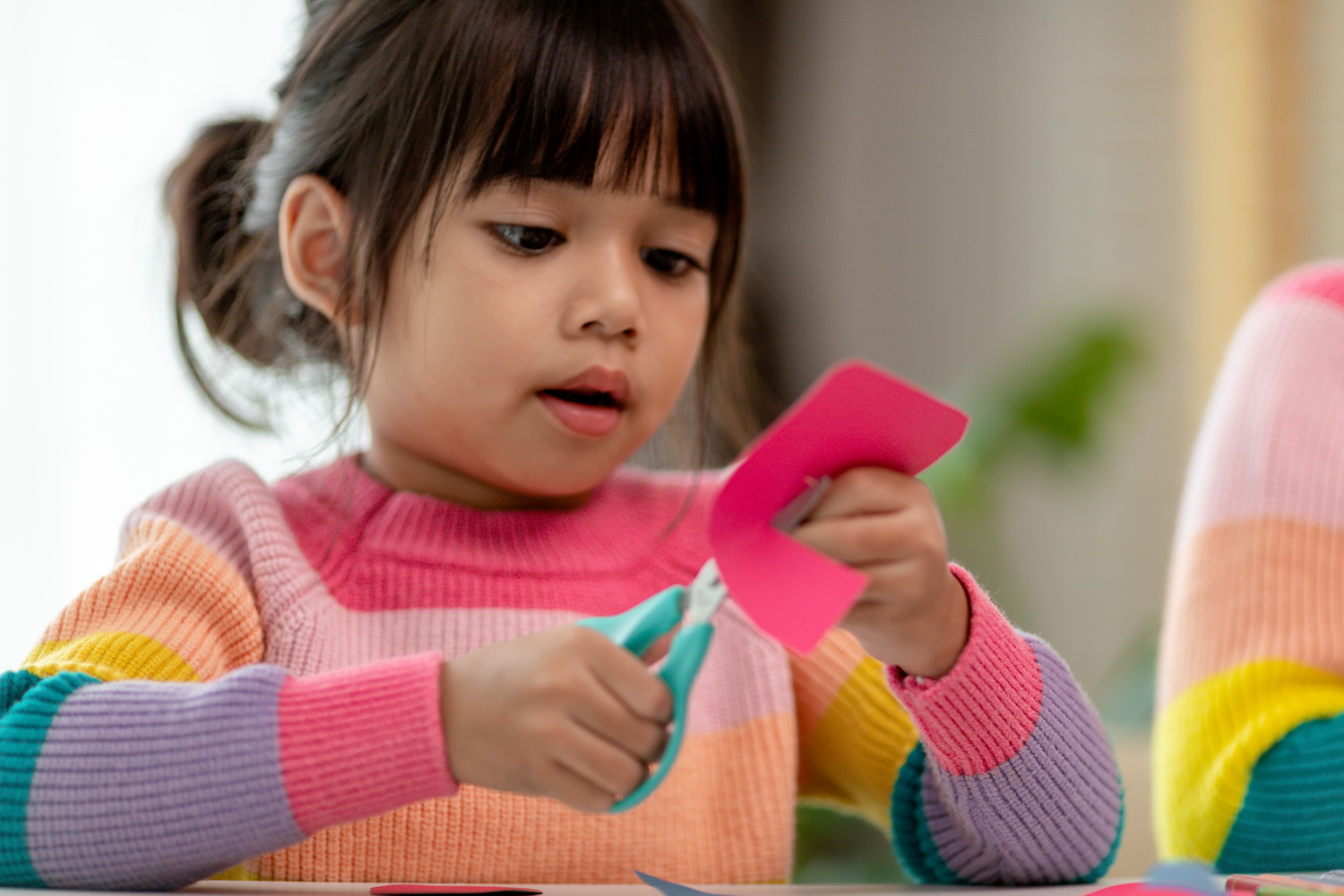
Furthermore, fostering a positive attitude towards math during these formative years can set the stage for a love of learning. By integrating engaging and interactive activities, adults can make math fun and less intimidating, reducing math anxiety later in life.
Finally, daily tasks often require basic math skills, and early practice prepares children for practical, real-world applications. Simple exercises, like counting toys or measuring ingredients for a recipe, link mathematical concepts to daily life.
Parents and teachers who focus on early math skills help children develop a robust toolkit necessary for academic and everyday success.








