Comparing Fractions Worksheets for Ages 5-6 - Page 2
32 filtered results
-
From - To




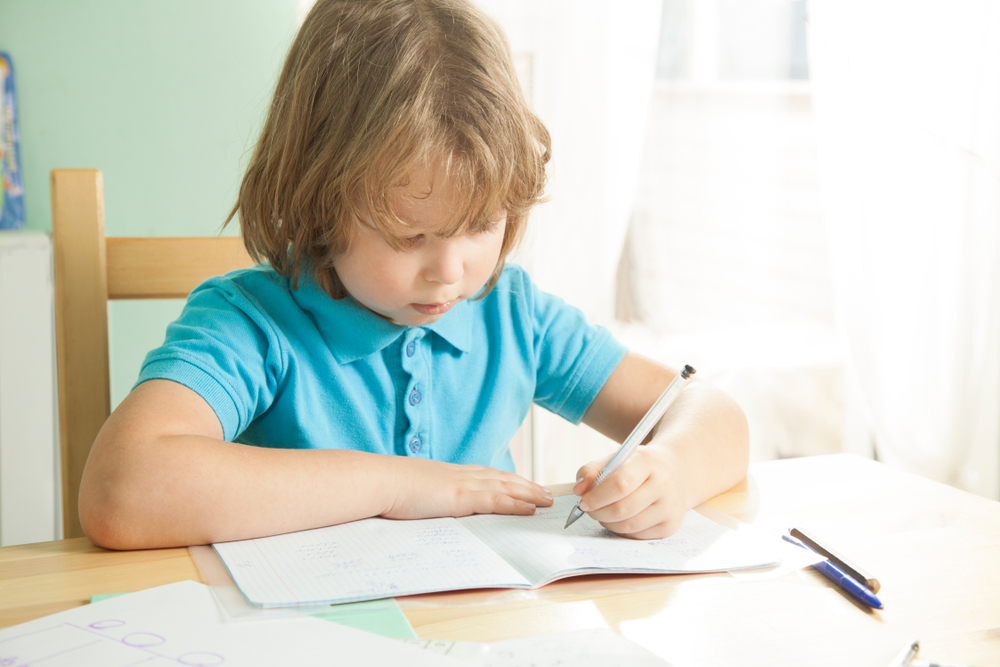

Parents and teachers should care about teaching children aged 5-6 to compare fractions because it builds foundational skills in mathematical literacy and critical thinking. At this age, children are beginning to grasp basic concepts of numbers and quantities. Introducing fractions early helps them understand that numbers are not always whole and that parts of a whole can be divided and compared. This is crucial for their cognitive development, as it enhances their ability to see and interpret the world mathematically.
Comparing fractions also equips young learners with problem-solving skills. They learn to approach a problem from different angles—considering the size of pieces rather than merely counting—which fosters a deeper understanding and application of math in real-life situations, such as sharing or dividing items equally.
Moreover, early exposure to fractions and their comparison enhances future learning. Mastery of these concepts lays the groundwork for more advanced mathematics such as algebra and geometry. It also ensures children are not intimidated by fractions as they encounter them in later schooling.
Lastly, understanding fractions supports overall academic confidence and competence. Children who grasp these concepts early on are likely to perform better in school, fostering a positive attitude toward learning and reducing math anxiety as they progress in their education.








