Developing fine motor skills Worksheets for Ages 5-6
5 filtered results
-
From - To
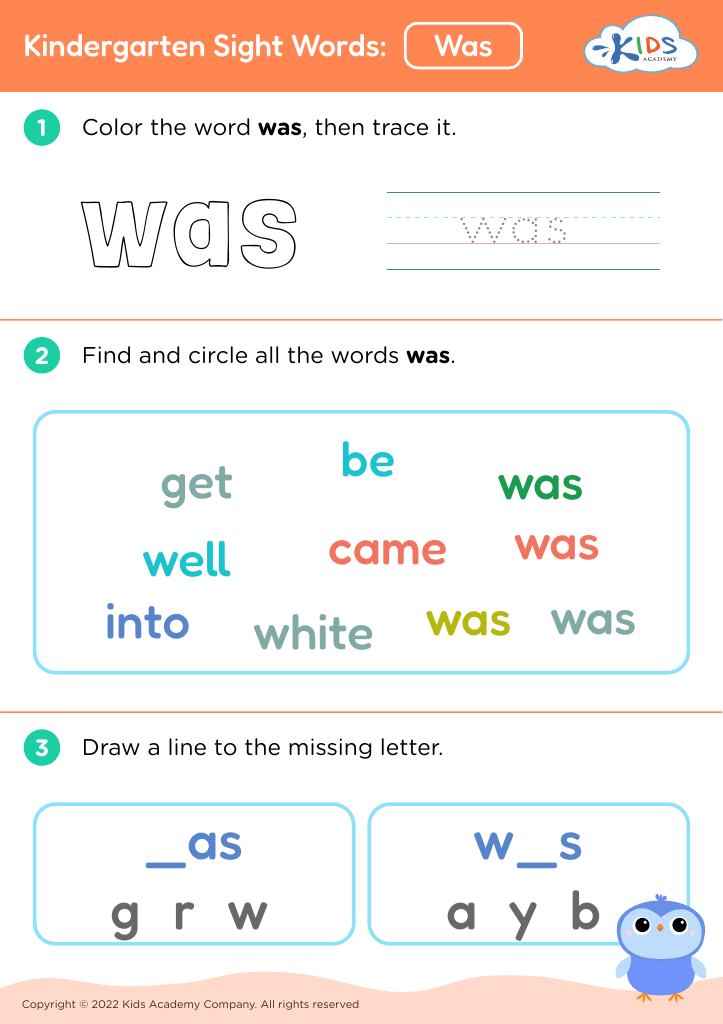
Unlock your child's potential with our "Developing Fine Motor Skills Worksheets" designed specifically for ages 5-6! These engaging, kid-friendly worksheets promote essential skills such as hand-eye coordination, finger dexterity, and scissor control. Activities include tracing, coloring, and cutting exercises, making learning fun and interactive. Perfect for enhancing creativity, these printable resources help prepare young learners for academic tasks such as writing and crafting. Whether at home or in the classroom, our worksheets provide countless opportunities for practice and skill enhancement. Download today to support your child's developmental journey and build a strong foundation for their future learning successes!
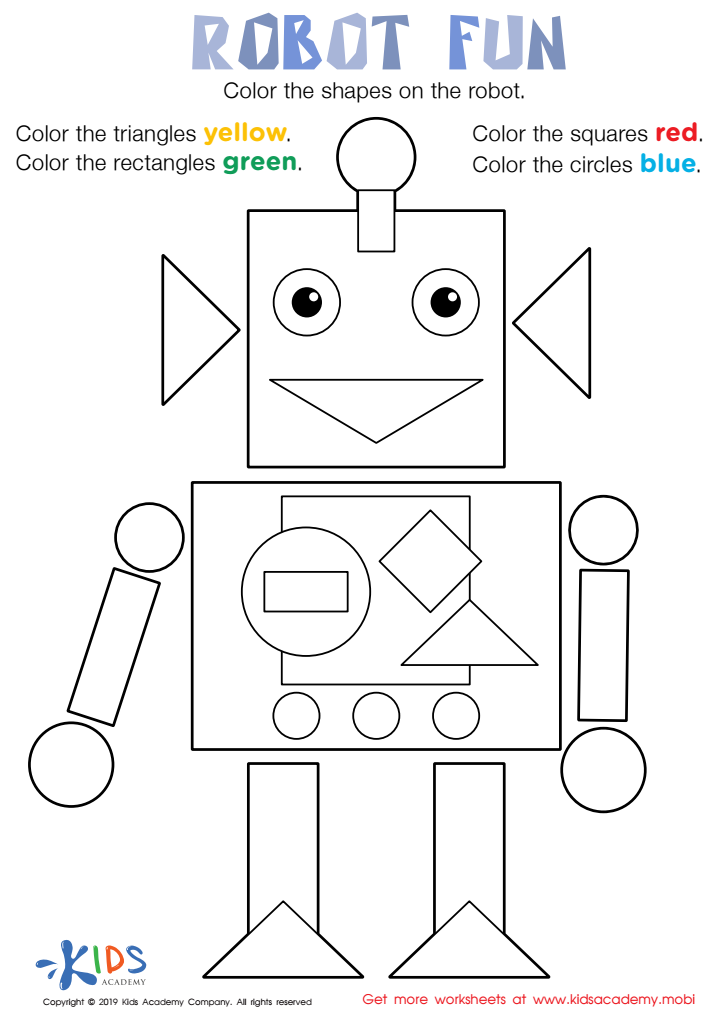
Robot Fun Worksheet
 Assign to My Students





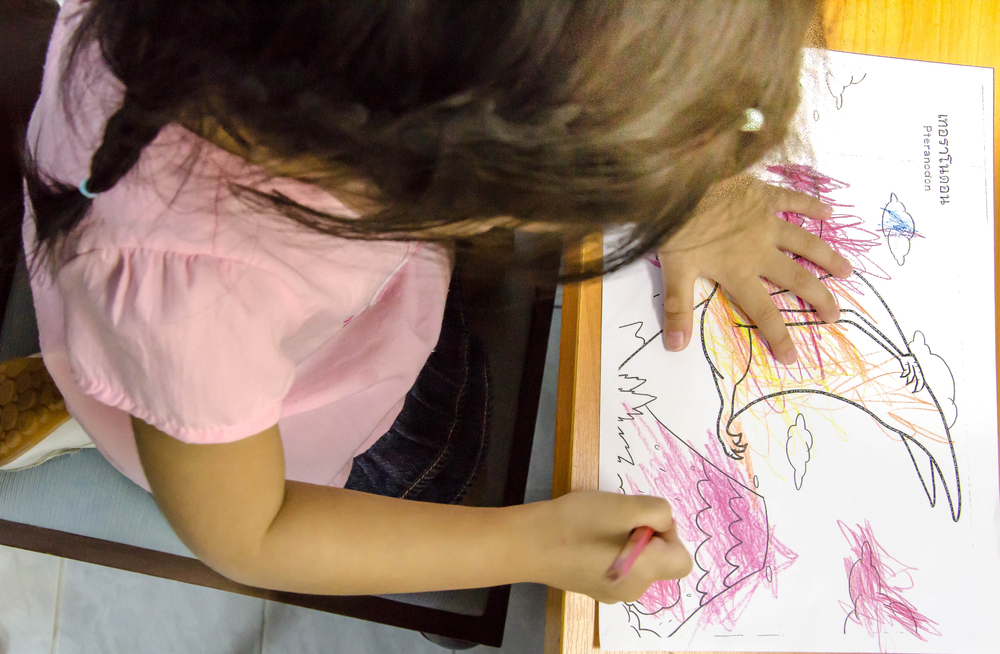


Developing fine motor skills in children aged 5-6 is crucial for their overall growth and success in both academic and daily life tasks. These skills, which involve the coordination of small muscles in activities like writing, using scissors, and buttoning clothing, lay the foundation for essential tasks required in school and beyond. Strong fine motor skills enable children to communicate better through writing and drawing, enhancing their ability to express thoughts and creativity.
Moreover, fine motor skills are linked to cognitive development. Engaging in activities that promote these skills—such as painting, puzzles, and playing with blocks—encourages problem-solving and critical thinking. As kids master these tasks, they gain confidence, which can positively impact their social skills as they interact with peers in cooperative play.
Parents and teachers should care about fine motor skill development because it supports independence in personal care, enhances academic readiness, and fosters a child’s self-esteem. Integrating fun and engaging fine motor activities into a child’s daily routine can set them up for future success. By prioritizing this aspect of development, adults can help children navigate the transition into a structured learning environment with confidence and joy.








