Developing observational skills Worksheets for Ages 5-6
3 filtered results
-
From - To
Enhance your child's observational skills with our engaging worksheets designed for ages 5-6. These interactive activities encourage young learners to pay attention to details, differentiate shapes and colors, and enhance their overall awareness of their environment. Our carefully curated resources promote cognitive development while making learning fun and enjoyable. Each worksheet is crafted to stimulate curiosity and foster critical thinking, helping children to better understand and interpret their surroundings. Perfect for home or classroom use, these worksheets are a valuable tool for parents and educators looking to support early learners in building foundational skills essential for lifelong learning. Start exploring today!
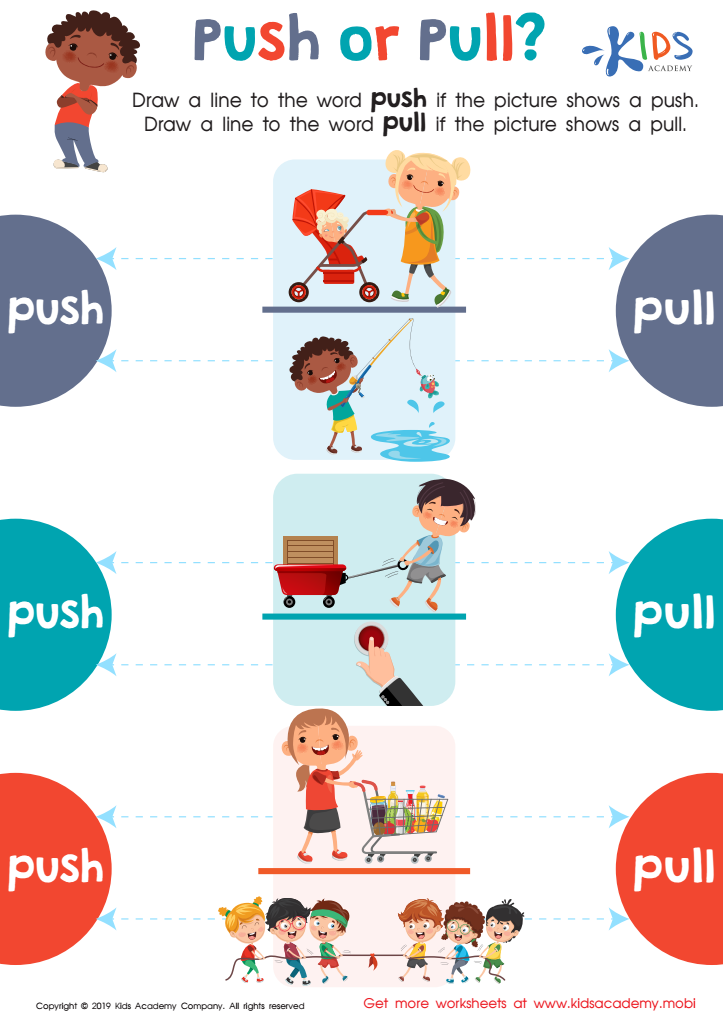
Push or Pull? Worksheet
 Assign to My Students
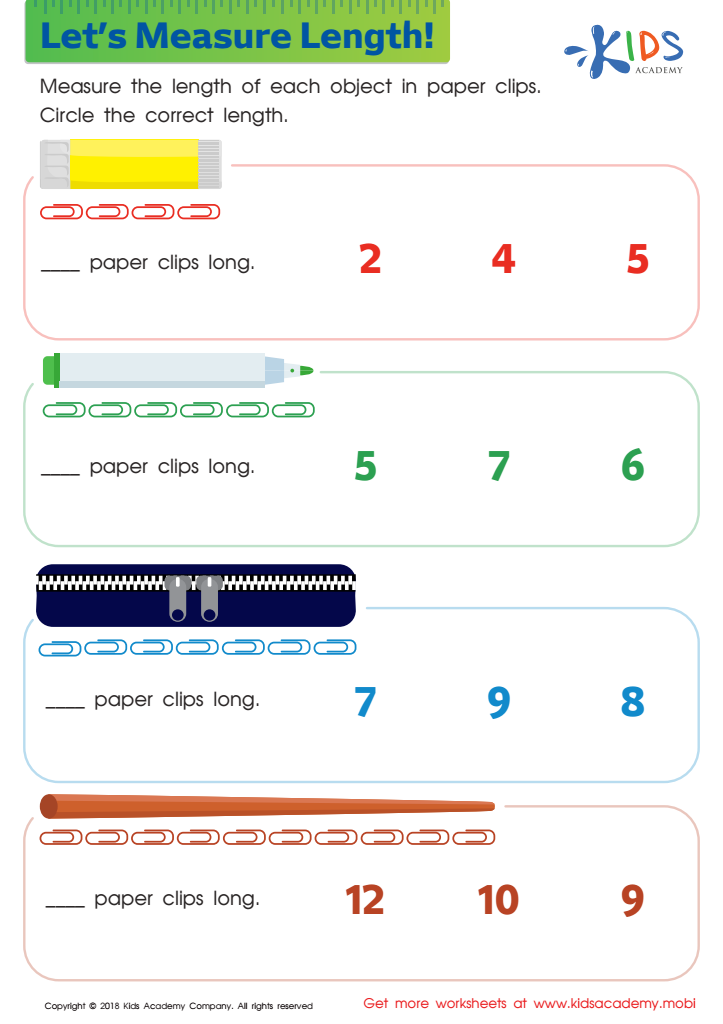
Lets Measure Length Worksheet
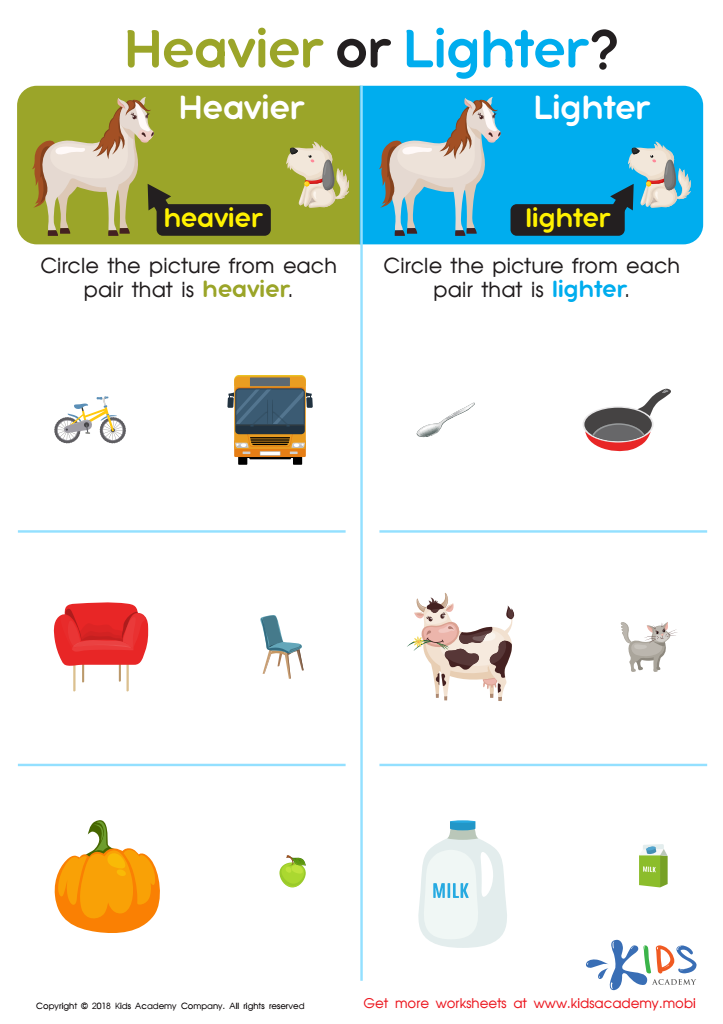
Heavier or Lighter? Worksheet



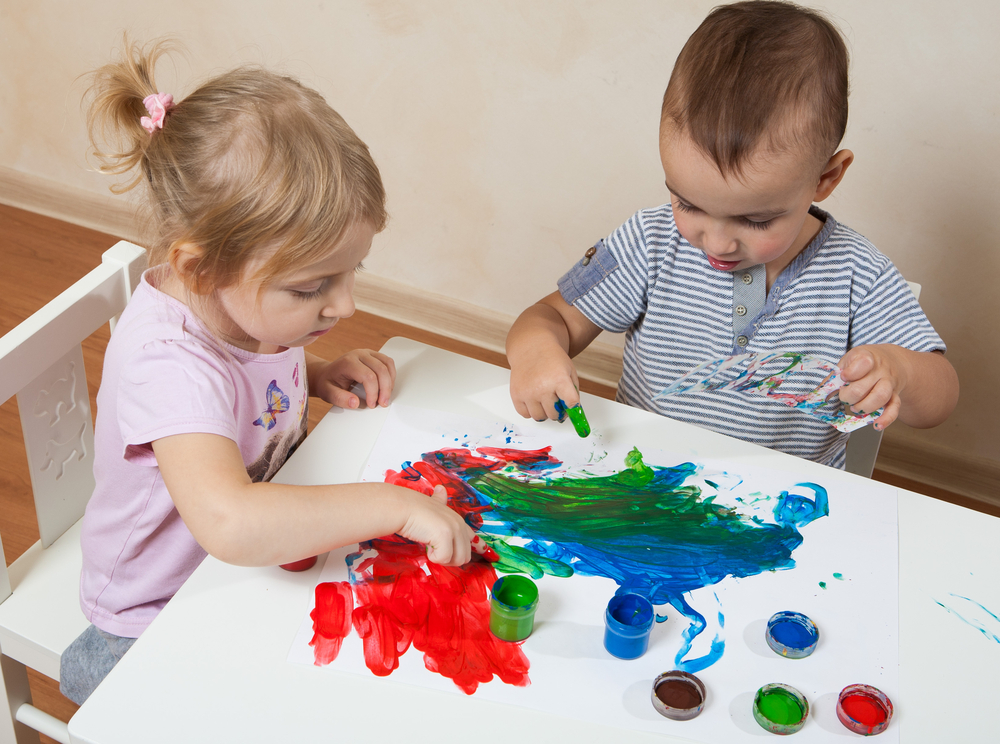




Developing observational skills in children aged 5-6 is crucial for their overall cognitive, social, and emotional development. At this age, children are naturally curious, and fostering their ability to observe the world around them can enhance their critical thinking and problem-solving abilities. Observational skills help children make connections between different concepts, facilitating better learning outcomes in subjects such as science, math, and literacy.
Moreover, observational skills support social development. When children learn to observe body language, tone of voice, and social cues, they become more adept at understanding their peers and forming meaningful relationships. This understanding shines a light on empathy and emotional intelligence.
Furthermore, these skills encourage independence and confidence. As children learn to notice patterns, details, and changes in their environment, they can articulate their findings, express creativity, and form their conclusions.
For parents and teachers, investing time in activities that promote observation—like nature walks, storytime discussions, or arts and crafts—cultivates a love for lifelong learning. Engaging in these experiences fosters curiosity and prepares them for future academic challenges and social interactions. Overall, emphasizing observational skills at this formative stage lays a solid foundation for holistic development.








