Financial literacy Worksheets for Ages 5-6
6 filtered results
-
From - To
Our "Financial Literacy Worksheets for Ages 5-6" help young learners grasp essential money concepts through fun and engaging activities. Tailored for early years, these worksheets cover basics like identifying coins, counting money, and understanding simple transactions. Each sheet is designed to develop foundational skills, encouraging children to practice and apply real-world math in a playful manner. Paired with colorful illustrations and relatable scenarios, our worksheets make the learning process enjoyable and effective. Equip your child with the confidence and skills they need for financial success from an early age with our expertly crafted resources. Download now and start the learning adventure!
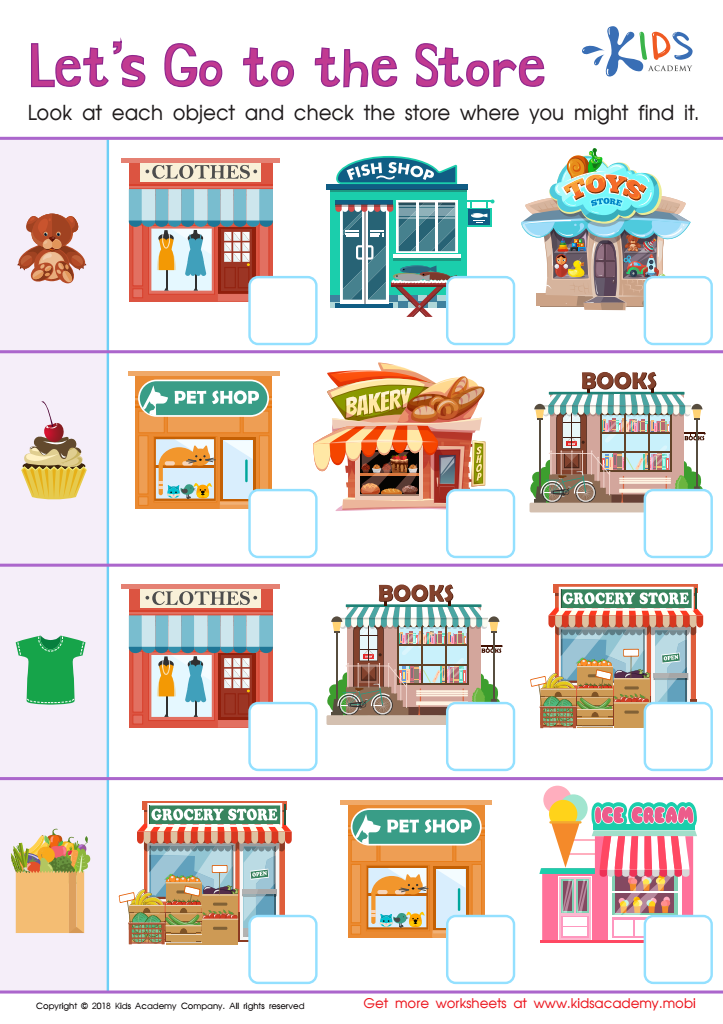
Let's Go to the Store! Worksheet
 Assign to My Students
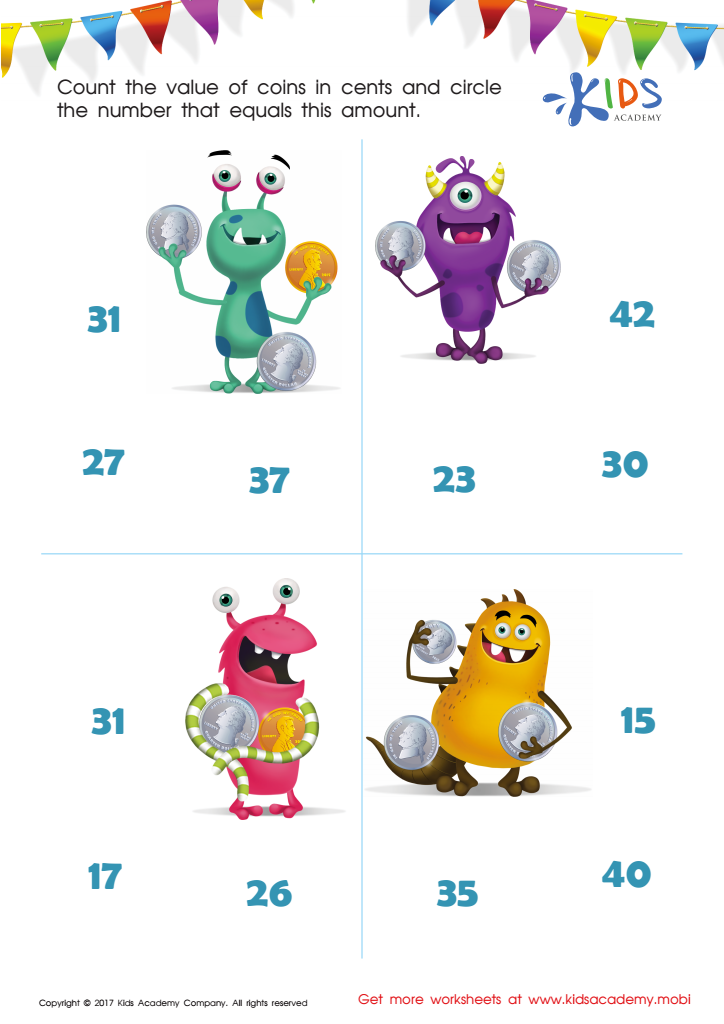
How Many Coins Money Worksheet
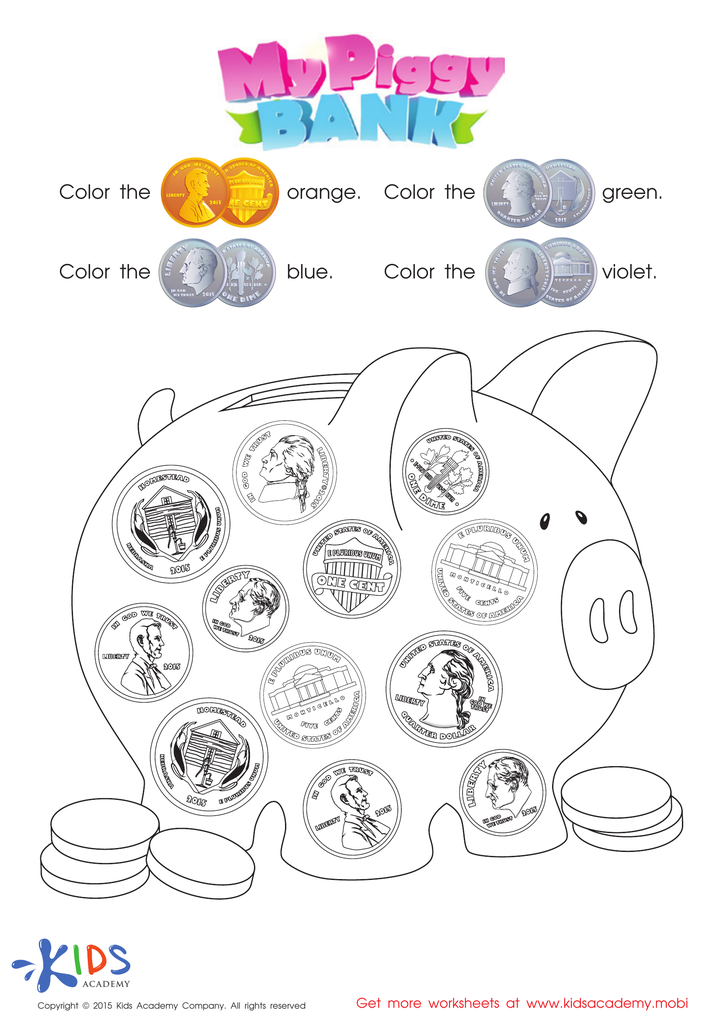
Recognizing Money Money Worksheet
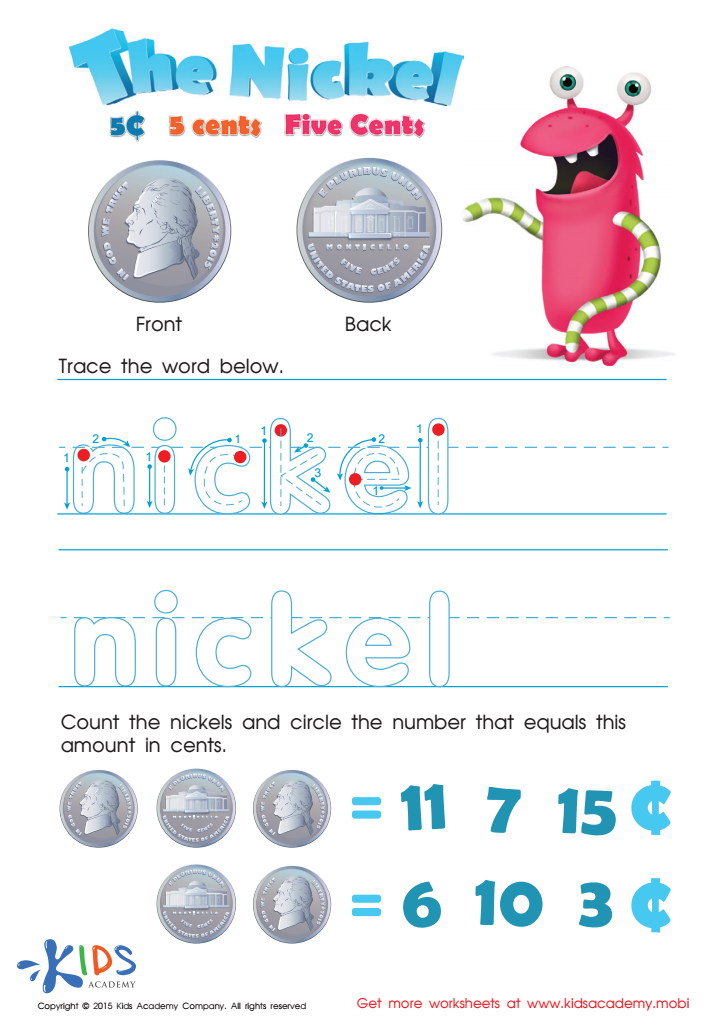
Five Cents or the Nickel Money Worksheet
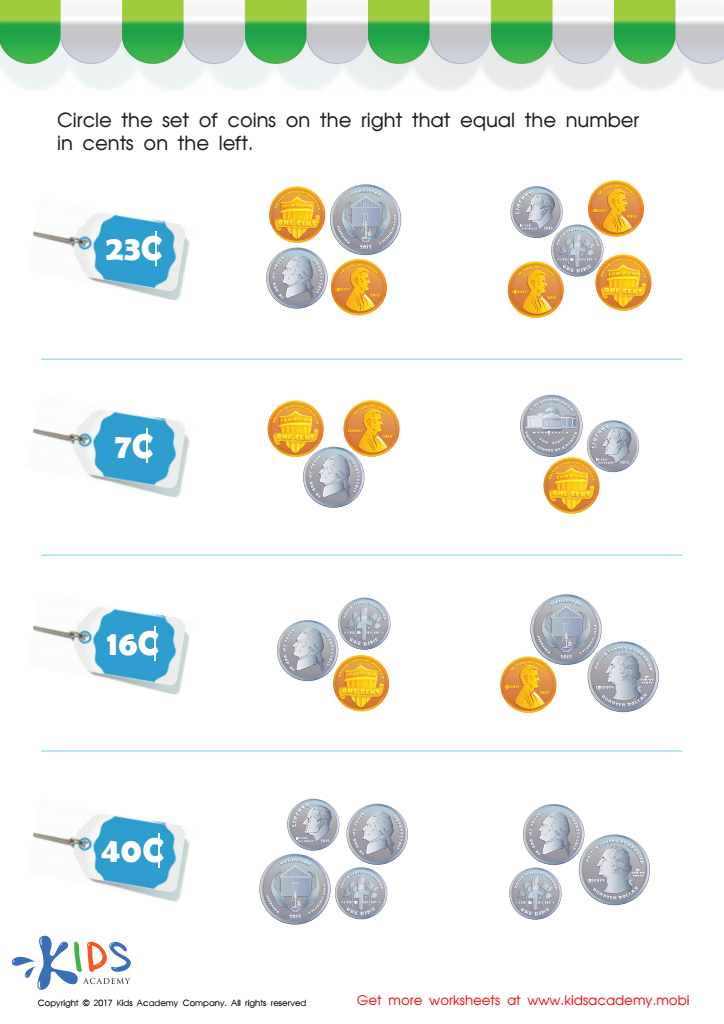
Picking the Coins You Need Money Worksheet
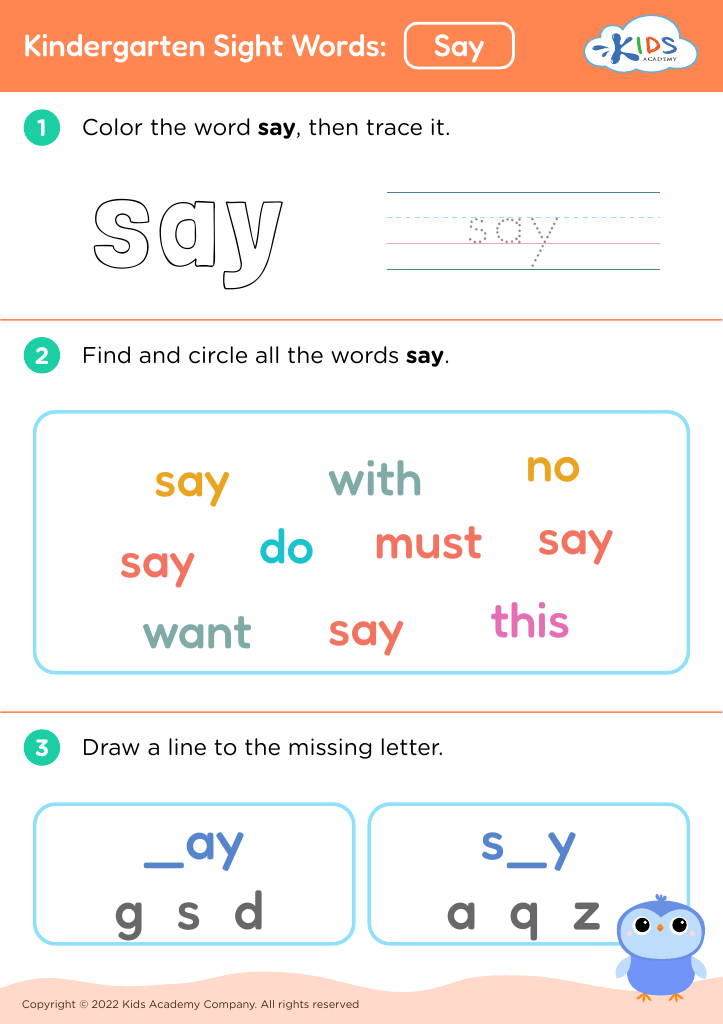







Introducing financial literacy to children as young as 5-6 years old is crucial for building a strong foundation for their future financial well-being. Parents and teachers play a significant role in this early education. At this age, children are highly receptive and begin to understand basic concepts through everyday activities and simple examples.
Firstly, instilling financial literacy at a young age helps children develop healthy money habits. Understanding the value of money, the difference between needs and wants, and the basics of saving and spending can have a long-term positive impact. For instance, simple tasks like setting aside a coin in a piggy bank can teach the fundamentals of saving.
Secondly, it addresses the integration of financial learning with math skills, such as counting and making simple transactions. This strengthens their numeracy skills while simultaneously laying down the principles of managing money.
Moreover, early financial education fosters responsibility and decision-making. Children learn that resources are limited and making informed choices is essential. These small lessons promote critical thinking and problem-solving, skills necessary not just in finances, but throughout life.
Involving children in small financial decisions, like shopping for groceries with a set budget, can make learning engaging and practical. Parents and teachers who prioritize financial literacy equip children with essential life skills that contribute to their overall development and future success.








