Fine motor skills (writing) Worksheets for Ages 5-6 - Page 2
38 filtered results
-
From - To

Thanksgiving Holiday Printable
 Assign to My Students
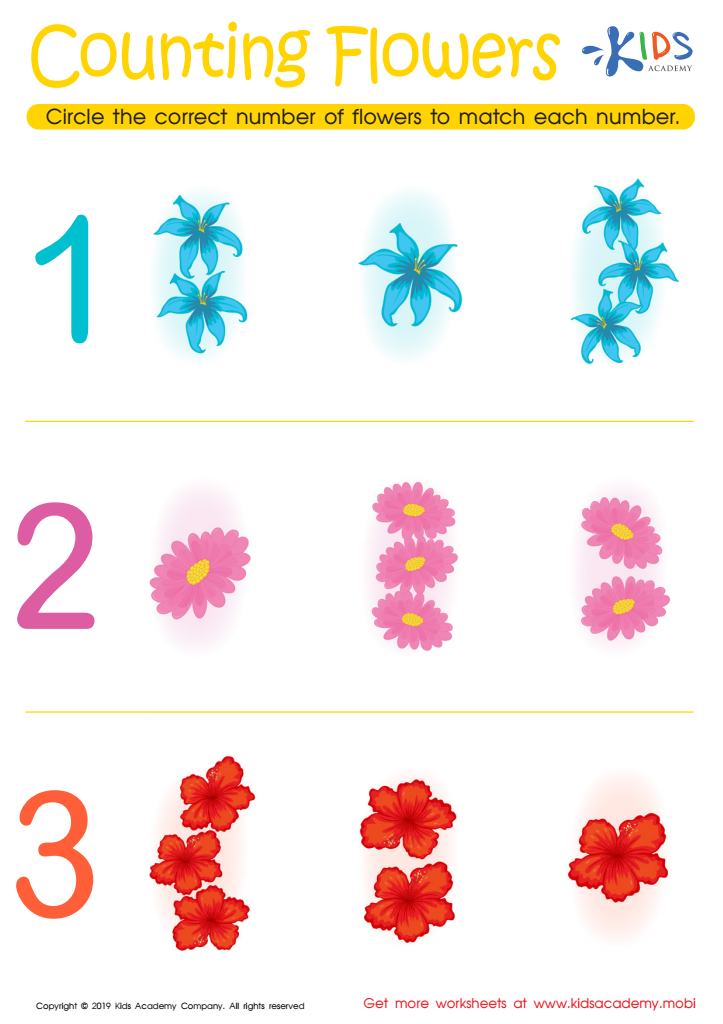
Counting Flowers Worksheet
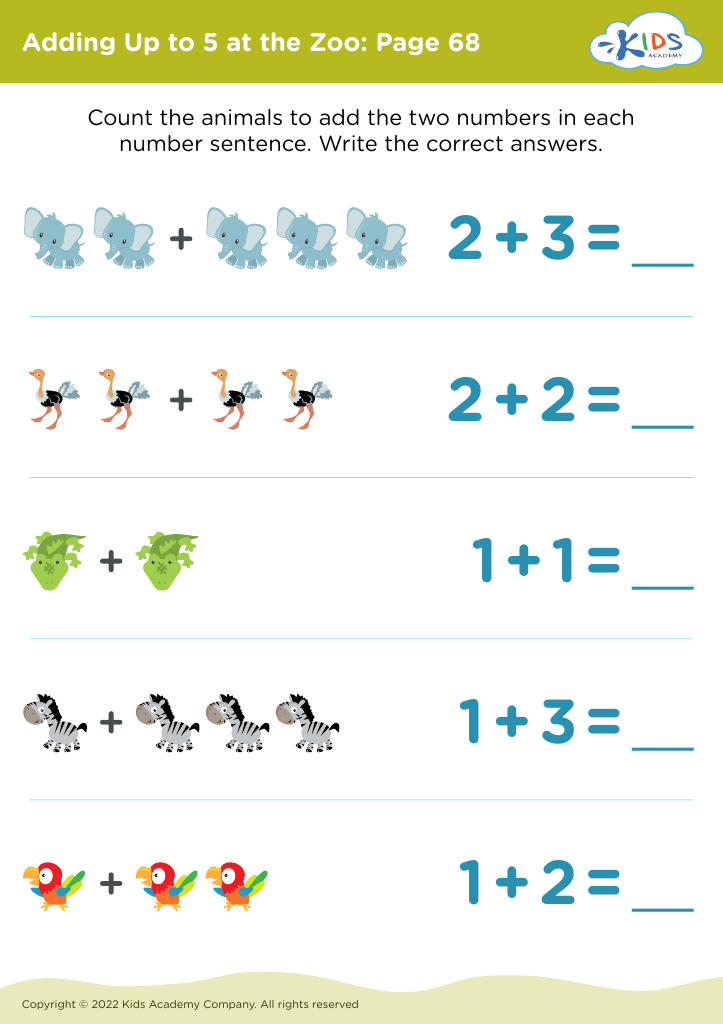
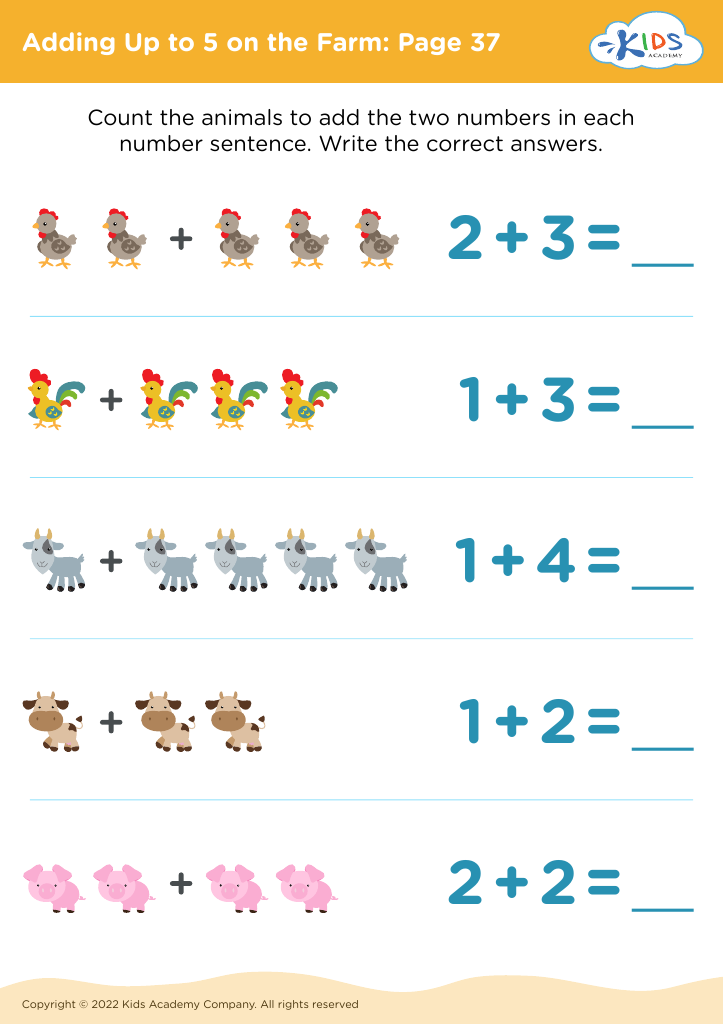
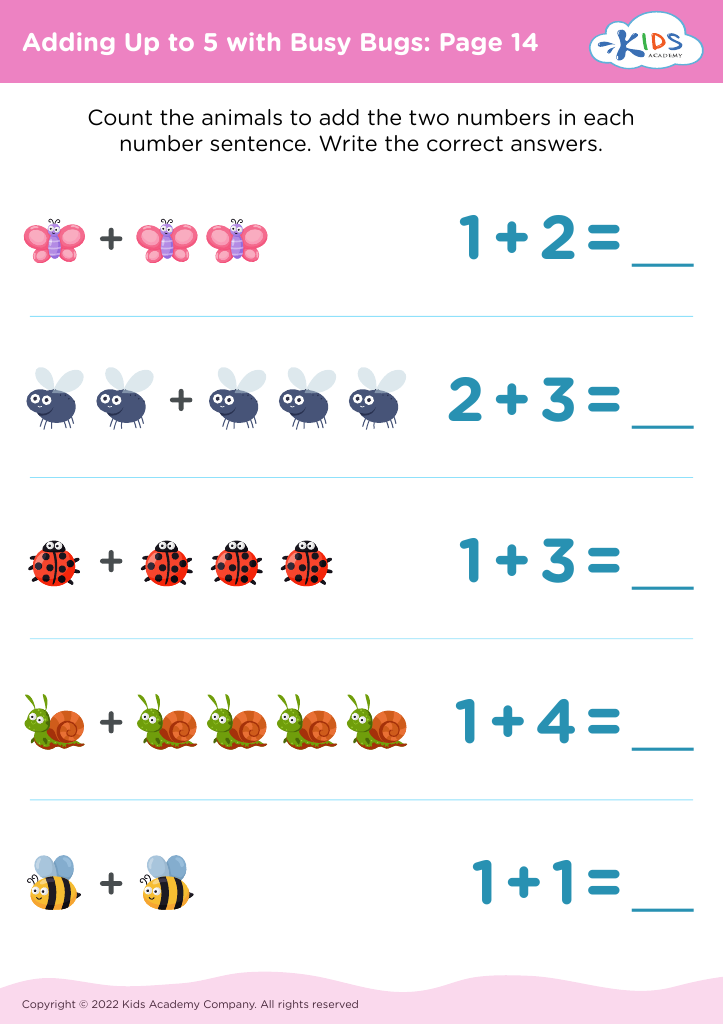
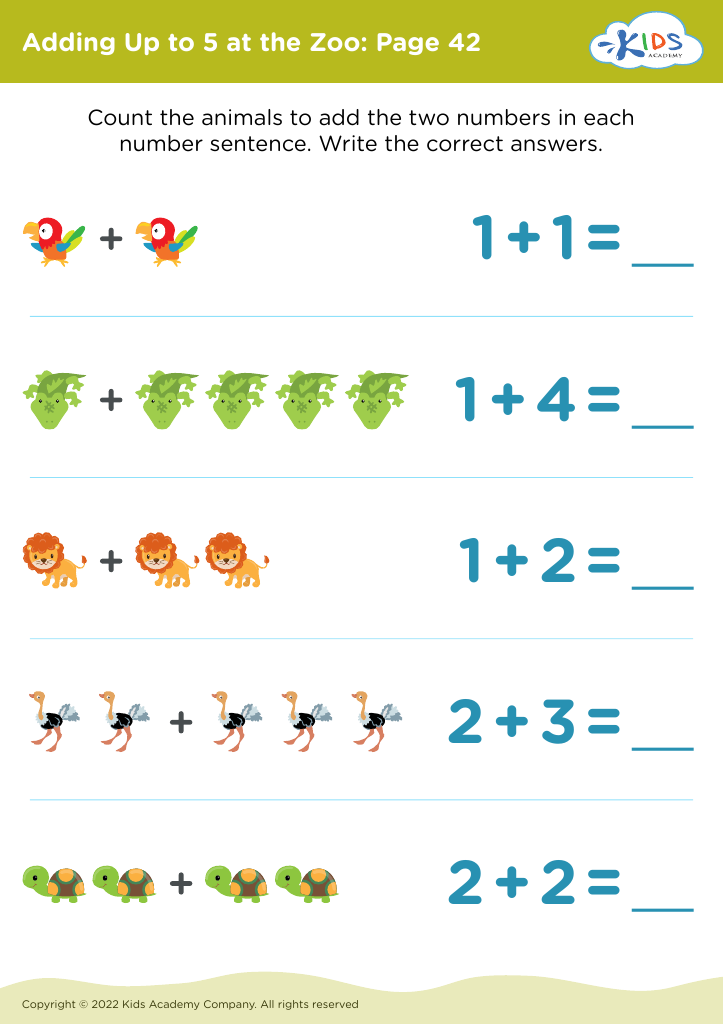
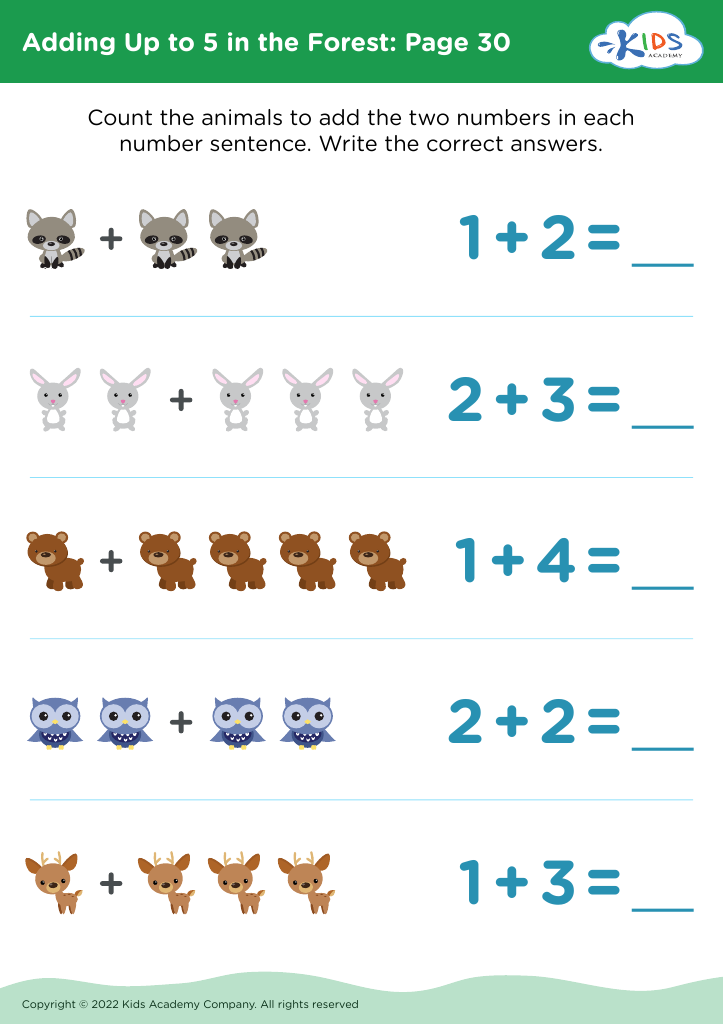
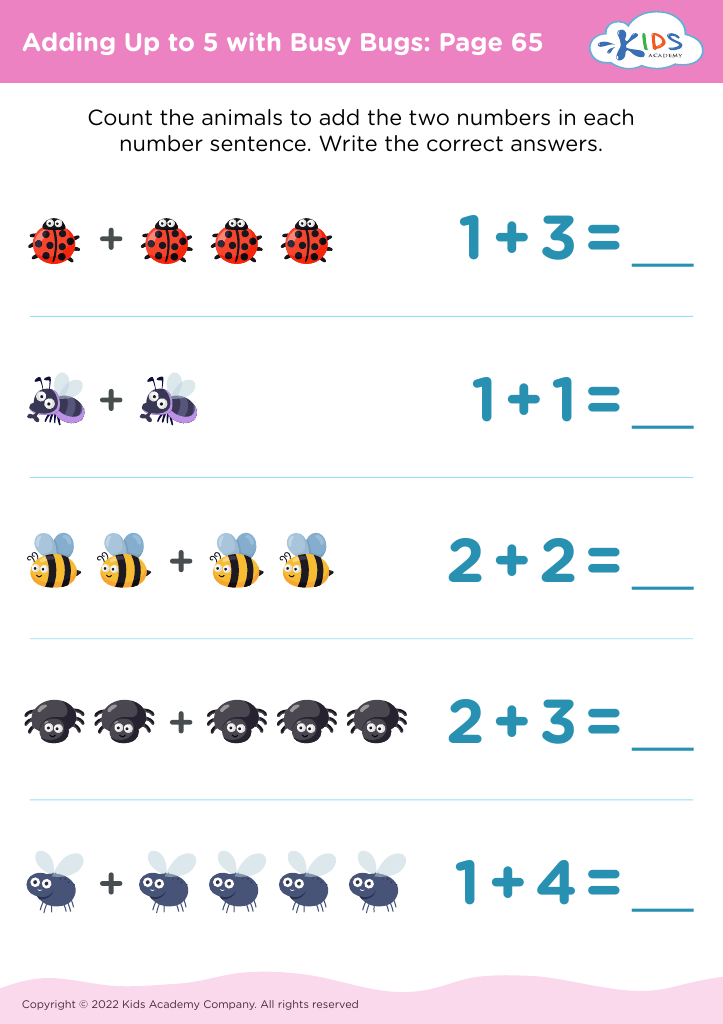
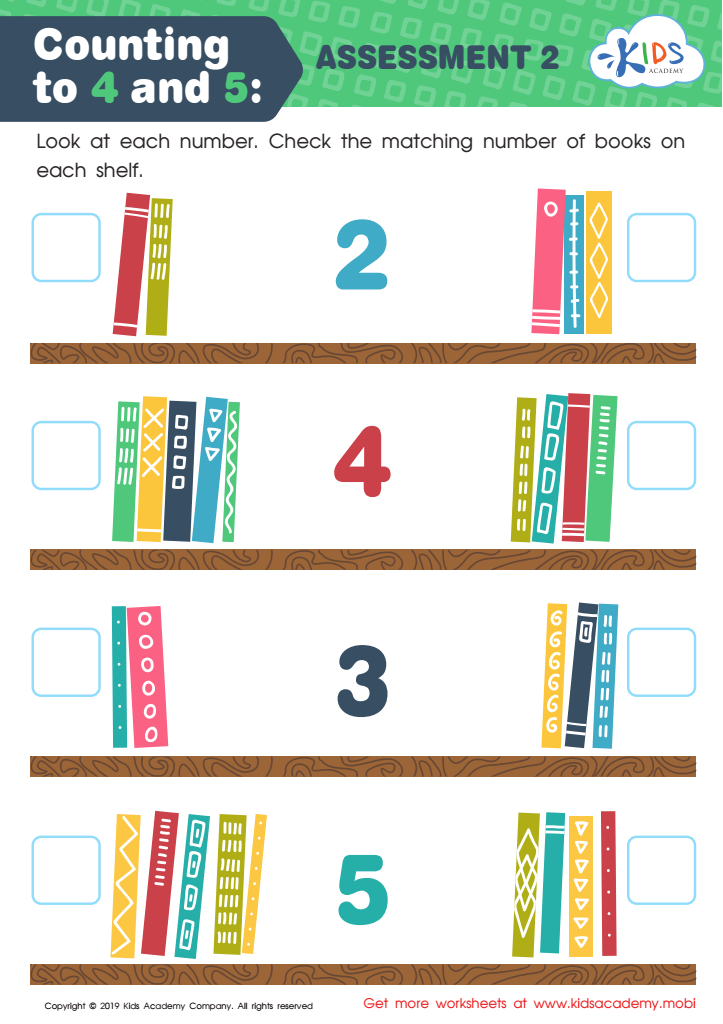
Counting to 4 and 5: Assessment 2 Worksheet
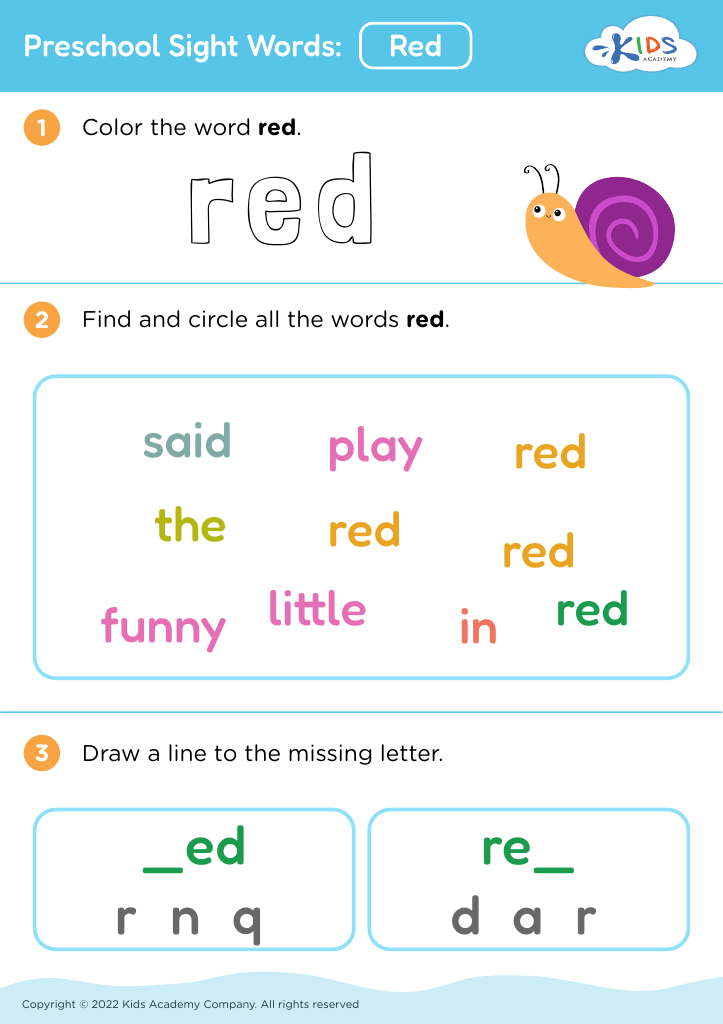








Fine motor skills are crucial for children aged 5-6 as they form the foundation for various early learning activities. At this age, children are developing hand-eye coordination, dexterity, and control, which are essential for tasks like writing. Good fine motor skills contribute to a child's ability to hold a pencil properly, shape letters, and maintain legible handwriting.
When parents and teachers emphasize these skills, they not only enhance a child’s academic success but also bolster self-confidence and independence. Children who can express their thoughts more effectively through writing tend to participate more actively in classroom discussions and enjoy learning. Furthermore, fine motor proficiency is tied to other essential tasks, such as using scissors, buttoning clothes, and tying shoes, promoting overall self-sufficiency.
Additionally, developing fine motor skills promotes the cognitive and neurological connections necessary for future learning. Engaging in activities that strengthen these skills, such as drawing or crafting, fosters creativity and critical thinking. By supporting fine motor development, parents and teachers ensure that children are not only prepared for academic challenges but are also better equipped to navigate everyday tasks, laying the groundwork for lifelong skills.








