Identifying objects Worksheets for Ages 5-6
5 filtered results
-
From - To
Our "Identifying Objects Worksheets for Ages 5-6" serve as an invaluable educational tool, designed to promote key learning skills in young children. These expertly crafted worksheets focus on improving kids’ abilities to recognize, differentiate, and categorize everyday items. Each engaging activity helps foster attention to detail, critical thinking, and problem-solving skills. Tailored specifically for early learners, these worksheets provide a fun and effective way to develop observation and memory. Strengthen your child’s foundational knowledge with our colorful and interactive worksheets that seamlessly blend learning and play, making educational advancement exciting and accessible.
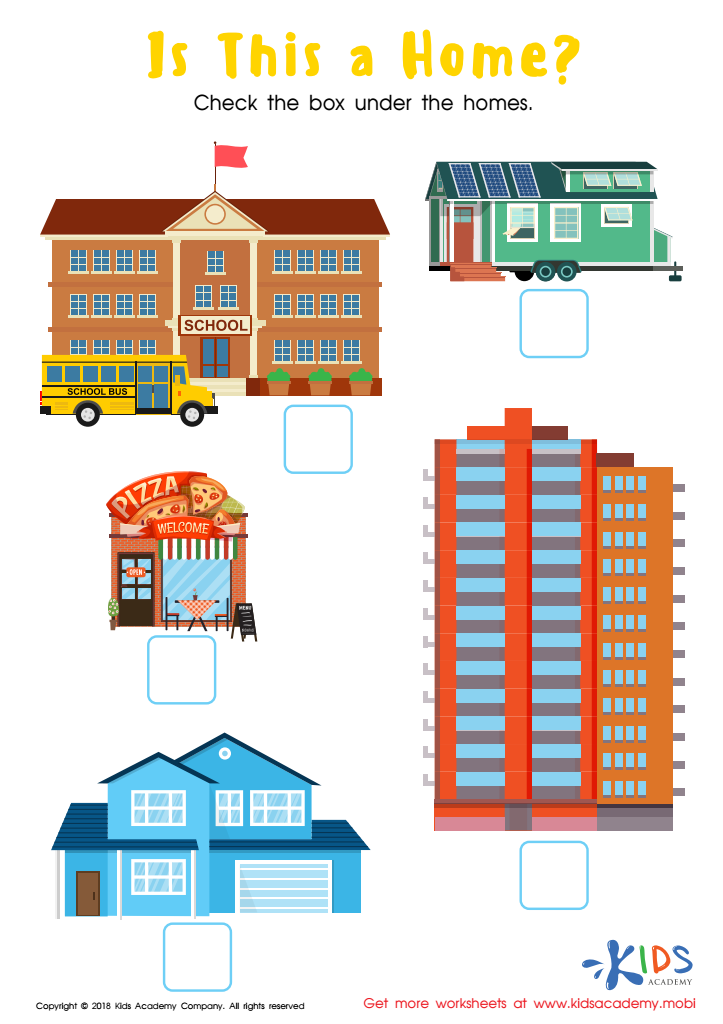
Is this a Home? Worksheet
 Assign to My Students
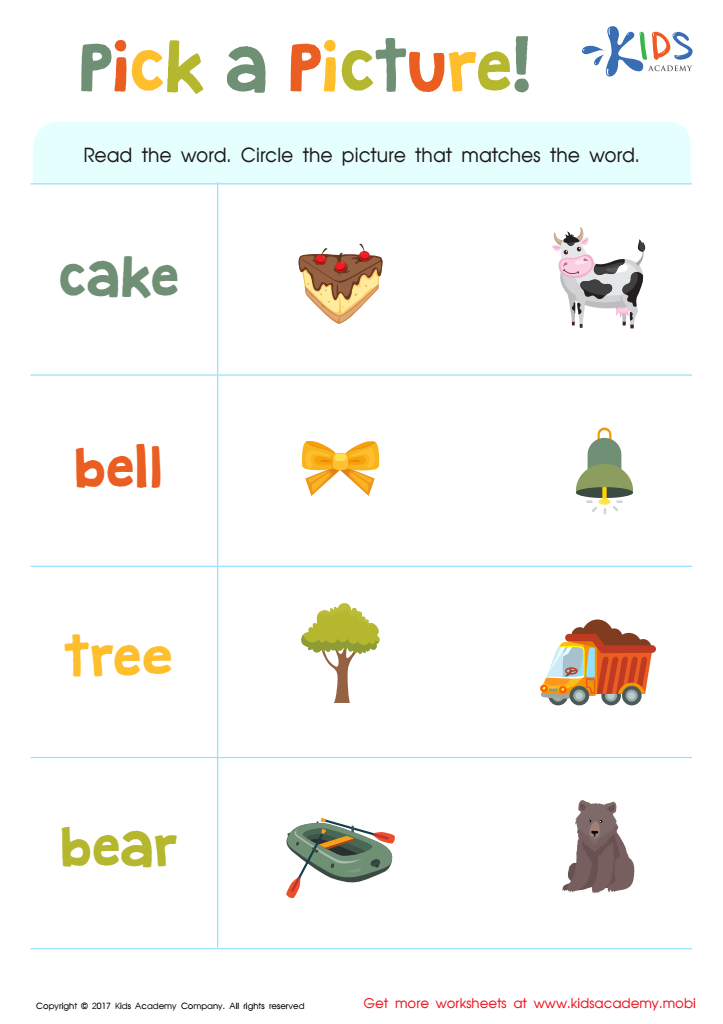
Pick a Picture Word Recognition Worksheet
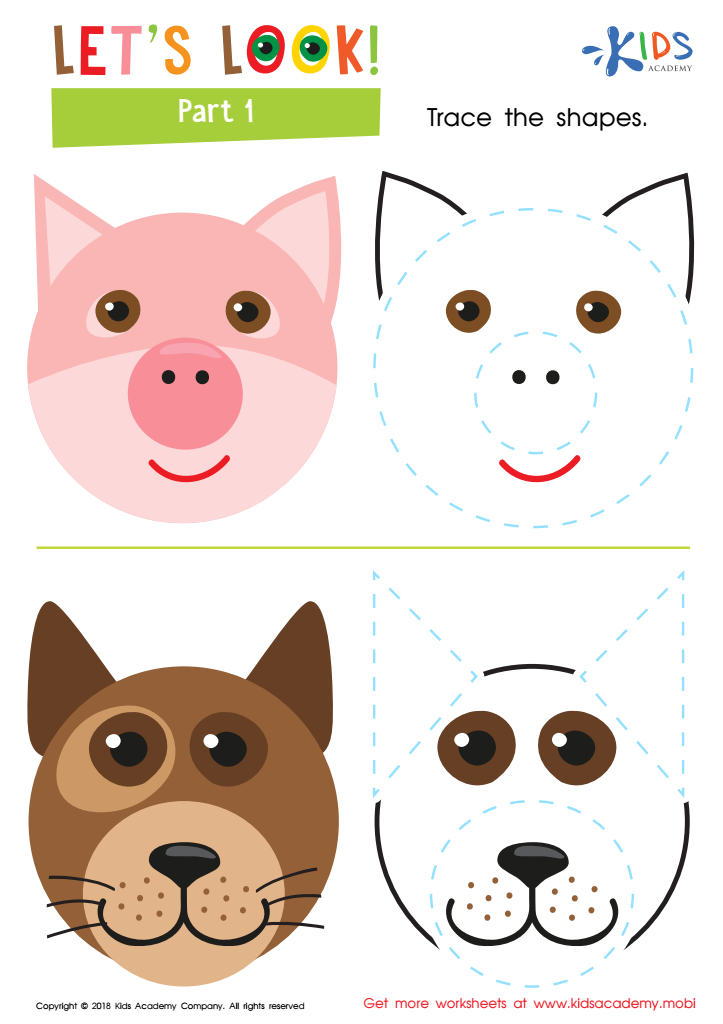
Let's Look! Part 1 Worksheet
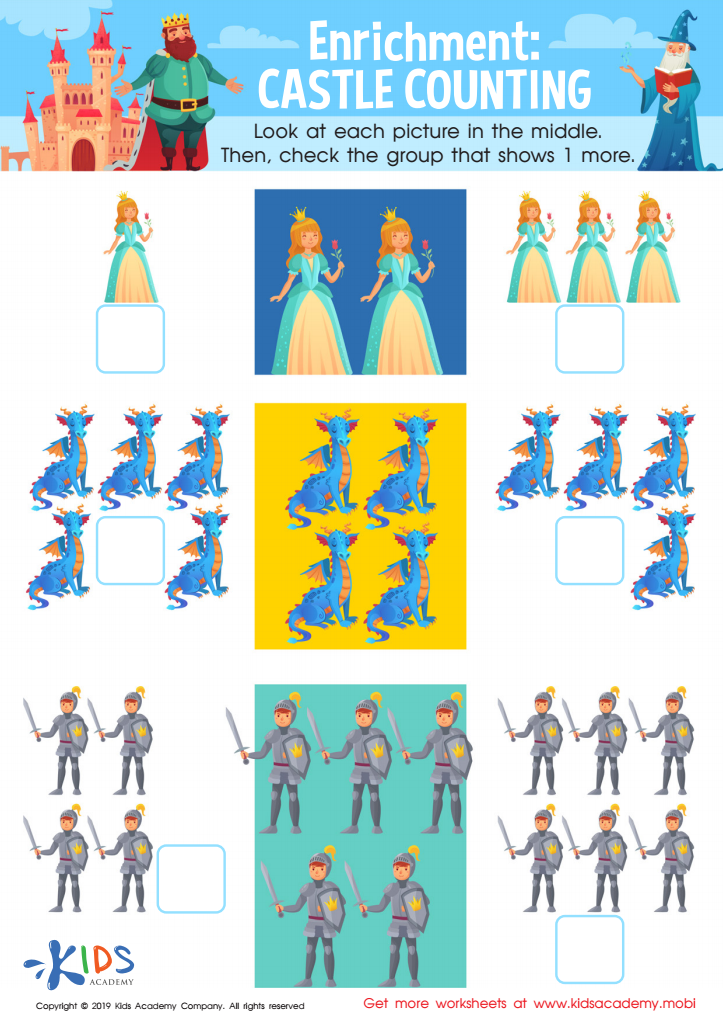
Enrichment: Castle Counting Worksheet
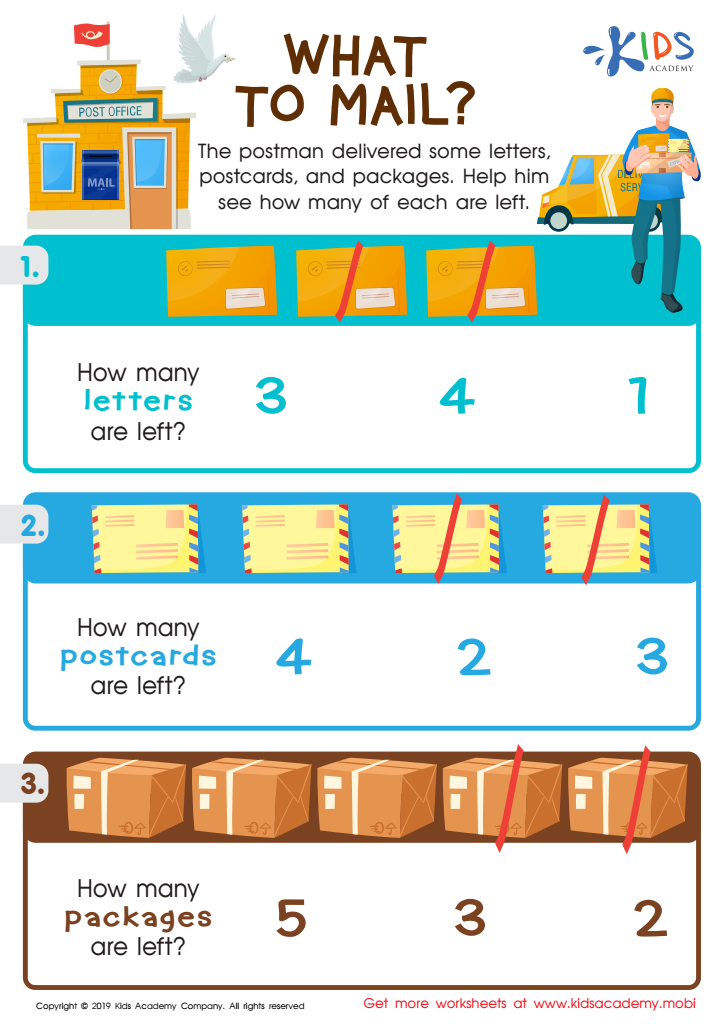
What to Mail? Worksheet








Identifying objects for children aged 5-6 is a crucial skill that parents and teachers should prioritize because it lays the foundation for cognitive and language development. At this age, children are rapidly expanding their vocabulary and learning to make sense of the world around them. Recognizing and naming objects helps children improve their descriptive language skills, which are essential for effective communication.
Furthermore, this skill aids in enhancing their categorization abilities. By identifying objects and grouping them into categories (such as foods, animals, or toys), children develop critical thinking skills that are beneficial for problem-solving and decision-making. This categorization also supports later learning in subjects like math and science, where recognizing patterns and understanding classifications are important.
In addition, identifying objects boosts memory and attention to detail. Children learn to observe and describe the characteristics of different objects, which sharpens their observational skills. This practice can also be linked to social skills development, as children engage in conversations about what they see and learn to listen to others' descriptions.
Finally, achieving proficiency in object identification fosters a sense of confidence and independence in young learners, encouraging them to explore their environment proactively. Thus, parents and teachers should care about this developmental milestone as it enriches a child's overall learning experience and provides a solid foundation for future academic pursuits.








