Logical thinking improvement Worksheets for Ages 5-6
4 filtered results
-
From - To
Enhance your child's cognitive skills with our Logical Thinking Improvement Worksheets tailored for ages 5-6. Designed to make learning fun, these worksheets feature a variety of engaging activities that boost critical thinking and problem-solving abilities. From pattern recognition to sequencing and sorting exercises, each worksheet is crafted to help young minds develop essential logical skills. Perfect for both classroom use and at-home practice, our worksheets provide an effective, enjoyable way to prepare your child for future academic success. Give your child the head start they deserve with our thoughtfully created learning tools.
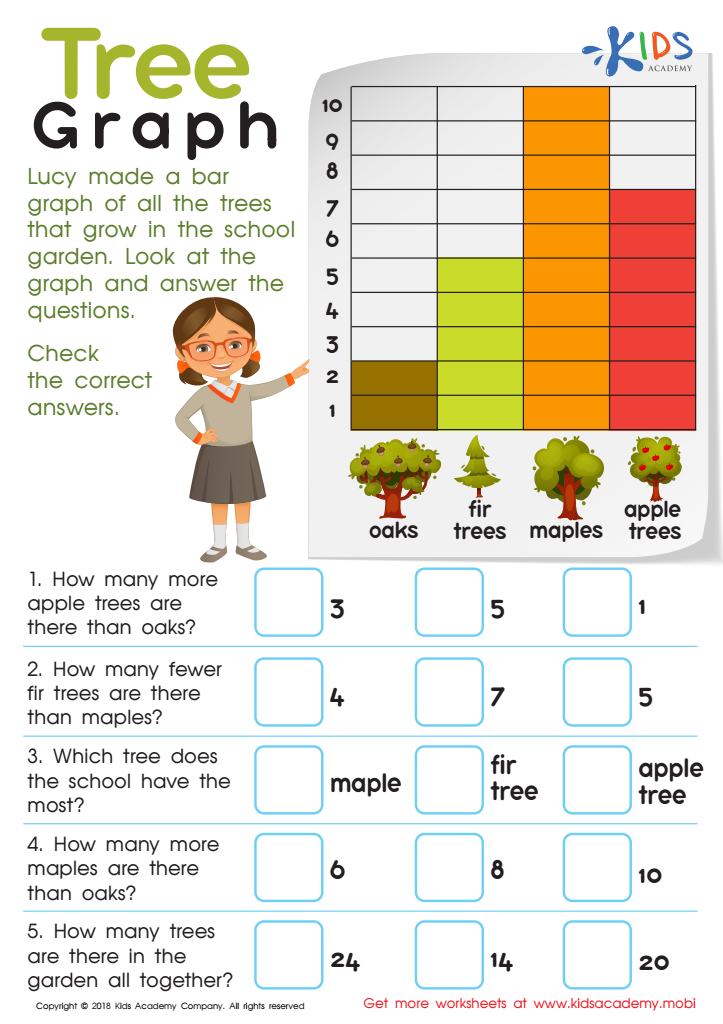
Tree Graph Worksheet
 Assign to My Students
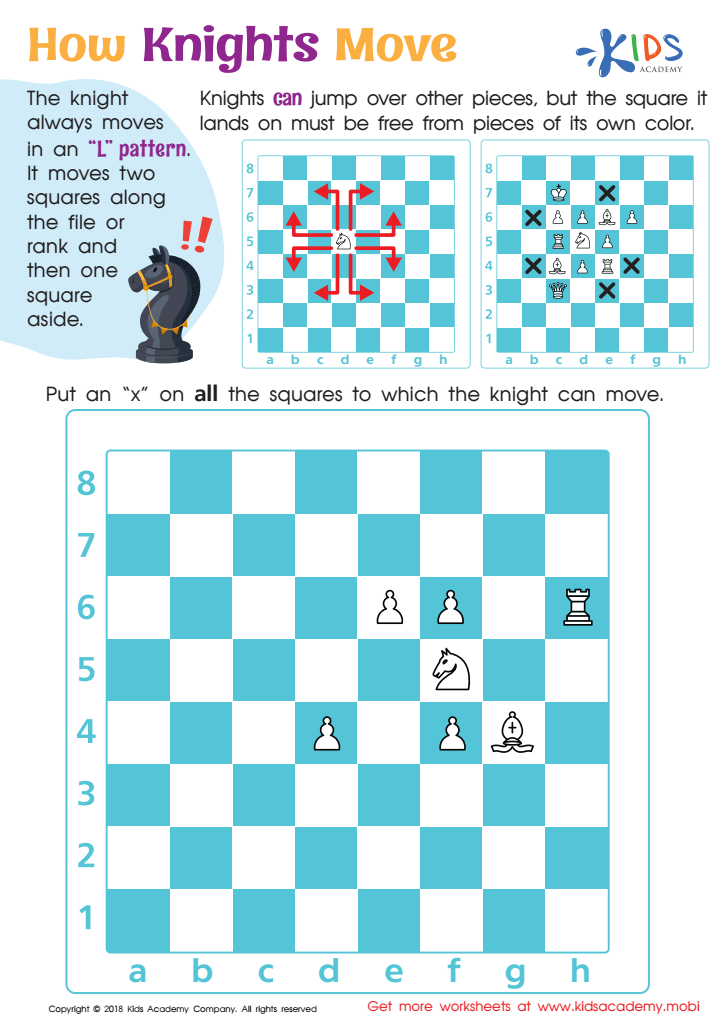
How Knights Move Worksheet

Two Rook Mate Practice Worksheet
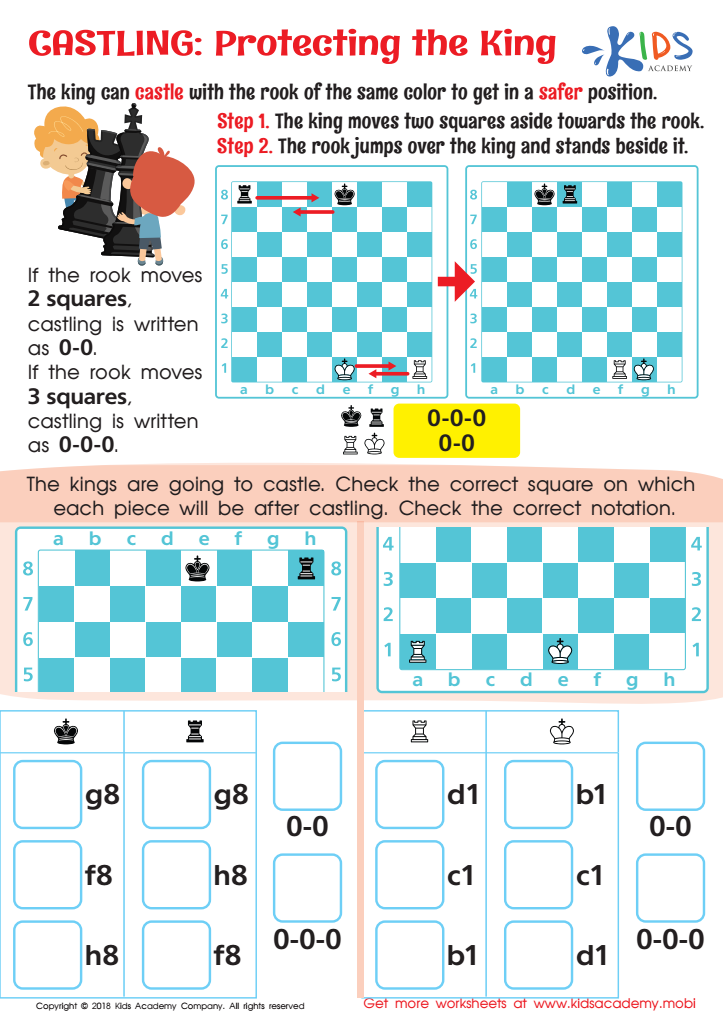
Castling: Protecting the King Worksheet





Logical thinking is an essential cognitive skill that forms the foundation for problem-solving and decision-making abilities. For children ages 5 to 6, this is a critical developmental period where nurturing logical thinking can significantly influence their future academic and life success. By fostering logical thinking at this young age, parents and teachers help children develop the ability to reason and make sense of the world around them.
Improving logical thinking enhances a child's ability to understand patterns, sequences, and relationships, which are fundamental concepts in math and science. These skills are crucial not just for academic achievement, but for everyday tasks and future careers. Logical thinking also aids in improving language and comprehension abilities, as children learn to organize their thoughts clearly and understand cause-and-effect relationships.
Additionally, logical thinking promotes critical life skills, such as effective decision making, better planning, and the ability to analyze and resolve conflicts. It encourages independence and boosts confidence, as children learn that they can think through problems and find solutions.
By emphasizing logical thinking, adults equip children with the tools they need to navigate challenges creatively and efficiently, setting a strong foundation for lifelong learning and adaptability. Early encouragement of this skill can foster a curious, analytical, and resilient mindset, preparing children for a successful and fulfilling future.








