Mental arithmetic Worksheets for Ages 5-6
6 filtered results
-
From - To
Discover our engaging Mental Arithmetic Worksheets designed specifically for children aged 5-6! These worksheets help young learners develop essential math skills through fun and interactive exercises. Covering basic addition and subtraction, our materials are tailored to cater to early math understanding, enhancing both mental agility and confidence in problem-solving. Each worksheet features colorful illustrations and age-appropriate challenges that make learning enjoyable. Perfect for at-home practice or classroom activities, our worksheets encourage children to think critically while building a solid foundation in arithmetic. Unlock your child’s potential in math with our thoughtfully crafted resources today!
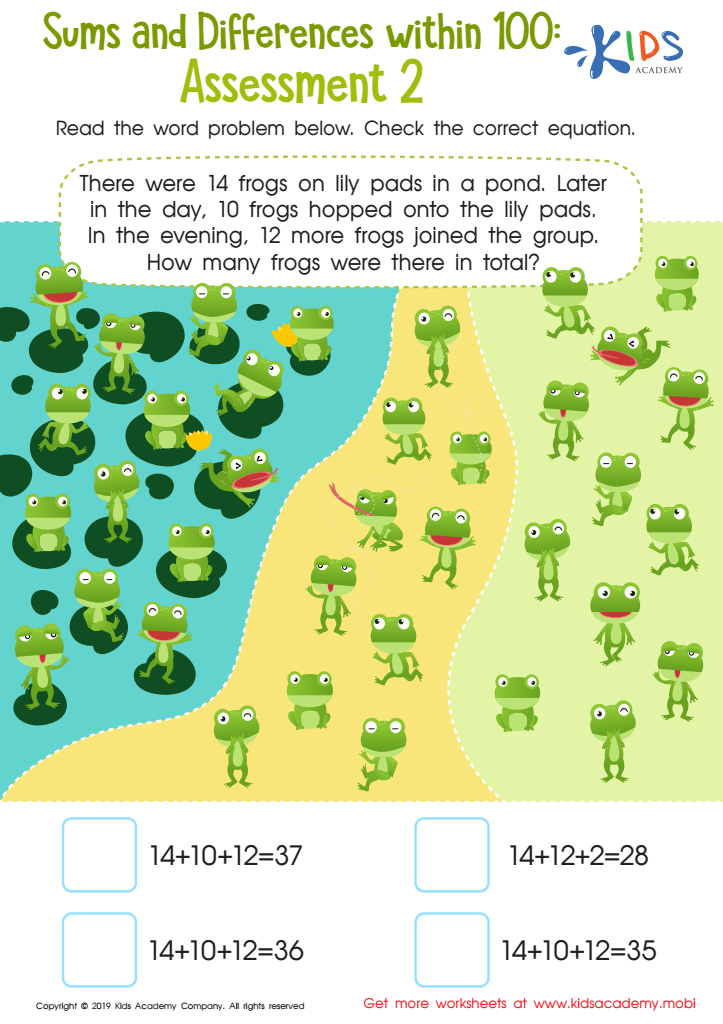
Sums and Differences Within 1 - Assessment 2 Worksheet
 Assign to My Students
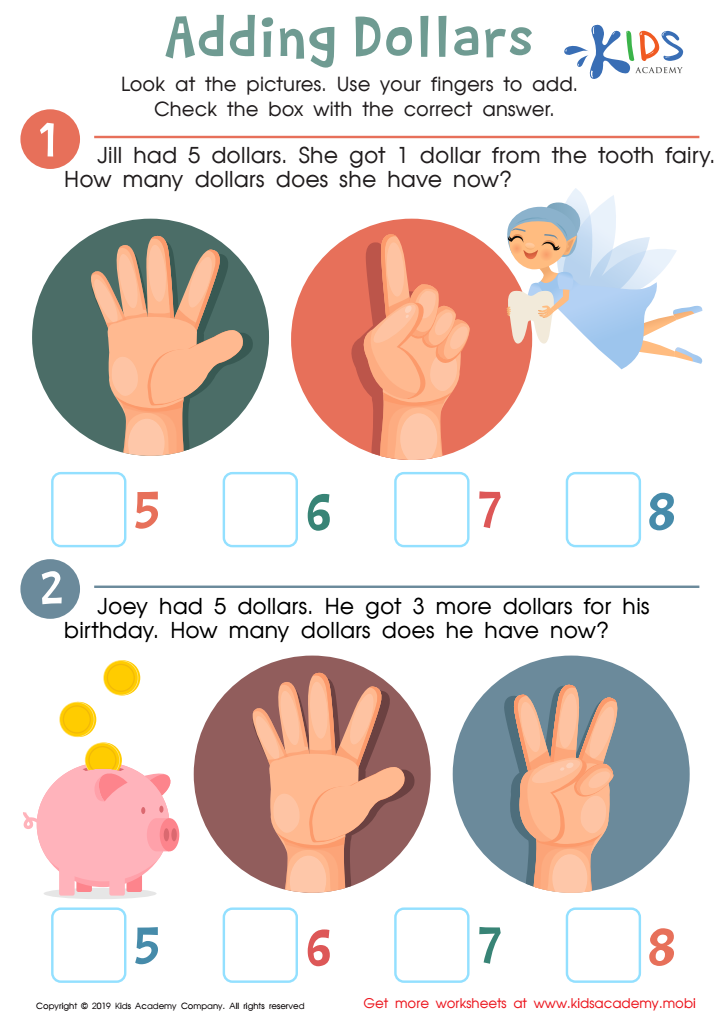
Tooth Fairy Addition Worksheet
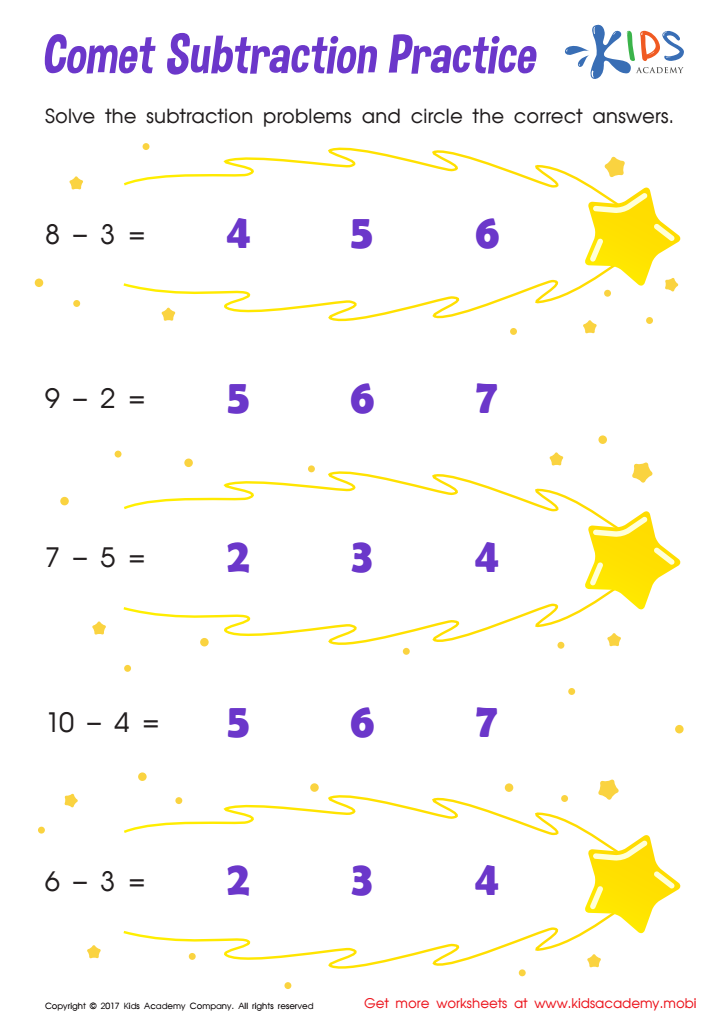
Comet Subtraction Practice Substraction Worksheet
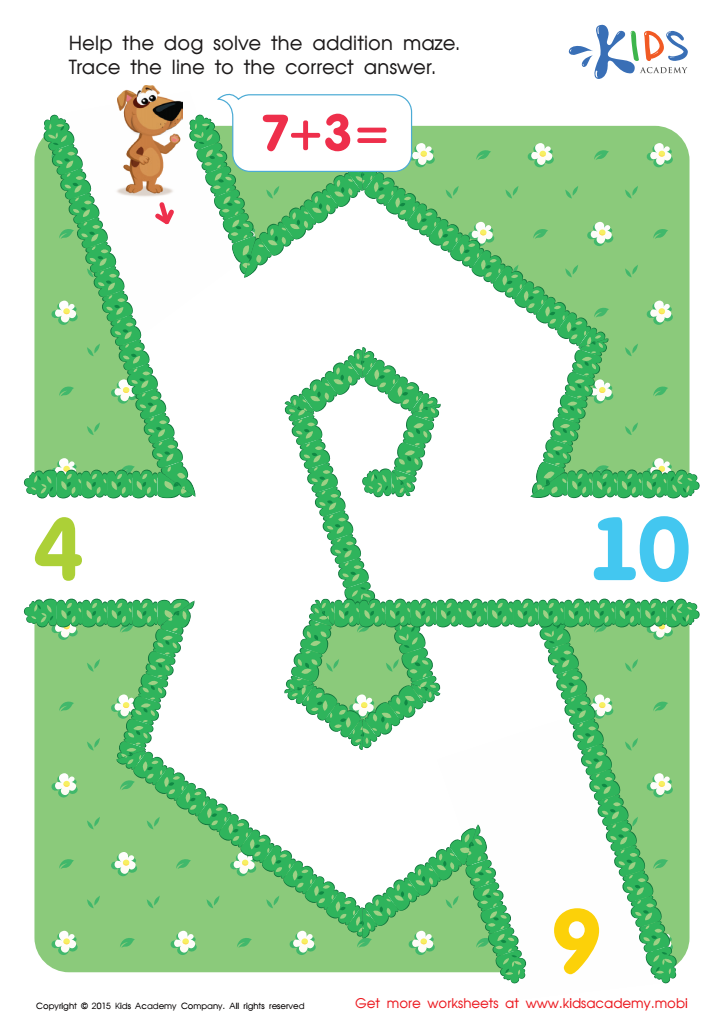
Seven Plus Three Worksheet
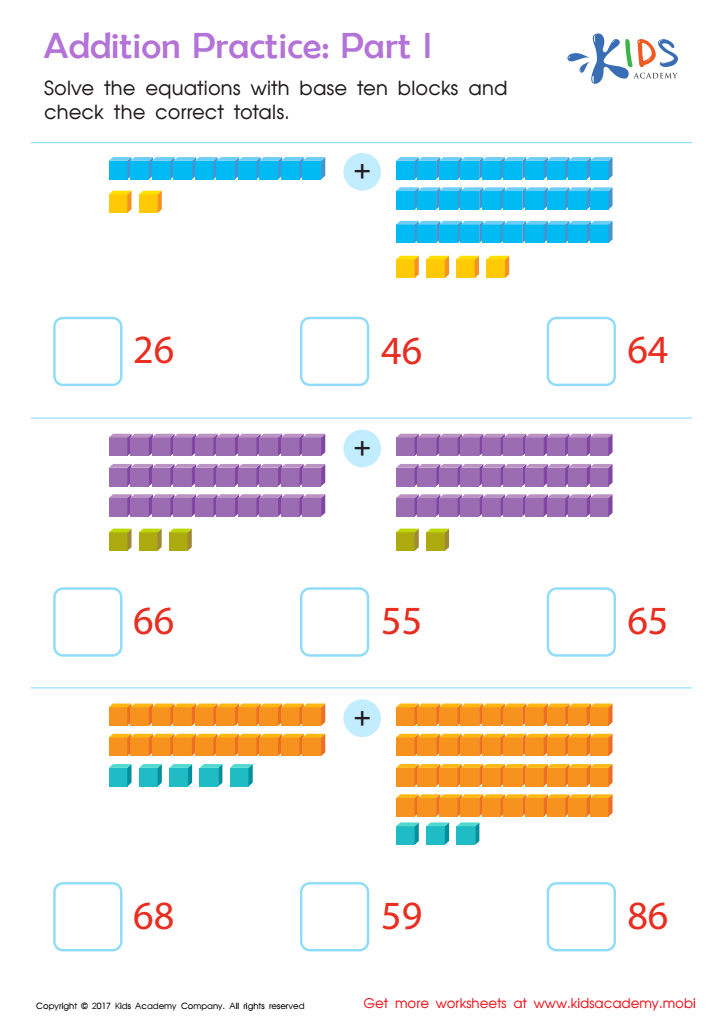
Addition Practice Sheet: Part 1
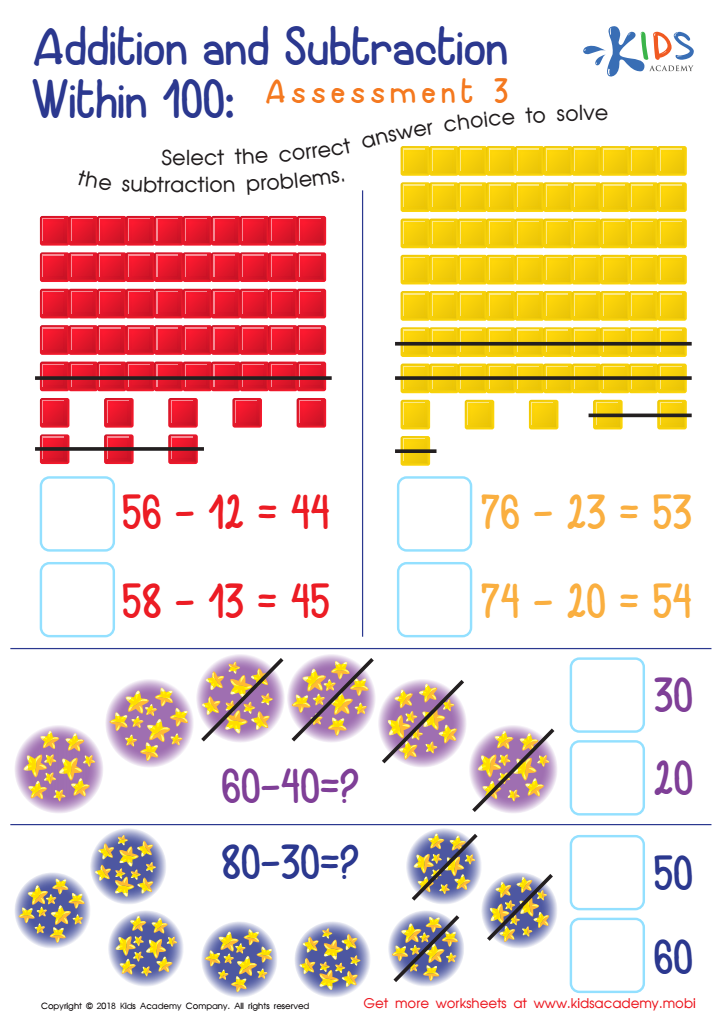
Addition and Subtraction Within 1: Assessment 3 Worksheet





.jpg)


Mental arithmetic is a vital skill for children aged 5-6, and both parents and teachers should prioritize its development for several reasons. First, mental arithmetic enhances cognitive flexibility, allowing children to manipulate numbers easily and develop problem-solving skills. In a world increasingly reliant on quick thinking and decision-making, these early math skills lay the foundation for future academic success.
Furthermore, mental arithmetic nurtures confidence and independence in children. When kids learn to perform calculations in their heads, they gain a sense of accomplishment that can boost their overall self-esteem. This confidence translates into a more positive attitude toward learning, which is essential during such formative years.
Additionally, mental arithmetic promotes language development, as children learn to articulate their thought processes while solving problems. This dual focus on numeracy and communication enriches their cognitive abilities.
Moreover, early exposure to mental arithmetic creates lasting habits and fosters a love for math. It cultivates an intuitive understanding of numbers and relationships, potentially reducing math anxiety in later years. Engaging, playful methods of teaching mental arithmetic can make learning enjoyable, turning mathematics from a daunting subject into an exciting exploration, benefiting children immensely in both their academic and personal lives.








