Nature appreciation Worksheets for Ages 5-6
6 filtered results
-
From - To
Explore the wonders of nature with our Nature Appreciation Worksheets designed for ages 5-6! These engaging and interactive activities help young children connect with the environment while developing essential learning skills. From identifying plants and animals to exploring ecosystems, each worksheet is crafted to inspire curiosity and foster an appreciation for the natural world. Perfect for home or classroom use, these worksheets incorporate a variety of fun tasks including coloring, matching, and simple facts about nature. Spark a lifelong love for the outdoors and encourage your child's budding exploration of flora and fauna with our thoughtfully designed worksheets. Dive into nature today!
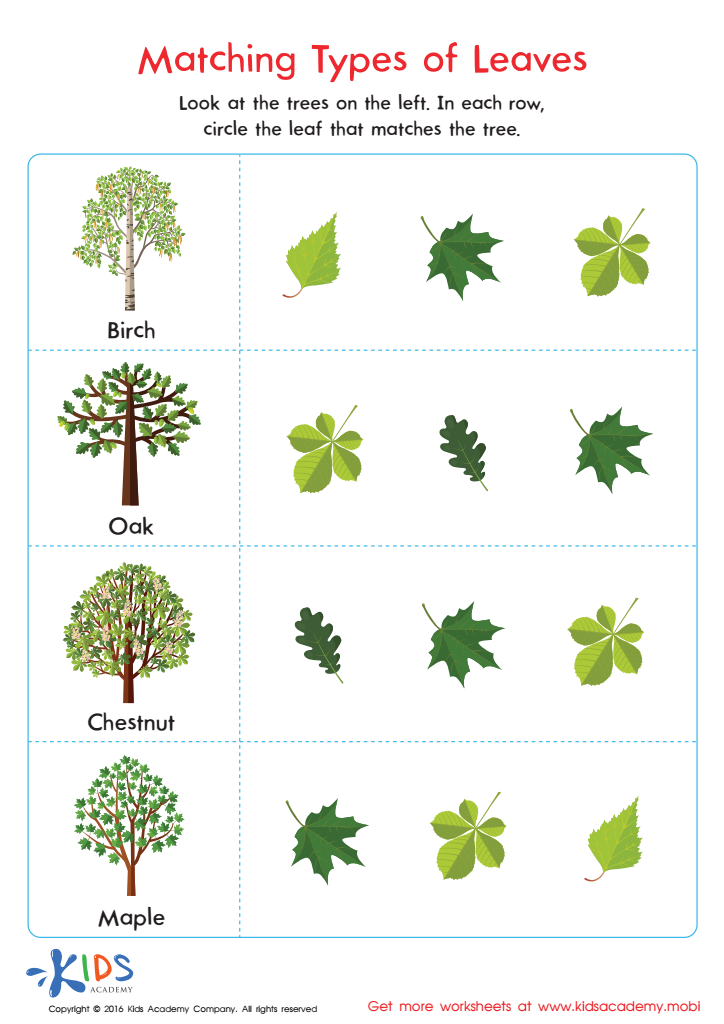
Matching Types of Leaves Printable
 Assign to My Students
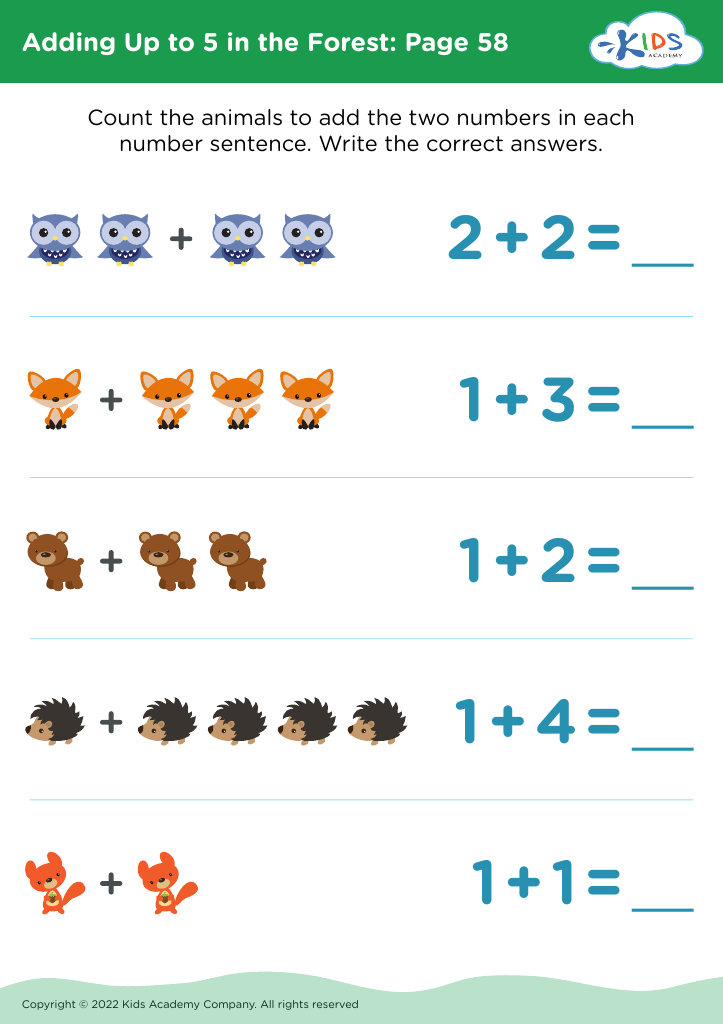
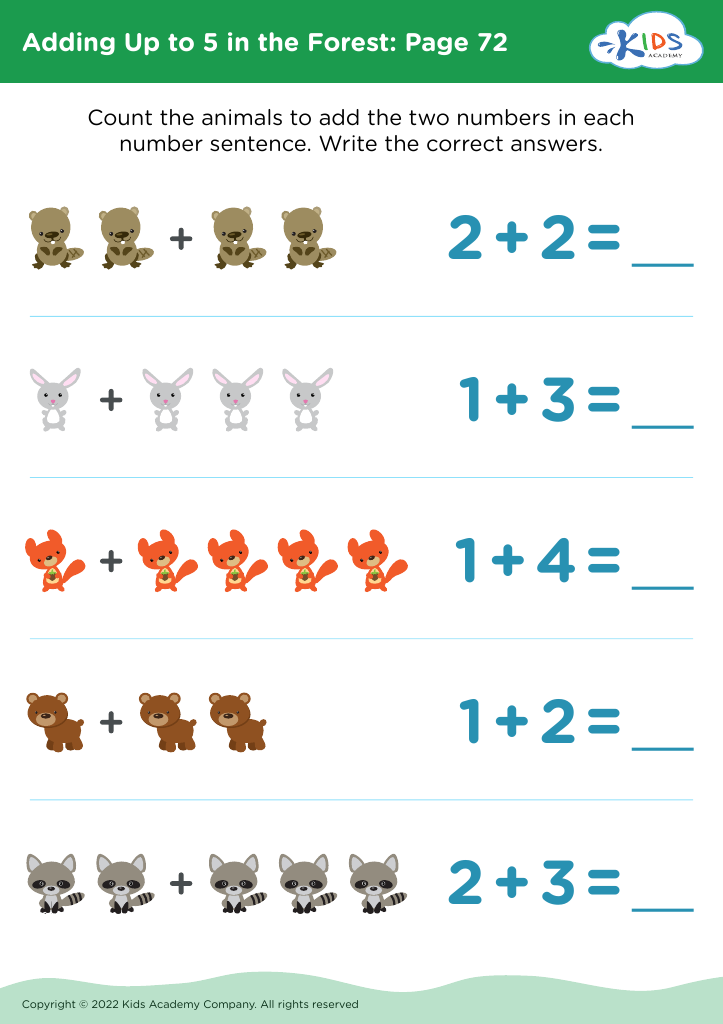
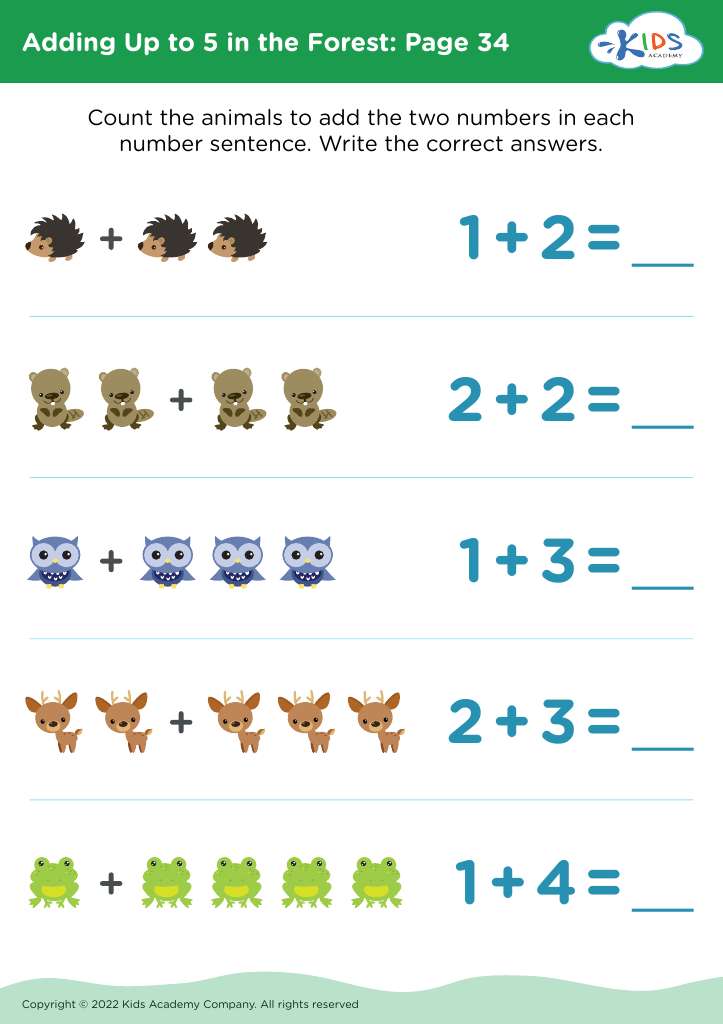
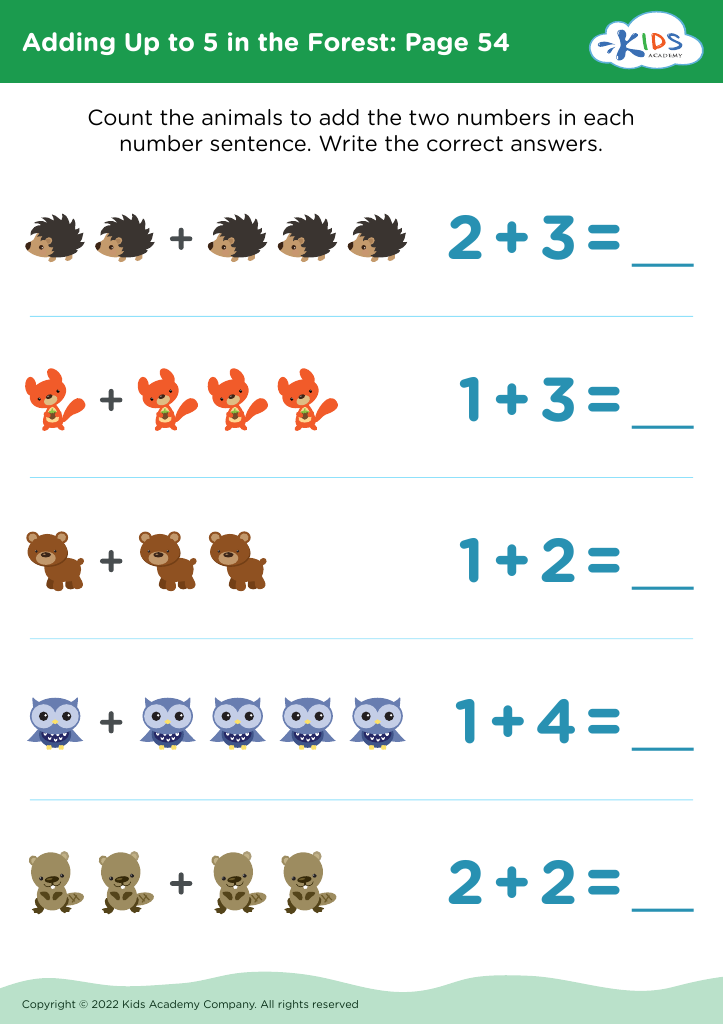
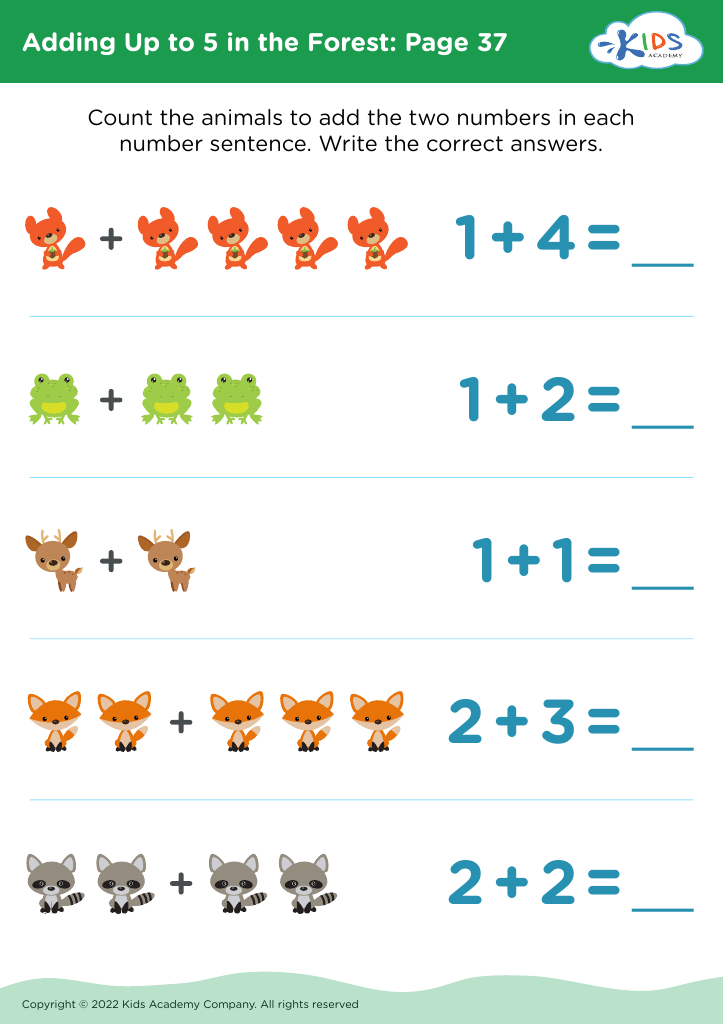








Parents and teachers should prioritize nature appreciation for ages 5-6 because it fosters a child's cognitive, emotional, and social development. At this stage, children are inherently curious about the world around them. Engaging with nature enhances their observation skills and nurtures critical thinking as they ask questions about plants, animals, and ecosystems.
Nature appreciation also plays a crucial role in emotional well-being. Spending time outdoors can reduce stress, promote happiness, and instill a sense of tranquility in children. Additionally, it fosters an appreciation for the environment, encouraging young learners to develop a sense of responsibility towards their surroundings from an early age.
Socially, outdoor activities often involve collaborative games and exploration, promoting teamwork and communication among peers. These interactions help develop social skills, boosting confidence and social competence.
Furthermore, nature serves as a motivating context for learning. It offers endless opportunities for hands-on experiences that support various subjects such as science and mathematics.
In conclusion, by nurturing a love for nature, parents and teachers can help children build a foundation for lifelong learning, environmental stewardship, and overall well-being, ensuring they develop into conscientious and capable future adults.








