Reading comprehension improvement Worksheets for Ages 5-6
8 filtered results
-
From - To
Boost your child's reading skills with our engaging Reading Comprehension Improvement Worksheets tailored for ages 5-6. These worksheets are designed to enhance understanding through fun activities that promote critical thinking and language development. Featuring colorful illustrations and age-appropriate stories, children will develop essential skills in identifying main ideas, making inferences, and answering questions. Perfect for at-home learning or classroom use, our worksheets provide a variety of exercises that make reading enjoyable and accessible. Foster a love for reading while helping your young learner become more confident and capable in their comprehension abilities. Explore our collection and watch your child thrive!
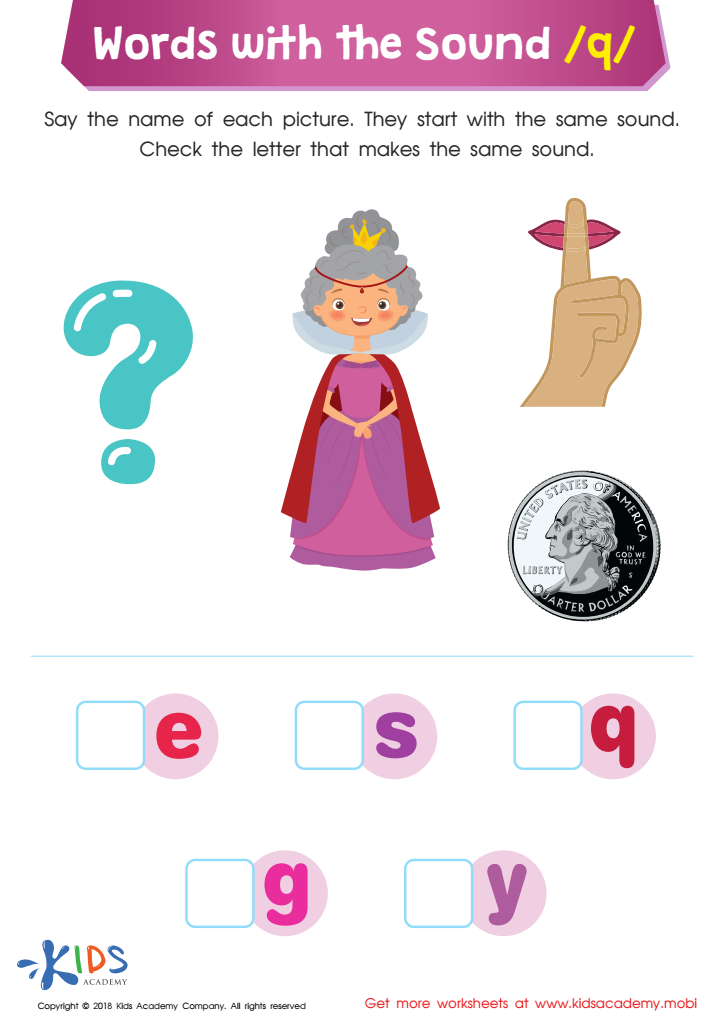
Words with Sound Q Reading Worksheet
 Assign to My Students
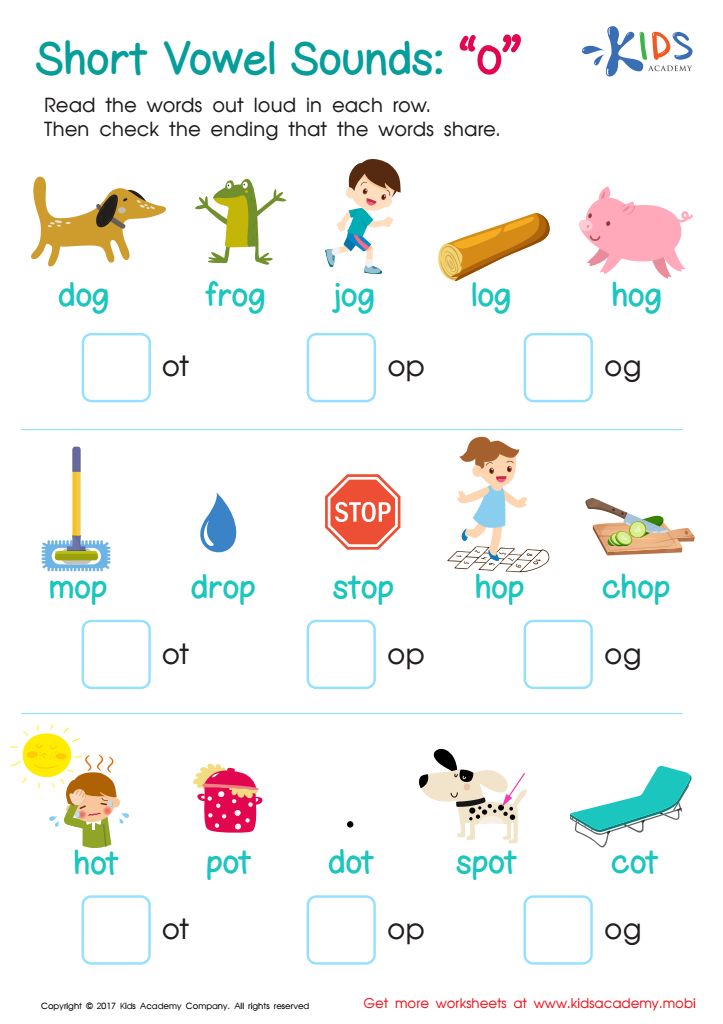
Short vowel Sounds "o" Spelling Worksheet
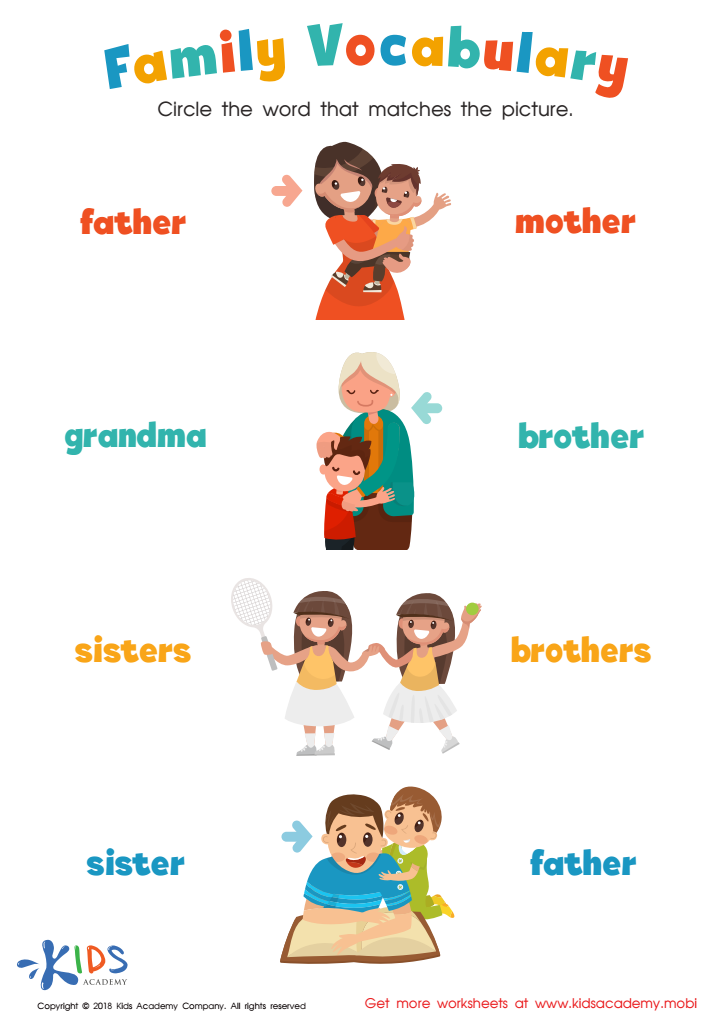
Family Vocabulary Worksheet
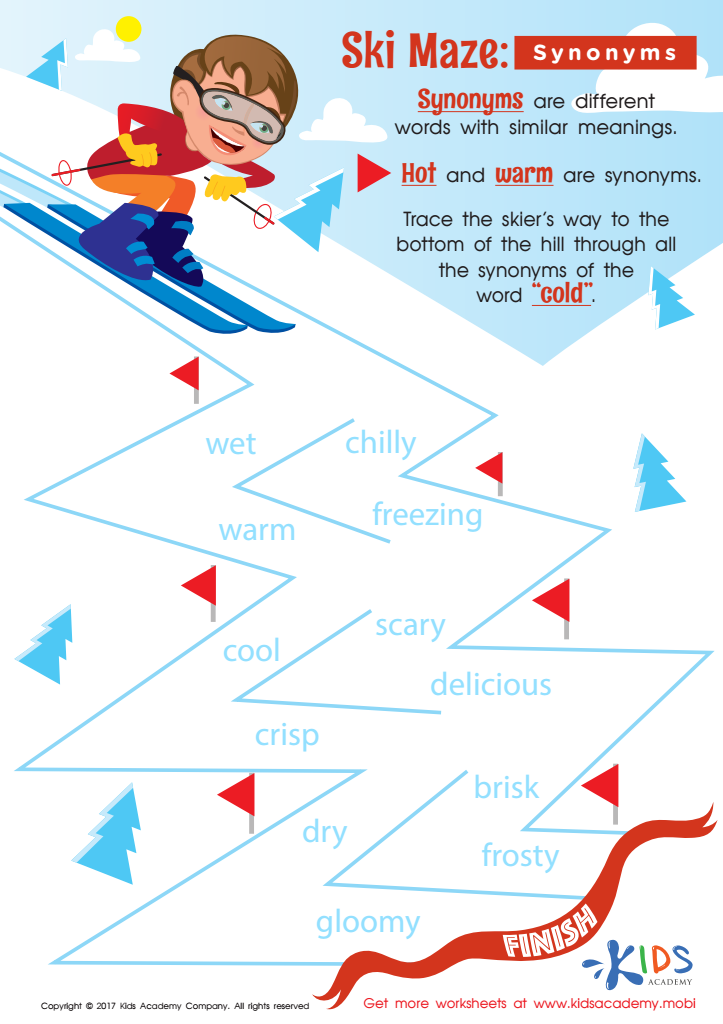
Free Printable Synonym Worksheet
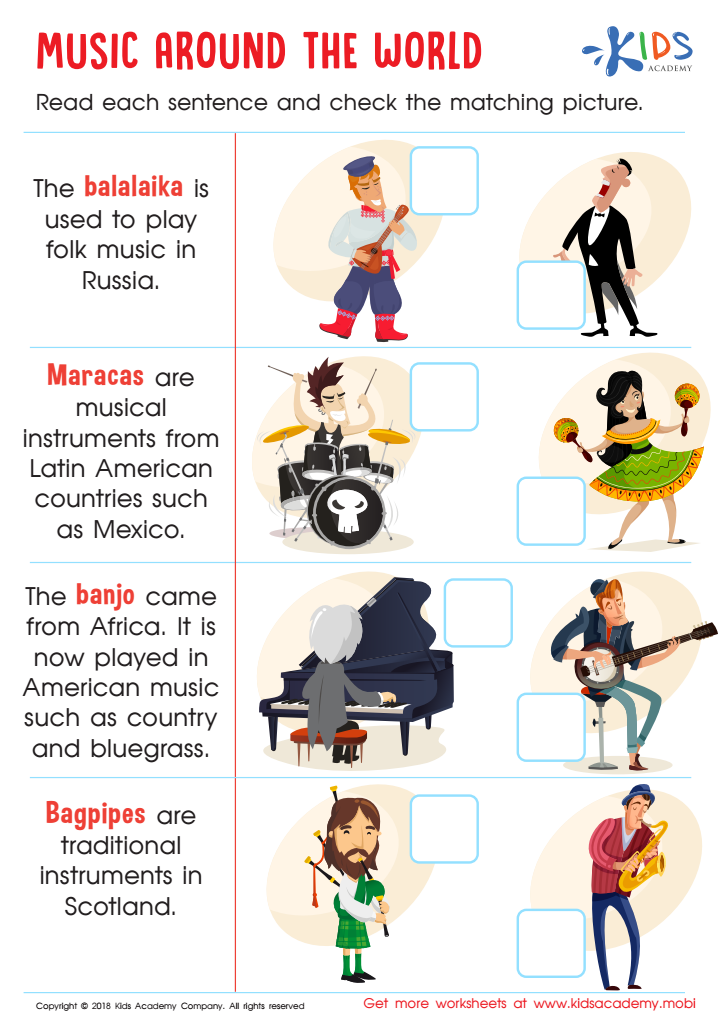
Music Around the World Worksheet
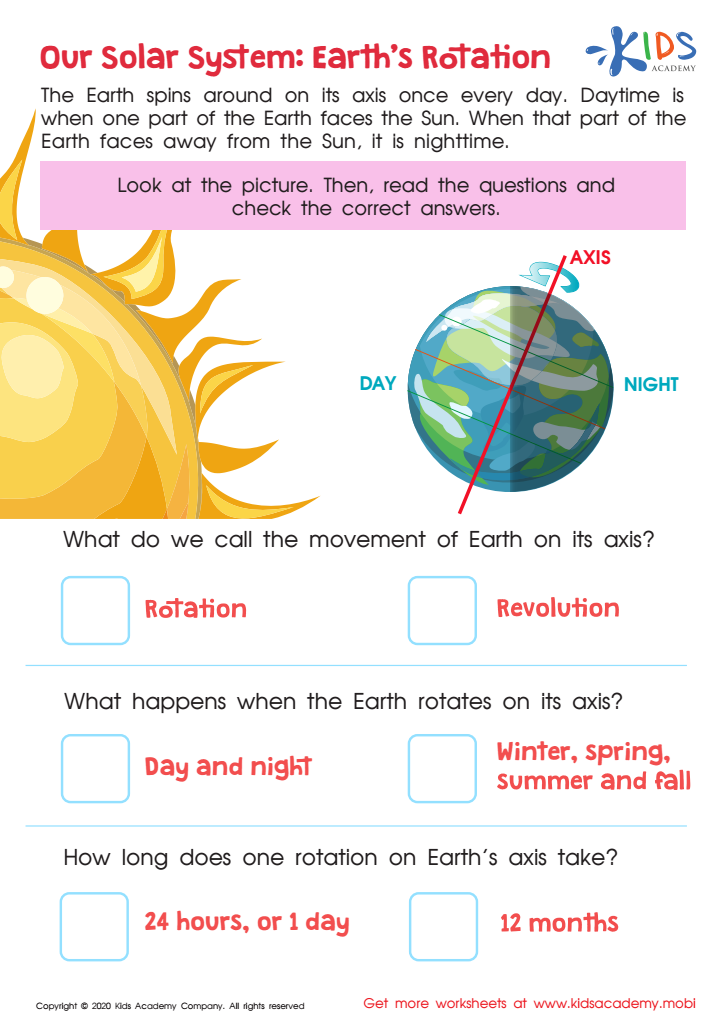
Our Solar System: Earth's Rotation Printable
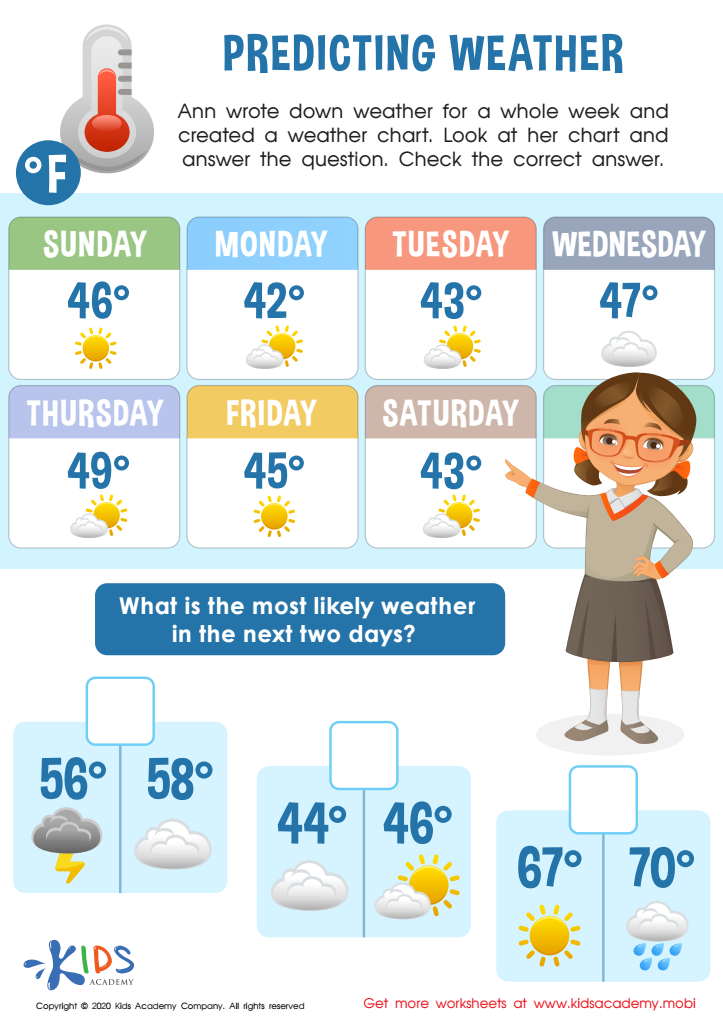
Predicting Weather Worksheet
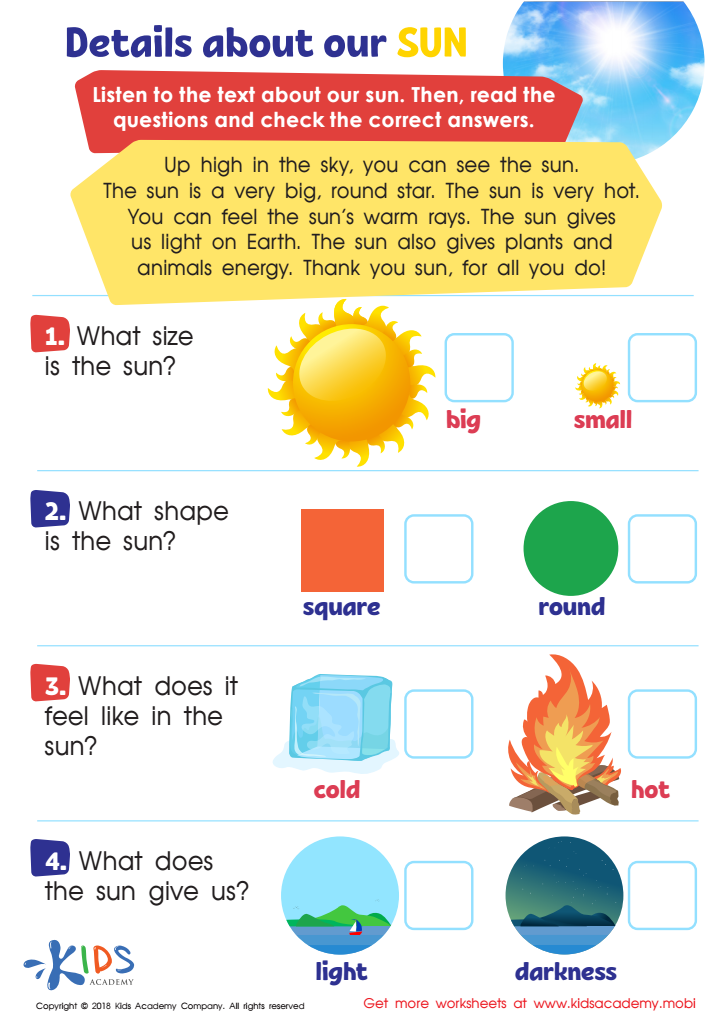
Details About Our Sun Worksheet







Reading comprehension is a fundamental skill that lays the foundation for a child's academic success and lifelong learning. For children aged 5-6, developing reading comprehension skills is particularly crucial, as this is a critical period for language acquisition and cognitive development. Parents and teachers should care about its improvement because it directly influences a child's ability to understand and engage with their environment.
At this age, children are not just learning to read; they are learning to understand what they read. Enhancing comprehension skills helps children build vocabulary, develop critical thinking, and improve their ability to make connections between texts and real-life situations. Strong reading comprehension fosters independence, boosts confidence, and encourages a love for learning.
Moreover, early mastery of comprehension skills tends to lead to better performance in later grades. Children who grasp stories and concepts early on are more likely to excel in subjects that rely on reading, such as science and social studies. In essence, investing effort in improving reading comprehension in early childhood is a gift that keeps giving, setting the stage for academic achievement and personal growth. Therefore, it’s essential for parents and teachers to recognize and prioritize this vital component of literacy development.








