Sequencing events Worksheets for Ages 5-6
3 filtered results
-
From - To
Welcome to our engaging Sequencing Events Worksheets page for children aged 5-6! These worksheets are designed to help young learners understand the concept of sequence in stories, daily activities, and more. By practicing sequencing, children develop critical thinking, enhance their reading comprehension, and improve their storytelling abilities. Our fun activities include colorful visuals and relatable scenarios that capture their imagination. Perfect for home or classroom use, these worksheets foster essential early literacy skills while keeping children entertained. Explore our variety of resources and watch your child’s ability to organize events flourish! Download and start your sequencing adventure today!
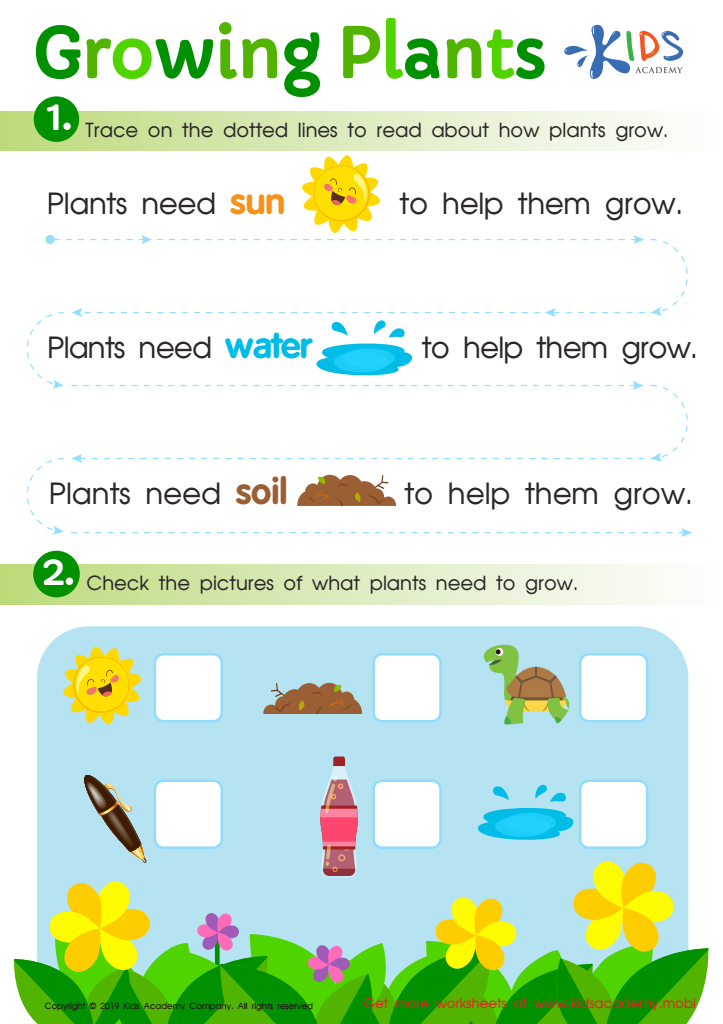
Growing Plants Worksheet
 Assign to My Students

Emperor Penguin Journey Worksheet
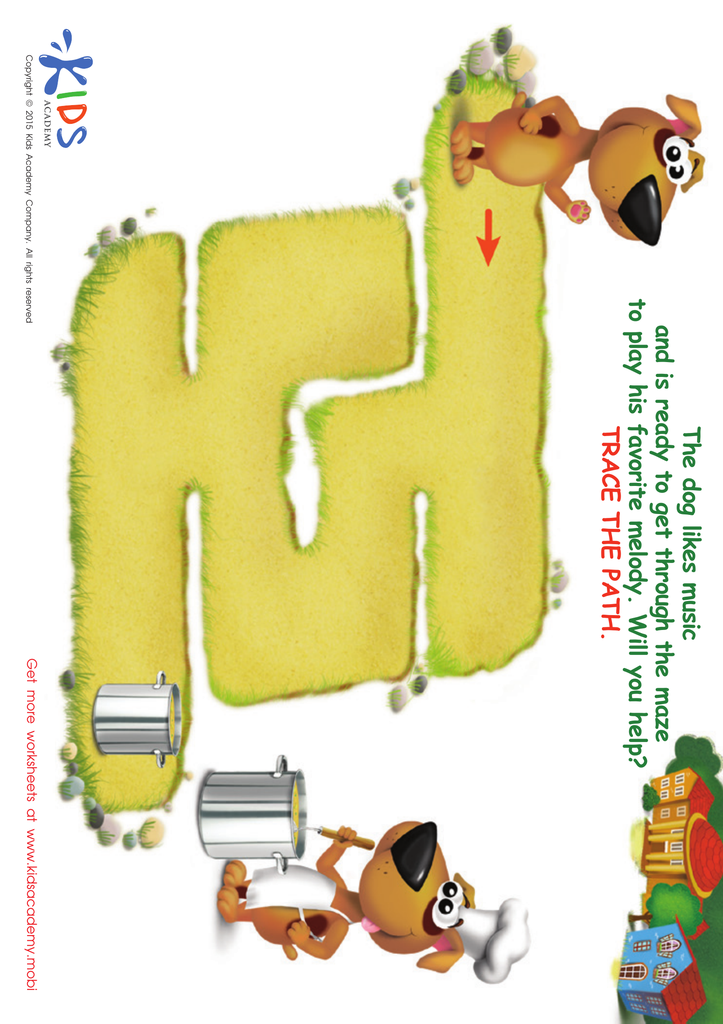
Cook Maze Worksheet








Parents and teachers should genuinely care about sequencing events for children aged 5-6 because it plays a fundamental role in a child’s cognitive development and academic success. Sequencing, the ability to arrange events in a logical order, helps children understand narratives, strengthen problem-solving skills, and improve critical thinking abilities. This skill is essential for comprehension in reading; children who can sequence events in a story are more likely to understand and recall the plot, thereby enhancing their overall literacy.
Furthermore, sequencing helps children organize their thoughts and daily routines, making it easier for them to complete tasks independently. For instance, when children learn to follow a series of steps in cooking, dressing, or completing homework, they develop executive function skills that are vital throughout their education.
Additionally, sequencing activities can promote cooperative play and social interactions, allowing children to collaborate on projects or games that require shared understanding of order and timing. Engaging in activities that involve sequencing lays the groundwork for future learning in mathematics, science, and reading—contributing to a well-rounded, developmentally appropriate educational experience. Overall, emphasizing sequencing for young learners encourages lifelong learning and essential life skills.








