Word identification Worksheets for Ages 5-6
7 filtered results
-
From - To
Explore our engaging word identification worksheets designed specifically for ages 5-6! These fun and interactive resources help young learners develop essential reading skills by focusing on recognizing and identifying words. Each worksheet is crafted to enhance vocabulary, improve phonics understanding, and boost comprehension through varied activities. Your child will enjoy connecting words with pictures, filling in the blanks, and participating in word searches. Perfect for classroom use or at-home practice, our printable worksheets offer a delightful way for young readers to build confidence and proficiency in their literacy journey. Watch your child thrive as they discover the joy of reading!
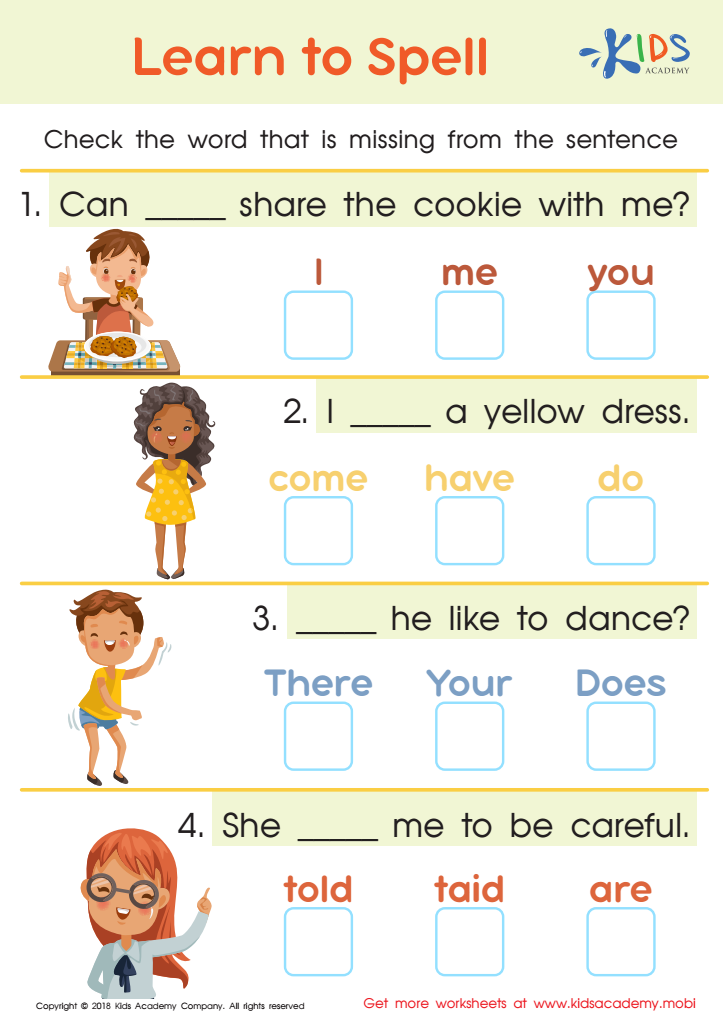
Learn to Spell Worksheet
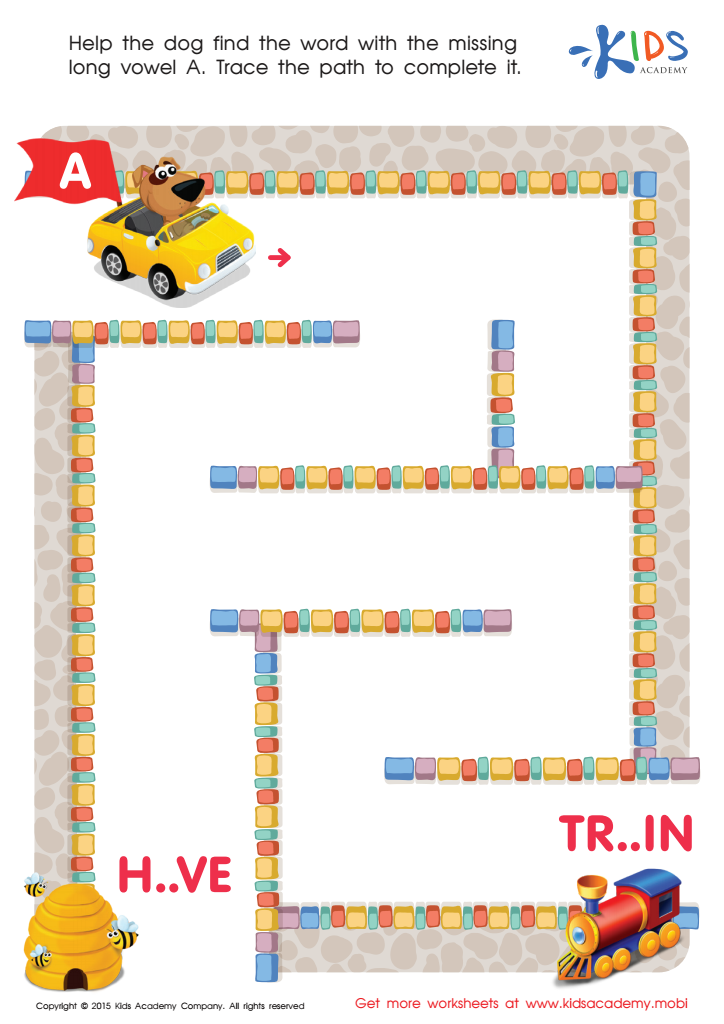
Long Vowel Sound A Worksheet
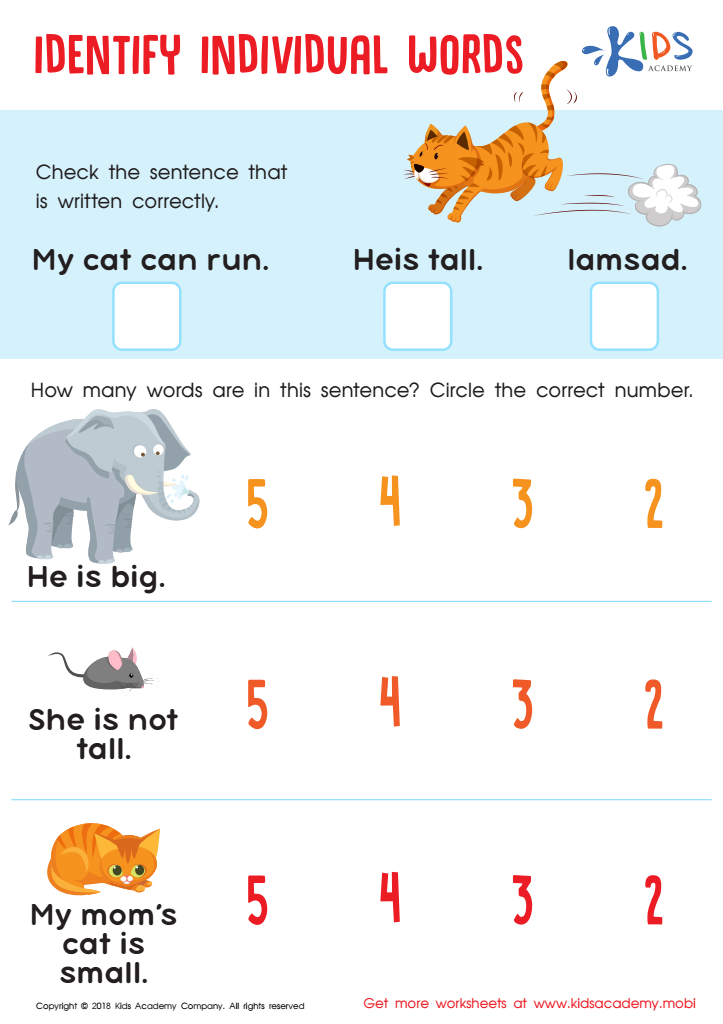
Identify Individual Words Worksheet
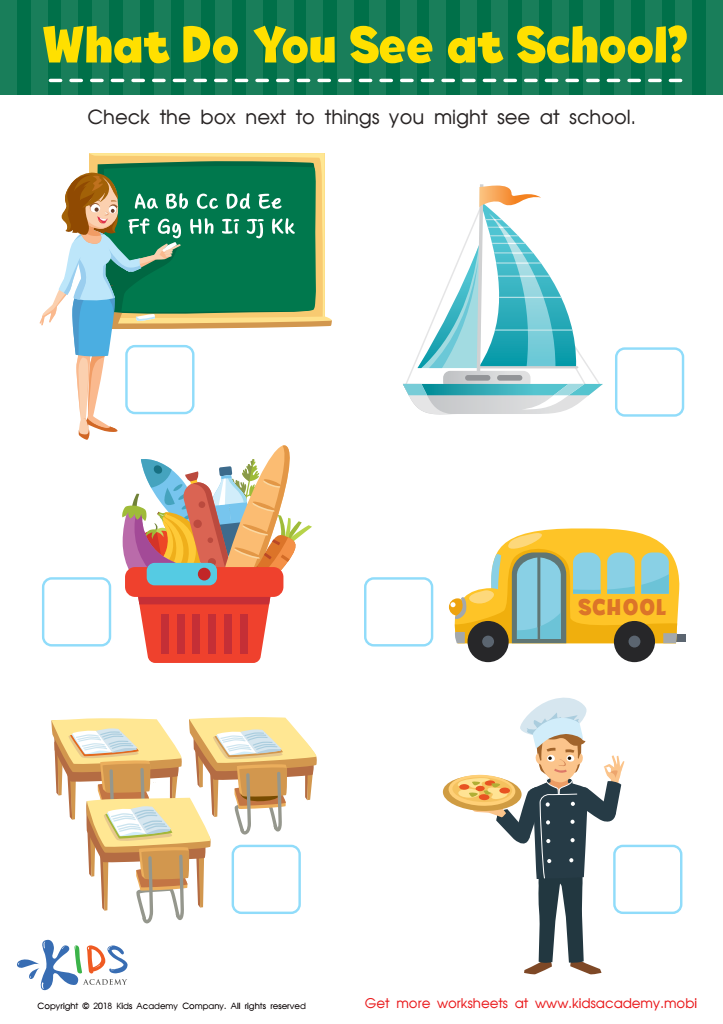
What Do you See at School? Worksheet
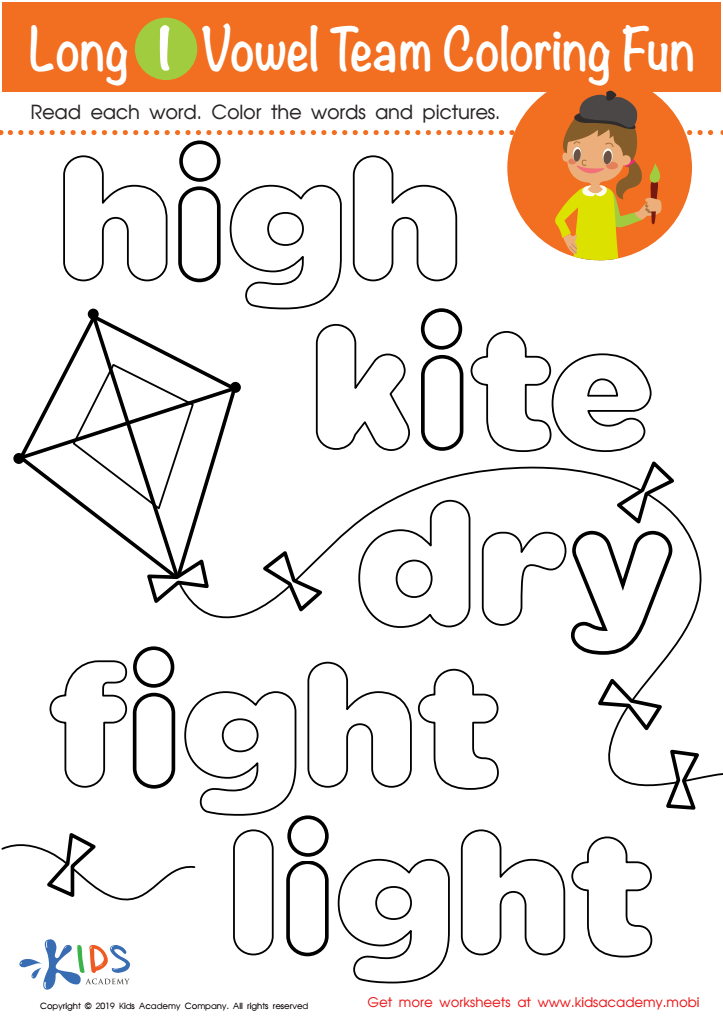
Long I Vowel Team Coloring Worksheet
 Assign to My Students
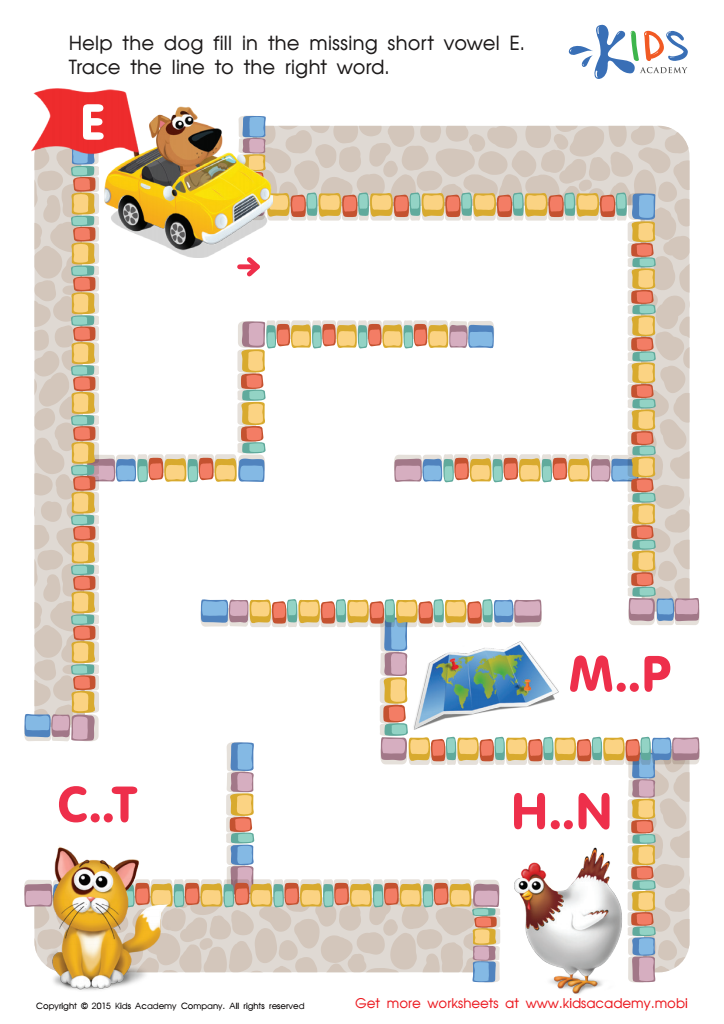
Short Vowel Sound E Worksheet
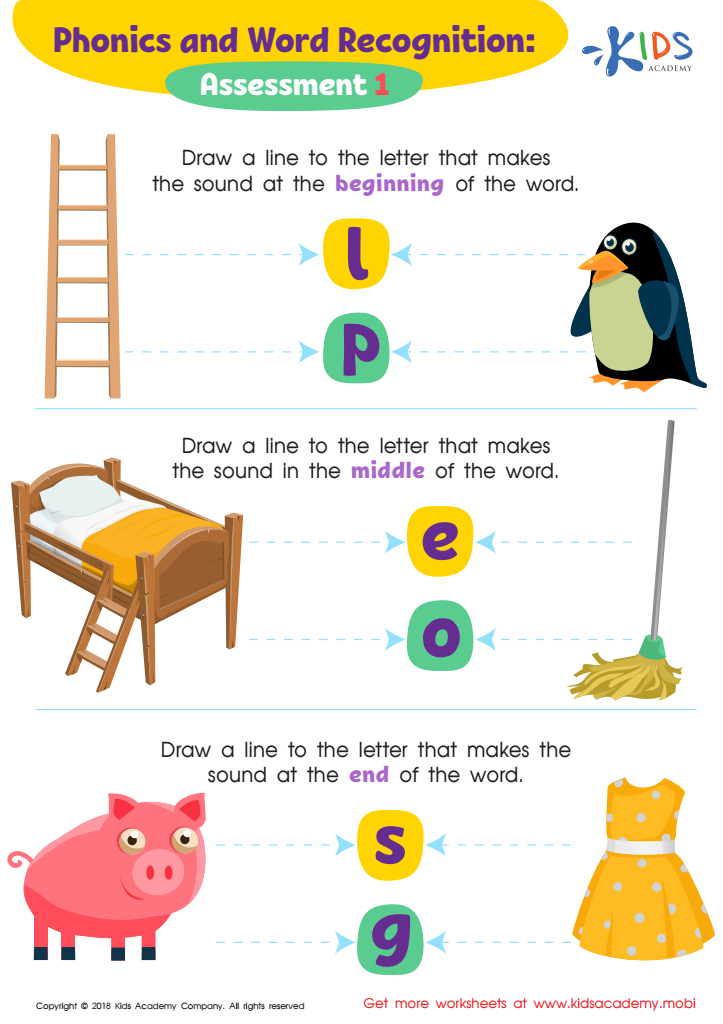
Phonics and Word Recognition: Assessment 1 ELA Worksheet






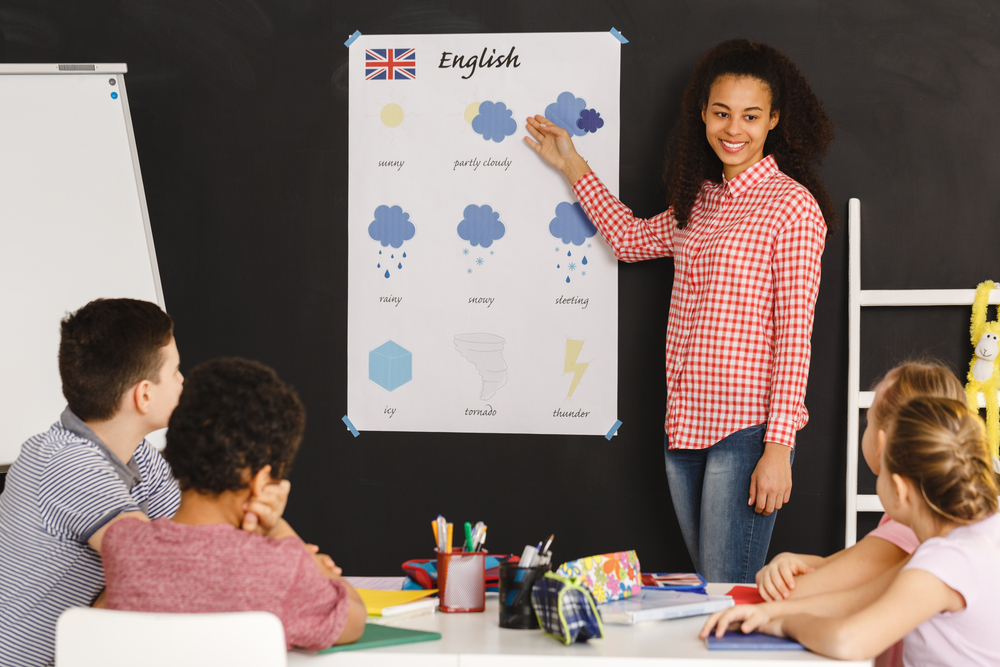

Word identification is a crucial skill for children aged 5-6, as it lays the foundation for reading and literacy development. At this stage, children are often learning to connect sounds with letters, decode words, and recognize familiar vocabulary. Parents and teachers should prioritize word identification for several reasons.
Firstly, strong word identification skills promote confidence in young readers. When children can easily recognize words, they are more likely to engage in reading activities, fostering a love for books and learning. Secondly, these skills are essential for comprehension. Children who struggle with word identification may find it difficult to understand texts, hindering their overall learning experience.
Moreover, word identification supports vocabulary growth. As children identify words, they begin to learn their meanings, which enhances their communication skills and ability to express ideas. This, in turn, supports their academic success across subjects.
Finally, consistent practice with word identification fosters essential cognitive skills such as memory and attention. Parents and teachers can encourage this through various interactive activities, including word games, flashcards, and reading aloud. By emphasizing word identification, adults play a critical role in shaping a child’s literacy journey, preparing them for future educational endeavors, and equipping them with lifelong language skills.








