Cognitive Development Adding in the Forest Worksheets for Ages 5-6
17 filtered results
-
From - To
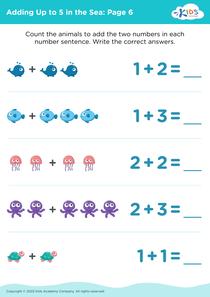
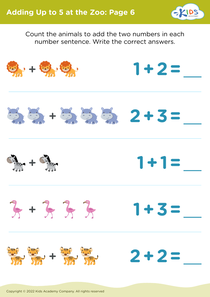
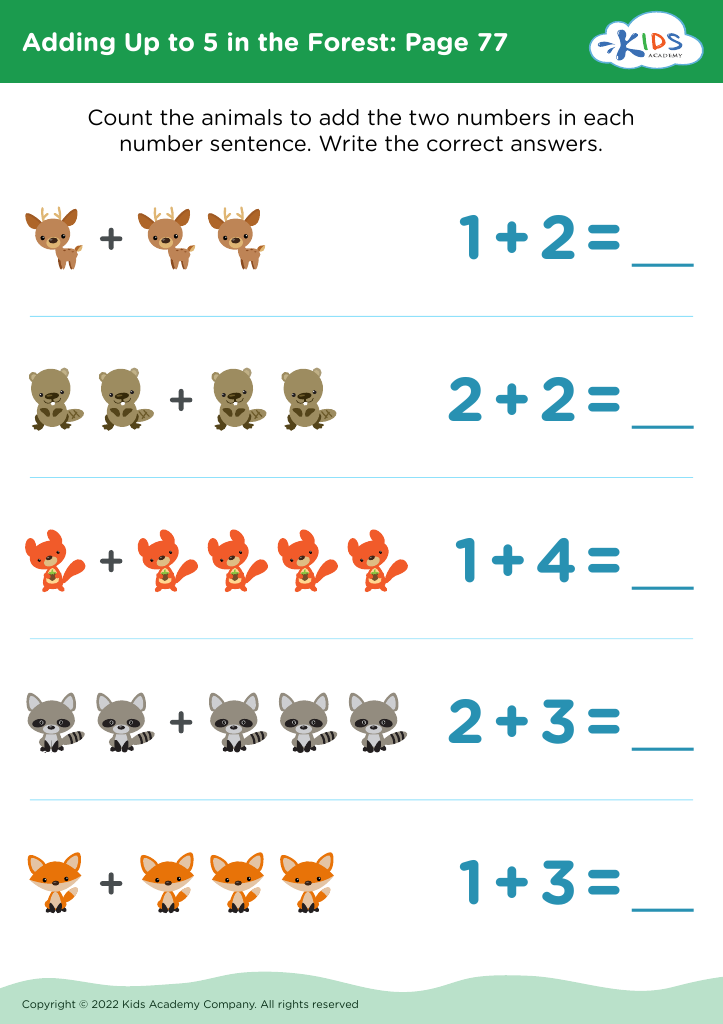
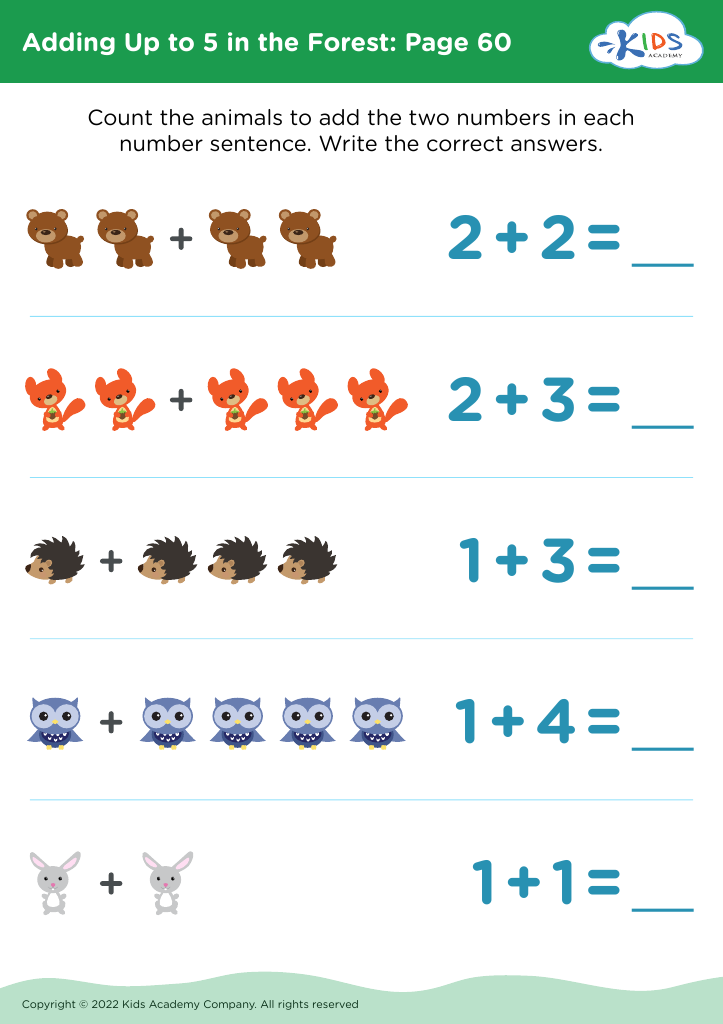
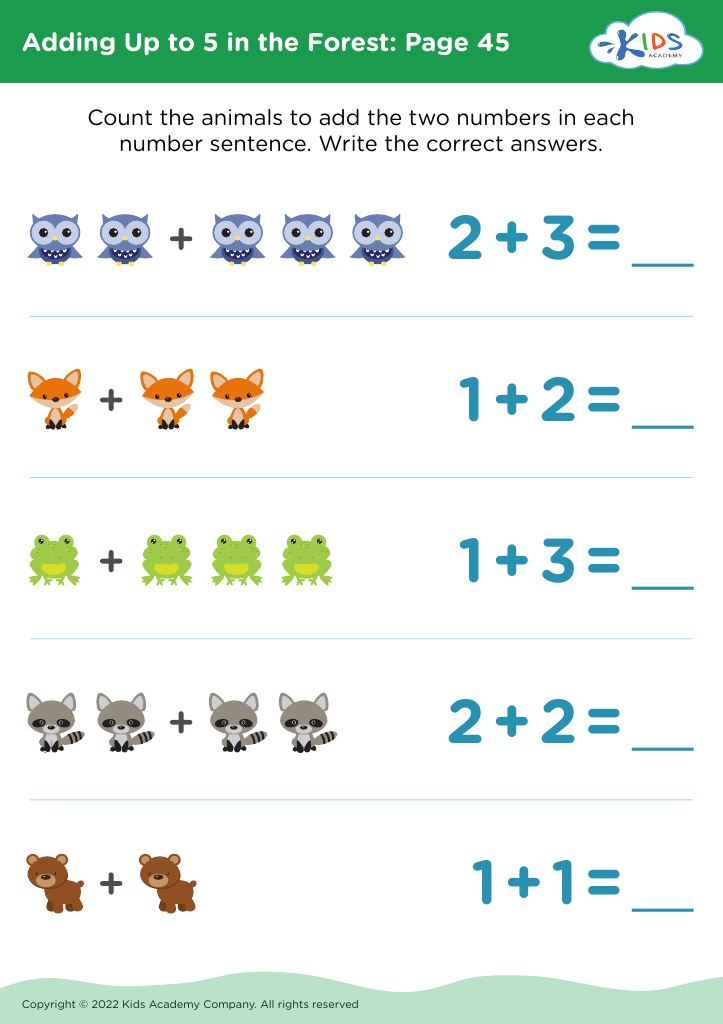
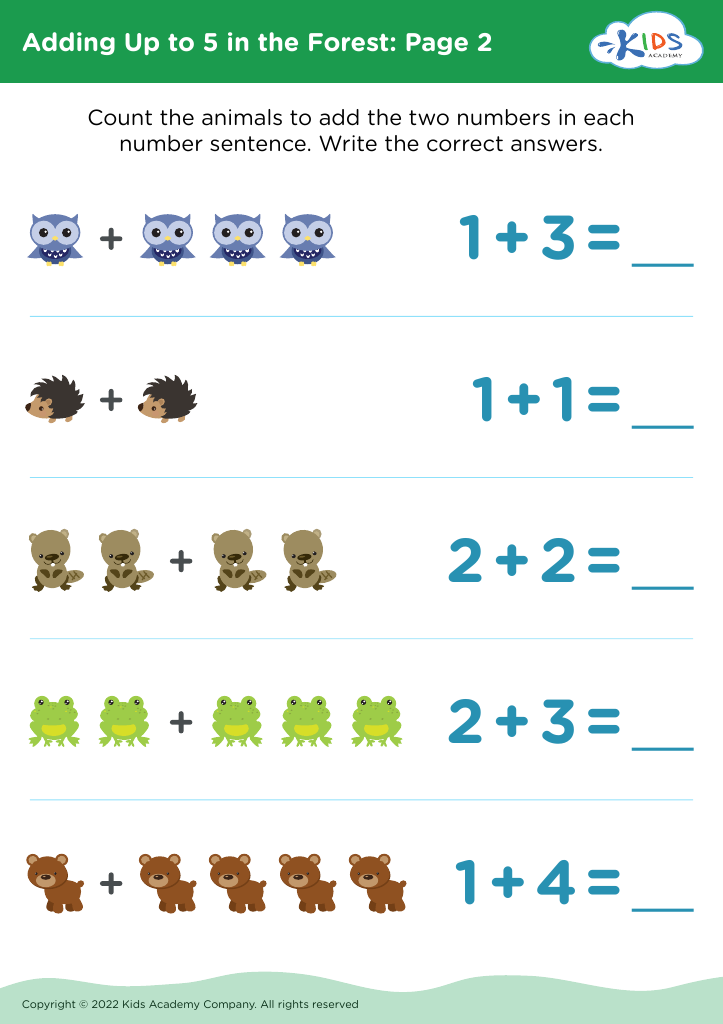
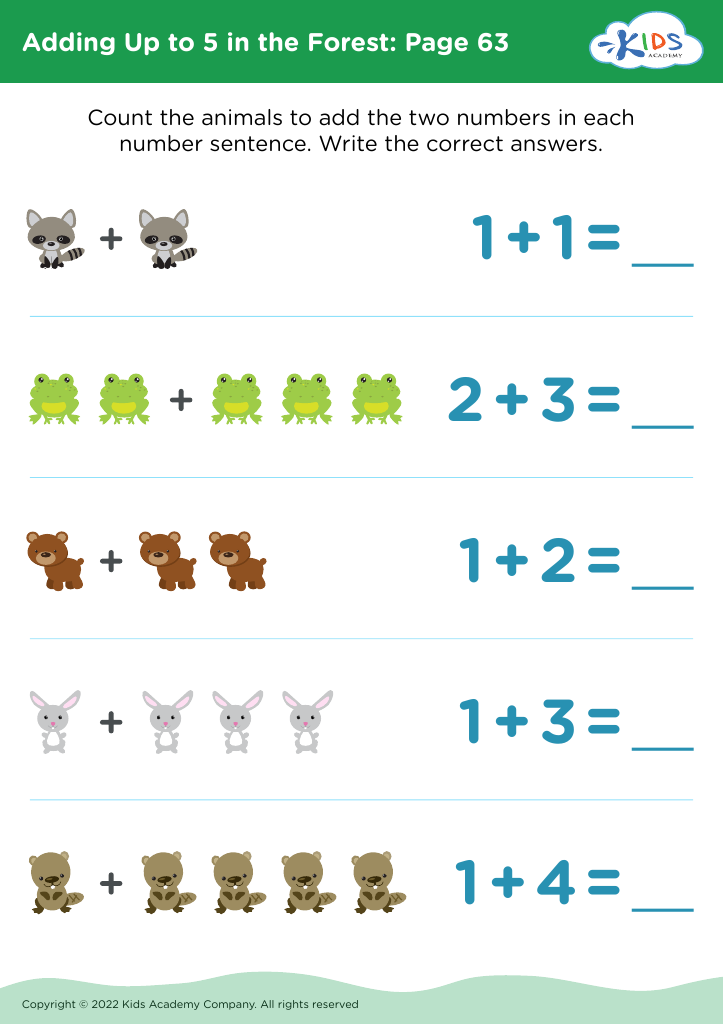
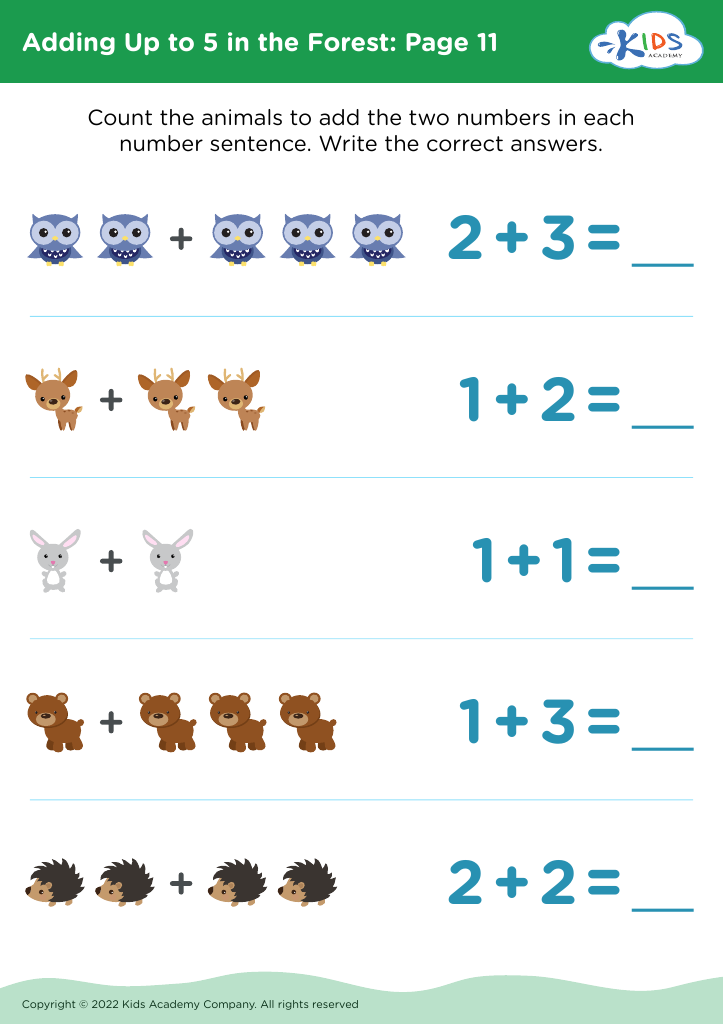
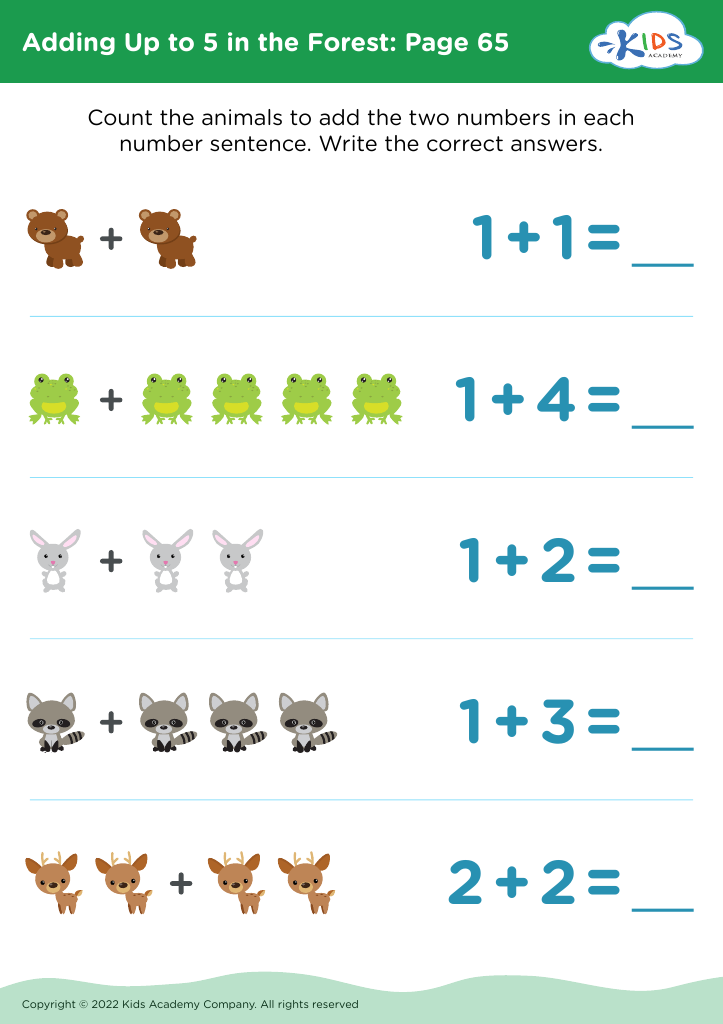
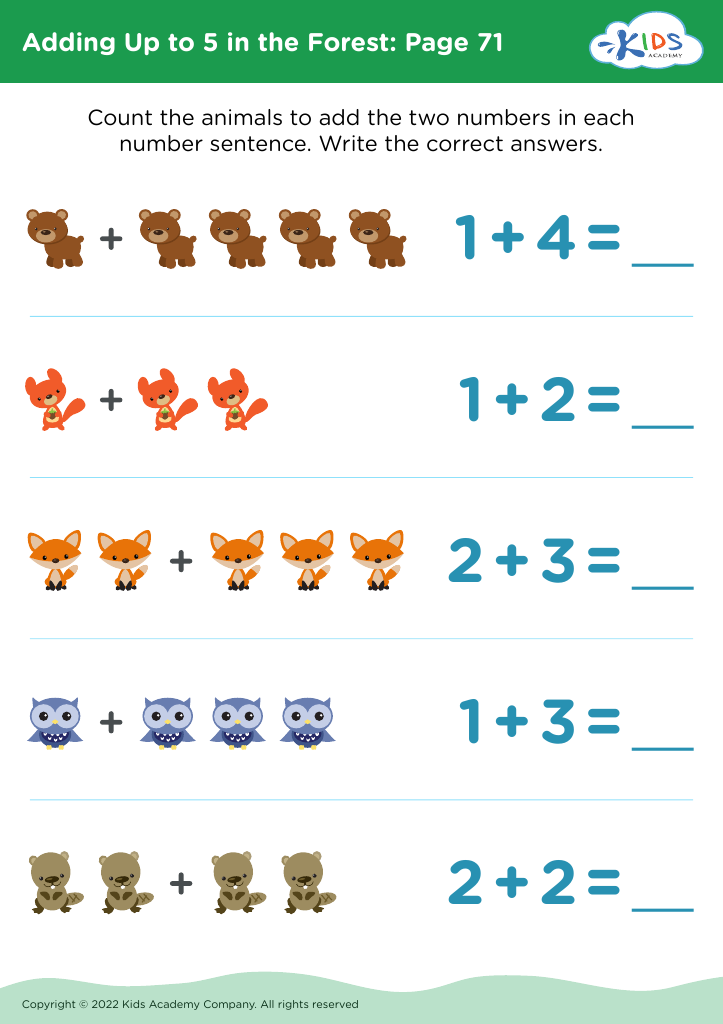
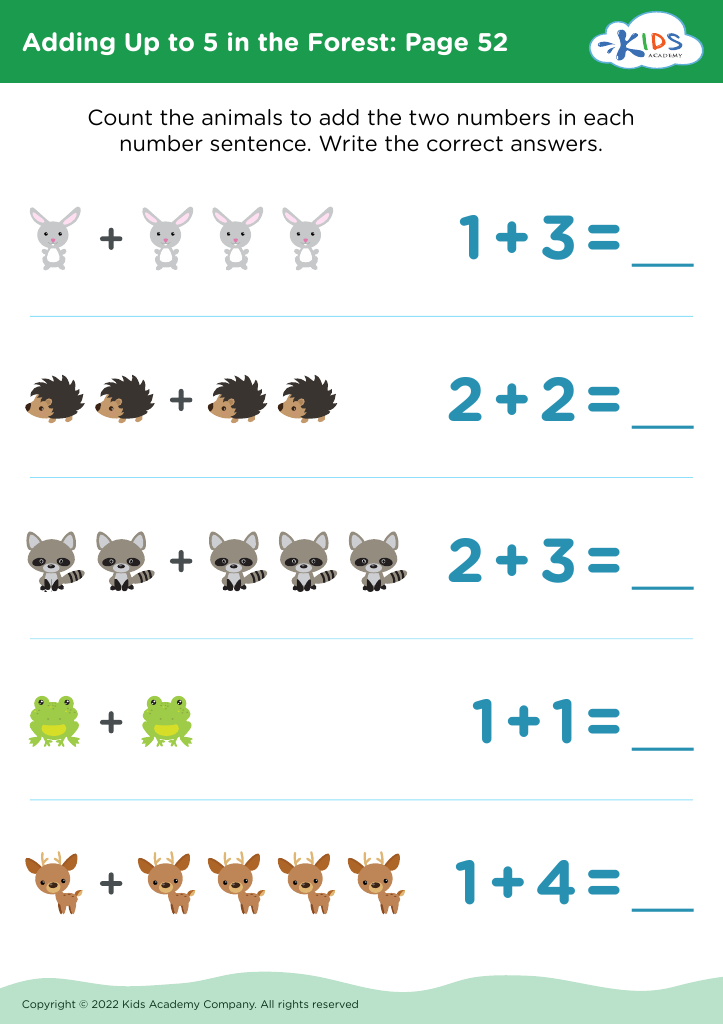
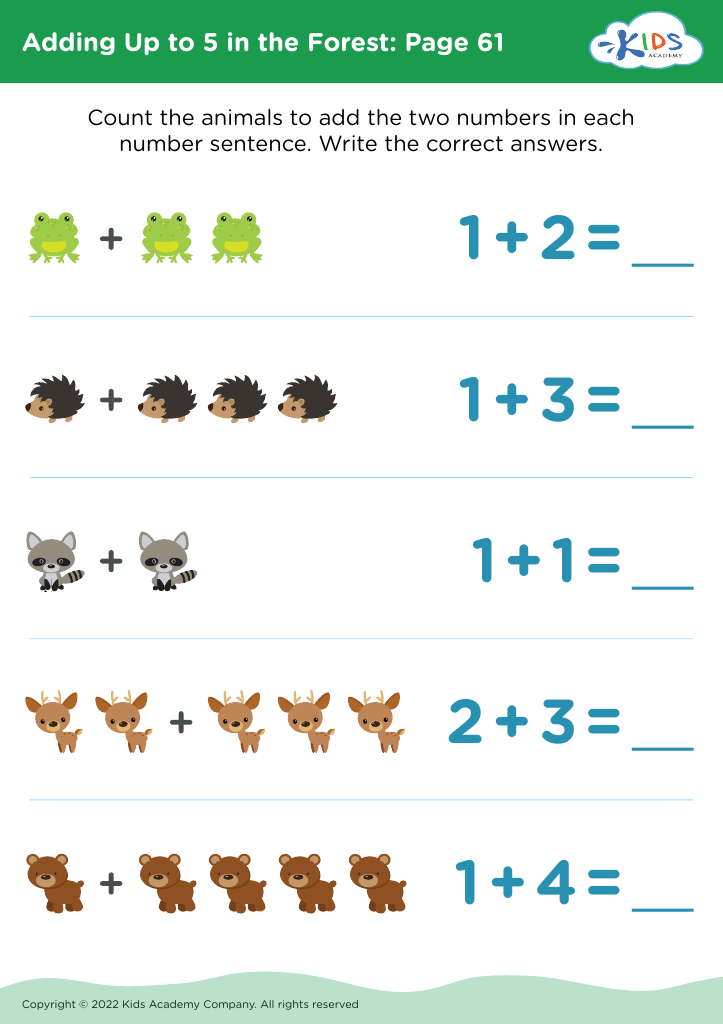
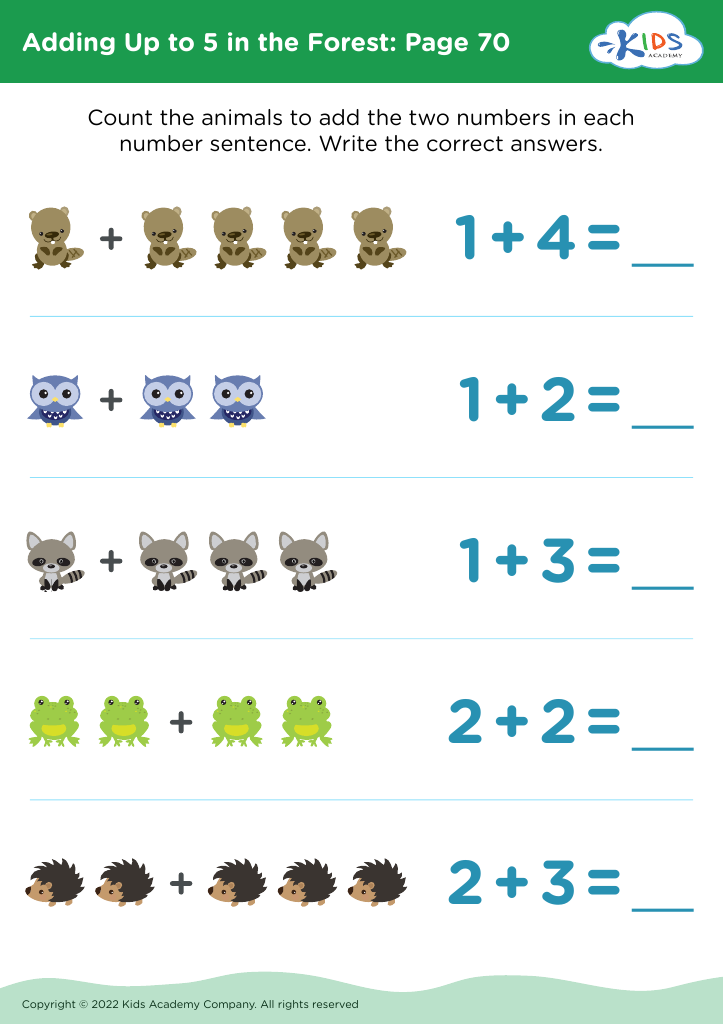
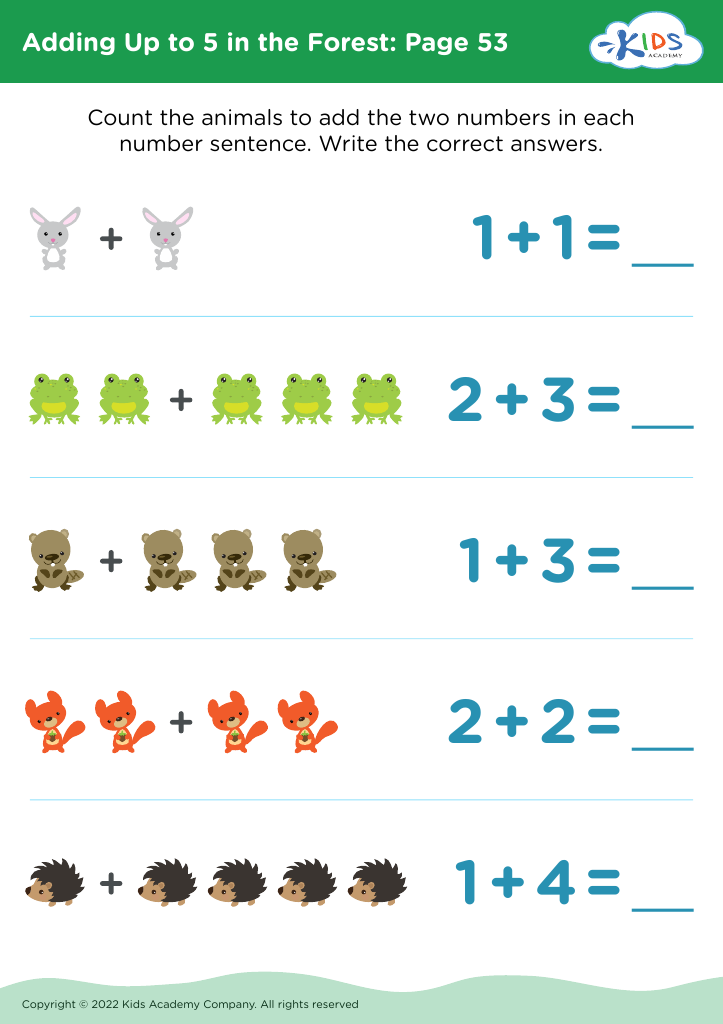
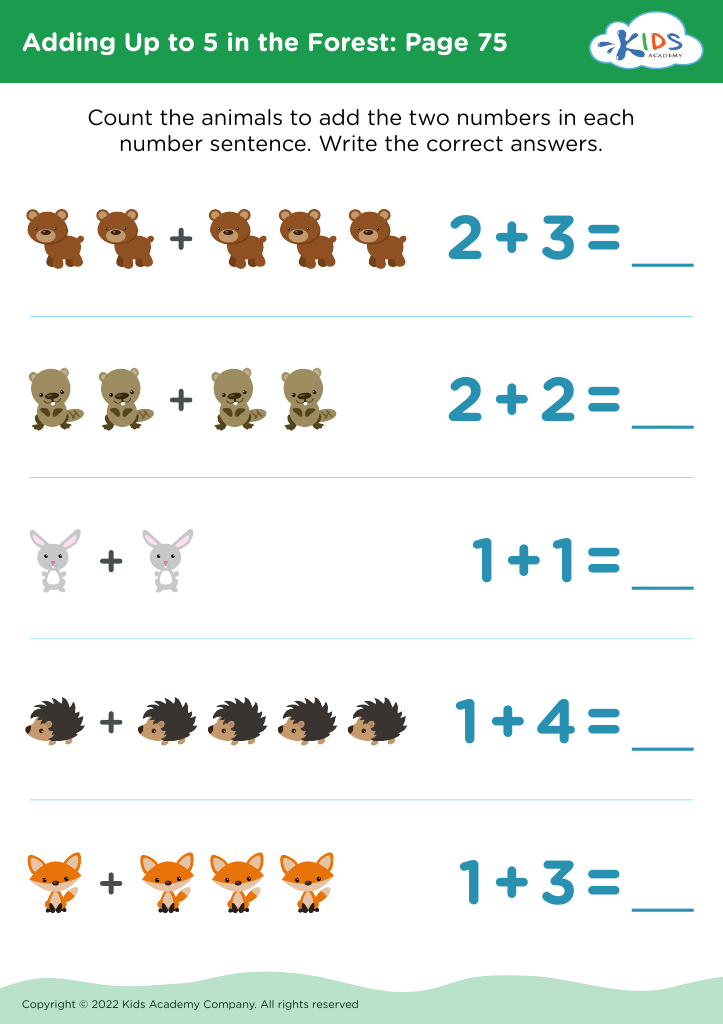
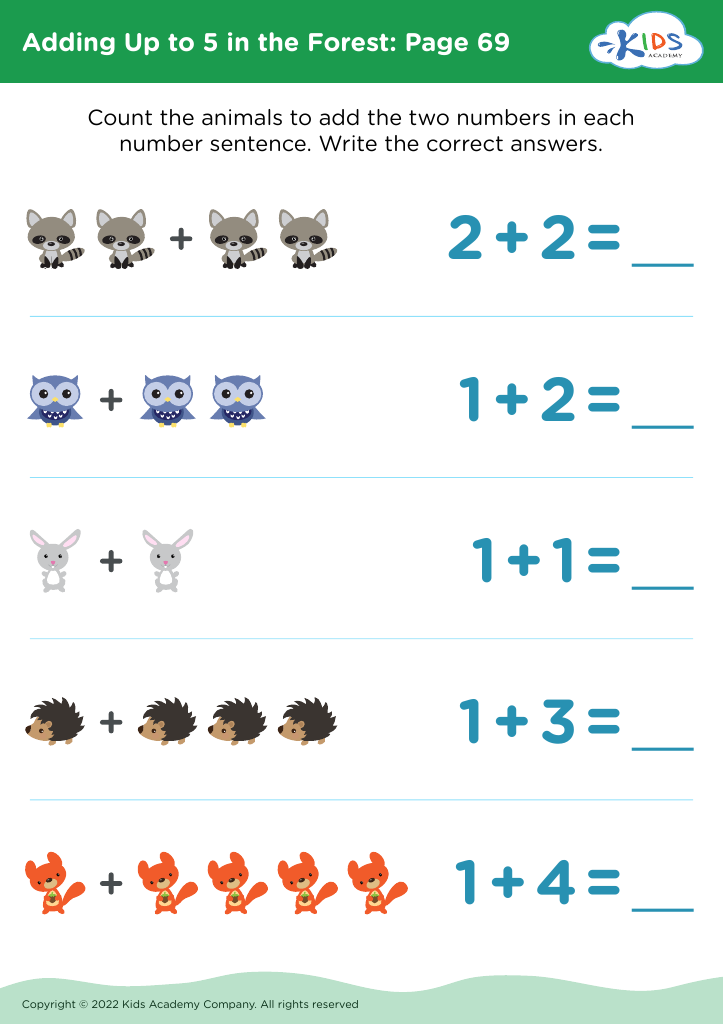
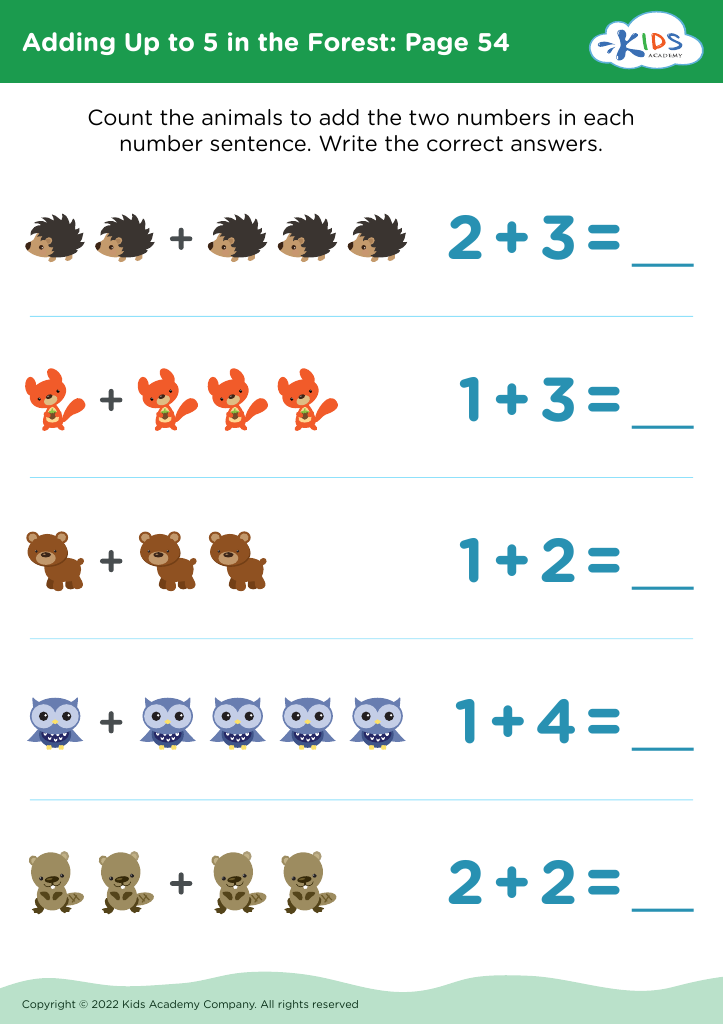
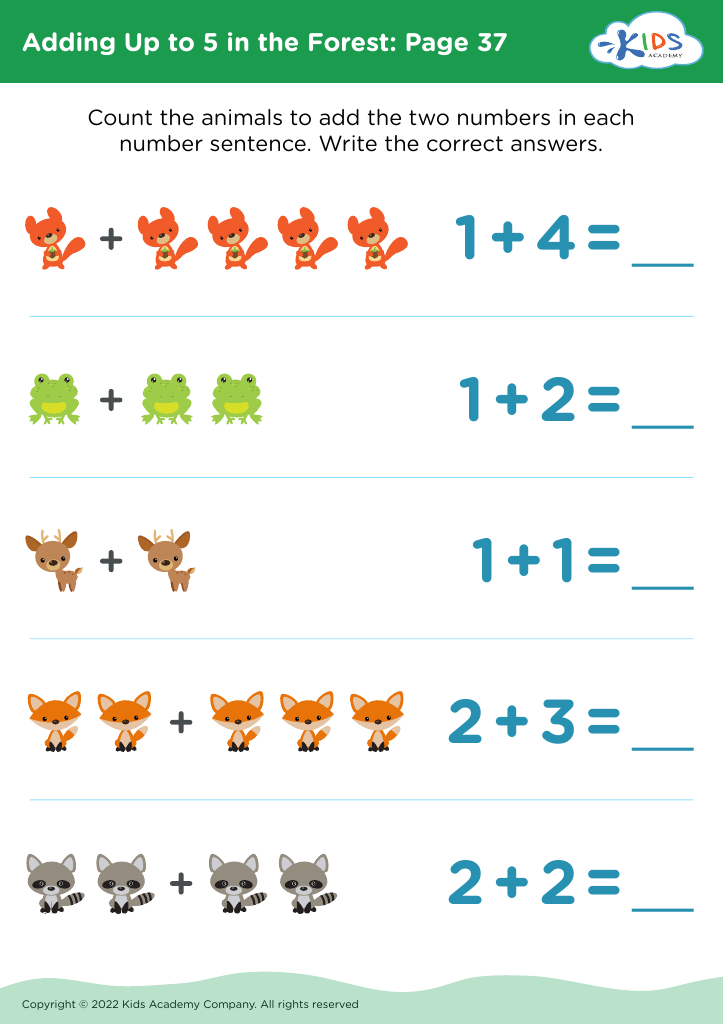
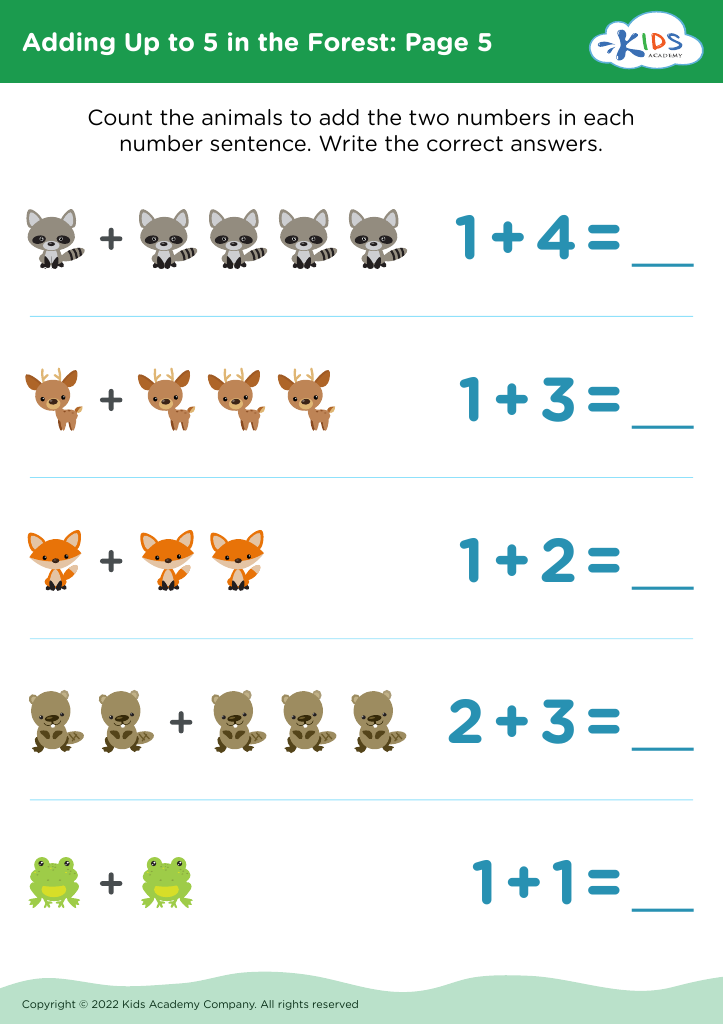
Explore the "Cognitive Development Adding in the Forest Worksheets" designed for children aged 5-6! These engaging worksheets seamlessly combine the magic of nature with essential math skills. As young learners embark on a journey through the forest-themed activities, they'll enhance their cognitive abilities while mastering addition concepts. With vibrant visuals and interactive exercises, these worksheets spark curiosity and motivation. They promote critical thinking, problem-solving, and number recognition in a fun, immersive environment. Perfect for classroom use or at-home learning, these resources create a stimulating educational experience that nurtures early math skills alongside cognitive growth. Download now and watch your child thrive!



Cognitive development is a critical component of childhood growth, particularly for children aged 5-6. At this stage, children begin to think more logically and understand complex concepts. For parents and teachers, recognizing the importance of cognitive development means fostering skills like problem-solving, critical thinking, and creativity. These abilities not only enhance academic performance but also shape a child’s ability to navigate everyday life.
Integrating nature into cognitive development through activities in the forest setting can be particularly beneficial. Spending time outdoors stimulates curiosity and encourages exploration. When children interact with natural environments, they engage in hands-on learning experiences that promote observation skills and the ability to ask questions. In the forest, children can explore cause and effect, discover patterns in nature, and learn to recognize and categorize different plants and animals.
Furthermore, these outdoor experiences provide opportunities for social interaction, teamwork, and communication, which are crucial for emotional and social development. By supporting cognitive growth through nature-based activities, parents and teachers can nurture well-rounded individuals who are better prepared for future challenges in both educational and real-world scenarios. Prioritizing cognitive development not only enriches children’s present experiences but also lays a strong foundation for lifelong learning.