Fine Motor Skills Adding on the Farm Worksheets for Ages 5-6
3 filtered results
Difficulty Level
Grade
Age
-
From - To
Subject
Activity
Standards
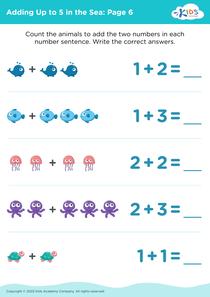
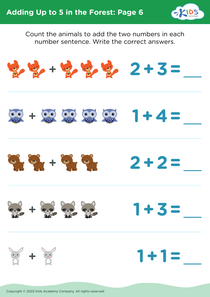
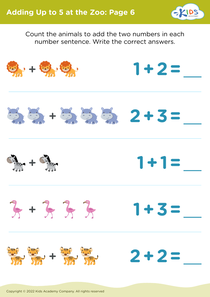
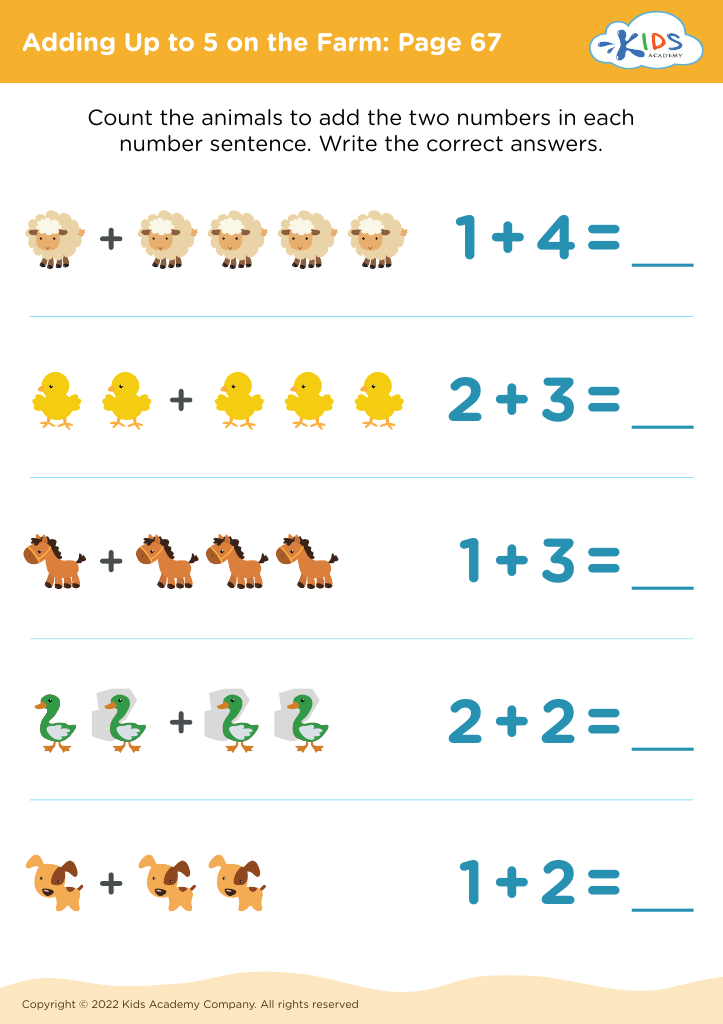
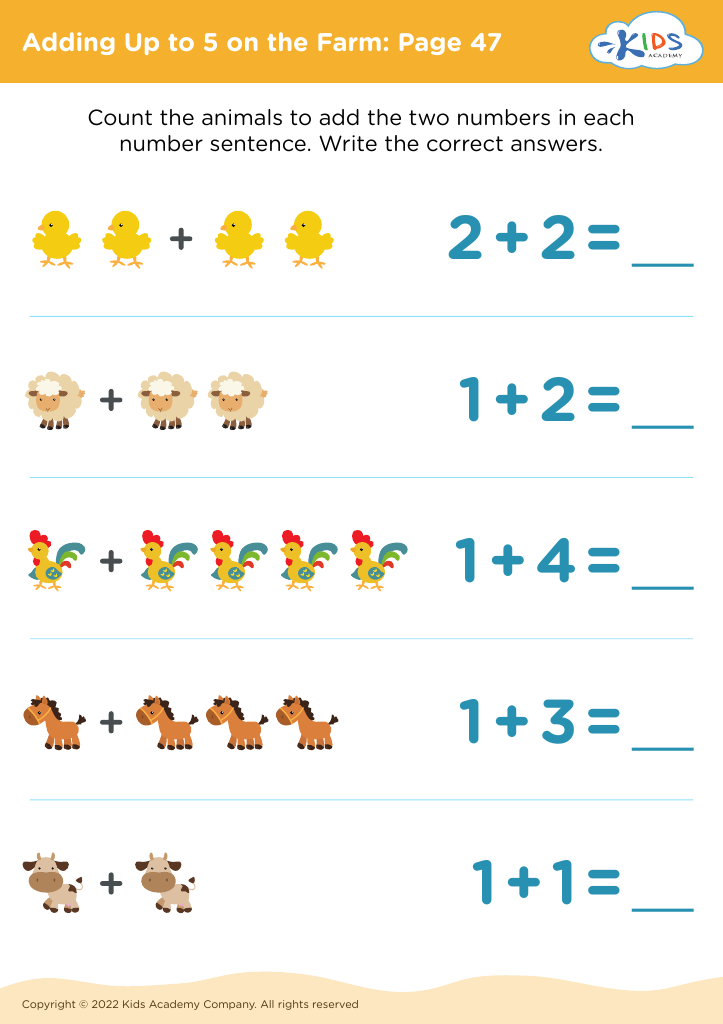
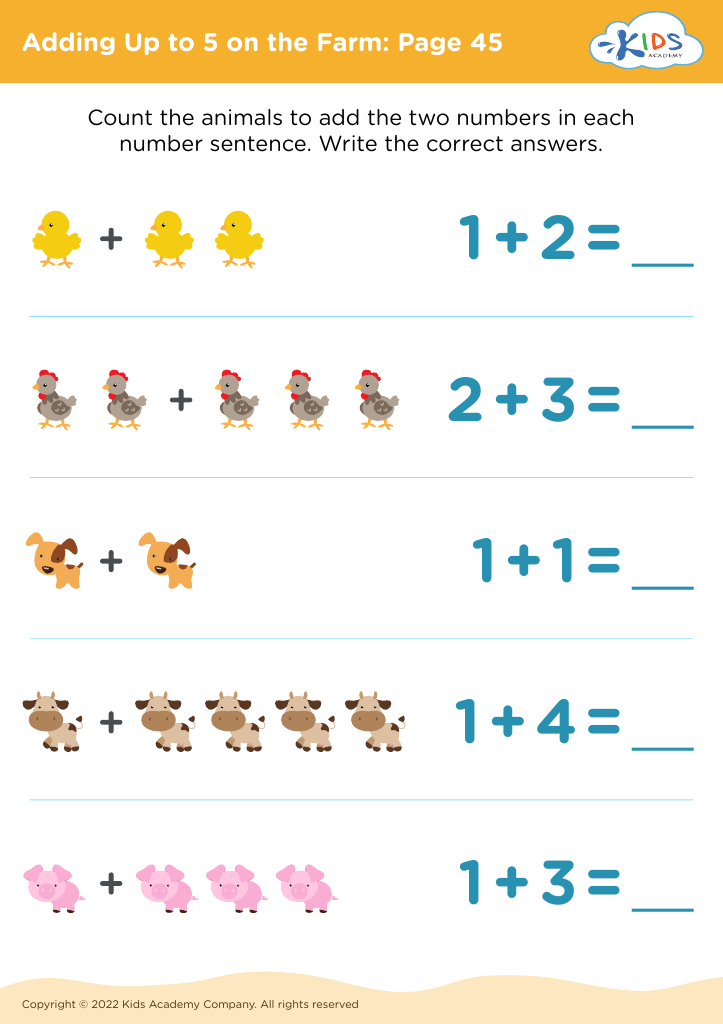
Enhance your child's fine motor skills with our engaging "Adding on the Farm" worksheets designed for ages 5-6. These interactive activities combine math and farm-themed illustrations, making learning both fun and effective. Children will practice addition while improving their hand-eye coordination and grip through tracing, coloring, and cutting tasks. Each worksheet aims to boost confidence and encourage creativity as kids explore the world of numbers amidst playful farm-related characters. Perfect for home or classroom use, these resources support early math development in a lively, hands-on way. Download the worksheets today and watch your young learners thrive with every stroke!
Favorites
With answer key
Interactive
Join Kids Academy for Free
Who is primarily going to use this learning content?



Fine motor skills are crucial for young children's overall development, particularly for ages 5-6. These skills involve the coordination of small muscles, especially in the hands and fingers, enabling children to perform tasks like writing, drawing, and manipulating small objects. Engaging activities, such as the concept of "Adding on the Farm," provide an excellent opportunity for children to practice these skills while also engaging them in mathematical learning.
When introducing the context of a farm, educators can incorporate hands-on activities like counting animals, sorting crops, or using farm-related tools in play scenarios. These activities not only make math relevant and fun but also enhance fine motor dexterity as children grasp, manipulate, and arrange items.
Additionally, early development of fine motor skills lays the groundwork for future academic success. Children who struggle with these skills may face challenges in writing, self-care tasks, and even social interactions, when good dexterity is necessary. Parents and teachers play a essential role in fostering these abilities through guided play and purposeful activities. By caring for and nurturing fine motor development, adults help equip children with the necessary tools for learning, fostering confidence and independence as they transition to more complex tasks.