Visual Perception Skills Addition & Subtraction Worksheets for Ages 5-6
5 filtered results
-
From - To
Boost your child's math abilities with our "Visual Perception Skills Addition & Subtraction Worksheets for Ages 5-6." These engaging worksheets are designed to enhance visual perception while teaching fundamental addition and subtraction concepts. Perfect for young learners, the activities help kids distinguish shapes, patterns, and numbers, fostering essential math skills and boosting confidence. Ideal for classroom use or at-home practice, our printable worksheets make learning fun and effective. Equip your child with the tools they need to excel in math by visiting our webpage and downloading this valuable resource today!
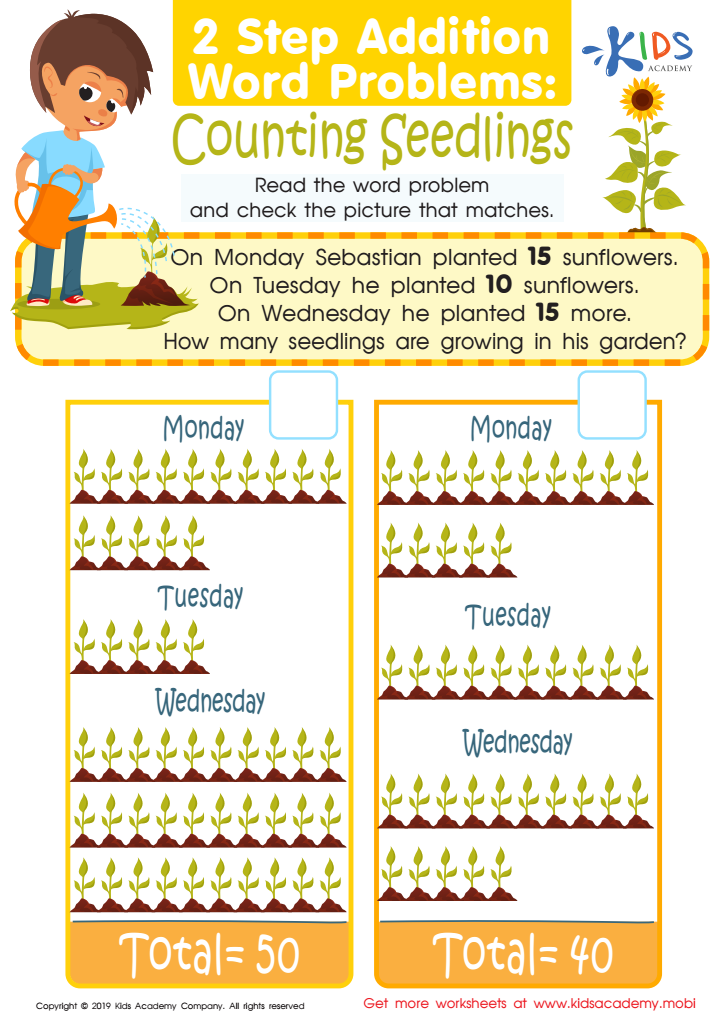
Counting Seedlings Worksheet
 Assign to My Students
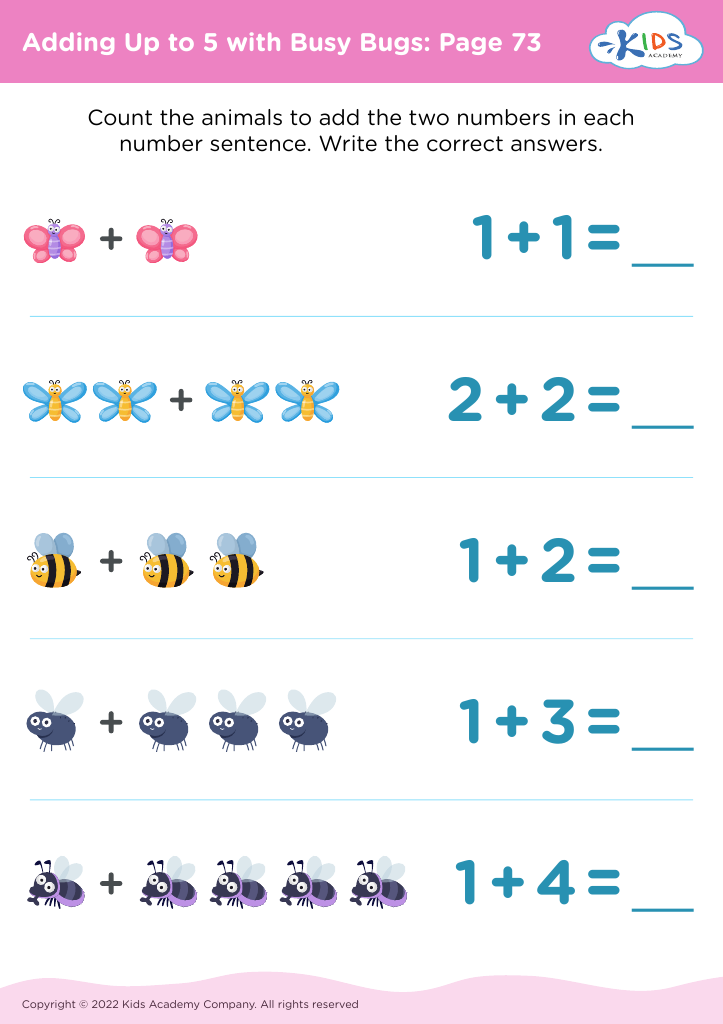
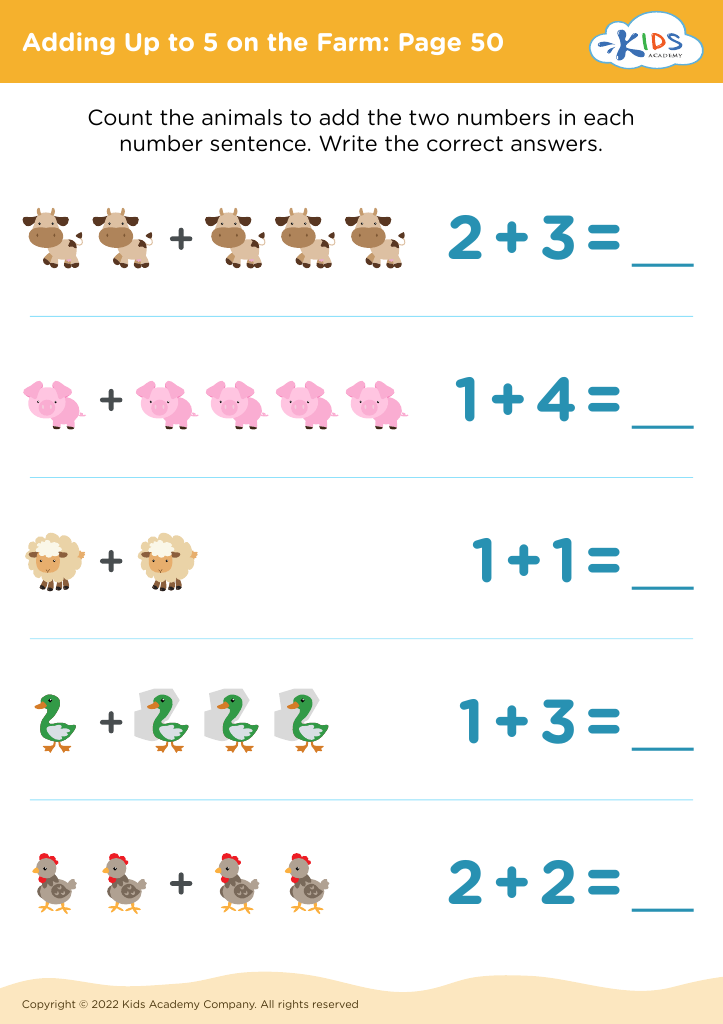
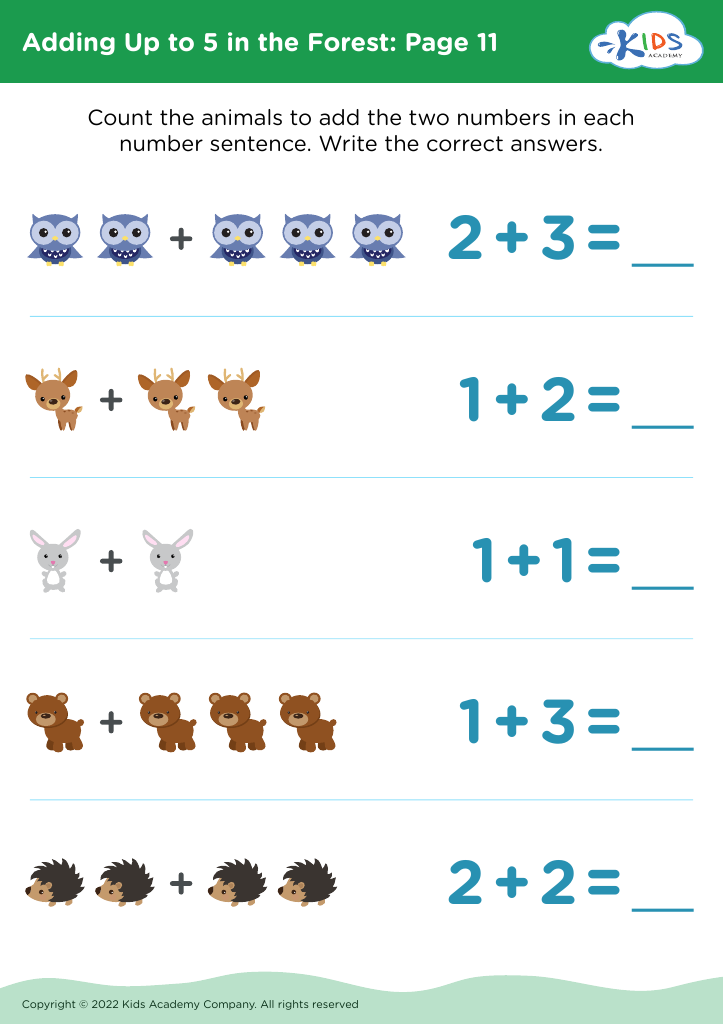
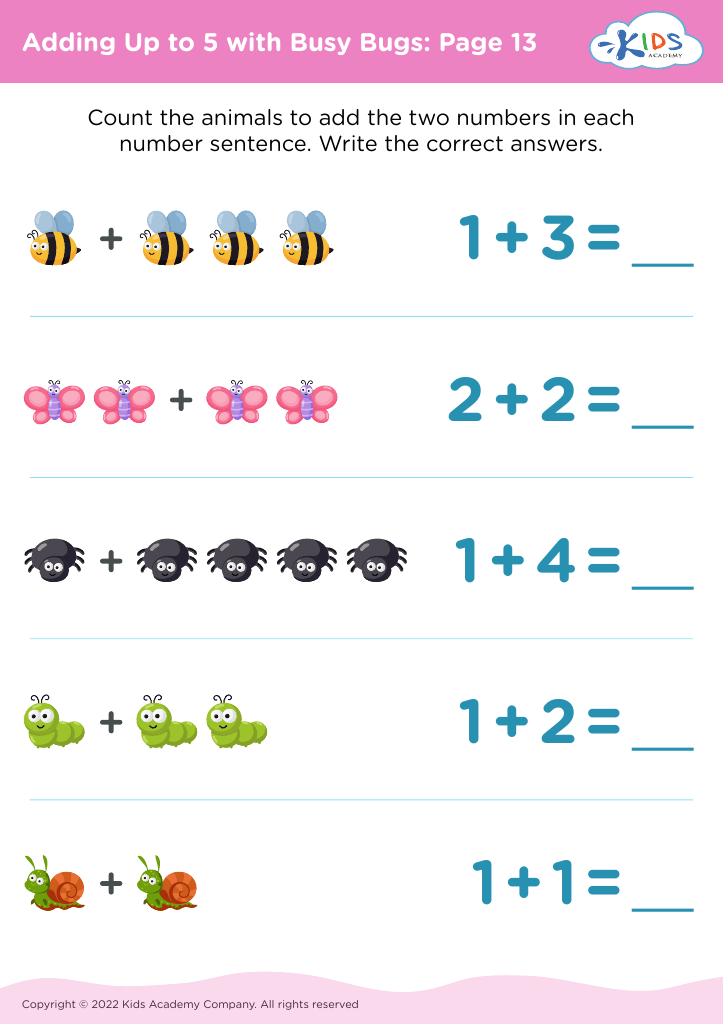








Visual perception skills are crucial for young children, especially in the context of learning basic arithmetic concepts like addition and subtraction. For ages 5-6, these skills go beyond mere academic performance; they influence overall cognitive development and the ability to process, understand, and evaluate visual information.
Visual perception enables children to recognize numbers, symbols, and mathematical representations. When children practice addition and subtraction, they learn to interpret images, patterns, and spatial relationships, which fortifies their number sense. A strong grasp of visual perception skills thus helps children differentiate between similar numbers, identify patterns, and comprehend math problems laid out visually.
Moreover, refining these skills enhances tasks requiring attention, memory, and problem-solving. Children become better at focusing on instructions, remembering steps in mathematical procedures, and visualizing numerical arrangements. Addressing visual perception early on can prevent future difficulties, ensuring children do not develop gaps in understanding that might impede more advanced math learning.
Teachers and parents engagement in promoting activities that foster these skills—like puzzles, sorting games, and visual-matching exercises—creates a robust foundation for lifelong learning. Engaged focus on visual perception skills ensures that the child's educational journey starts strong, with confidence and enthusiasm toward math, setting a positive precedent for future academic endeavours.








