Color recognition Math Worksheets for Ages 5-6
21 filtered results
-
From - To
Discover our engaging Color Recognition Math Worksheets designed specifically for children aged 5-6. These interactive resources help young learners identify and understand colors while integrating essential math concepts. Each worksheet incorporates vibrant visuals and fun activities that promote critical thinking and enhance color recognition skills. Children will enjoy activities such as coloring, matching, and counting, which support their cognitive development and reinforce foundational math knowledge. Perfect for homeschooling or classroom use, our Color Recognition Math Worksheets create a playful learning environment, making math enjoyable and accessible for your little ones. Start their educational journey with these delightful and educational tools!
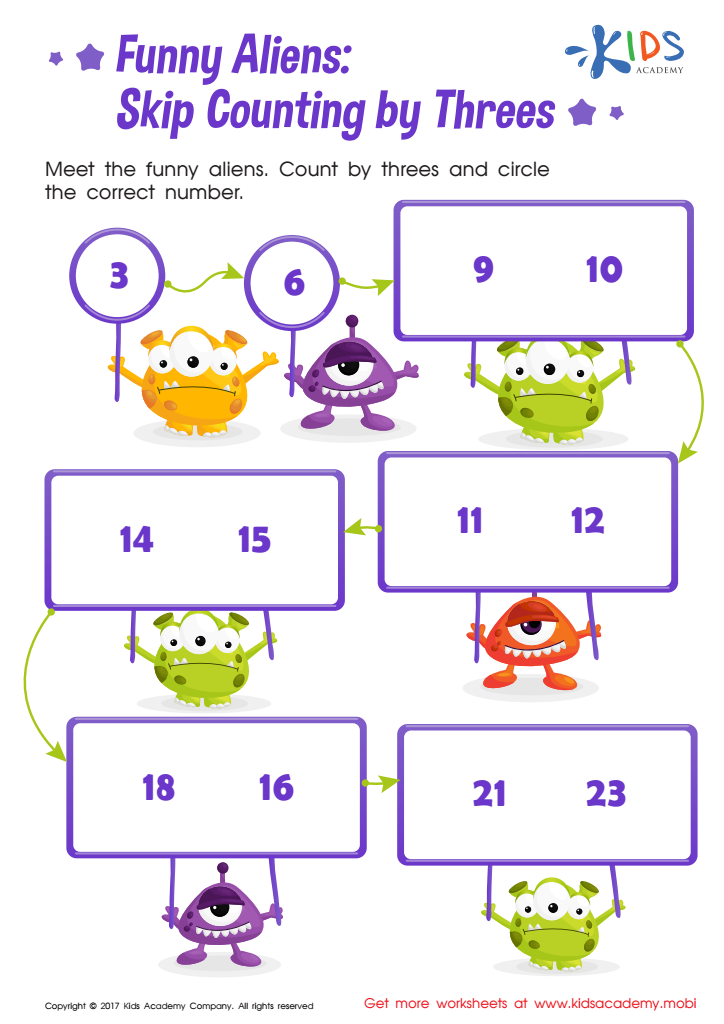
Skip Counting by 3s: Funny Aliens Printable
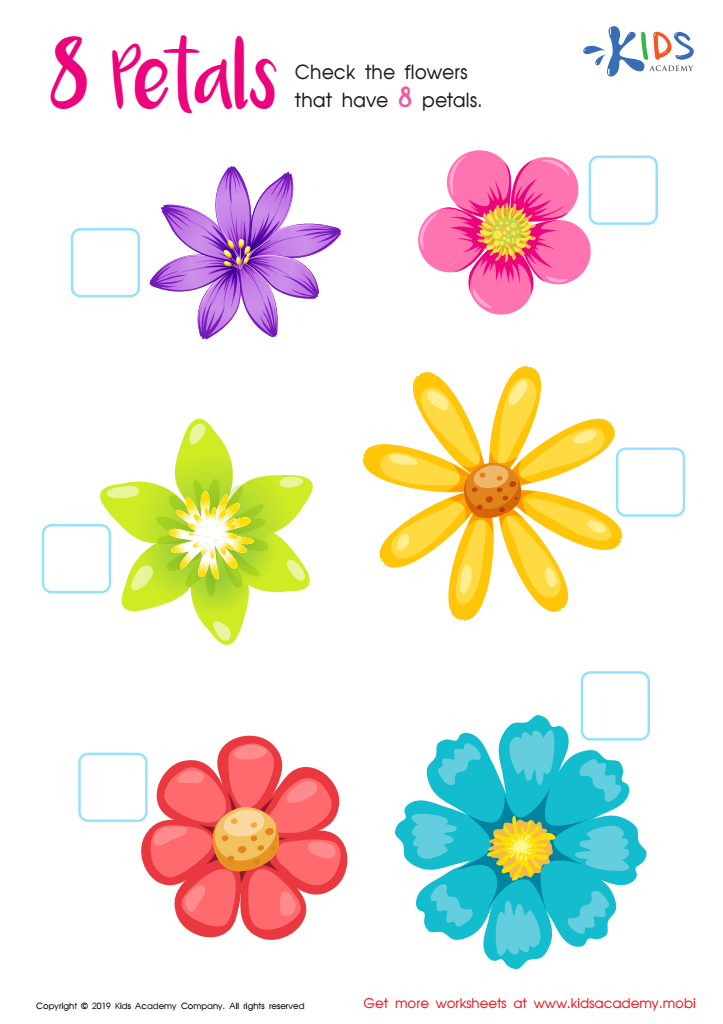
8 Petals Worksheet
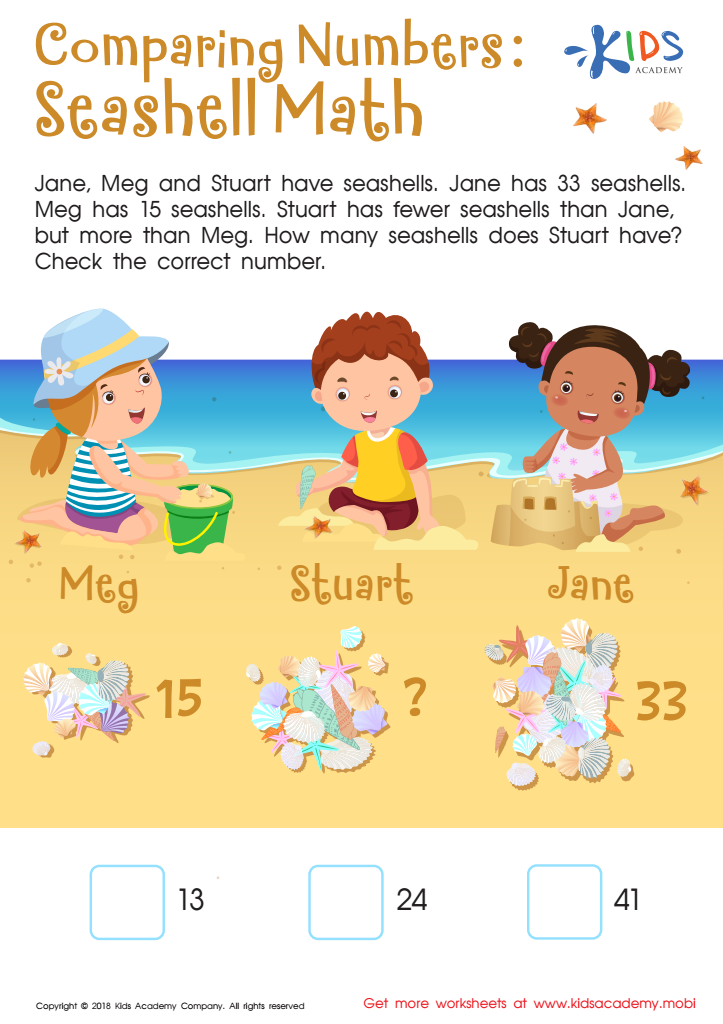
Seashell Collectors Worksheet
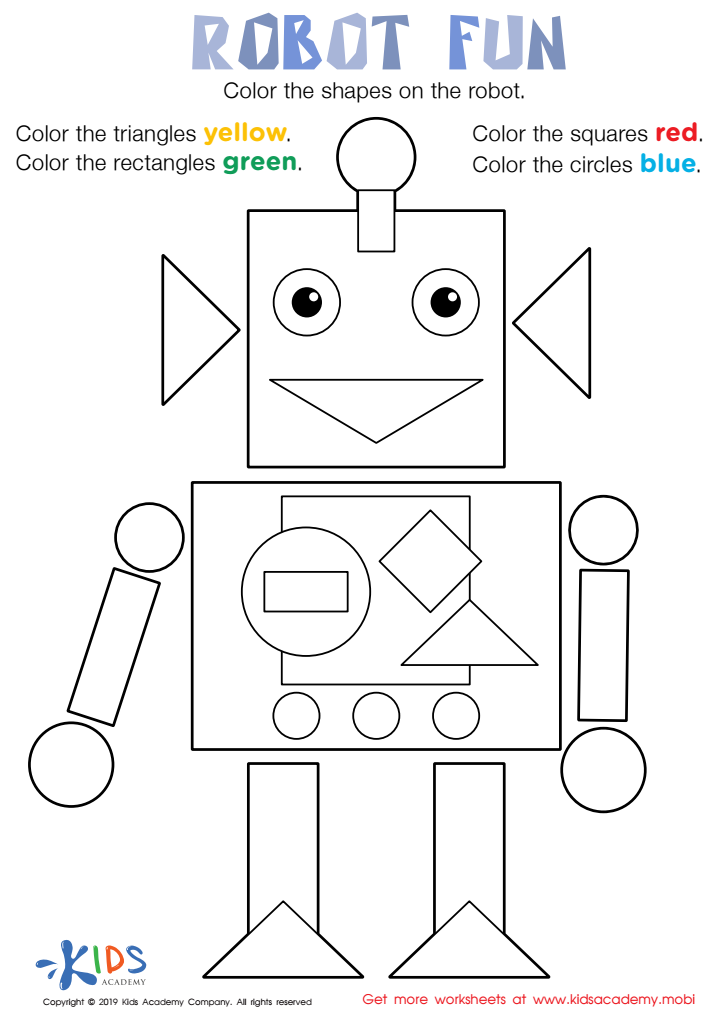
Robot Fun Worksheet
 Assign to My Students
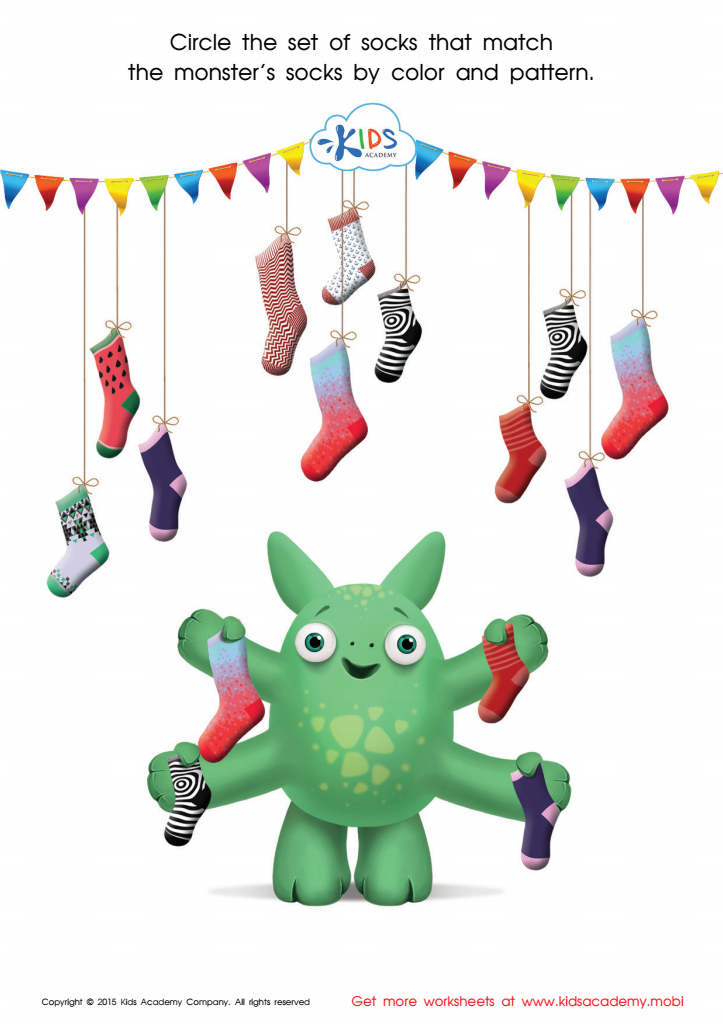
Sort the Monster's Socks Worksheet
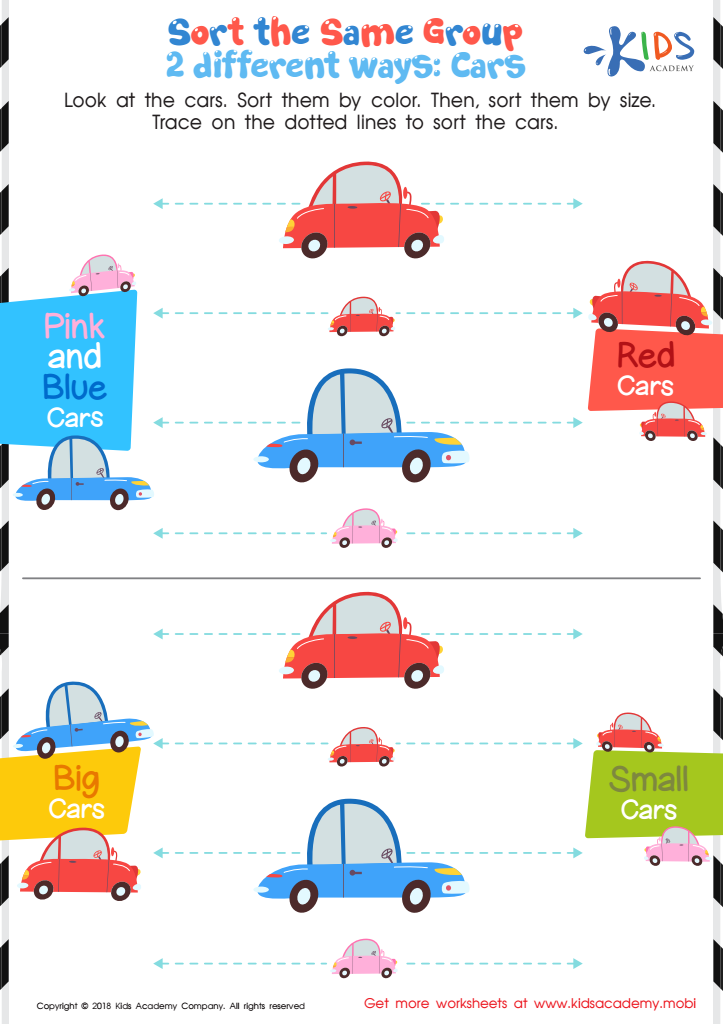
Sort the Same Group 2 Different Ways: Cars Worksheet
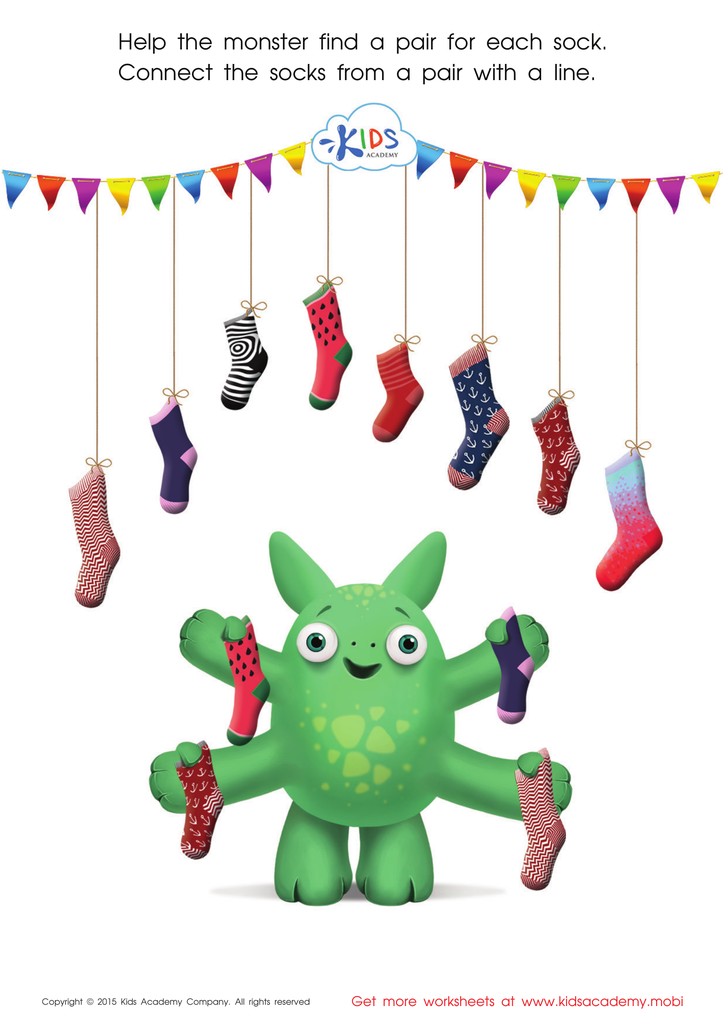
Math Matching Game: Monsterв's Socks Worksheet
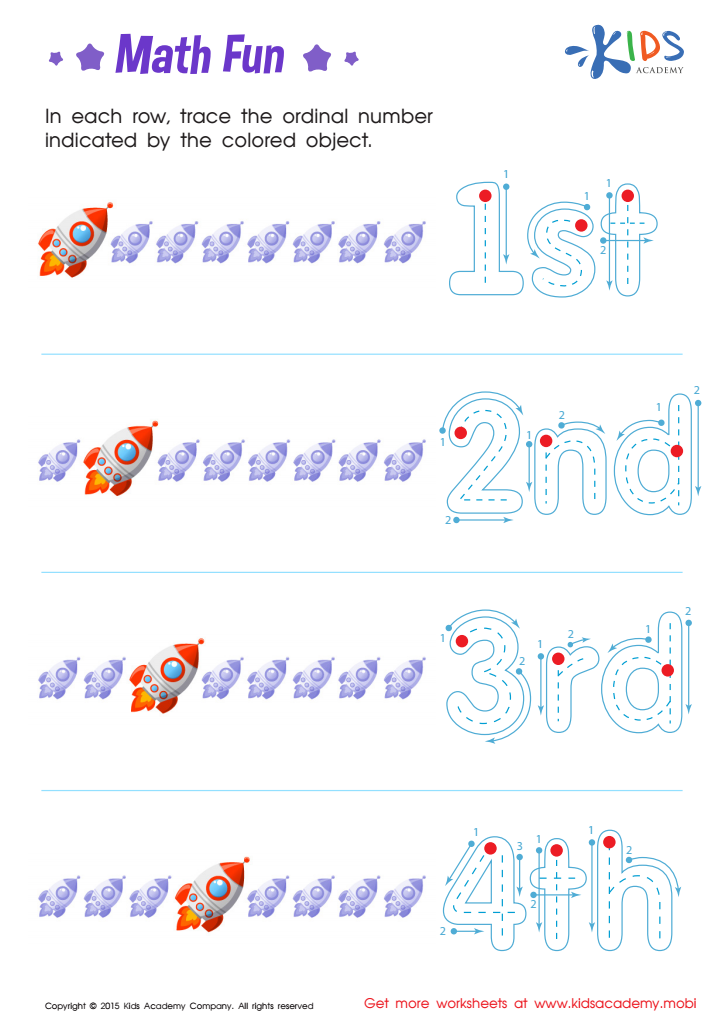
Ordinal Numbers: Math Fun Worksheet
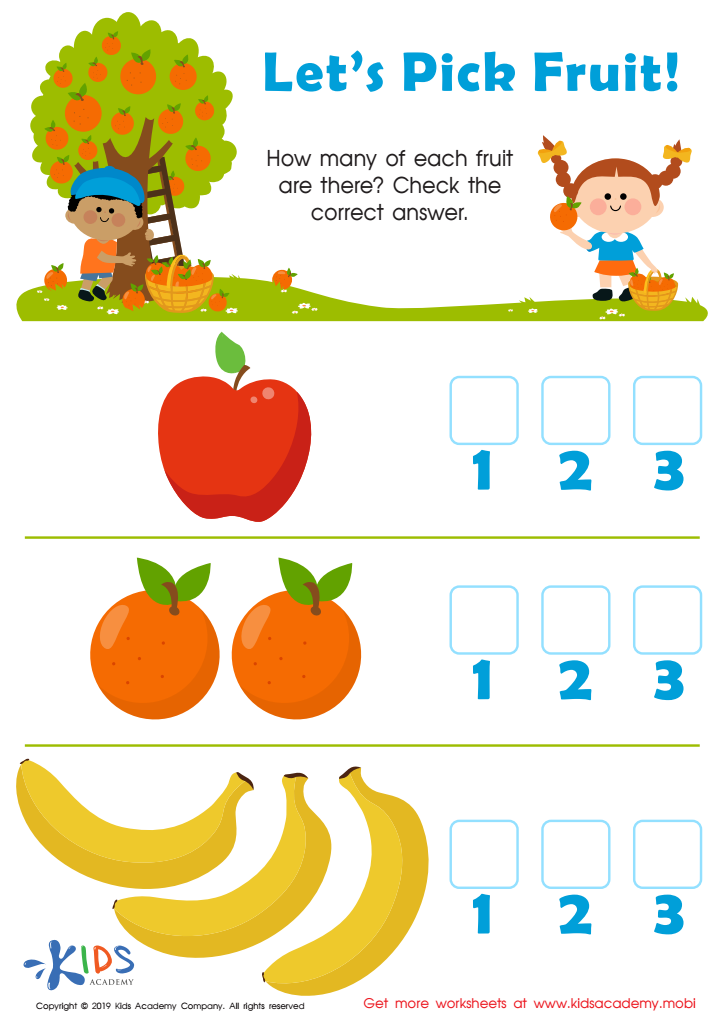
Let's Pick Fruit Worksheet
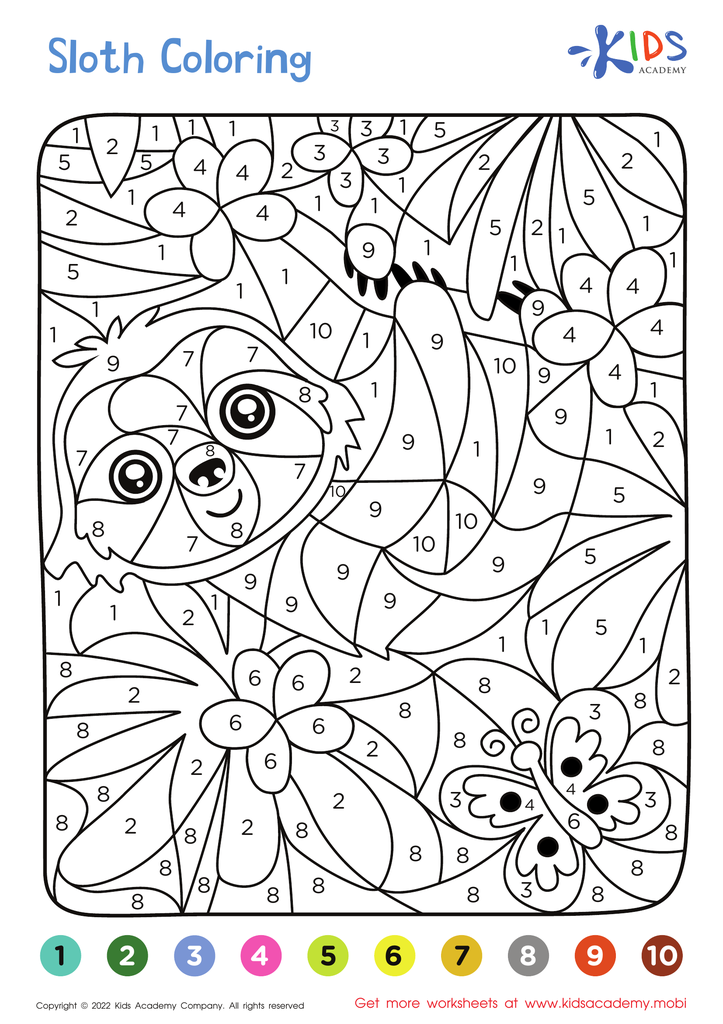
Sloth – Coloring by Numbers
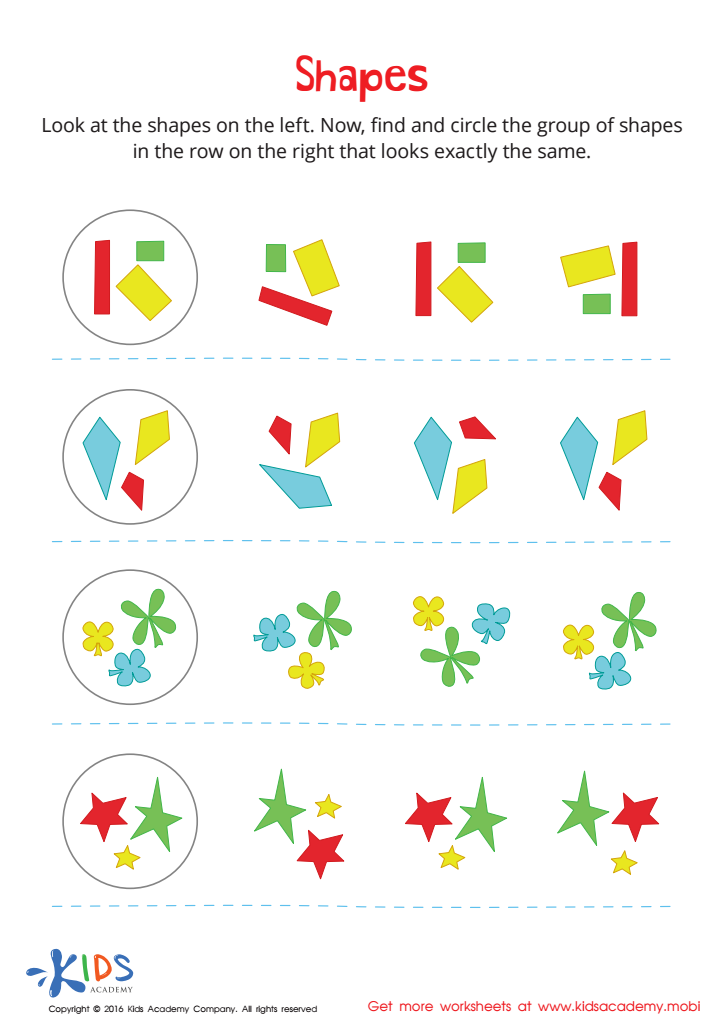
Shapes Worksheet
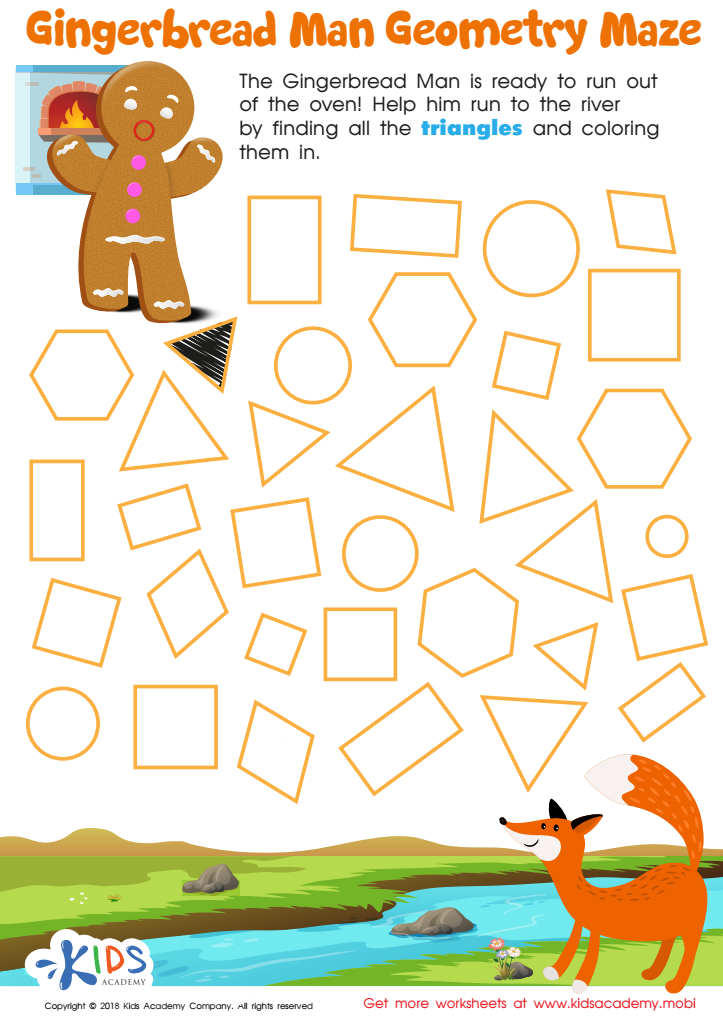
Gingerbread Man Geometry Maze Worksheet
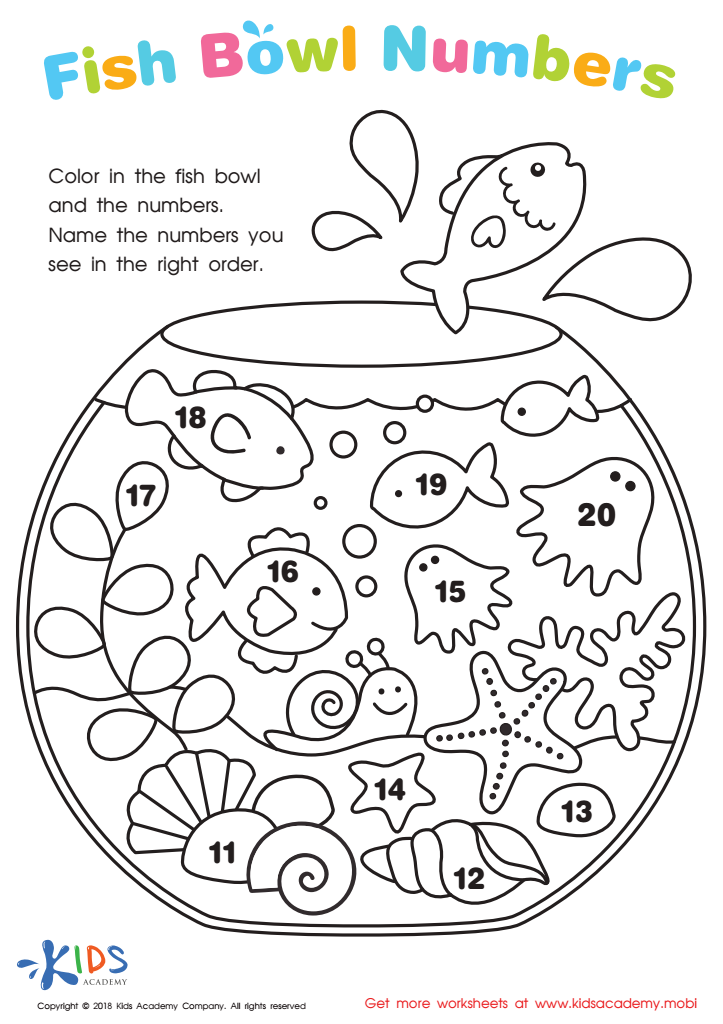
Fish Bowl Numbers Worksheet
Assign to My Students
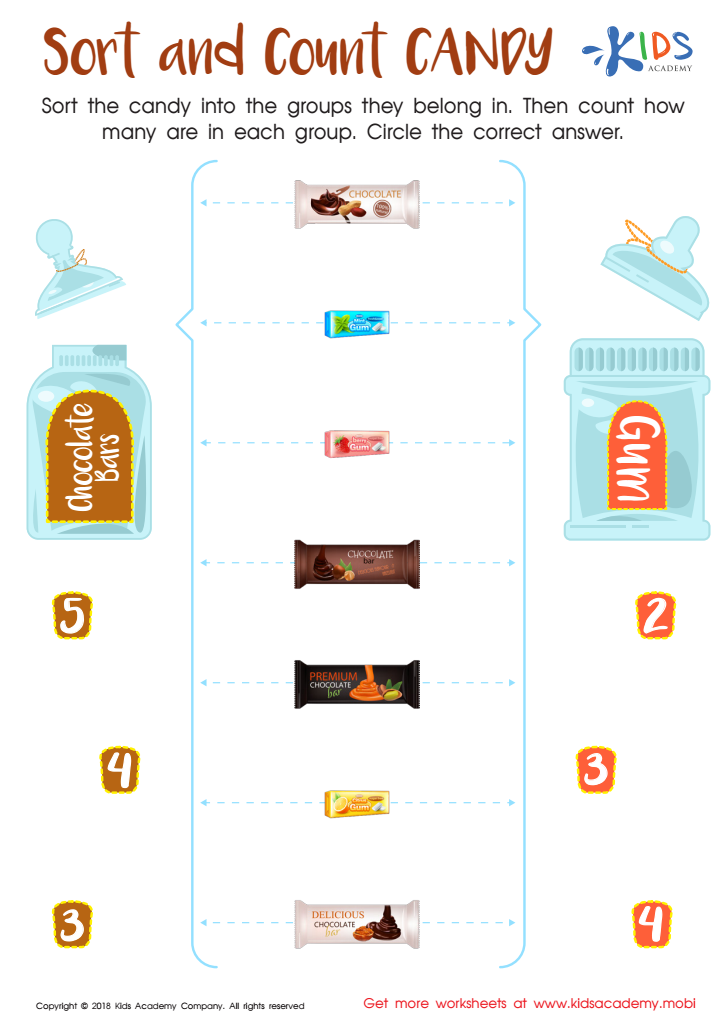
Sort and Count Candy Worksheet
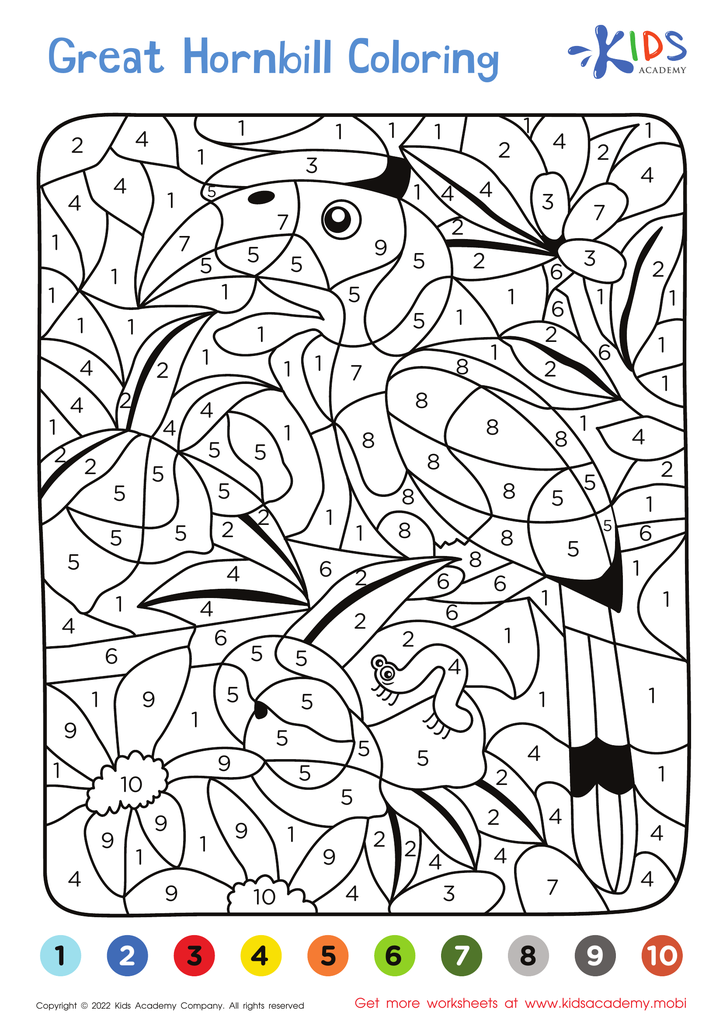
Great Hornbill – Coloring by Numbers
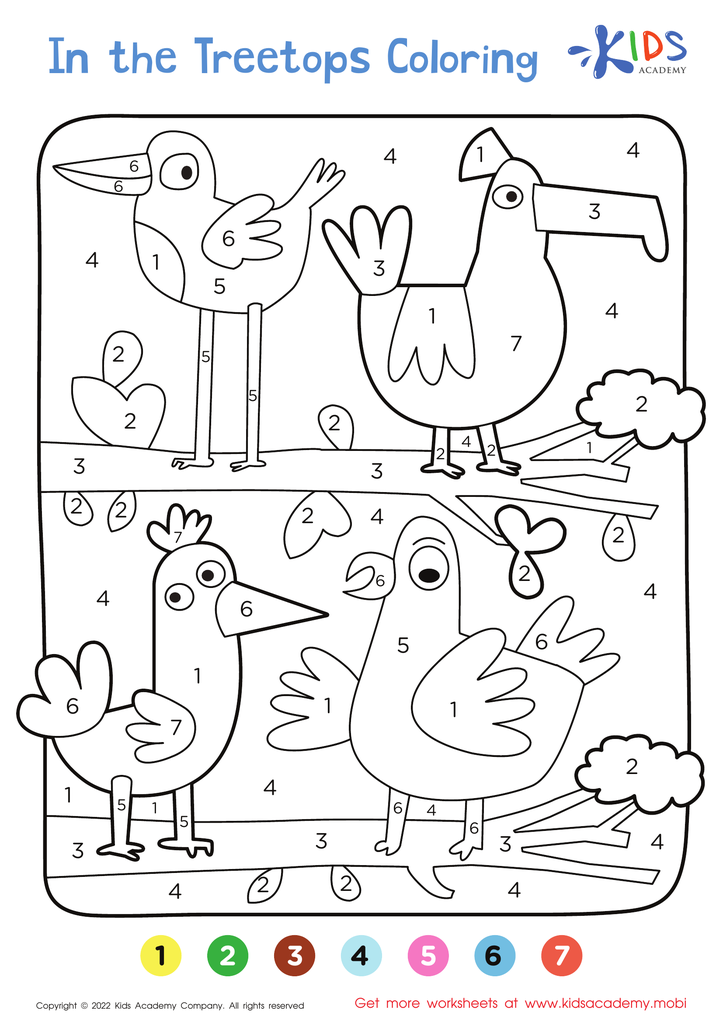
In the Treetops – Coloring Page
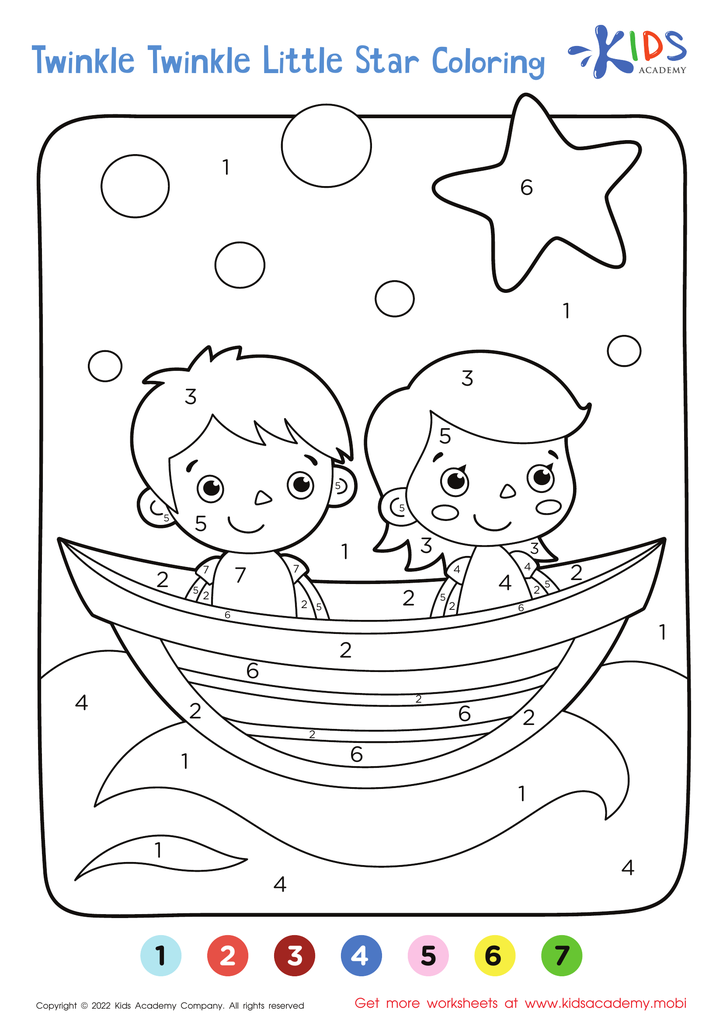
Twinkle, Twinkle, Little Star – Coloring by Numbers
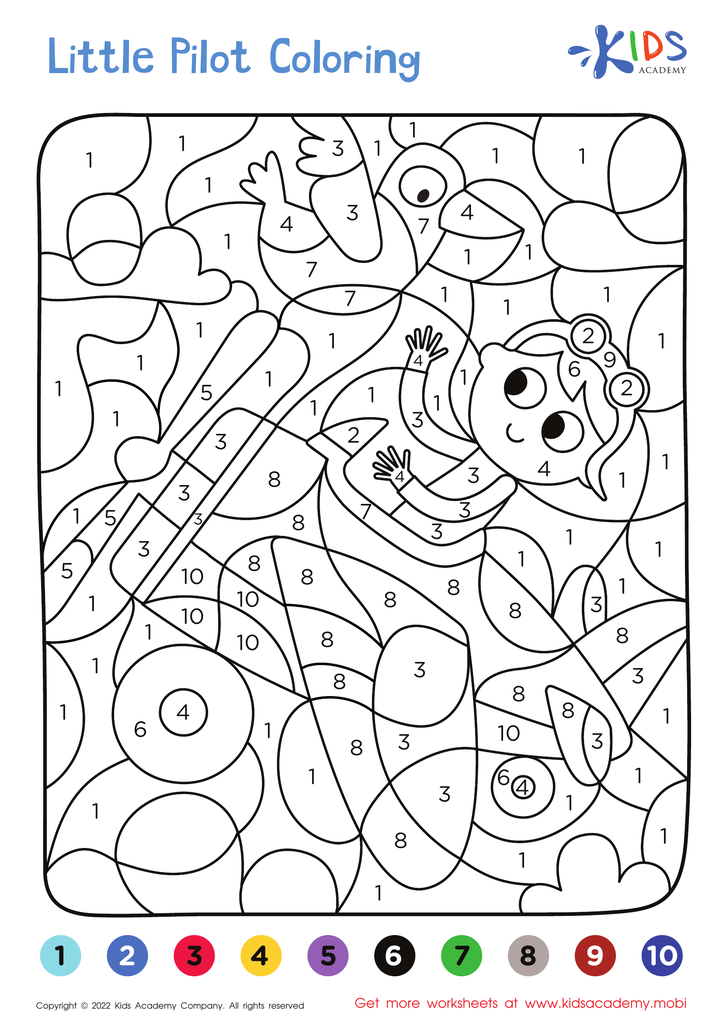
Little Pilot – Coloring by Numbers
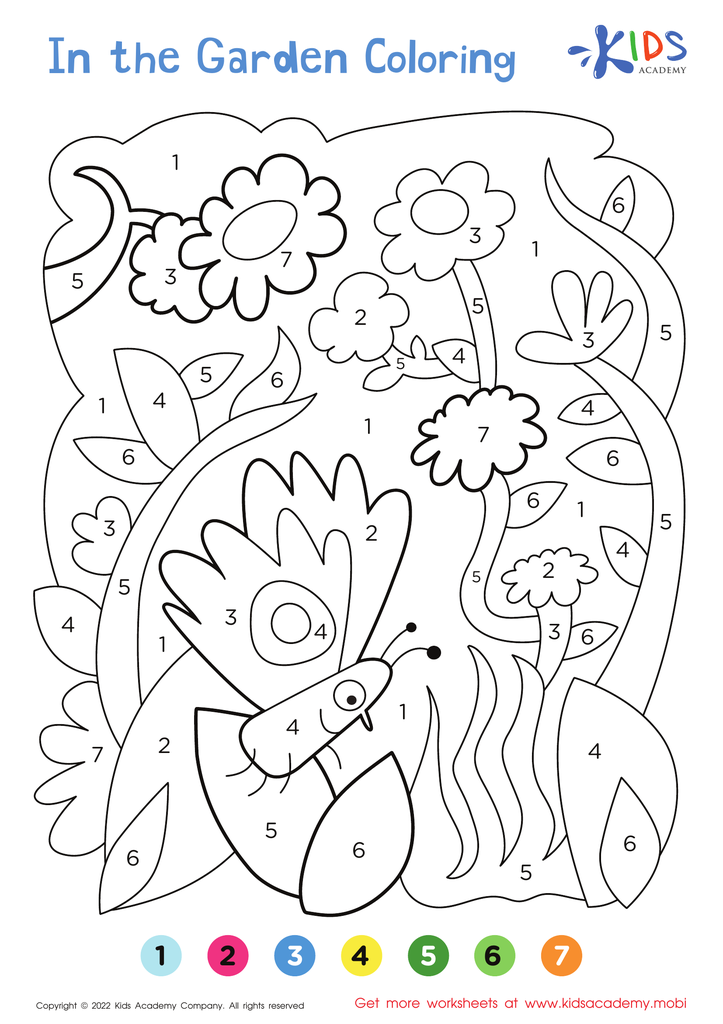
In the Garden – Coloring by Numbers
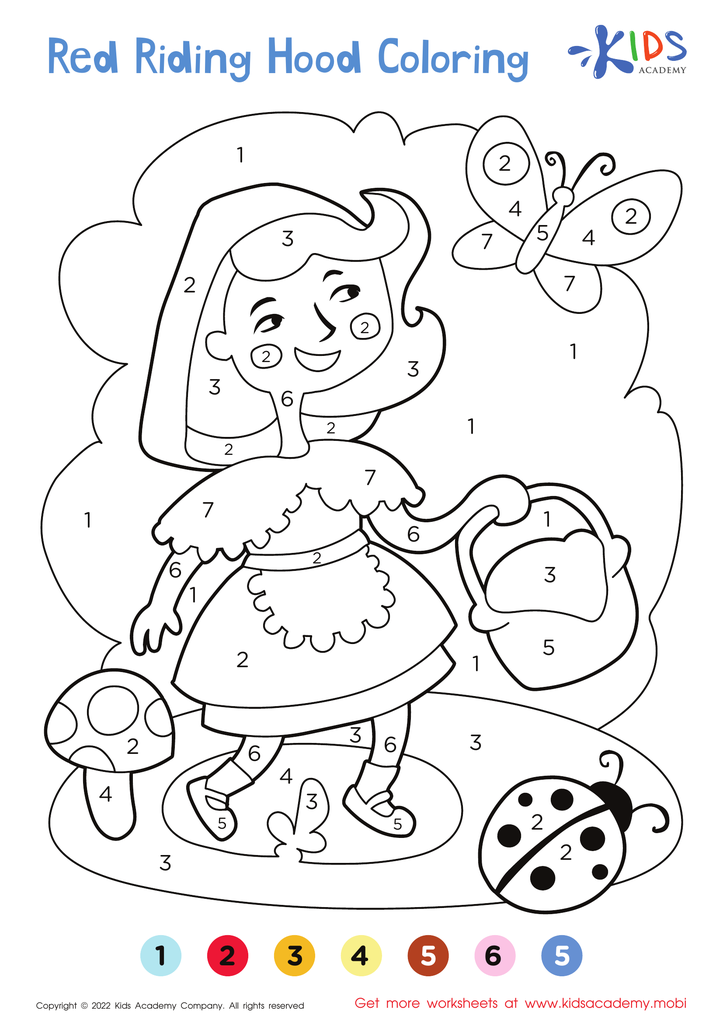
Little Red Riding Hood – Coloring by Numbers





.jpg)

Color recognition is a vital foundational skill that significantly impacts a child’s development, particularly in early math learning for ages 5-6. At this stage, children begin to make connections between colors and numbers, which enhances their ability to categorize and organize information. Teachers and parents should care about color recognition because it serves as an entry point for exploring more complex mathematical concepts.
When children learn to identify colors, they are also developing critical cognitive skills such as observation, classification, and problem-solving. For instance, sorting objects by color encourages children to engage in early mathematical reasoning, setting the stage for concepts like counting and addition. Moreover, integrating color recognition into math activities can make learning more engaging and enjoyable, fostering a positive attitude toward math.
Furthermore, discussions around colors extend vocabulary and communicative skills essential for building relationships with peers. Recognizing colors also aids visualization in mathematics, which is crucial as children progress into more abstract concepts. Therefore, prioritizing color recognition in early education not only enhances mathematical understanding but also supports overall cognitive and linguistic development, benefiting a child’s holistic growth during these critical years.








